The Holy Trinity, Explained Simply

A leaf and a seashell, centuries apart
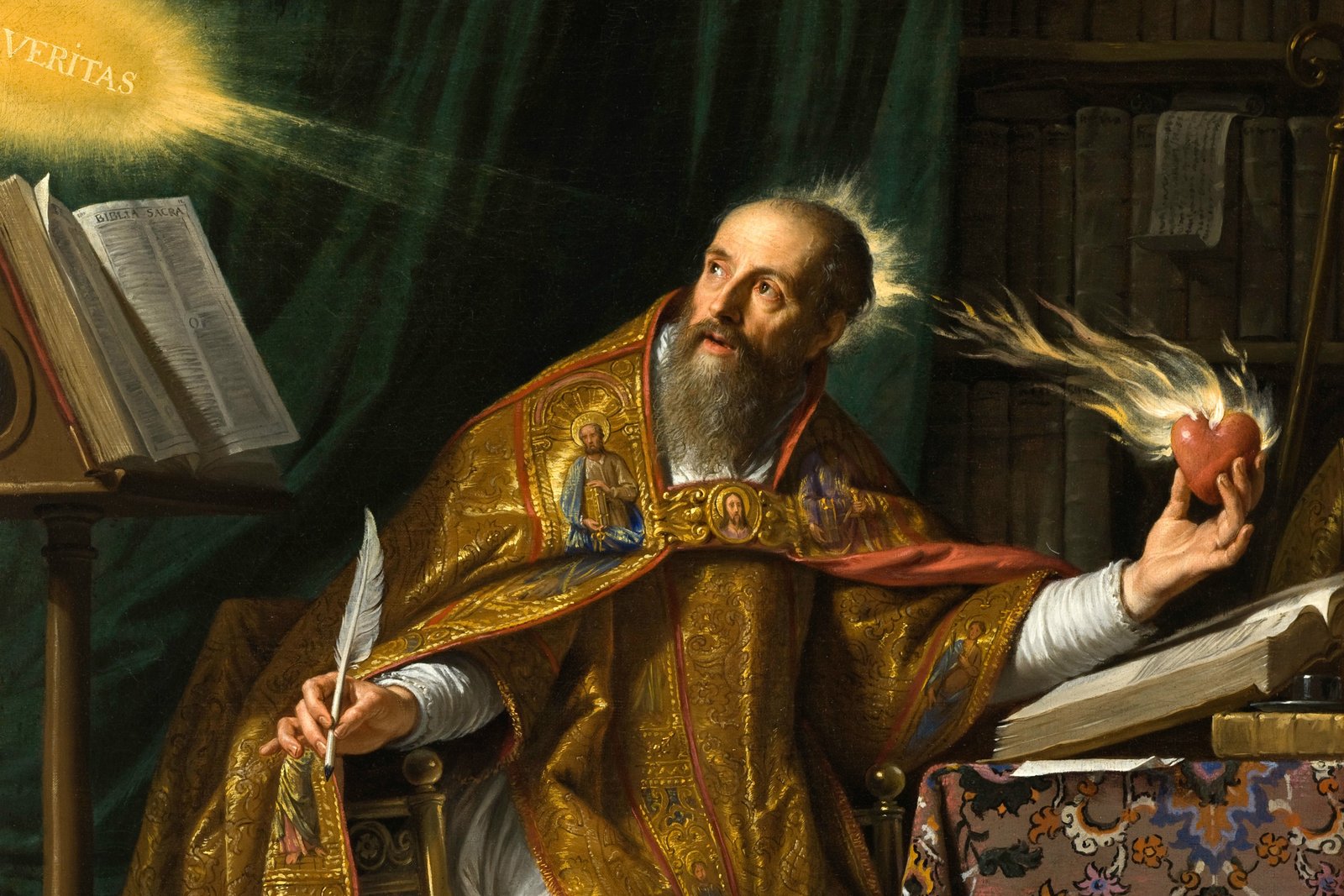
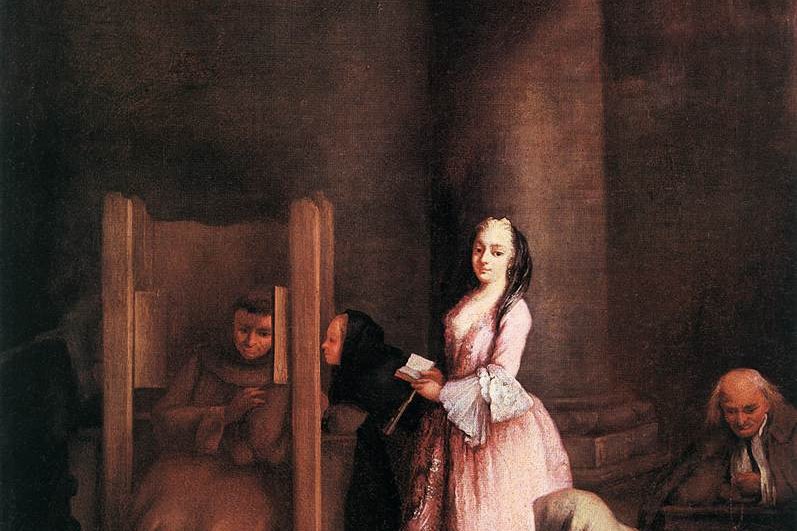
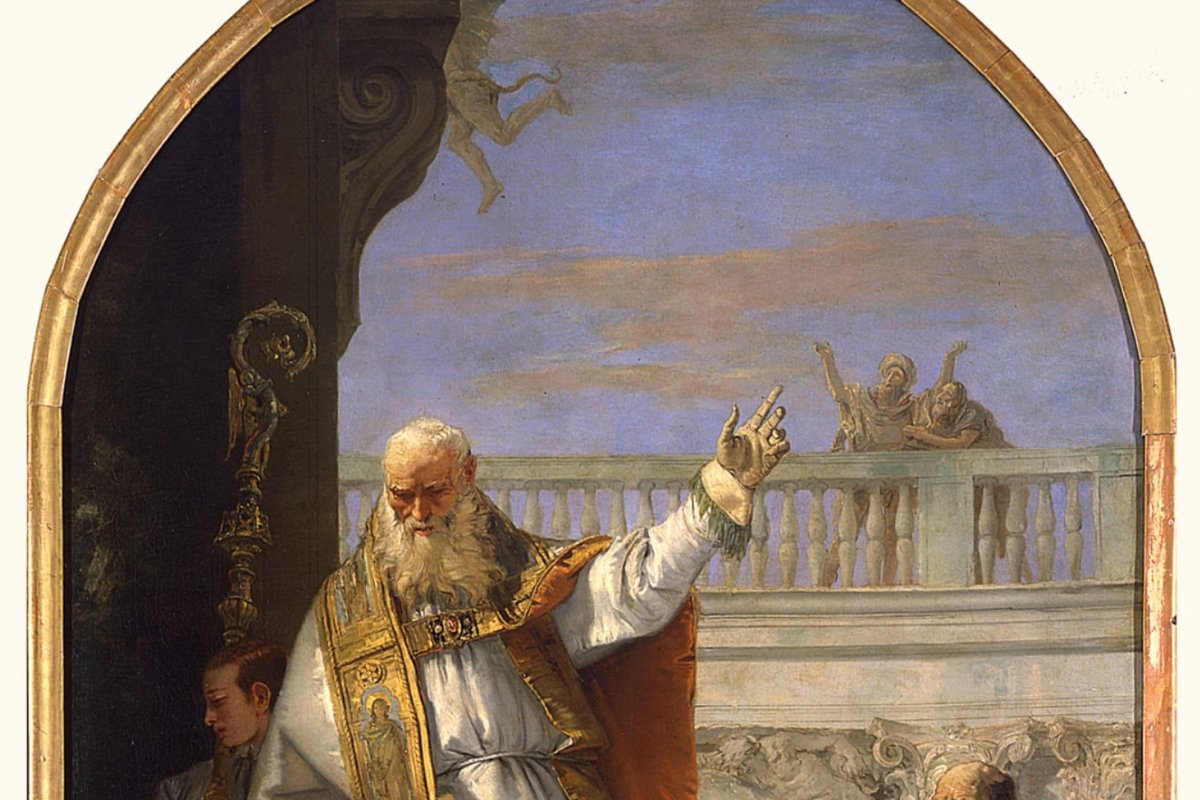
Two images have shadowed Christian attempts to explain the Trinity for so long that they've become almost inseparable from the doctrine itself. The first belongs to Ireland: Saint Patrick, so the story goes, held up a shamrock in front of skeptical Irish listeners — one plant, three leaves — as a way into the idea of three divine persons in one God. The second belongs to North Africa, generations earlier: Saint Augustine, deep in the work that became his treatise On the Trinity, is said to have encountered a child on a beach trying to empty the entire sea into a small hole using a seashell, and to have realized, watching him, that he was attempting something just as impossible with his own book — pouring an infinite mystery into a finite mind. Both stories are beloved. Neither is documented history, and it's worth being honest about that before using either one.
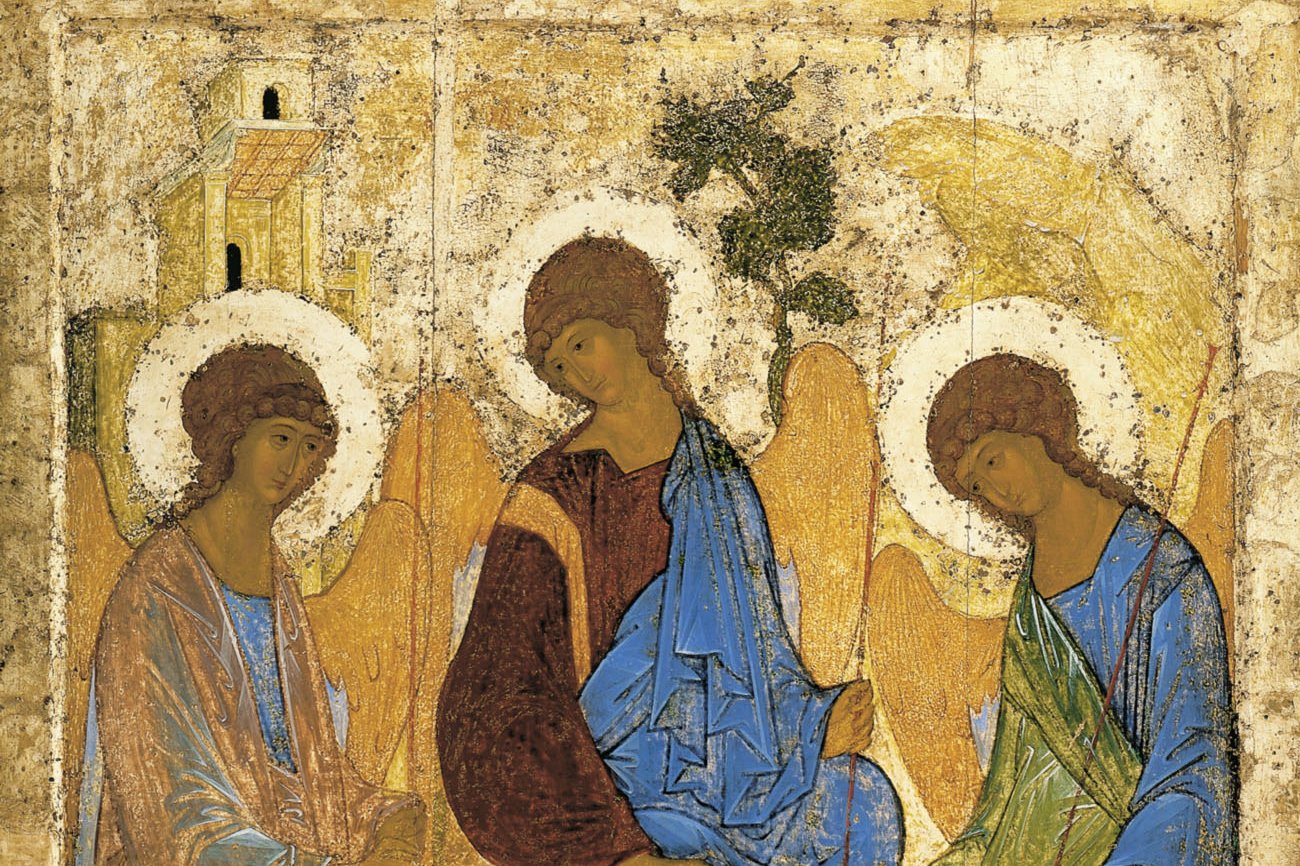
Andrei Rublev, The Trinity (detail), 1411-1425, Tretyakov Gallery, public domain (Wikimedia Commons).
What actually is defined, and what is legend
Patrick's own surviving writings — the Confessio and the Letter to Coroticus — never mention a shamrock, and the story doesn't appear in any historical source until many centuries after his death. It belongs to pious tradition and Irish folklore, a charming and durable teaching tool, not something we can responsibly attribute to the historical Patrick. Augustine's seashell story carries a similarly uncertain pedigree as a specific incident — it circulates widely in later retellings of his life, though the underlying humility it depicts is entirely consistent with how carefully Augustine actually wrote about the Trinity's incomprehensibility in his real treatise. Both stories earn their long life honestly: not because they're documented fact, but because they capture something true about the doctrine even while falling short of proving it. That's worth saying plainly, in keeping with how the Church treats legends generally — useful, even beloved, without needing to be mistaken for history.
What the Church actually teaches
Strip away both stories and the doctrine underneath is precise and, the Catechism insists, central: "The mystery of the Most Holy Trinity is the central mystery of Christian faith and life" (CCC 234). There is one God, existing eternally as three distinct persons — Father, Son, and Holy Spirit — each of whom is fully, completely God, not a third of God, not a different mode or mask God wears at different times, and not three separate gods working in cooperation. The Catechism states the core distinction sharply: "The divine persons do not share the one divinity among themselves but each of them is God whole and entire" (CCC 253). That's precisely the point at which the shamrock analogy breaks down — a leaf is genuinely only a third of the plant, while the Son is not one-third of God. Every physical analogy anyone has ever proposed for the Trinity fails at exactly this point, which is why the Church has never adopted any single image as an official explanation.
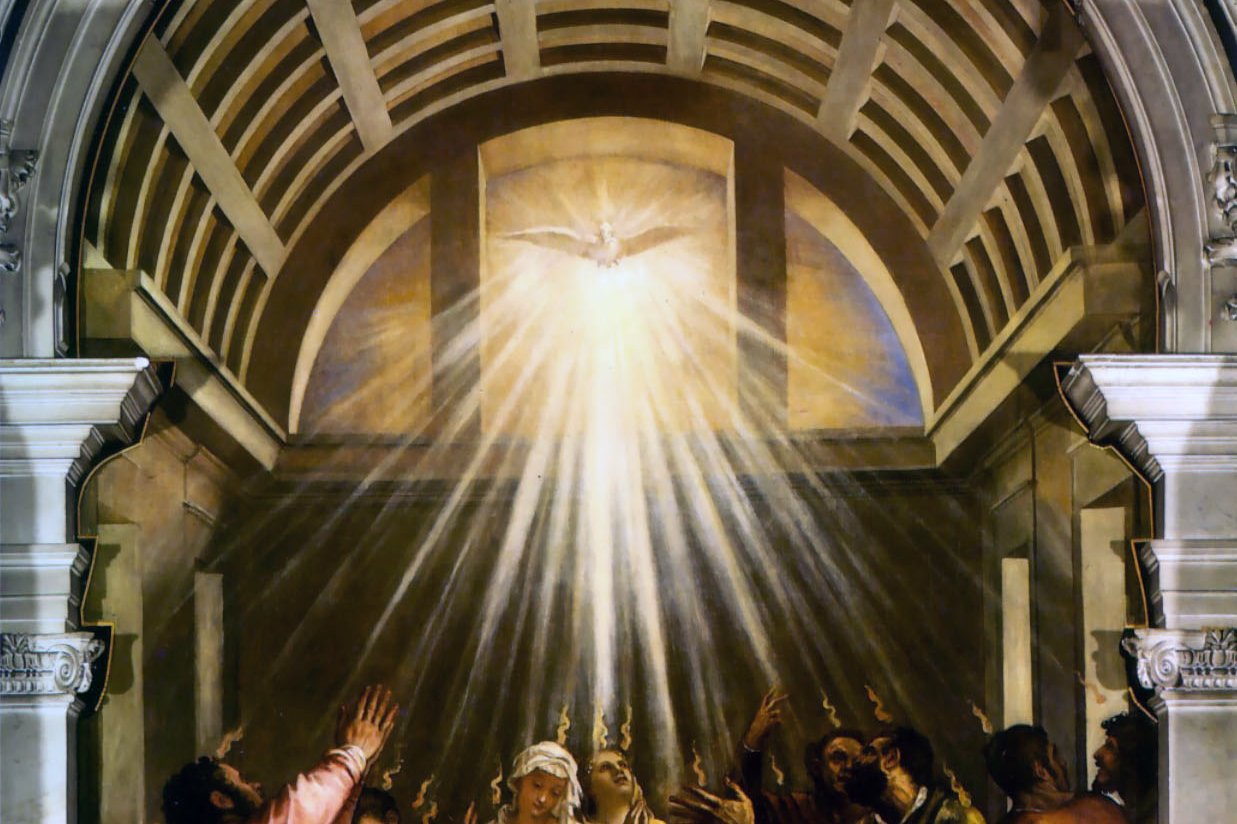
The word "Trinity" itself never appears in Scripture. The doctrine developed as the early Church reflected prayerfully and carefully on the whole shape of the New Testament: Jesus's baptism, where the Father speaks from heaven, the Son stands in the water, and the Spirit descends as a dove (Matthew 3:16-17); Jesus's own command to baptize "in the name of the Father and of the Son and of the Holy Spirit" (Matthew 28:19), a single name shared by three; and years of doctrinal controversy that the Church worked through at the Councils of Nicaea (325) and Constantinople (381), formally rejecting views that reduced the Son or the Spirit to something less than fully divine. What emerged wasn't invented by those councils — the Church holds that the doctrine was revealed, present in the New Testament witness from the start — but clarified and defended against real, historically documented misunderstandings.
Why call it a mystery, and mean it
In ordinary conversation, calling something a "mystery" usually means nobody's figured it out yet. In Catholic theology, a mystery of faith means something different and stronger: a truth about God that finite human reason could never have arrived at on its own, knowable only because God chose to reveal it, and even then never fully graspable by a created mind, however holy or intelligent. The Catechism is direct about this: the Trinity "is a mystery of faith in the strict sense, one of the 'mysteries that are hidden in God, which can never be known unless they are revealed by God'" (CCC 237). That's not the Church apologizing for an unfinished explanation. It's the Church stating, as settled teaching, that full comprehension was never on offer — belief here rests on trusting what God has revealed about himself, not on working the doctrine out like a geometry proof.
Augustine's own real writing on the Trinity reflects exactly this posture, seashell story or not. He wrote fifteen dense books wrestling with the doctrine, proposing several genuine analogies of his own — the mind's memory, understanding, and will operating as one; a lover, the beloved, and love itself — while explicitly warning, throughout, that none of these images captured the reality they pointed toward. The saint most associated with intellectually rigorous Trinitarian thought spent a monumental amount of energy building analogies and then insisting, in the same breath, that every one of them would eventually fail.
Living with an unfinished picture
None of this means the Trinity is unknowable in any useful sense — the Church teaches with real confidence that God is Father, Son, and Holy Spirit, and Catholics profess exactly that every time they make the Sign of the Cross or recite the Creed. What it means is that the picture stays permanently, deliberately open at the edges. Patrick's shamrock and Augustine's seashell endure not because either one solves the mystery, but because both, in their different ways, model the right posture toward it: reach for the best image available, offer it honestly, and then admit, without embarrassment, that the ocean was always going to be bigger than the hole in the sand.
Trivia
What is the Holy Trinity in simple terms?
Did Saint Patrick really use a shamrock to explain the Trinity?
Is the shamrock or any physical analogy an accurate picture of the Trinity?
Why is the Trinity described as a mystery instead of something that can be fully explained?
Where in the Bible is the Trinity most clearly seen?
You May Also Like
Related Reading