What Is Ecumenism? Catholic Teaching on Christian Unity

A word built on Christ's own prayer
The word "ecumenism" comes from the Greek oikoumene, meaning "the inhabited world" — originally used to describe the whole known world, and later applied specifically to efforts aimed at the unity of the whole Christian world, however divided it had become. The theological foundation Catholic teaching points to isn't a modern committee decision; it's Christ's own words, prayed on the night before his death, that his followers "so that they may all be one, as you, Father, are in me and I in you, that they also may be in us, that the world may believe that you sent me." (John 17:21). Catholic ecumenism treats division among Christians not as a minor institutional inconvenience, but as a real wound against something Christ himself prayed for directly — and, notably, tied to the credibility of the Gospel message itself in the eyes of a watching world.
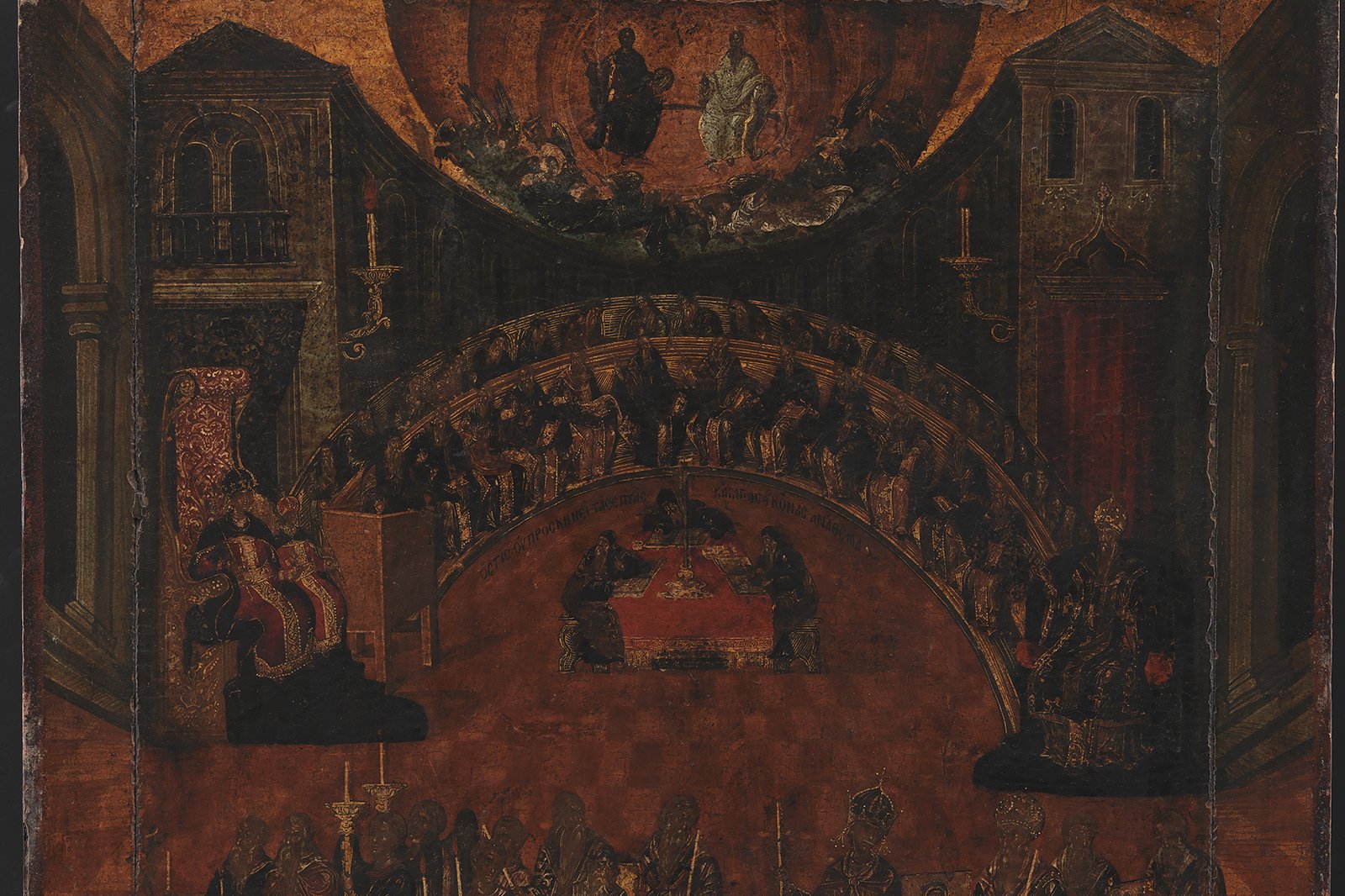
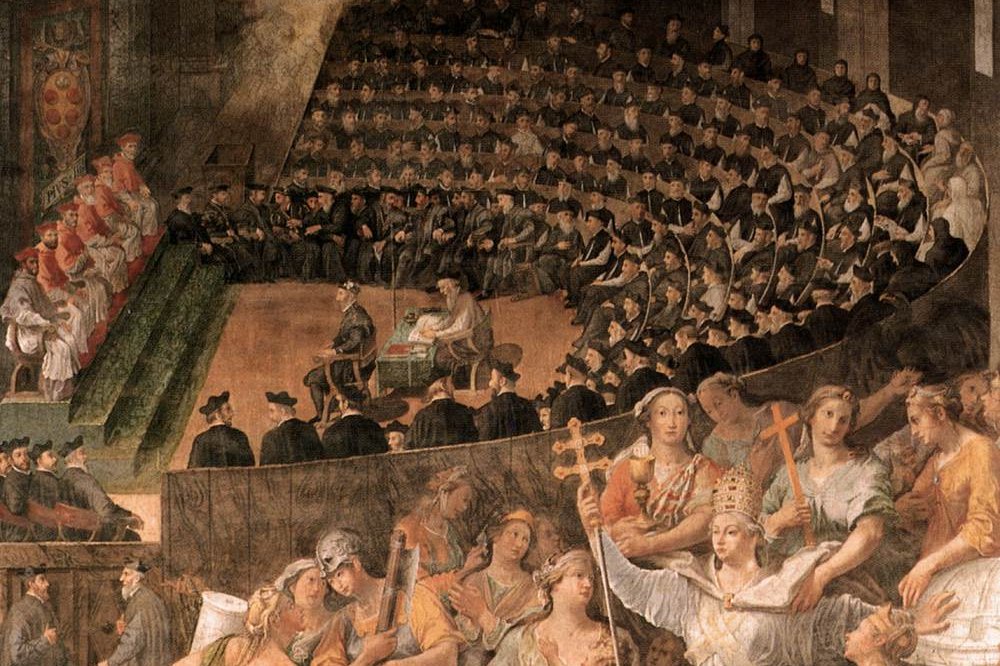
Unknown artist, The Council of Nicaea A.D. 787, Statens Museum for Kunst — public domain.
What divided Christianity in the first place
Christian unity fractured gradually, through several major historical ruptures. The Eastern Catholic Churches article on this site covers one major branch of that history in more depth, but broadly: the Great Schism of 1054 formally split Western (Latin) and Eastern (Orthodox) Christianity over a combination of theological disputes, questions of papal authority, and centuries of growing cultural and political distance between Rome and Constantinople. The Protestant Reformation of the 16th century then fractured Western Christianity further, as reformers including Martin Luther, John Calvin, and others broke from Rome over disagreements about justification, the authority of Scripture versus Church tradition, and the nature of the sacraments — divisions that have themselves continued splintering into thousands of distinct Protestant denominations in the centuries since.
What the Catholic Church actually teaches about it
It's essential to be precise here, because ecumenism is sometimes misunderstood, in both directions, as either indifferent relativism ("all churches are basically the same") or as a subtle strategy for absorbing other Christian communities back into Catholicism on Catholic terms alone. Official Catholic teaching is more careful than either caricature.
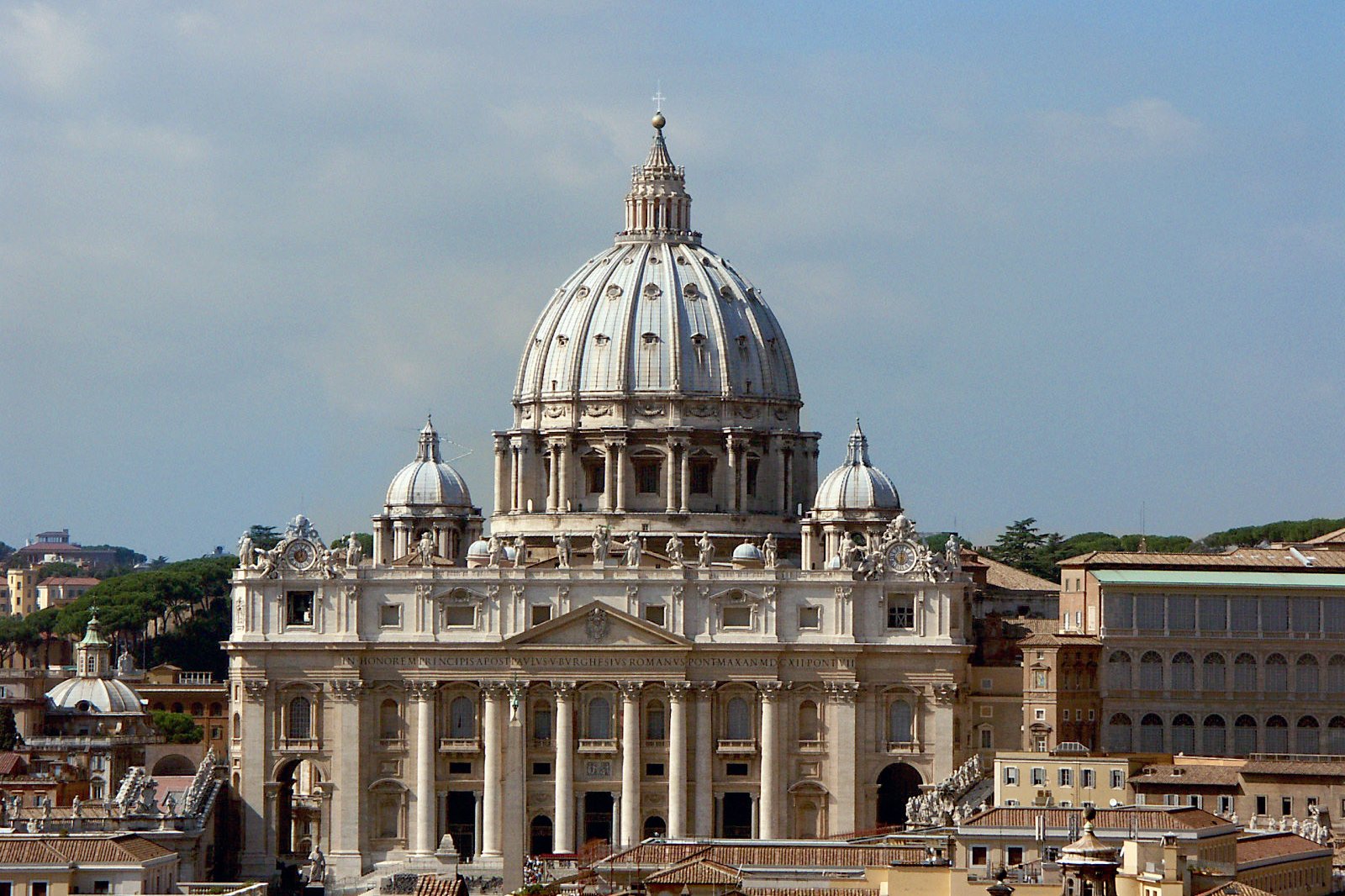
The Church teaches that the one Church Christ founded, with the fullness of the means of salvation, "subsists in" the Catholic Church — language deliberately chosen at the Second Vatican Council to affirm the Catholic Church's unique identity while still recognizing that other Christian communities possess real, genuine "elements of sanctification and truth" outside the Catholic Church's visible structure. Baptized Christians in other traditions are described not as outsiders to be won over through negotiation, but as true, if imperfectly united, brothers and sisters in Christ. Ecumenism, in this framework, doesn't ask Catholics to treat doctrinal differences as unimportant — it asks them to pursue unity honestly, through genuine dialogue, shared prayer, and mutual charity, without papering over what remains genuinely unresolved.
From caution to active pursuit: the Second Vatican Council
For centuries after the Reformation, the Catholic Church's posture toward other Christian communities tended toward caution and, at times, open suspicion, shaped by the real conflicts of the era. That posture shifted decisively at the Second Vatican Council (1962-1965), which issued a dedicated decree on the subject, Unitatis Redintegratio ("Restoration of Unity"), formally committing the Catholic Church to active, ongoing ecumenical engagement as a genuine priority rather than a peripheral concern. The council explicitly acknowledged the Catholic Church's own share of historical responsibility for Christian division, a notable and, at the time, striking admission from an official Church document.
Since the council, ecumenical dialogue has produced real, substantive results, even short of full reunion. The 1999 Joint Declaration on the Doctrine of Justification, signed by the Catholic Church and the Lutheran World Federation, formally resolved centuries of mutual condemnation on one of the Reformation's most divisive theological questions, with both sides affirming they no longer considered the historic condemnations on that specific doctrine to apply to each other's current teaching. Regular formal dialogues also continue between the Catholic Church and the Eastern Orthodox Churches, the Anglican Communion, and numerous other Christian bodies.
What ecumenism is not
Ecumenism is not the same thing as interreligious dialogue, a related but distinct Catholic effort concerning relations with entirely different world religions such as Judaism, Islam, and Buddhism — ecumenism specifically concerns relationships among Christian communities that share belief in Christ and baptism. It's also not, in Catholic teaching, a synonym for doctrinal indifferentism — the idea that specific Church teachings don't really matter as long as everyone loves Jesus in their own way. The Catholic Church continues to teach and defend its own doctrine fully while pursuing ecumenical relationships; the two commitments are meant to coexist, not cancel each other out.
Unity still unfinished
Full visible unity among all Christians has not been achieved, and Catholic teaching is honest that it may not be achieved within any foreseeable timeframe — the divisions run deep, touching real questions of authority, sacraments, and doctrine that decades of dialogue haven't fully resolved. What has changed, decisively, since the mid-20th century is the posture: from communities that once mostly avoided or condemned each other to communities that now pray together, study together, and work together on shared concerns, even while remaining honestly divided on real theological ground. That, in the Catholic Church's own understanding, is what it means to take Christ's prayer in John 17 seriously without pretending the work of answering it is already finished.
Trivia
What does ecumenism mean?
Does ecumenism mean the Catholic Church believes all Christian denominations are equally true?
What is the difference between ecumenism and interreligious dialogue?
When did the Catholic Church formally embrace ecumenism?
Has ecumenism led to any Christian churches reuniting with Rome?
Related Reading