Jericho and Zacchaeus's Sycamore Tree

The oldest city on Jesus's road
Jericho sits in the low, hot depression of the Jordan Valley, well below sea level, and it holds a claim few other cities anywhere can match: archaeological evidence points to continuous human settlement there stretching back roughly 11,000 years, making it one of the oldest, if not the oldest, continuously inhabited cities on earth. Long before it appears in the Gospels, Jericho was already deeply embedded in biblical memory as the first Canaanite city the Israelites conquered after crossing the Jordan under Joshua's leadership, its walls said to have collapsed after seven days of the Israelites marching around the city with the Ark of the Covenant (Joshua 6).
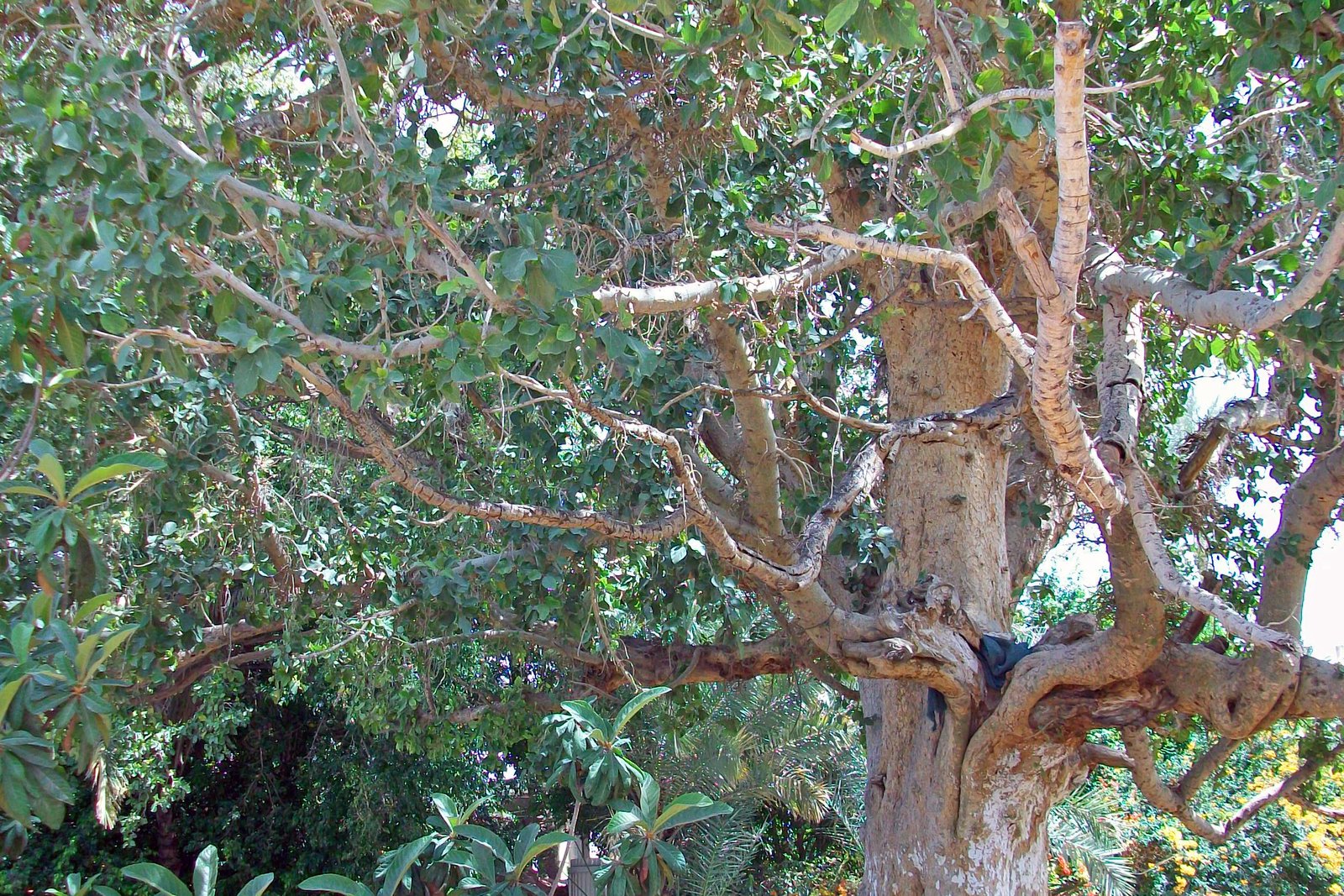
Photograph by Daniel Case, Tree of Zacchaeus, Jericho, West Bank -- CC BY-SA 3.0, Wikimedia Commons.
By the time of Jesus's ministry, Jericho was a prosperous city on a major trade and pilgrimage route, sitting on the road that connected Jerusalem to the Jordan Valley and points east — a road travelers, including Jesus himself according to Luke's account, regularly passed along on their way up to Jerusalem for major feasts.
A short man in a tall tree
Luke's Gospel places one of its most vivid character sketches in Jericho: the story of Zacchaeus, described as "Now a man there named Zacchaeus, who was a chief tax collector and also a wealthy man," (Luke 19:2). Tax collectors in first-century Judea occupied a particularly despised social position — they worked under contract to the Roman occupying authority, collecting duties from their own countrymen, and the system was widely associated with extortion, since collectors were permitted to charge above what Rome required and pocket the difference. As a chief tax collector, overseeing others beneath him, Zacchaeus would have been especially wealthy, and especially resented.
When Jesus passes through Jericho with a large crowd following him, Zacchaeus wants to see him — but Luke notes a small, almost comic obstacle: "was seeking to see who Jesus was; but he could not see him because of the crowd, for he was short in stature." (Luke 19:3). Rather than give up, Zacchaeus runs ahead and climbs a sycamore tree along the road to get a clear view over the crowd — an undignified move for a wealthy, socially prominent man, and one that underscores just how badly he wanted to see Jesus.
"Today I must stay at your house"
What happens next surprises everyone present, Zacchaeus most of all. Jesus stops beneath the tree, looks up, and speaks to him directly: "Zacchaeus, come down quickly, for today I must stay at your house" (RSV-CE, Luke 19:5). The crowd's reaction is immediate and unfavorable — "they began to grumble, saying, 'He has gone to stay at the house of a sinner'" (Luke 19:7), a reaction consistent with the broader pattern in Luke's Gospel of religious observers objecting to Jesus's willingness to associate with people considered morally or socially disreputable.
Zacchaeus's response is the real turning point of the story. Standing before Jesus, he makes an extraordinary public pledge: "Behold, half of my possessions, Lord, I shall give to the poor, and if I have extorted anything from anyone I shall repay it four times over" (Luke 19:8) — a restitution well beyond what Jewish law required for such offenses. Jesus responds by declaring, "Today salvation has come to this house because this man too is a descendant of Abraham" (Luke 19:9), a statement of acceptance that reframes Zacchaeus's identity not around his despised profession but around his repentance and his place within God's covenant people. The episode connects thematically to a related story remembered in this same region: the account of Zacchaeus in the tree is often read alongside Jesus's broader Gospel pattern of seeking out those on the margins of social respectability.
A tree still standing
Local tradition in modern Jericho points to a large, aged sycamore tree still growing in the city and popularly associated with the Gospel story — a living landmark that draws visitors curious to stand beneath a tree connected, at least by long-held local memory, to Zacchaeus's climb. As with many such tree traditions found at biblical sites across the region, the specific historical continuity between any living tree today and the exact tree described in Luke's first-century account cannot be verified with certainty; sycamore trees, however, are notably long-lived and capable of surviving many centuries, which lends the tradition at least plausible grounding even where firm proof is unavailable.
Jericho today
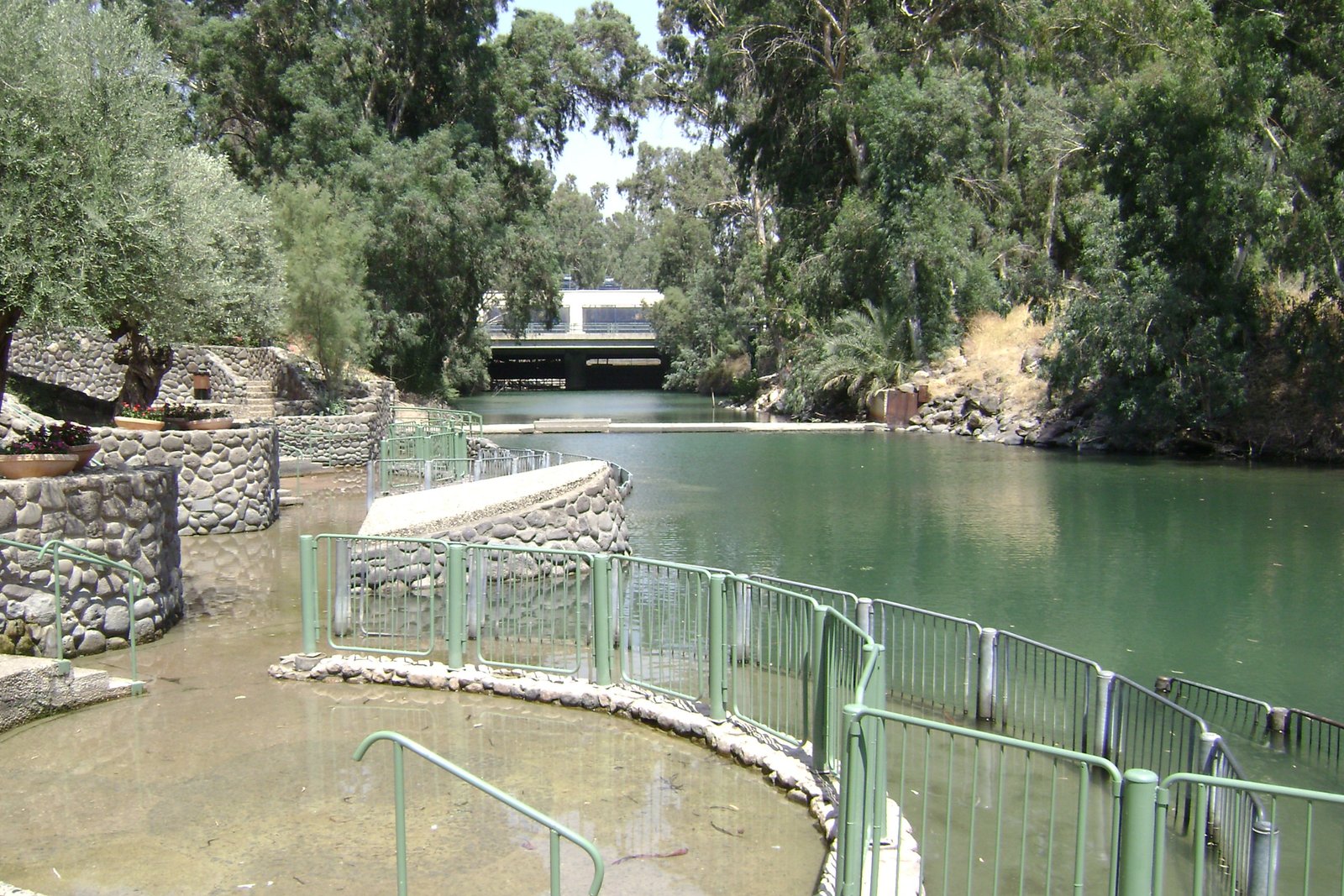
Modern Jericho, administered as part of the Palestinian Authority, remains an inhabited city and a significant stop on Christian pilgrimage routes through the Jordan Valley, often visited in conjunction with the nearby traditional Jordan River baptism site and the Mount of Temptation, where tradition places Jesus's forty days of fasting. Archaeological excavation at nearby Tel es-Sultan has uncovered extensive layers of the ancient city's long history, offering visitors a tangible sense of just how far back Jericho's story reaches — back well beyond Joshua's conquest, and continuing forward past Zacchaeus's tree to the present day.
Trivia
Who was Zacchaeus and what happened to him in Jericho?
Why was Zacchaeus disliked by his community?
Is there still a sycamore tree associated with Zacchaeus in Jericho?
Why is Jericho historically significant beyond the New Testament?
What did Jesus mean by saying salvation had come to Zacchaeus's house?
Related Reading