Saint Gregory VII, Pope

From monk's advisor to pope
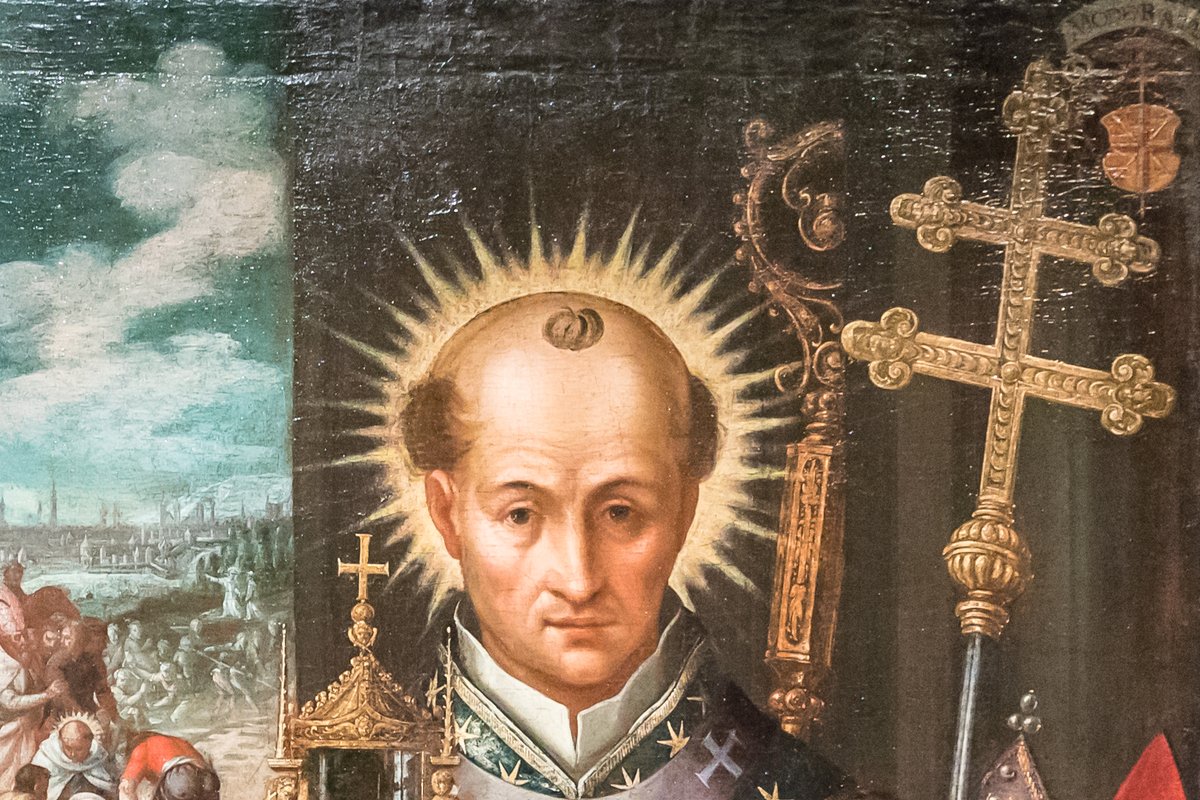
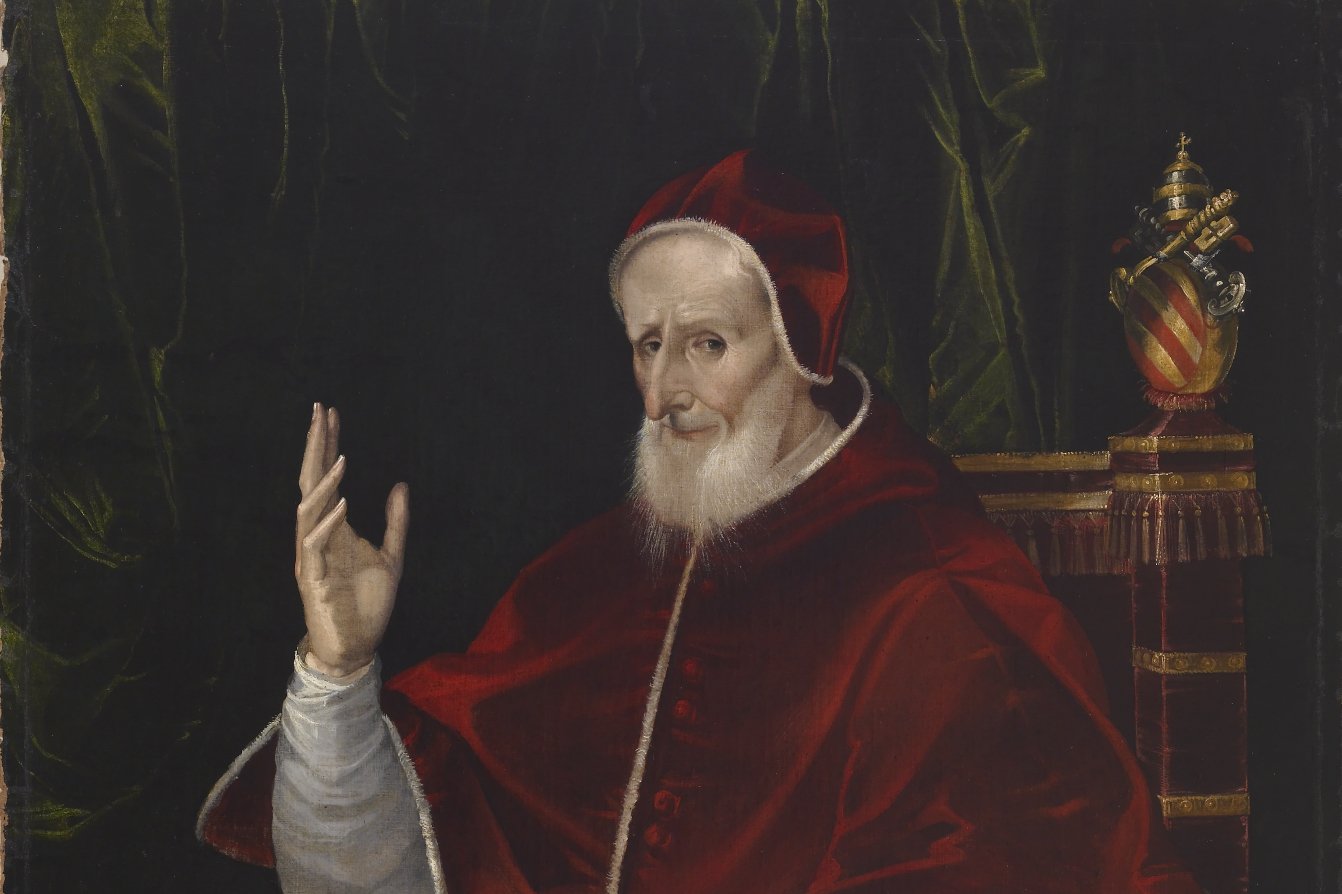
Gregory VII was born Hildebrand around the year 1015 in the Tuscan town of Sovana, into a family of modest means. He was educated in Rome, reportedly at a monastery on the Aventine Hill, and spent years in the service of the papal court, working closely under several successive popes as an advisor, administrator, and reformer well before his own election. This long apprenticeship mattered: by the time Hildebrand himself became pope in 1073, he had already spent roughly two decades shaping papal policy from behind the scenes, and arrived at the office with a fully formed reform agenda rather than improvising one after his election.
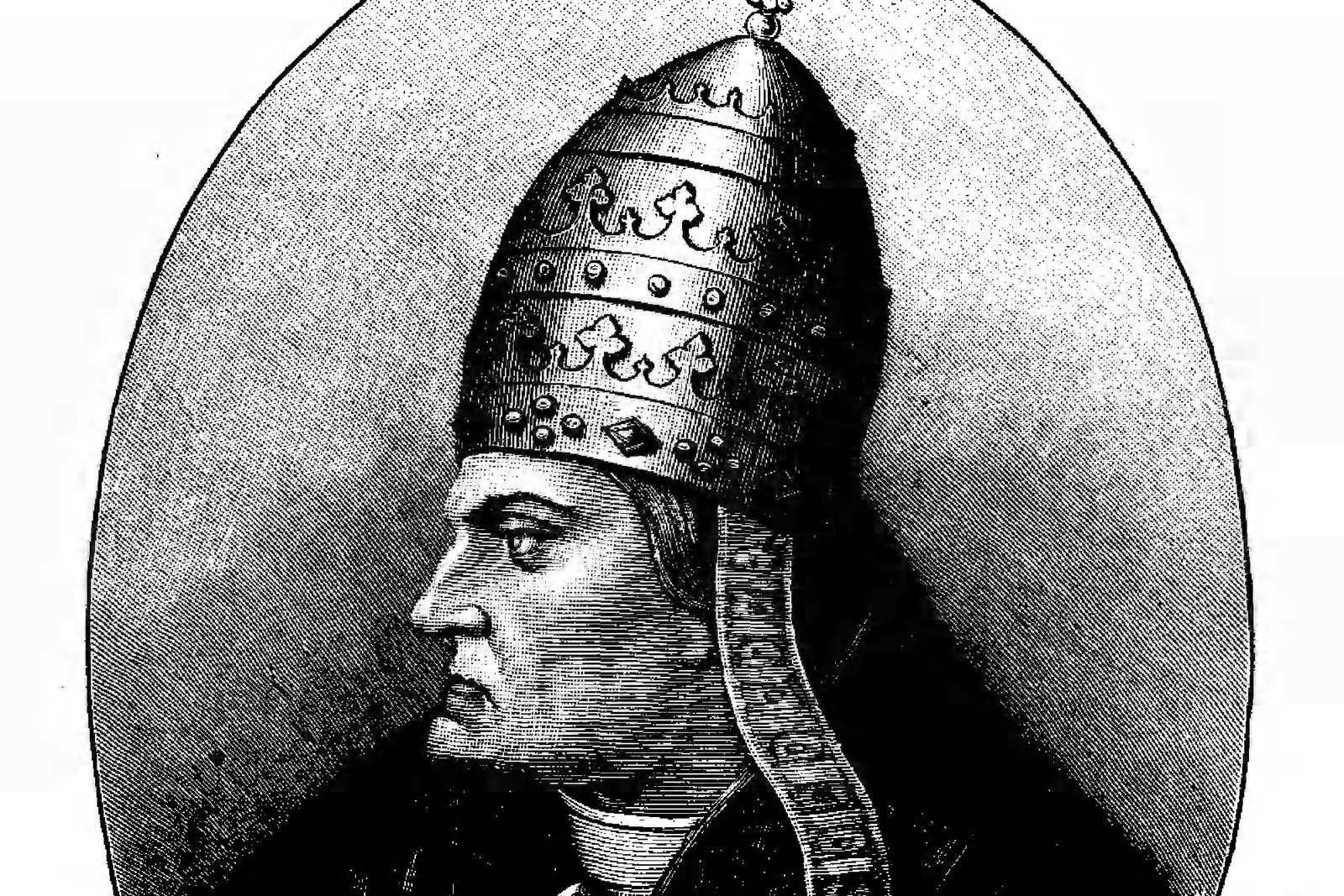
Anonymous 19th-century engraving, "Grigoriy VII," 1891 — public domain
His election itself was unusual in its manner. According to contemporary accounts, the Roman clergy and people acclaimed him pope by popular demand during the funeral of his predecessor, Pope Alexander II, rather than through the more formal deliberative process that later became standard — a detail later writers sometimes used, fairly or not, to question the formal regularity of his elevation. He took the name Gregory VII, and almost immediately set to work on the two problems that would define his entire pontificate: simony and lay investiture.
Ending the sale of sacred office
Simony — the buying or selling of church offices, sacraments, or spiritual authority, named after Simon Magus in Acts 8:18-24, who tried to purchase the power of the Holy Spirit from the apostles — had become disturbingly common in the medieval Church. Bishoprics and abbacies were frequently sold outright or granted in exchange for political loyalty, producing clergy chosen for wealth or connections rather than fitness for spiritual leadership. Gregory treated this as a corruption striking at the Church's very core, not a minor administrative abuse, and pursued its elimination aggressively through councils, decrees, and, where necessary, the discipline or removal of offending clergy.
Closely tied to this was the practice of lay investiture — the custom, deeply entrenched across medieval Europe, by which kings and emperors personally granted bishops and abbots the ring and staff symbolizing their spiritual office, often as part of a broader system in which secular rulers effectively controlled who held major Church positions within their territory. Gregory held that this arrangement subordinated the Church's spiritual mission to secular political interests, and he moved decisively to reserve the investiture of bishops to the Church alone — a claim that placed him on a direct collision course with the most powerful ruler in Western Christendom, the Holy Roman Emperor Henry IV.
Canossa, and the limits of a famous victory
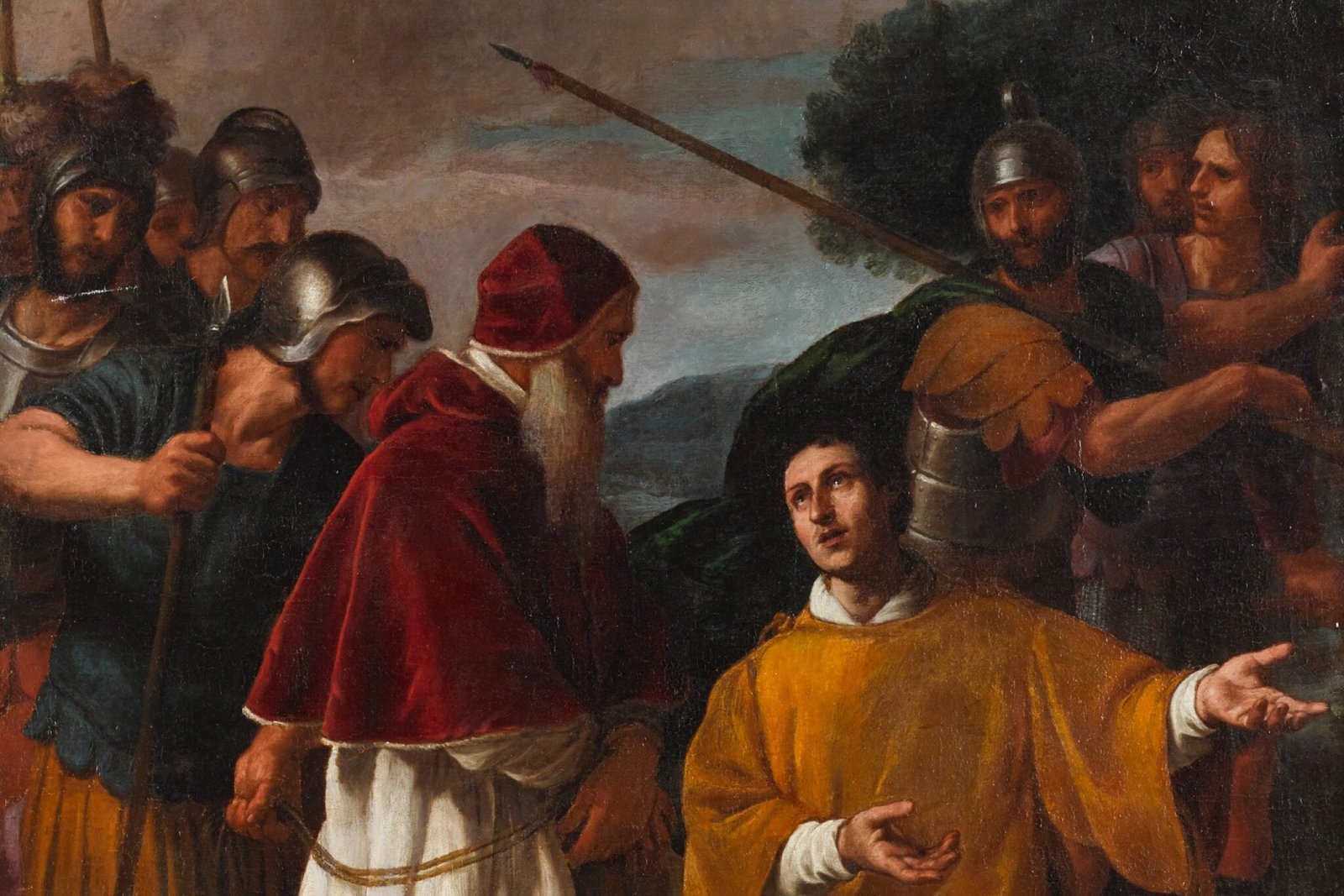
The conflict came to its most dramatic public moment in the winter of 1076-1077. After Henry IV convened a synod of German bishops that declared Gregory deposed, Gregory responded by excommunicating Henry and releasing his subjects from their oath of loyalty to him — a move with severe political consequences, since it emboldened German nobles already restless under Henry's rule. Facing the real possibility of losing his throne, Henry made a calculated decision: he traveled south across the Alps in harsh winter conditions to Canossa Castle, where Gregory was staying, and, according to tradition, waited outside for three days in the dress of a penitent before Gregory agreed to receive him and lift the excommunication.
Canossa has endured in popular memory as a moment of total papal triumph over imperial power, but the reality was considerably messier. Henry's penance secured him readmission to the Church and blunted his domestic political crisis, but it did not settle the underlying investiture dispute, which continued to simmer for years. The two men's relationship deteriorated again, and Henry eventually marched on Rome itself, installing a rival, imperially backed antipope and forcing Gregory to flee the city with the help of Norman allies. Gregory spent his final months in exile in Salerno, where he died in 1085. He is reported to have said near the end, "I have loved justice and hated iniquity, therefore I die in exile" — a line that later Catholic tradition has treated as capturing, however he actually phrased it in his final days, the animating conviction of his entire pontificate.
The Dictatus Papae and a reshaped papacy
Among the most striking documents associated with Gregory's reign is a list known as the Dictatus Papae, twenty-seven terse statements on papal authority recorded in his official register around 1075. They assert, among other claims, that the Roman pontiff alone may depose or restore bishops, that he alone may use the imperial insignia, and that "the Roman Church has never erred, nor will it err to all eternity, the Scripture bearing witness." Historians continue to debate exactly how the document was meant to function — whether as a formal legal program, a set of talking points for canonical research, or something closer to private notes — but regardless of its precise original purpose, it expresses with unusual bluntness the scope of authority Gregory believed the papal office rightly carried.
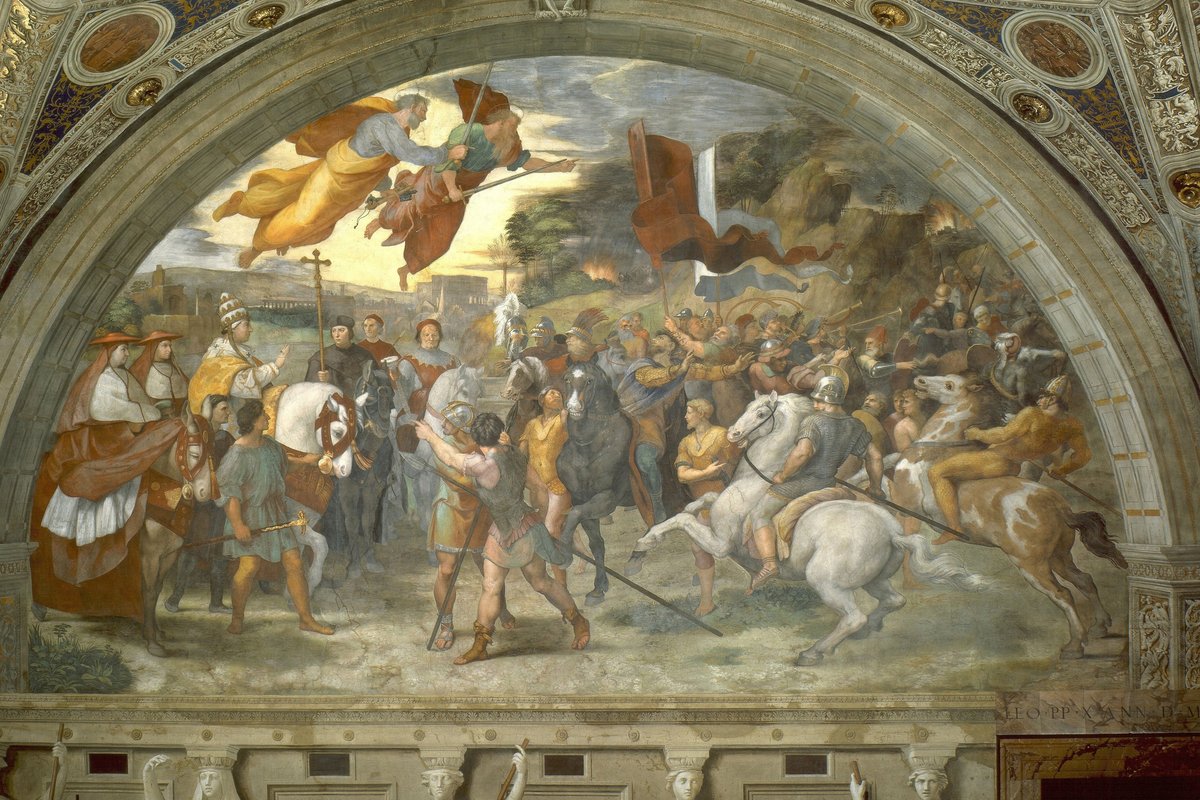
The investiture controversy Gregory launched did not conclude in his own lifetime; it was finally settled by compromise in the Concordat of Worms in 1122, decades after his death, which separated the spiritual investiture of bishops (reserved to the Church) from the granting of secular land and authority (retained by rulers). Even so, Gregory's pontificate is generally regarded by historians as the decisive turning point after which the medieval papacy operated as a genuinely independent spiritual authority rather than an institution subordinate to royal or imperial patronage — a shift so significant that the broader reform movement he championed is still known to historians as the Gregorian Reform. He was canonized in 1728, and his feast falls on May 25. Readers interested in other reforming figures within the medieval Church, including popes who similarly worked to strengthen ecclesiastical independence and discipline, may also want to read about Pope Leo the Great, whose own decisive exercise of papal authority centuries earlier helped establish the precedents Gregory would later build upon.
Trivia
Who was Pope Gregory VII?
What was the investiture controversy, and why did it matter so much?
What actually happened at Canossa in 1077?
What is the 'Dictatus Papae'?
How did Gregory VII's papacy end, and what is his feast day?
You May Also Like
Related Reading