Saint Sixtus II, Pope, and Companions, Martyrs

A pope elected between two storms
Sixtus II became bishop of Rome in August 257, stepping into the role during a brief lull between two of the third century's harshest waves of persecution against Christians. The Decian persecution of the early 250s had already tested and, in many cases, fractured Christian communities across the empire, forcing thousands of believers to choose between public sacrifice to the Roman gods and the loss of property, freedom, or life. Many Christians had lapsed under that pressure, and the question of what to do with them afterward, whether and how they could be readmitted to communion, had opened a bitter and lasting controversy inside the Church.
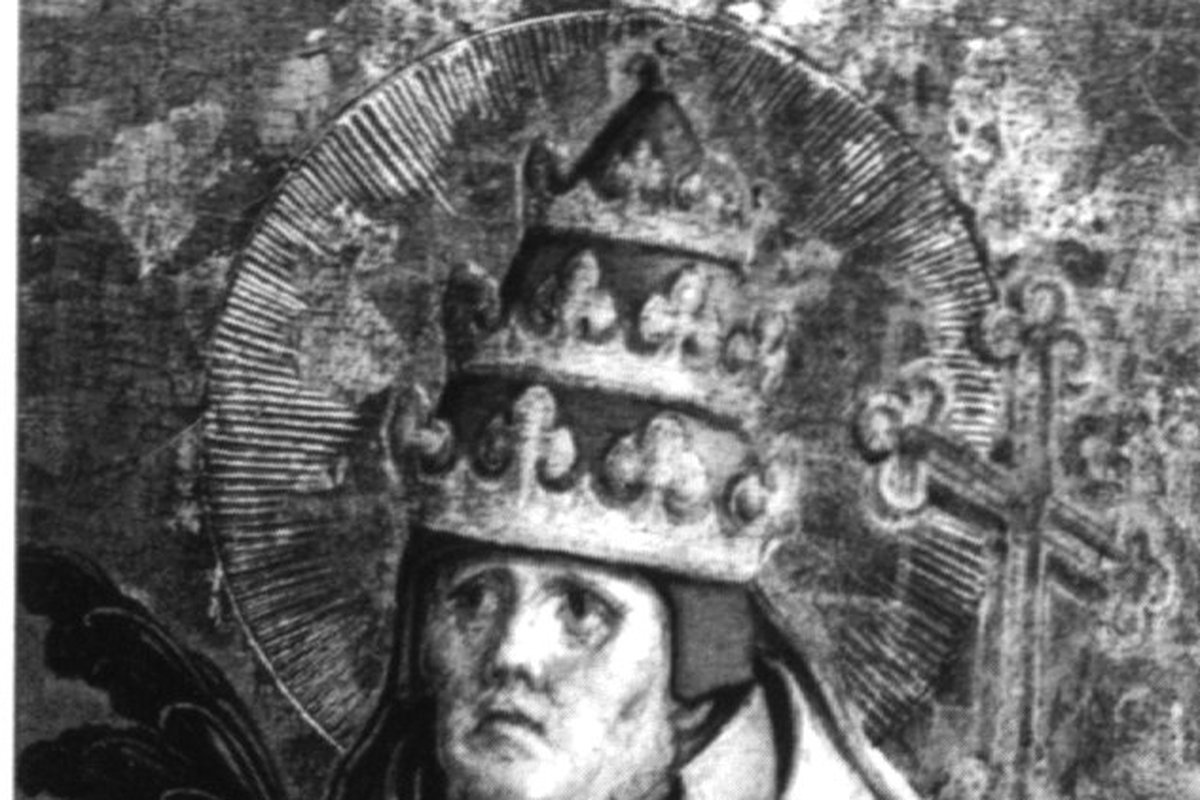
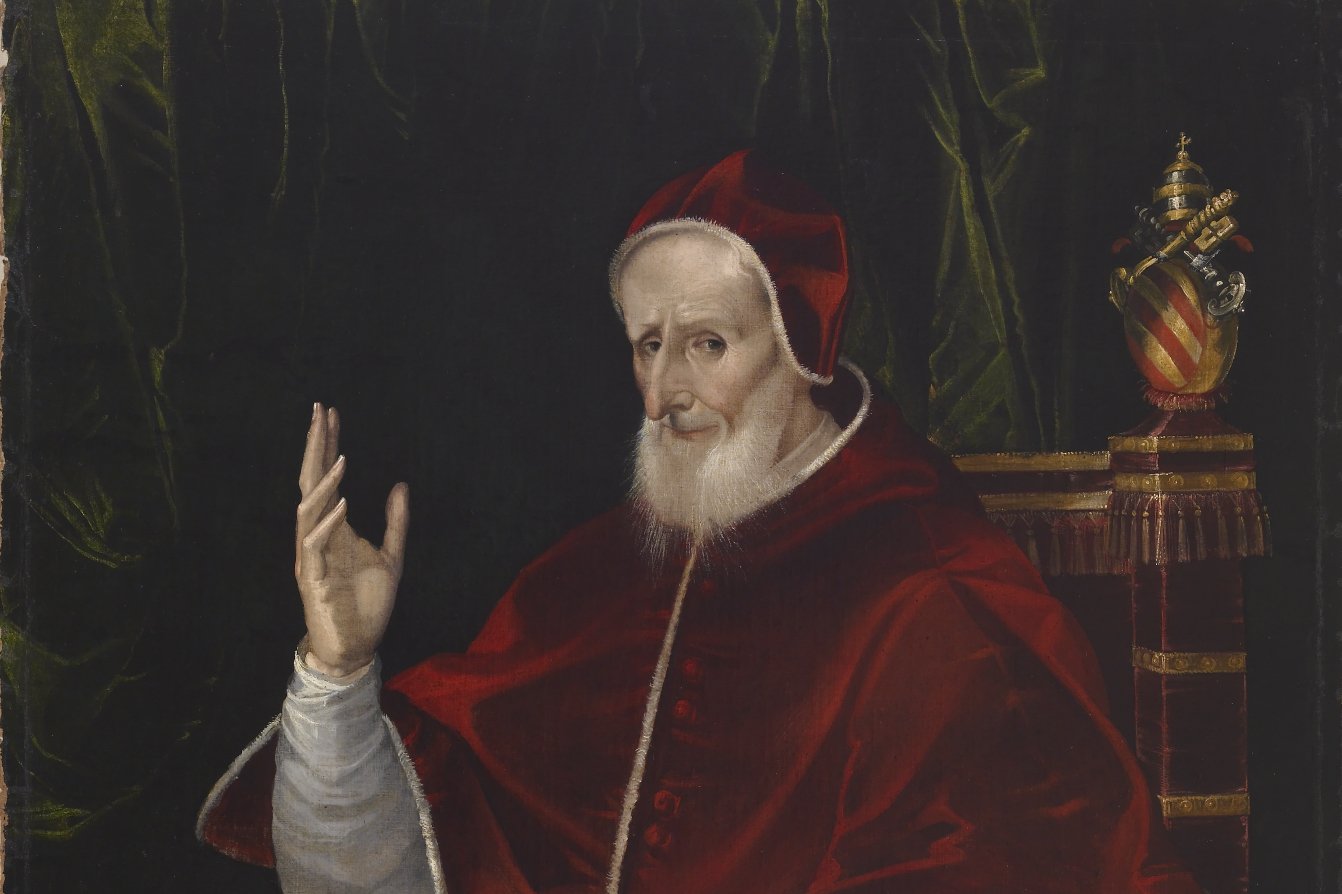
Anonymous, Roman School, 17th century, portrait of Pope Sixtus II — public domain.
That controversy had grown sharp enough to divide Rome from the churches of North Africa, particularly the community led by Cyprian of Carthage, over the specific question of whether bishops who had lapsed and been rebaptized by schismatic groups could validly baptize others, and whether such converts needed to be rebaptized upon returning to the Catholic Church. Sixtus II, by most surviving accounts, worked during his short papacy to repair that rift, exchanging letters with Cyprian and easing tensions that had threatened to split Roman and African Christianity into open schism. It is one of the ironies of his brief tenure that a pope remembered chiefly for his martyrdom is also remembered, by scholars of the period, as something of a peacemaker among quarreling bishops.
The edict that killed him
That interval of relative calm ended in 257, when the emperor Valerian issued a first edict restricting Christian assembly and ordering clergy to participate in state-sanctioned religious rites or face exile. A second and far harsher edict followed in 258, this one ordering the immediate execution of bishops, priests, and deacons, along with the confiscation of property and possible execution of prominent Christian laypeople who refused to comply. Valerian's motives appear to have combined religious conservatism with more practical anxieties about wartime unity and treasury needs during a period of severe military pressure on Rome's eastern frontier, but whatever the underlying calculation, the effect on Christian clergy was immediate and lethal.
Sixtus was among the first casualties of the new edict. On August 6, 258, he was presiding at a liturgical gathering in the catacomb of Praetextatus along the Appian Way outside Rome, catacombs then serving as one of the relatively safe, if still risky, places for Christians to bury their dead and gather for worship away from public view. Roman soldiers found him there and executed him on the spot, along with four of his seven deacons, reportedly beheading him while he sat in the chair from which he had been teaching. Two more of his deacons were killed within days at other locations around the city.
Lawrence's four days
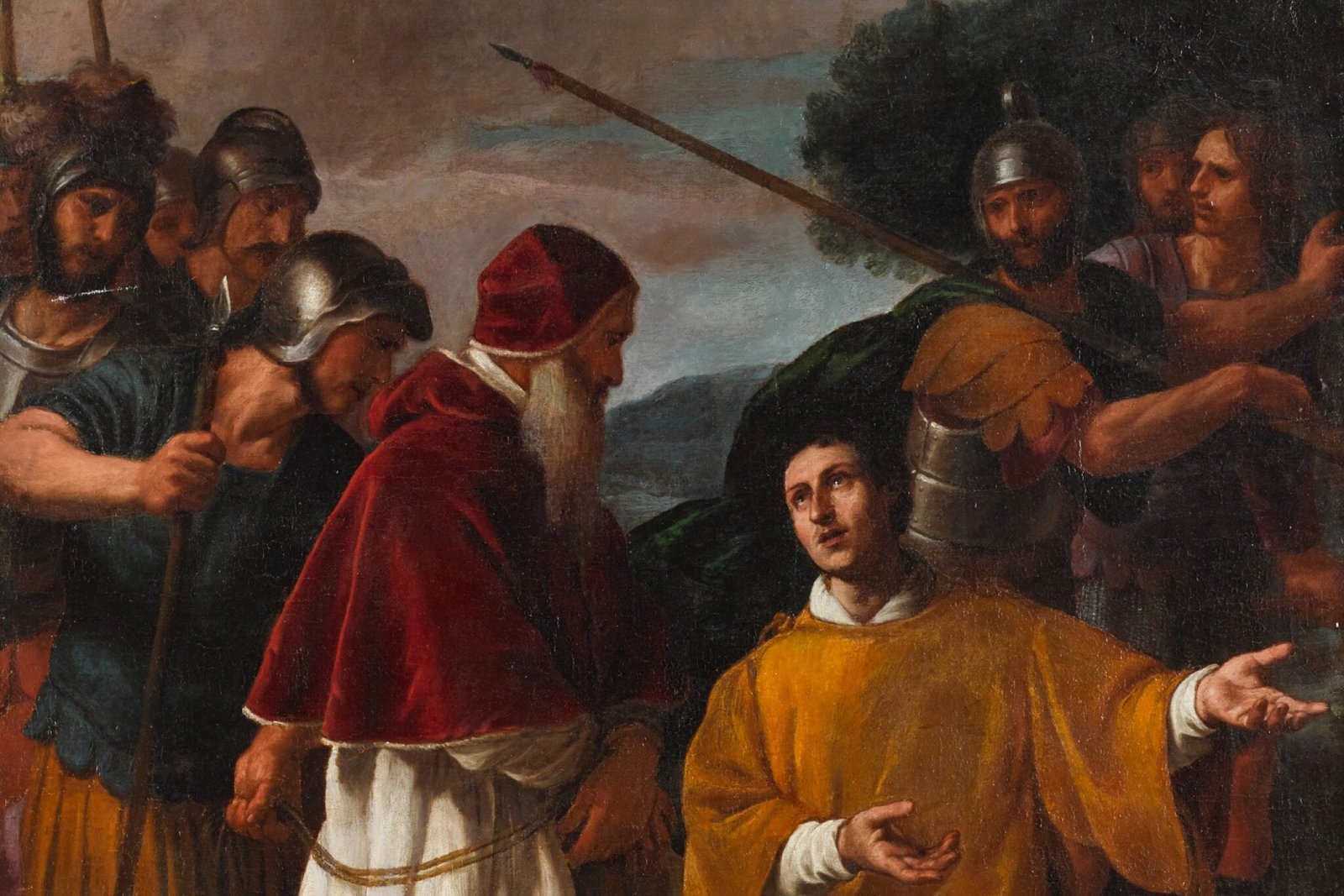
Among the deacons who escaped that first raid was Lawrence, the most senior of Rome's seven deacons and the man entrusted with administering the material resources of the Roman church, including its funds for the relief of the poor. Tradition, recorded by later writers including Saint Ambrose within a few decades of the events, holds that Lawrence followed Sixtus as he was being led to his execution, distraught at being separated from the pope he had served. Sixtus is said to have told him not to grieve, since Lawrence himself would follow him within three days.
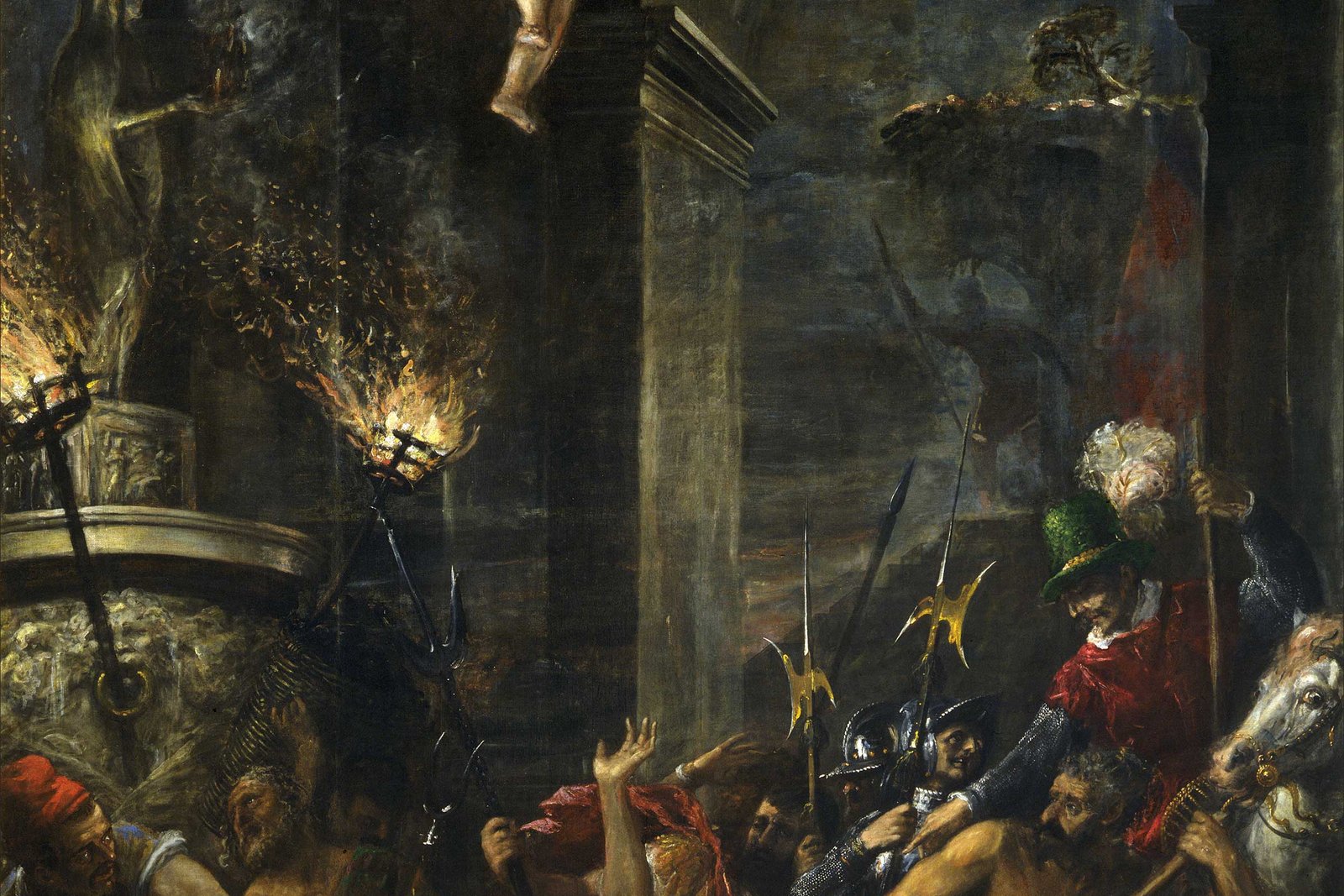
Whether or not that specific exchange occurred exactly as later writers described it, the timeline that followed is well attested: Roman authorities, aware that Lawrence controlled the church's financial resources, gave him three days to hand over the treasures of the Church. Lawrence spent those days distributing what funds and goods he had among Rome's poor and sick, then presented the assembled beggars, widows, and disabled to the prefect as the true treasures of the Church he had been asked to produce. He was martyred on August 10, 258, four days after Sixtus, becoming one of the most venerated martyrs in the entire history of the Roman church.
Remembered at the altar
Sixtus II's martyrdom, sudden and public as it was, made a deep and lasting impression on the Roman Christian community, and his name was included among the small number of saints and martyrs listed in the Roman Canon, the ancient Eucharistic prayer that forms the historic core of the Roman Rite Mass and is still prayed today. Few popes from the third century are remembered with such specificity of detail, down to the precise location and manner of death, a testament to how vividly the events of that August in 258 were preserved by the generation that witnessed them.
His feast, kept on August 7, falls just before that of Lawrence on August 10, preserving in the liturgical calendar itself the same close sequence of events that bound pope and deacon together in the final days of both their lives. The catacomb of Praetextatus where he died remains one of the sites of early Christian Rome that continues to draw scholars and pilgrims interested in the physical setting of the persecutions that shaped the early Church.
Trivia
Who was Pope Sixtus II?
How did Sixtus II die?
What was the Valerian persecution?
What is the connection between Sixtus II and Saint Lawrence?
When is the feast of Saint Sixtus II?
You May Also Like

Related Reading