Saint Louise de Marillac

An uncertain start in life
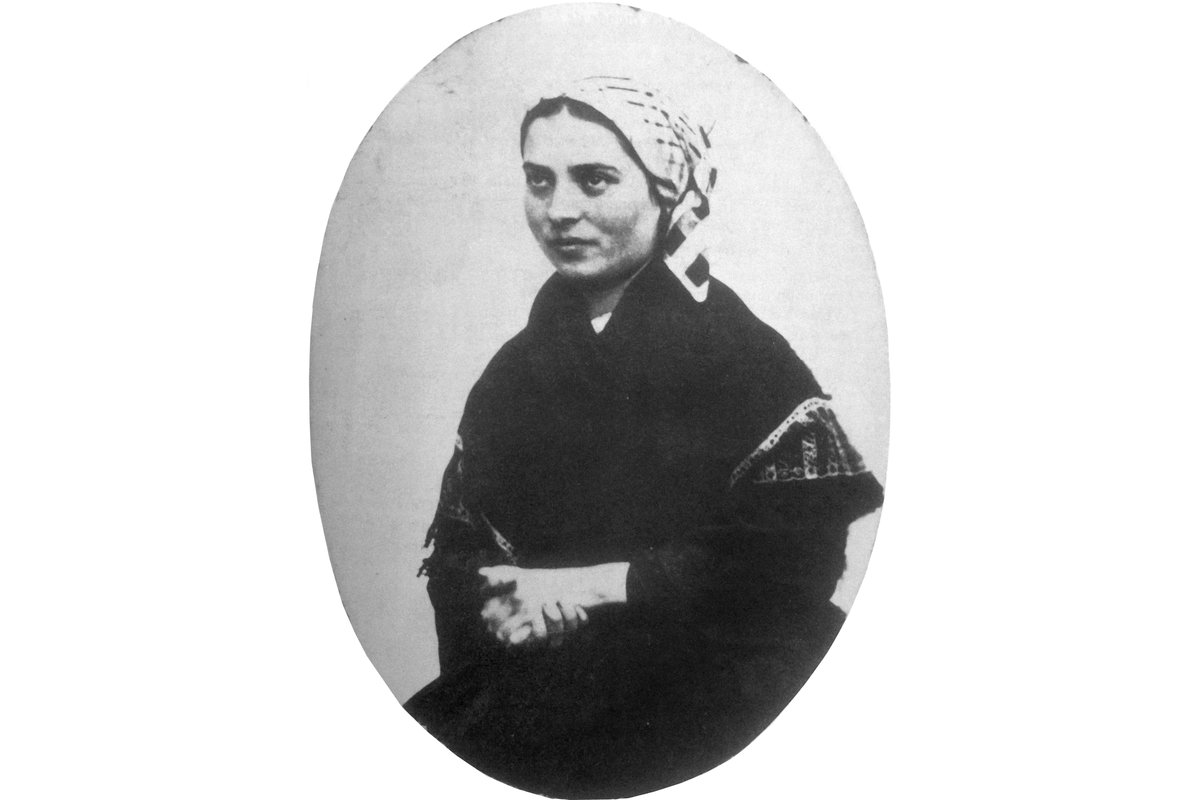
Louise de Marillac was born in Paris in 1591, the illegitimate daughter of Louis de Marillac, a member of a prominent French noble family, and a mother whose identity remains unknown to history. She was raised and educated with real care despite her uncertain social status, spending part of her childhood with Dominican nuns who gave her a solid education, but the circumstances of her birth left a lasting mark on her sense of belonging and self-worth that she referred back to at various points throughout her adult life.
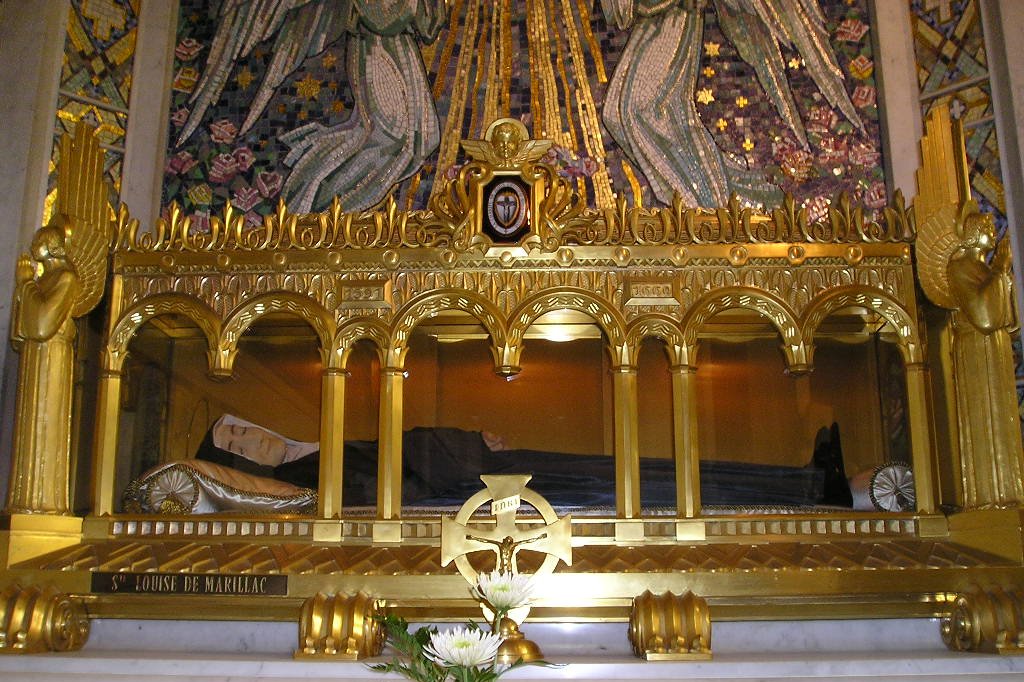
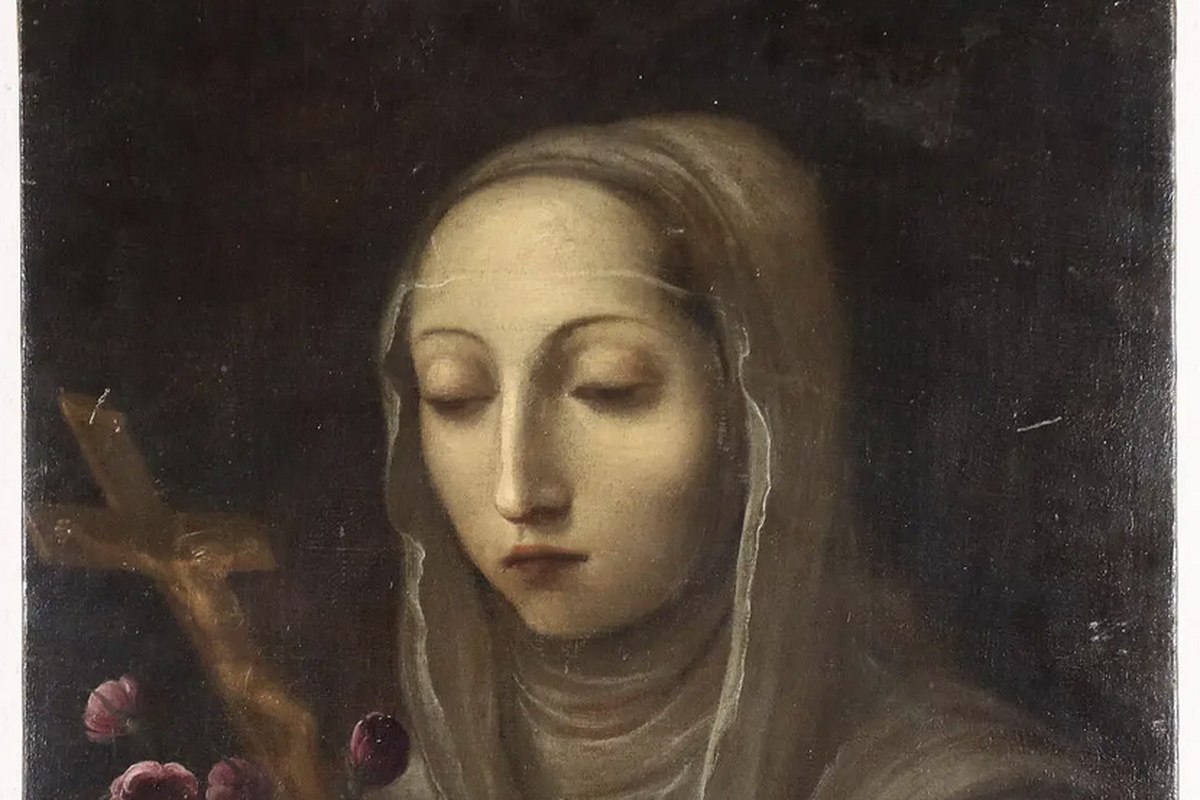
Portrait of Louise de Marillac, devotional image, Wikimedia Commons — public domain.
As a young woman, Louise felt drawn toward religious life and sought to enter the Carmelites — one of the strictest enclosed orders in the Church, following the reformed Carmelite tradition associated with Teresa of Avila — but her spiritual director at the time judged the fragile state of her health, along with practical family obligations, unsuited to that particularly demanding form of religious life, and declined to support her application. It was a painful setback for Louise, who interpreted the rejection, for a time, as evidence that God simply did not want her in consecrated life at all. She instead married Antoine Le Gras, a court official, in 1613, and the couple had one son, Michel, whose ongoing emotional and behavioral struggles would remain a source of worry for Louise for much of her life. Antoine died in 1625 after a long illness, leaving Louise a widow at thirty-four with a difficult adolescent son and no clear sense of what her life was meant to hold next.
An encounter that redirected everything
Not long before her husband's death, Louise had come under the spiritual direction of Vincent de Paul, already known in Paris for his tireless organizing of charitable relief for the rural and urban poor. Vincent had, since 1617, been building up loose networks of laywomen in French parishes — Confraternities of Charity — who volunteered to visit and care for the sick poor in their local communities. These volunteer groups were effective in principle but, in practice, uneven: many of the noblewomen who staffed them had limited time or practical training for sustained, hands-on nursing work, and the confraternities badly needed someone capable of visiting, organizing, and standardizing their efforts across a wide and scattered geography.
Vincent recognized in Louise, still finding her footing after her husband's death, exactly the combination of organizational capacity, personal discipline, and genuine devotion the work required. Beginning in 1629, he sent her on a series of demanding visitation journeys across the French countryside to inspect, encourage, and reorganize local confraternities — grueling travel by the standards of the period, undertaken by a widow with no formal religious training and health that had never been especially robust, but work Louise proved remarkably suited to.
Founding a new kind of religious community
By 1633, it had become clear to both Vincent and Louise that the confraternity model alone could not sustain the scale of charitable work they were envisioning. That year, together with a small group of young women — many of them from rural, working-class backgrounds rather than the noble families who had staffed the earlier confraternities — Louise began forming what became the Daughters of Charity, a genuinely new kind of religious community for its time. Rather than living enclosed behind convent walls in the traditional manner, its members would live actively among the poor, moving freely through the streets and hospitals of the towns where they served, famously described in the community's own early rule as having "for a convent only the houses of the sick, for a cell a hired room, for a chapel the parish church."
This active, mobile model required special ecclesiastical accommodation, since canon law at the time generally presumed that women religious lived under strict enclosure, and it took years of careful negotiation with Church authorities before the Daughters of Charity received full and secure canonical standing. Louise served as the community's first superior, personally training its earliest members, writing detailed formation guidance and rules of life, and traveling extensively to establish and support new local communities as the order expanded rapidly across France during her own lifetime.
Decades of steady, practical leadership
For nearly three decades, until her death, Louise remained deeply and personally involved in nearly every aspect of the growing community's life — managing finances, corresponding with bishops and civil officials over the legal and practical arrangements each new foundation required, and continuing to travel to inspect local houses even as her own health, never strong, declined steadily with age. She and Vincent de Paul worked in close partnership throughout this period, each bringing complementary strengths to a shared project neither could likely have built alone.
Louise died in Paris on March 15, 1660, just months before Vincent de Paul himself. By the time of her death, the Daughters of Charity had grown into a substantial and well-established community with houses across France, the foundation of what would become one of the largest congregations of religious women in the Catholic Church, still active today in dozens of countries. Pope John XXIII canonized her on March 11, 1934, and Pope Paul VI later named her patroness of social workers in 1960, recognizing in her own pioneering, hands-on organizational work a clear forerunner of that modern profession. Her feast is kept on March 15.
Trivia
Who was Saint Louise de Marillac?
Why couldn't Louise de Marillac become a Carmelite nun as she originally wanted?
How did the Daughters of Charity differ from other religious communities of the time?
What practical work did Louise de Marillac personally do?
When was Louise de Marillac canonized?
You May Also Like
Related Reading