Saint Raphael Kalinowski

An engineer swept into a national uprising
Joseph Kalinowski was born in 1835 in Vilnius, then part of the Russian Empire, in a region with a large ethnic Polish population still smarting under nearly a century of partition — the division of the historic Polish-Lithuanian state among Russia, Prussia, and Austria in the late eighteenth century, which had left Poles under Russian rule with limited political and cultural autonomy. Kalinowski trained as a military engineer in St. Petersburg and served for a time as a Russian army officer, a career path taken by many educated Poles of the period who had few other realistic professional options within the empire that governed them.
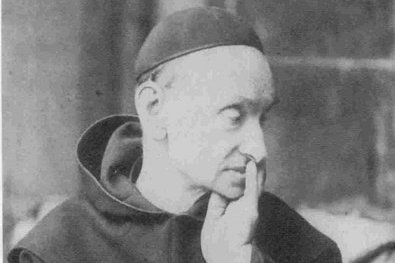
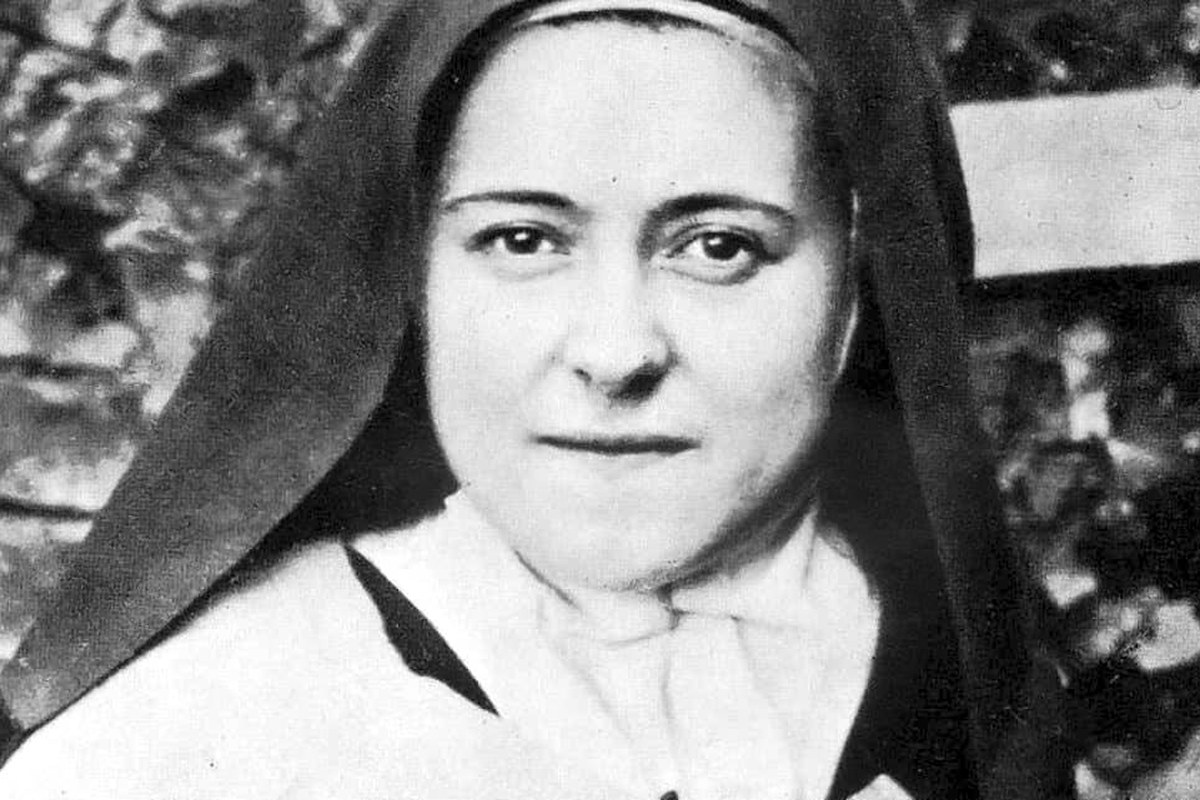
Photograph of Raphael Kalinowski, 1897, Wikimedia Commons — public domain.
In 1863, a major Polish rebellion against Russian rule — the January Uprising — broke out across Russian-controlled Polish territory. Kalinowski resigned his Russian military commission and joined the underground national resistance, eventually serving as its minister of war, a position of real responsibility within a rebellion whose leaders knew from the outset the odds of success against the Russian Empire's military resources were long. The uprising was crushed within roughly a year and a half, and its participants faced severe reprisals from Russian authorities determined to make an example of the rebellion's organizers.
Ten years in Siberia
Kalinowski was arrested and, though originally sentenced to death, had his sentence commuted to ten years of forced labor and exile in Siberia — one of tens of thousands of Poles sent into the Russian imperial penal system in the uprising's aftermath. He served the full decade, from 1864 to 1874, in conditions that were, by any measure, harsh and physically demanding, in a punitive system specifically designed to break both the bodies and the political will of those sent through it.
What distinguishes Kalinowski's account of this period from a simple story of endurance is what he reportedly did with the time. By his own later reflections and the testimony of fellow exiles, he used the years in Siberia to deepen a religious practice that had been comparatively modest before his arrest, and informally took on a role educating and encouraging fellow Polish prisoners, effectively serving as an unofficial spiritual and moral anchor for other exiles in circumstances designed to strip away exactly that kind of solidarity and hope. It was, by most accounts, during this decade of hard labor rather than before it that the foundation of Kalinowski's later vocation to the priesthood was genuinely laid.
A late vocation to Carmel
Released in 1874, Kalinowski spent several years working as a tutor for a Polish noble family in Paris before making a decision that surprised many who had known him as a military man and political figure: at age forty-two, in 1877, he entered the Discalced Carmelites, the reformed branch of the Carmelite order associated with Teresa of Avila and John of the Cross, taking the religious name Raphael. He was ordained a priest in 1882, a comparatively late entry into religious life and ordained ministry by the standards of the period, though one his years in Siberia had, in a real sense, already been preparing him for.
As a Carmelite priest, Kalinowski became particularly known for two things that, on the surface, might seem in tension but in practice reinforced each other. First, he devoted himself to rebuilding and reestablishing Carmelite monastic communities across partitioned Poland, at a time when Russian imperial policy actively restricted and suppressed Catholic religious life in Polish territories under its control — institutional, organizational work requiring real patience and political sensitivity. Second, and perhaps even more central to how those who knew him personally remembered him, he became renowned as a confessor of extraordinary availability and endurance, reportedly spending as much as twelve hours in a single day hearing confessions, a level of sustained pastoral availability that colleagues and penitents alike described as remarkable even among priests known for dedication to that particular ministry.
Death and canonization
Kalinowski died in Wadowice, in Austrian-controlled southern Poland, on November 15, 1907. Devotion to him grew steadily within Polish Carmelite circles over the following decades, sustained in part by the sheer breadth of his life story — military engineer, political prisoner, Siberian exile, and finally Carmelite confessor — which resonated strongly with a Polish Catholic population that had itself endured over a century of partition and periodic suppression before finally regaining independence in 1918, more than a decade after his death.
Pope John Paul II, himself Polish and keenly attentive to figures from his homeland's history of suffering under foreign rule, canonized Raphael Kalinowski on November 17, 1991. His feast is kept on November 15, and he remains especially venerated in Poland as a figure whose path to sanctity ran directly through, rather than around, a decade of political imprisonment few who endured it emerged from with their faith intact, let alone deepened by it.
Trivia
Who was Saint Raphael Kalinowski?
What was the January Uprising, and what role did Kalinowski play in it?
What was Kalinowski's experience in Siberian exile?
Why did Kalinowski become a Discalced Carmelite, and what did that ministry look like?
When was Raphael Kalinowski canonized?
You May Also Like
Related Reading