Saint Rose of Lima

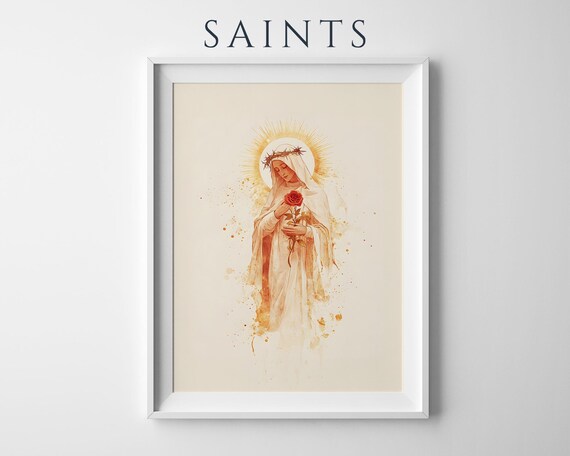
Born into privilege, drawn toward austerity
Rose of Lima was born Isabel Flores de Oliva on April 20, 1586, into a noble but financially struggling family in Lima, then the capital of the Viceroyalty of Peru and one of the wealthiest cities in Spanish colonial South America. She earned the nickname "Rose" as an infant, reportedly because a household servant remarked that her face resembled a rose in bloom, and the name stuck for the rest of her life. From an early age she was drawn toward a spiritual life, deeply influenced by reading about Saint Catherine of Siena, the fourteenth-century Italian mystic who likewise defied her family's wishes to pursue a life consecrated to God. Rose modeled her devotion closely on Catherine's, and, still a young girl, privately vowed perpetual virginity — a decision that put her directly at odds with her mother's hopes for a marriage that might have improved the family's declining finances.
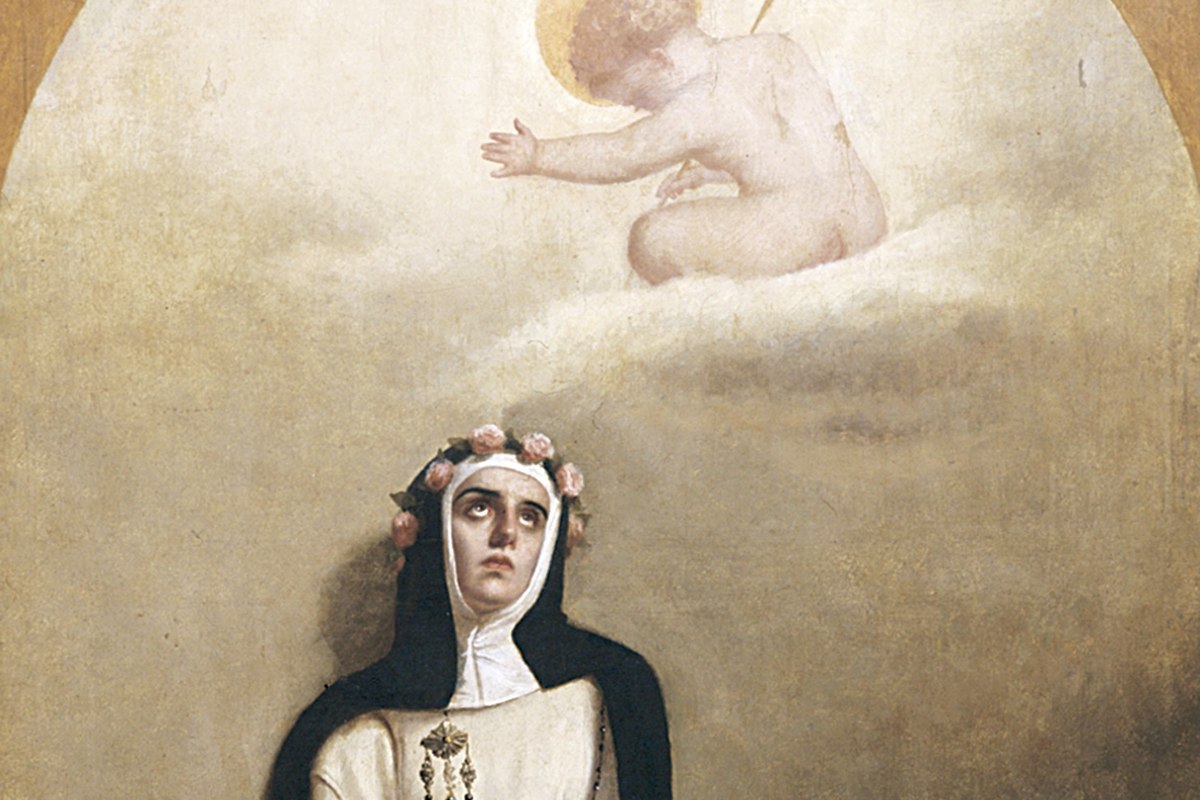
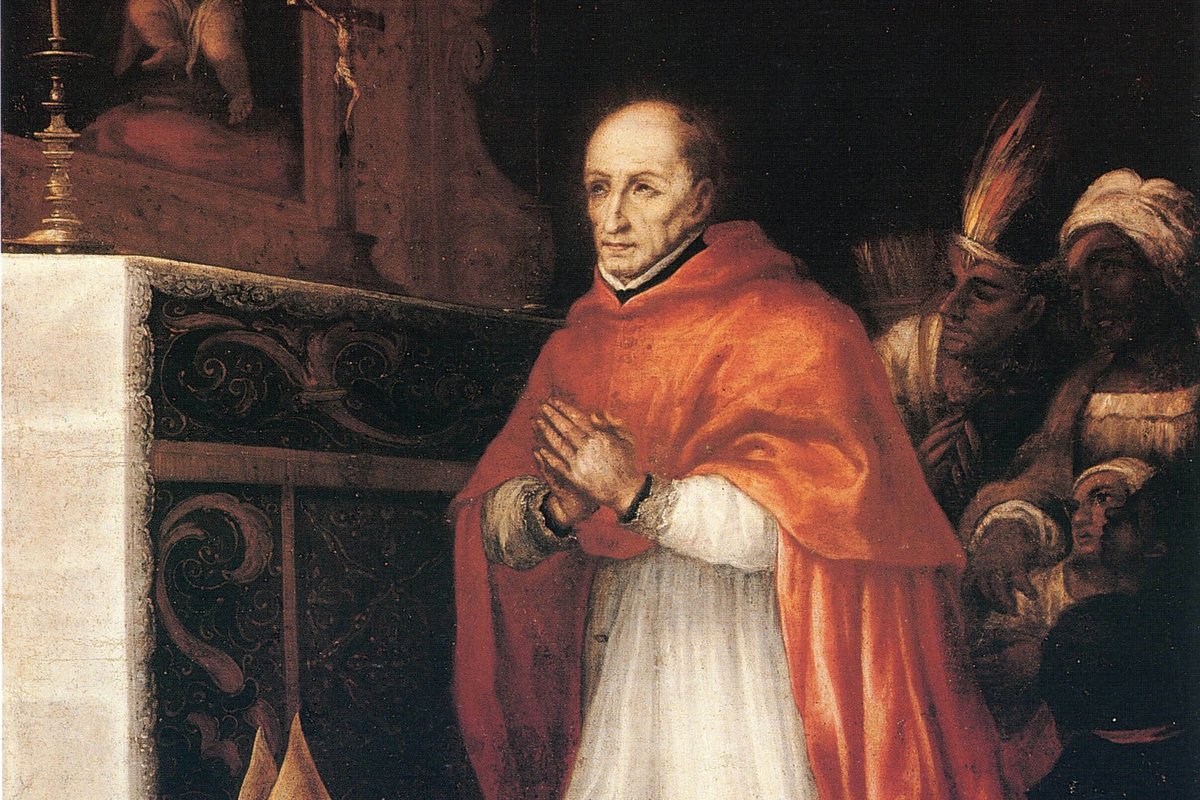
Portrait of Saint Rose of Lima, colonial-era depiction, public domain.
A ten-year resistance to marriage
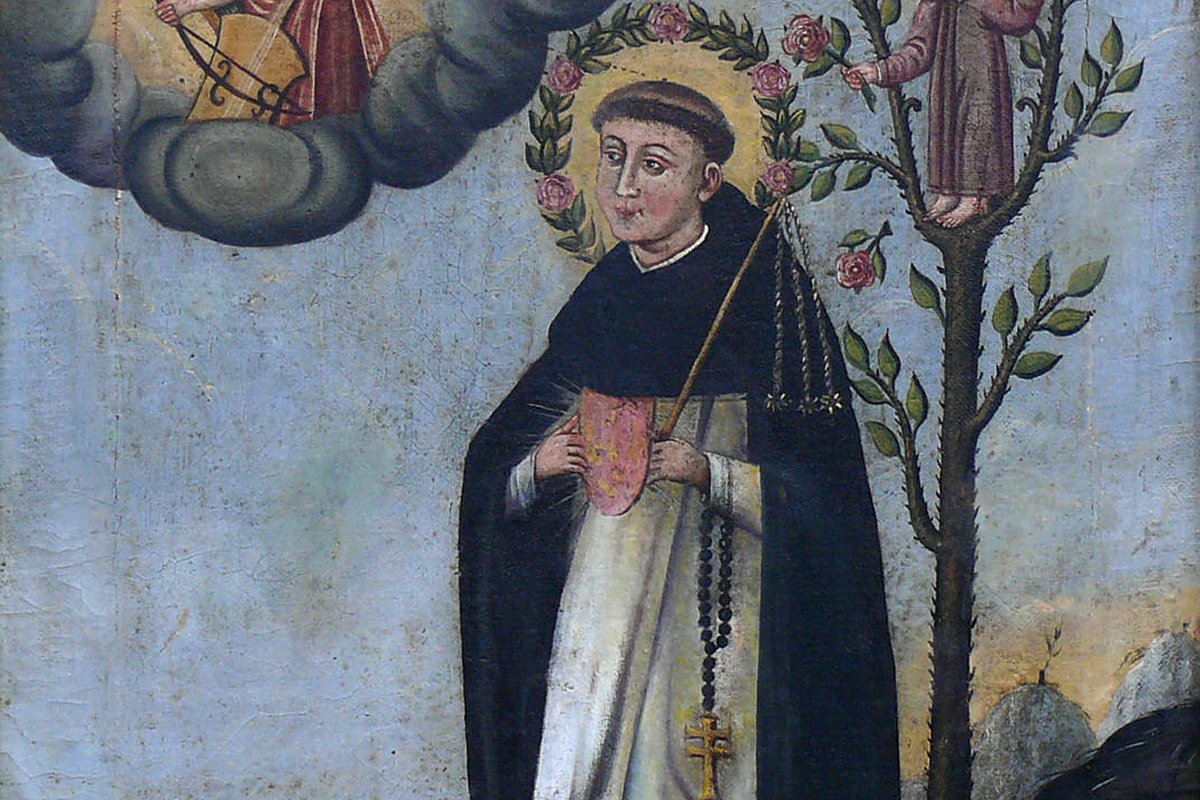
Rose's mother wanted her to marry and, for years, refused to allow her to pursue religious life instead, pressing eligible suitors on her repeatedly. To deter the men her striking appearance attracted, Rose took drastic measures: she cut off her long hair, rubbed pepper and lime into her face to raise blisters and ruin her complexion, and wore a heavy silver crown lined with sharp spikes beneath a wreath of roses, deliberately causing herself pain hidden from view. The struggle between mother and daughter lasted roughly ten years, during which Rose held firm to her vow while also contributing to her family's income by selling flowers and needlework she made herself. She eventually won the right to take the habit of the Third Order of Saint Dominic, a lay branch of the Dominican order that let her live as a consecrated laywoman within her parents' own house rather than in a convent.
Visions, and a garden turned into an infirmary
Rose reported frequent visions of Jesus and Mary throughout her short life, among them what she described as a spiritual espousal to Christ, in which she placed a ring on her own finger in a symbolic marriage to him — an experience understood within the Church as an intense personal mystical grace, not a formal sacrament, and consistent with the language used by other mystics of the period to describe profound union with God in prayer. Beyond her mystical life, she turned a humble hut in her family's garden into a small infirmary, personally caring for the sick, the elderly, and the marginalized people of Lima, including enslaved and Indigenous residents of the city who had little other access to care. She fasted at least three times a week, slept only a few hours a night on a bed she built for herself out of broken pottery and stone, and added secret penances of her own beyond what her confessors had approved — practices that later Church authorities have described as admirable in intent but, by modern standards, more severe than the Church would generally recommend or require of ordinary believers.
The first saint the Americas ever produced
Rose died on August 24, 1617, at the age of thirty-one, after a long illness that confined her to bed for the final months of her life. Tradition holds that several miracles followed her death, including the healing of a leper and widespread reports that the city of Lima smelled of roses at the moment she died — so many people came to view her body that her funeral had to be delayed for days to accommodate the crowds. Beatified by Pope Clement IX in 1667 and canonized by Pope Clement X in 1671, she became the first person born anywhere in the Americas to be formally recognized as a saint of the Catholic Church, decades before other prominent colonial-era figures such as Saint Kateri Tekakwitha in North America would be venerated. She remains the principal patroness of Peru and of Latin America, and her feast day, celebrated across the Americas each August, honors a young woman whose fierce resistance to a comfortable, ordinary life became, in the eyes of the Church, a sign of extraordinary holiness.
A saint claimed across an entire continent
Rose's canonization carried significance well beyond Peru itself: it demonstrated to the wider Catholic world, only a century after the Spanish conquest of the Inca Empire, that genuine, recognized sanctity could take root in the soil of the Americas and not only in the established centers of Europe. In the years following her canonization, she was named patroness not only of Peru but also, formally, of the Philippines and the East Indies, reflecting how far Spanish colonial religious networks extended in the seventeenth century, and she remains one of the patron saints invoked across Latin America more broadly, alongside figures such as Saint Kateri Tekakwitha in the northern part of the continent. Her family home and garden infirmary in Lima were later preserved as a sanctuary, and the well she is said to have used still draws pilgrims who come to pray for healing, continuing a pattern of hands-on care that began with a young woman treating her neighbors in a converted garden hut four hundred years ago.
Trivia
Who was Saint Rose of Lima?
Why is she historically significant?
Why did she resist marriage so fiercely?
What form did her care for others take?
Related Reading