Fallen Angels and the War in Heaven

The Scene Revelation Describes
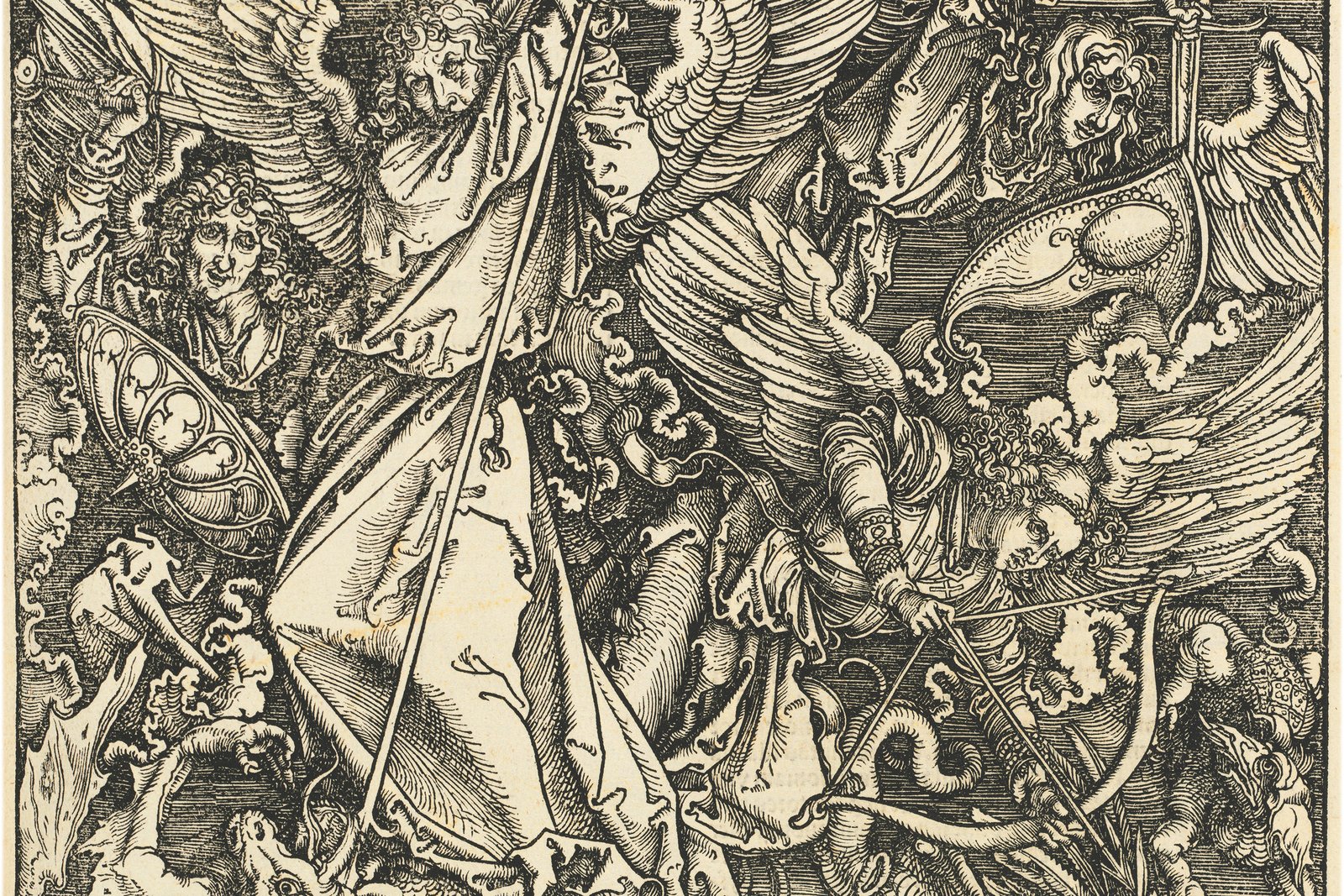
The Book of Revelation, written in the last decade of the 1st century and traditionally attributed to the Apostle John, places its account of the heavenly war at the center of a longer vision: a woman "clothed with the sun" giving birth while a great red dragon waits to devour her child (Revelation 12:1-4). Then, without much transition, the narrative pulls back to show the dragon's origin: "Then war broke out in heaven; Michael and his angels battled against the dragon. The dragon and its angels fought back, but they did not prevail and there was no longer any place for them in heaven. The huge dragon, the ancient serpent, who is called the Devil and Satan, who deceived the whole world, was thrown down to earth, and its angels were thrown down with it" (Revelation 12:7-9, NABRE).
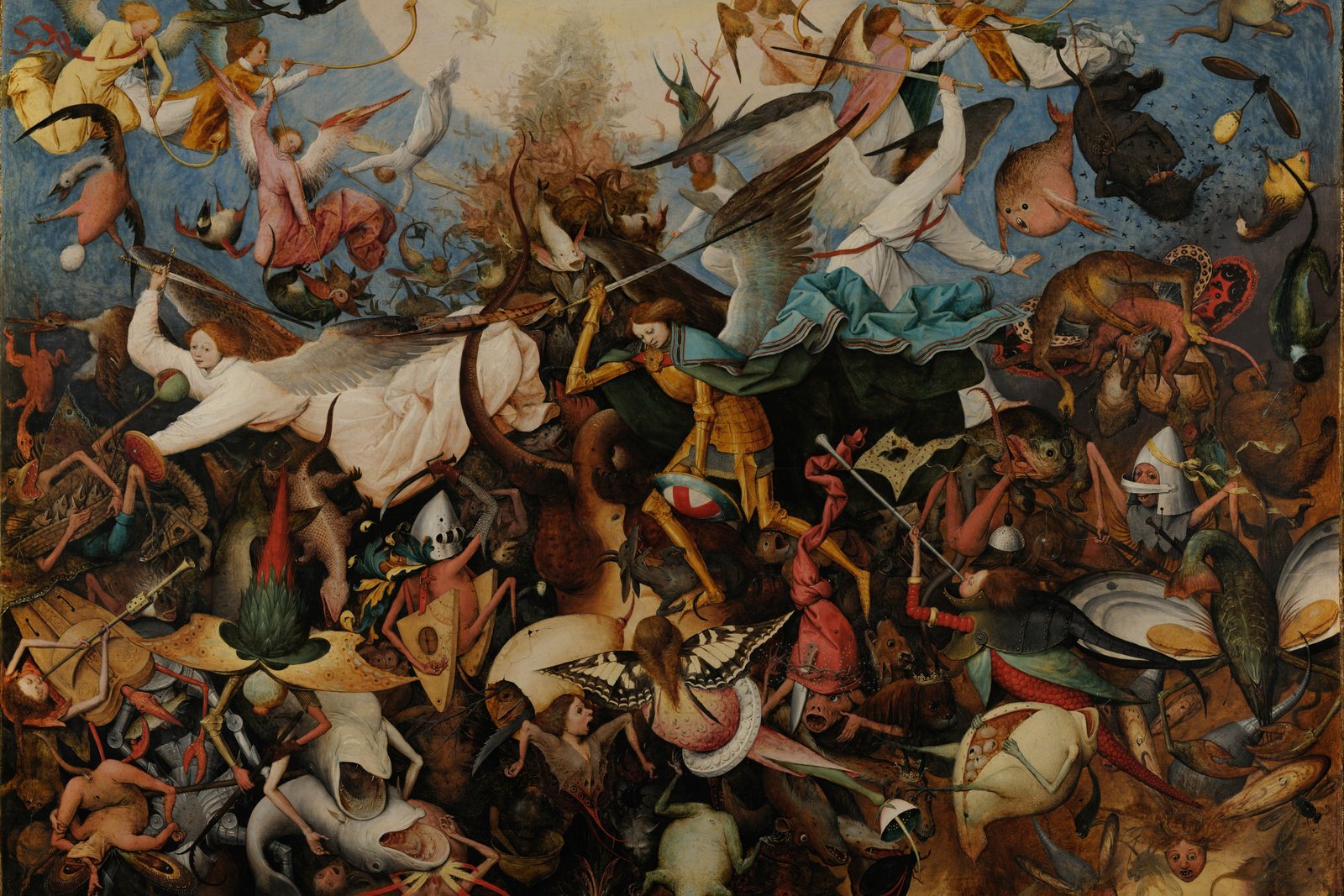
Pieter Bruegel the Elder, The Fall of the Rebel Angels, 1562, Royal Museums of Fine Arts of Belgium, Brussels — public domain.
The passage is dense with identification: the dragon is explicitly named as "the ancient serpent," tying this scene back to the serpent of Genesis 3, and as "the Devil and Satan," collapsing several distinct Old Testament figures and titles into one adversary. This is one of the clearest moments in Scripture where "Satan" — a Hebrew word meaning "accuser" or "adversary," used in earlier books like Job as something closer to a title or role than a proper name — becomes fully identified with the tempter of Eden and the ruler of a fallen angelic host.
From Scattered Old Testament Clues to a Full Story
It is worth being honest about how much of the popular "war in heaven" story is assembled from passages that, read individually, say considerably less than the composite legend suggests. Isaiah 14 is a taunt-song against an actual, historical king of Babylon, mocking his pride with the image of a fallen morning star cast down from the sky: "How you have fallen from the heavens, O Morning Star, son of the dawn! ... In your heart you said: 'I will scale the heavens; Above the stars of God I will set up my throne...'" (Isaiah 14:12-13, NABRE). The Latin translation of "Morning Star" gave English readers the name "Lucifer," and early Christian writers — Origen and Jerome among the most influential — began reading the passage as a double reference, describing the Babylonian king on the surface while pointing, in a deeper sense, to Satan's own fall from grace. Most contemporary Catholic scriptural scholarship treats this connection as a traditional interpretive layer rather than the passage's plain, original meaning.
Similarly, Ezekiel 28 addresses the king of Tyre in language that later readers folded into the same narrative — a being once "in Eden, the garden of God," "Blameless were you in your ways from the day you were created, Until evil was found in you" (Ezekiel 28:15, NABRE). Two much briefer New Testament verses add the idea of fallen angels imprisoned for their rebellion: 2 Peter says "God did not spare the angels when they sinned, but condemned them to the chains of Tartarus and handed them over to be kept for judgment" (2 Peter 2:4, NABRE), and Jude describes "angels too, who did not keep to their own domain but deserted their proper dwelling," now held "in eternal chains, in gloom, for the judgment of the great day" (Jude 1:6, NABRE). Neither passage narrates a war or names Michael; they simply affirm that some angels sinned and were punished.
What the Church Actually Teaches, Apart from the Legend
The Catechism of the Catholic Church treats the reality of fallen angels as settled doctrine, even while it is notably restrained about the details. It teaches that Satan and the other demons were created good by God, "since everything God made is good," but "became evil by their own doing" (CCC 391). Their fall, the Catechism explains, is understood as "a free choice" that was "radically and irrevocably" made — angels, possessing a fully clear intellect unclouded by time or gradual development the way human understanding is, are held to have chosen against God with total, permanent finality (CCC 393). The Church has never defined the mechanics of the rebellion, the exact number of angels involved, or a precise chronology — those elements belong to tradition, art, and centuries of theological speculation (most famously Saint Thomas Aquinas's discussion of angelic sin in the Summa Theologiae), not to dogma.
This distinction matters. "A third of the stars," the specific image of Michael and Satan locked in physical combat, the notion that pride over the future Incarnation triggered the rebellion — these are long-standing, richly developed traditions, some going back to the earliest centuries of Christian reflection, but they are not propositions the Church requires the faithful to believe as revealed fact in the way it requires belief in Christ's resurrection.
Michael's Role and Its Meaning
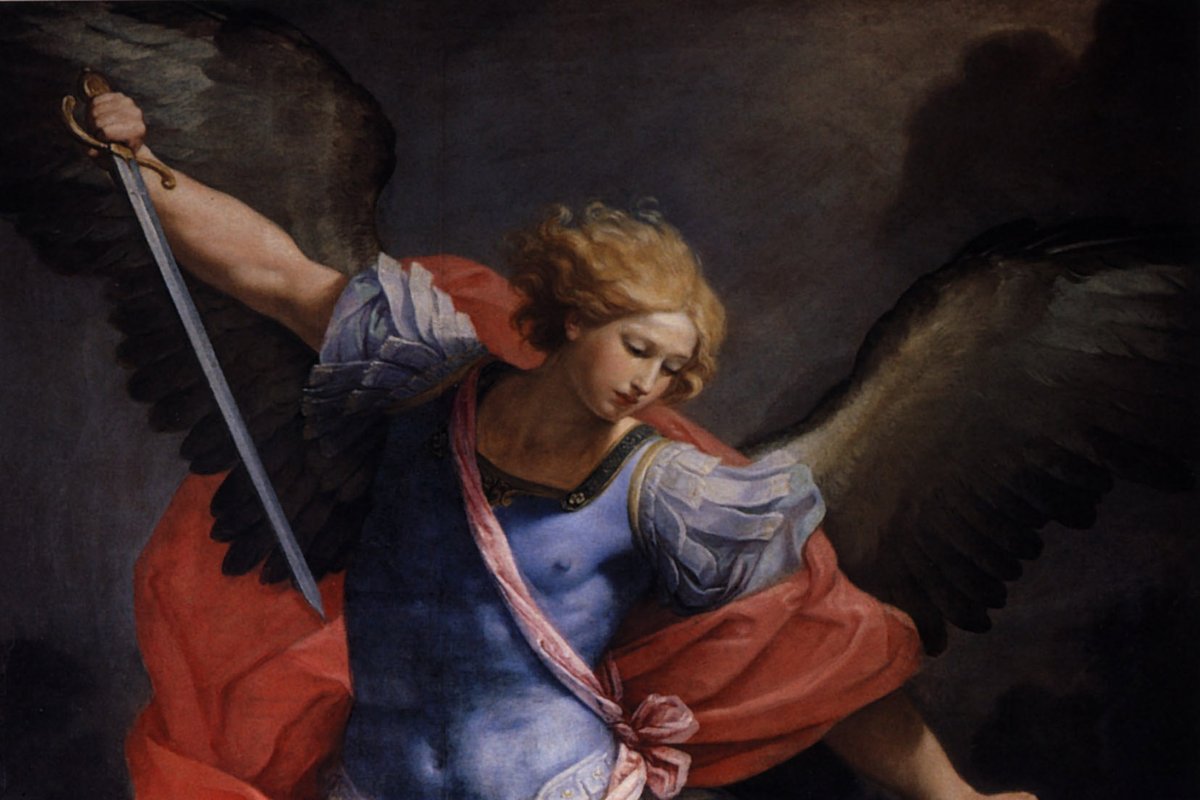
Michael's name in Hebrew — Mi-ka-El — means "Who is like God?", traditionally read as a direct rebuttal to the boast Isaiah attributes to the fallen morning star: "I will be like the Most High!" (Isaiah 14:14). The name itself becomes an answer to the rebellion's core sin, pride that claims equality with God. Jude 1:9 gives Michael the title "archangel" — the only place that word is used of him in Scripture — and describes him disputing with the devil over the body of Moses, a brief, cryptic reference to a tradition otherwise lost to us but taken by the early Church as further confirmation of Michael's role as chief opponent of Satan.
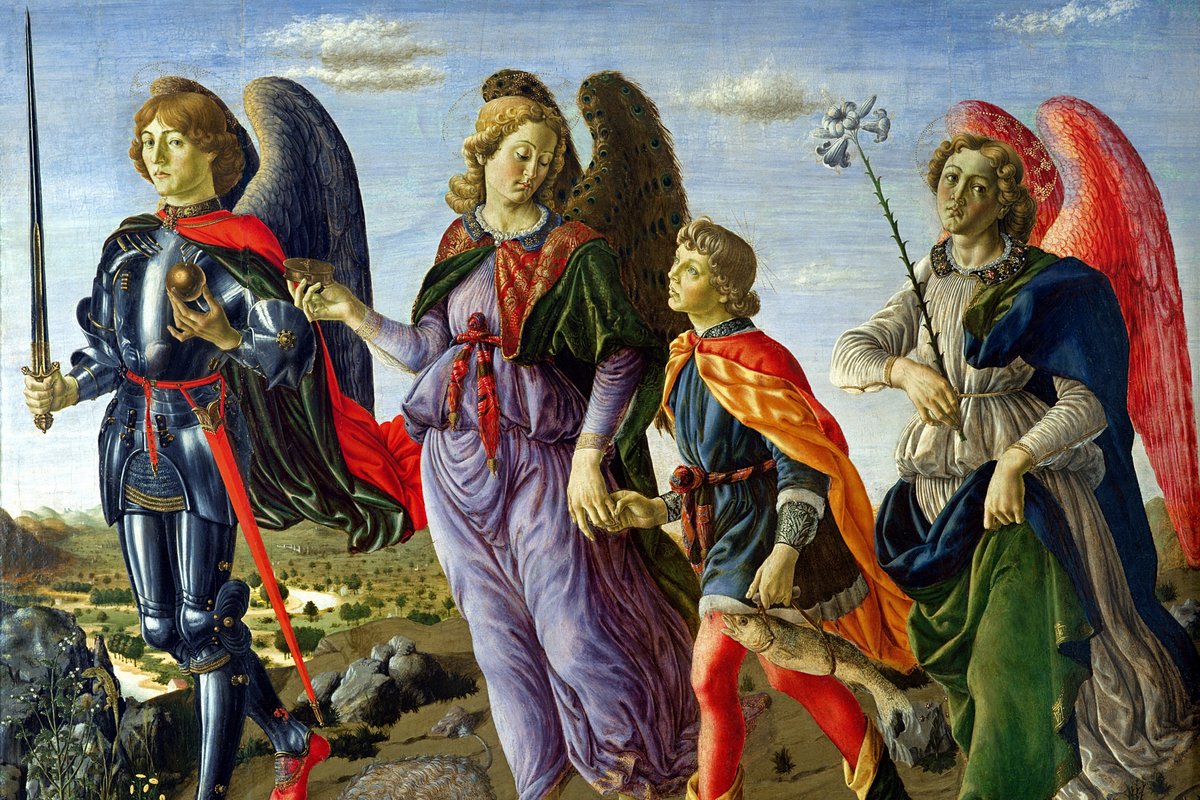
This is why devotion to Michael as protector against evil is ancient and widespread across the Church, expressed in everything from the Byzantine liturgy to the "Prayer to Saint Michael" restored to common use in recent decades. Readers interested in Michael's fuller biblical role can find it in Saint Michael the Archangel; the broader vision Revelation offers of angelic activity is covered in Angels in the Book of Revelation, and the traditional structure of the angelic ranks — the choirs from which the rebels are traditionally said to have fallen — is explained in The Nine Choirs of Angels.
A Warning, Not Just a Story
For the original readers of Revelation — Christian communities under real pressure in the Roman province of Asia in the late 1st century — this vision was not primarily a piece of angelic biography. It was a promise. If Satan had already been decisively defeated and cast down from heaven, then the persecution the churches faced on earth, however painful, was the death-throes of an adversary who had already lost the decisive battle, not a sign that evil was winning. That pastoral function — reassurance in the middle of suffering — is easy to lose sight of when the passage gets treated purely as source material for a cosmic backstory, but it is arguably the reason the passage was written at all.
Trivia
What does the Bible actually say about a war in heaven?
Does the Catholic Church teach that angels can sin?
Is the idea that Satan was once called Lucifer biblical?
How many angels fell, according to Revelation?
Why is Michael the one who fights in this passage?
You May Also Like
Related Reading