Nebuchadnezzar's Dream of the Statue

A King Who Wouldn't Say What He Saw
King Nebuchadnezzar of Babylon had a dream that troubled him so deeply that "sleep left him" (Daniel 2:1). He summoned his entire court of magicians, enchanters, sorcerers, and Chaldeans and demanded they tell him what he had dreamed — not simply interpret a dream he described, but reconstruct the dream itself from nothing. When the wise men, reasonably, asked him to tell them the dream first so they could interpret it, Nebuchadnezzar refused and threatened them: "If you do not make known to me the dream and its interpretation, you shall be cut to pieces and your houses made into rubbish heaps" (2:5). His logic was severe but not unreasonable on its own terms — if these men could truly divine hidden things, surely they could divine the dream itself.
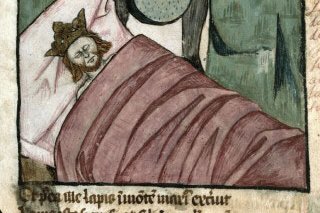
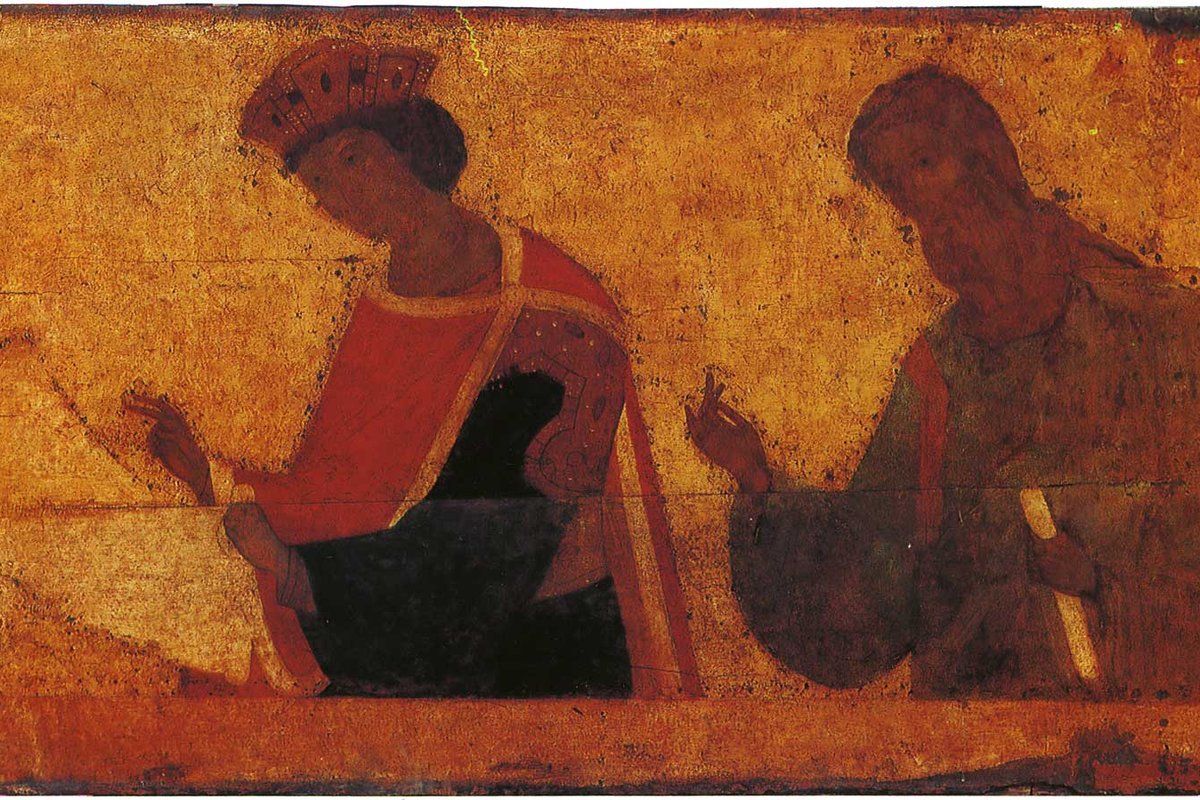
Unknown illuminator, Nebuchadnezzar's Dream of the Statue, 15th-century manuscript miniature — public domain.
None of them could. They protested that no one on earth could do what the king asked, and Nebuchadnezzar, enraged, ordered the execution of every wise man in Babylon — a decree that put Daniel and his companions, counted among the wise men of the court despite being Jewish exiles, in mortal danger through no fault of their own.
Daniel Asks for Time, and Prays
Rather than panic, Daniel requested time from the king and then gathered his companions Hananiah, Mishael, and Azariah — the same three who would later survive the fiery furnace — to pray together for mercy and understanding. That night, "the mystery was revealed to Daniel in a vision" (2:19), and Daniel responded first not with relief for himself but with praise: "Blessed be the name of God forever and ever, for wisdom and power are his" (2:20).
The Statue, Described Exactly
Brought before the king, Daniel first makes clear that no wise man, enchanter, or diviner could have done what was asked — only "there is a God in heaven who reveals mysteries" (2:28) — before describing the dream in full: "In your vision, O king, you saw a statue, very large and exceedingly bright, terrifying in appearance as it stood before you. Its head was pure gold, its chest and arms were silver, its belly and thighs bronze, its legs iron, its feet partly iron and partly clay" (2:31-33).
Then comes the dream's climax: "a stone was hewn from a mountain without a hand being put to it, and it struck its iron and clay feet, breaking them in pieces. The iron, clay, bronze, silver, and gold all crumbled at once, fine as the chaff on the threshing floor in summer, and the wind blew them away without leaving a trace. But the stone that struck the statue became a great mountain and filled the whole earth" (2:34-35).
What the Statue Meant
Daniel's interpretation reads the statue as a sequence of kingdoms. Nebuchadnezzar himself, and the Babylonian empire, is the head of gold — "You, O king, are king of kings... You are that head of gold" (2:37-38). After Babylon would come a lesser kingdom (silver), then a third (bronze) that would rule the whole earth, then a fourth (iron) strong enough to crush everything, but ending divided and brittle, "partly of potter's clay and partly of iron," a kingdom that would not hold together, "just as iron does not mix with clay" (2:41-43).
Then Daniel delivers the vision's real point: "in the days of those kings the God of heaven will set up a kingdom that shall never be destroyed or delivered up to another people. It shall crush all the other kingdoms and put an end to them, and it shall stand forever" (2:44). That is the stone — a kingdom not built by human hands, outlasting and outweighing every empire that came before it.
Catholic Reading: A Kingdom Not Made by Human Hands
The stone "hewn from a mountain without a hand being put to it" has been read by Christian interpreters from the Church Fathers onward as a striking prophetic image of Christ and his kingdom — established through no human power or political maneuvering, small and unremarkable by the world's standards at its origin, yet ultimately growing to fill the whole earth and outlasting every empire built by human force. Nebuchadnezzar himself, hearing the interpretation, fell prostrate before Daniel and acknowledged, "your God is the God of gods, the Lord of kings" (2:47) — a remarkable concession from the ruler of the most powerful empire on earth at the time.
The episode also reinforces a theme running throughout the book of Daniel: worldly power, however vast and however brightly it gleams like gold at the start, is temporary by its very nature, while what God establishes endures.
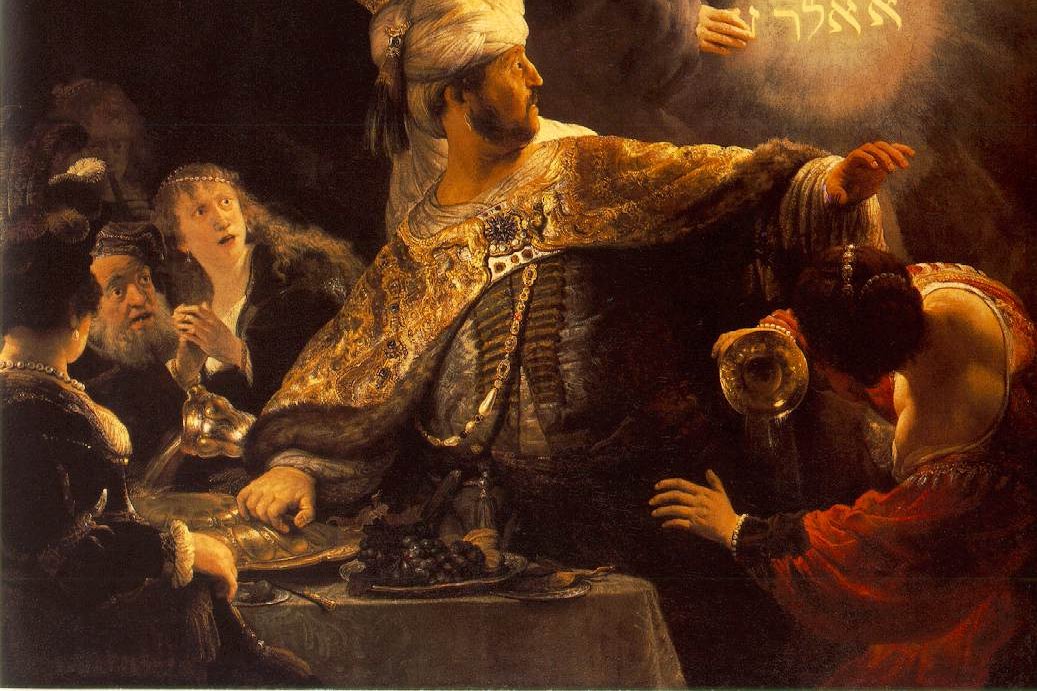
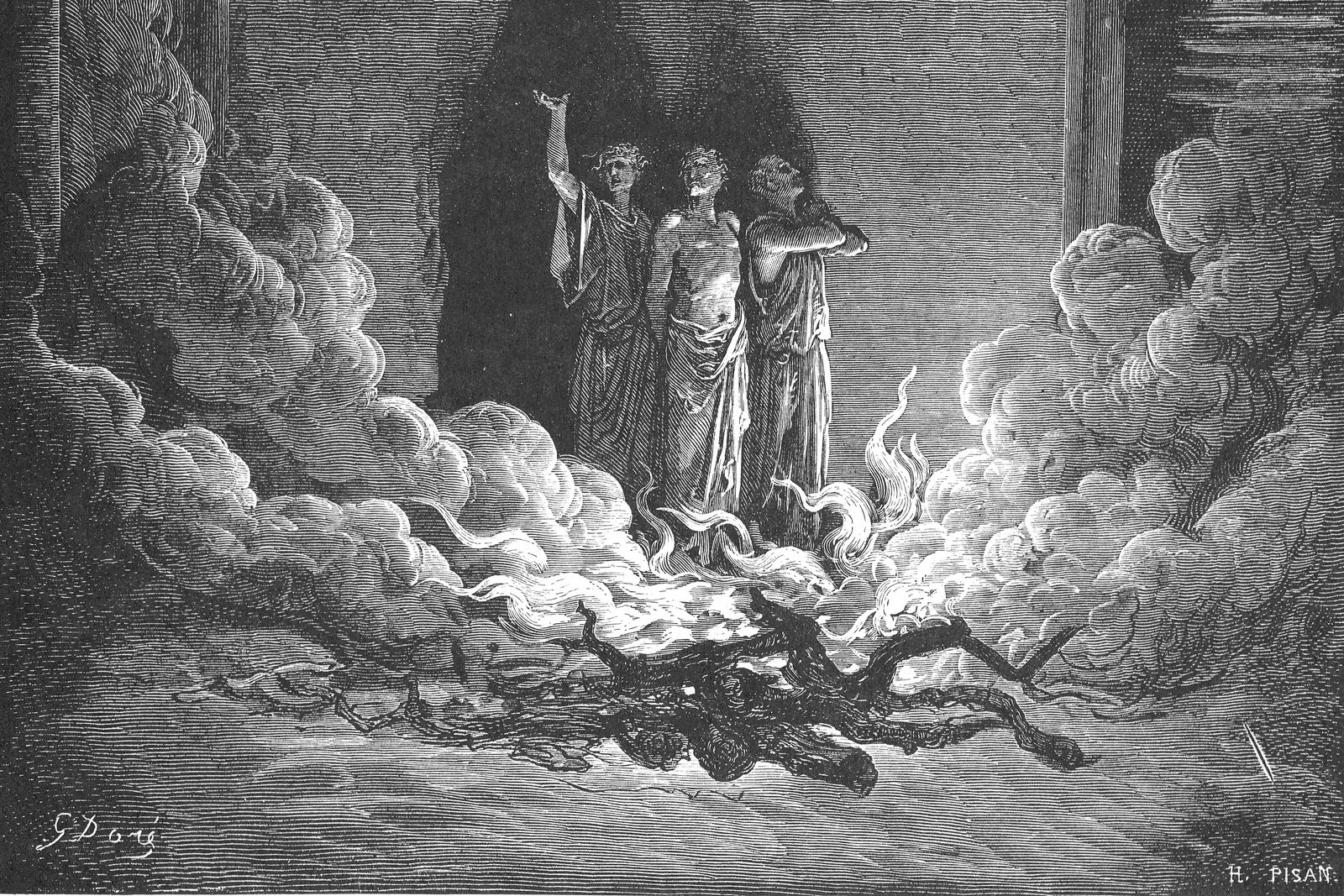
Related reading: see Shadrach, Meshach, and Abednego in the Fiery Furnace for what happens to Daniel's companions under this same king, and Belshazzar's Feast — The Writing on the Wall for the fall of Babylon this vision anticipates.
Trivia
What made Nebuchadnezzar's demand so impossible?
What did the statue in the dream look like?
What happened to the statue in the dream?
What did Daniel say the statue meant?
How is this vision read in Christian tradition?
Related Reading