Belshazzar's Feast — The Writing on the Wall

A Feast Built on Desecration
Belshazzar, ruling Babylon, threw an enormous banquet for a thousand of his nobles. Wine flowing, he ordered something specifically provocative brought out: the gold and silver vessels his father Nebuchadnezzar had carried off from the Temple in Jerusalem decades earlier. These were not ordinary cups. They had been consecrated for the worship of the God of Israel, and Belshazzar had them filled with wine so that "the king, his lords, his wives, and his concubines drank from them" while offering praise to "wine from them, they praised their gods of gold and silver, bronze and iron, wood and stone." (Daniel 5:4). It is a scene of calculated sacrilege — sacred objects turned into party favors for a toast to idols.
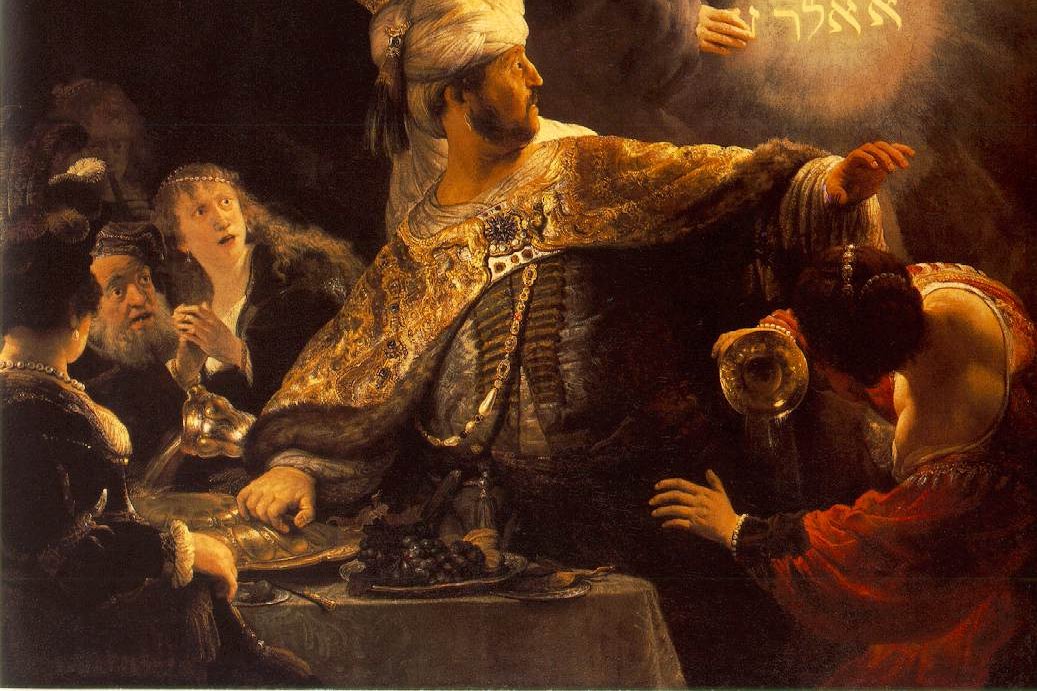
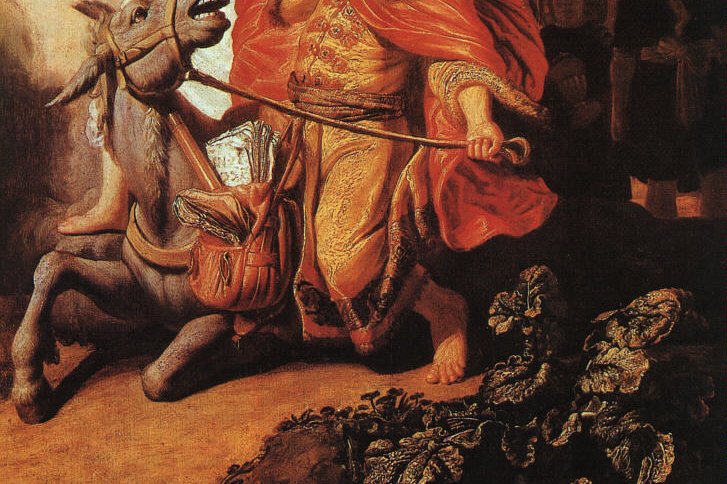
Rembrandt van Rijn, Belshazzar's Feast, c. 1635, National Gallery, London — public domain.
The Hand That Wrote
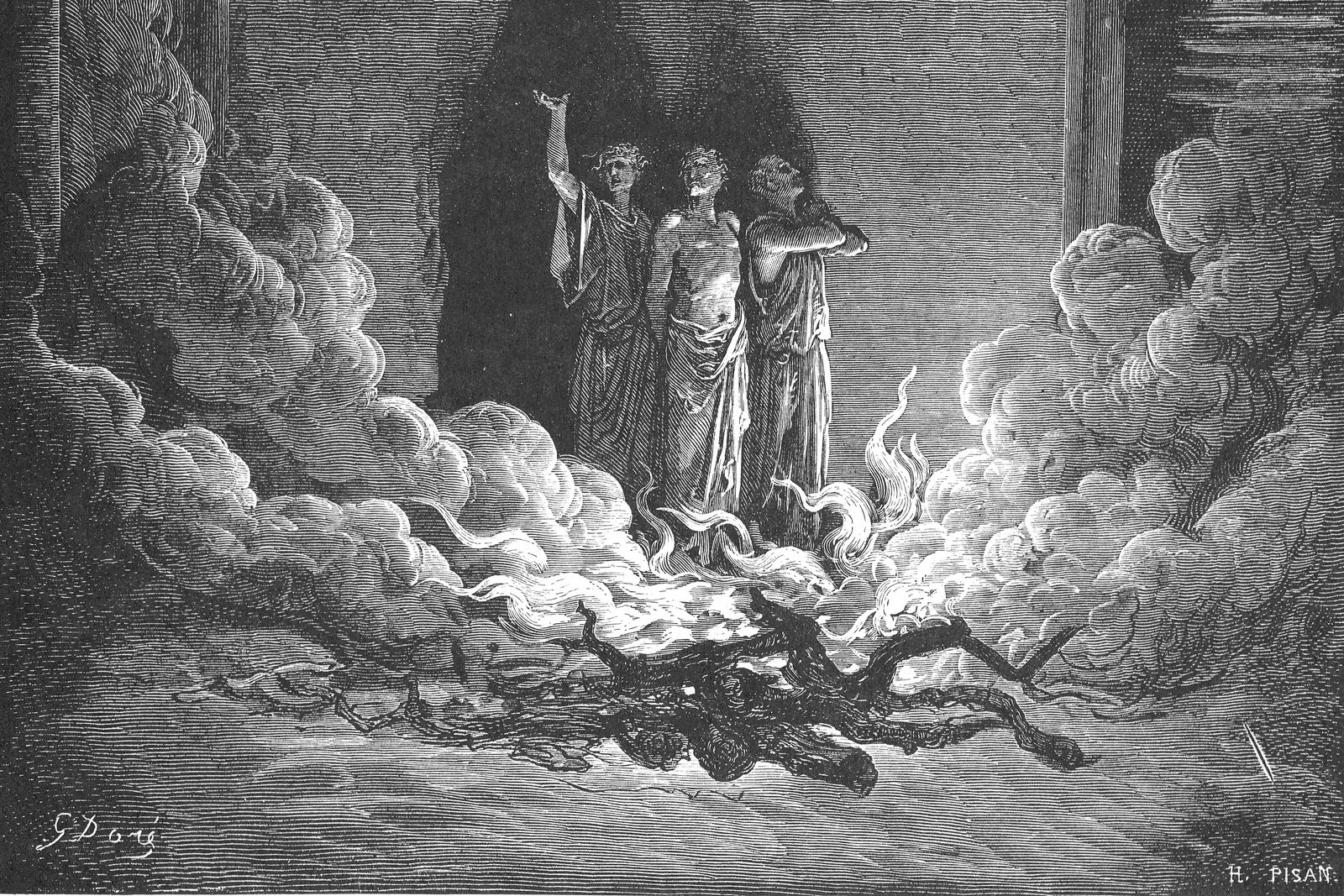
The feast's mood shattered instantly. "Suddenly, opposite the lampstand, the fingers of a human hand appeared, writing on the plaster of the wall in the king's palace" (5:5). No body attached to it, no explanation offered — just fingers, moving across the plaster in full view of the entire banquet hall. Belshazzar's reaction is described in almost clinical physical detail: "his face became pale; his thoughts terrified him, his hip joints shook, and his knees knocked" (5:6). He called for his enchanters and diviners immediately, offering the interpreter a purple robe, a gold chain, and the rank of third in the kingdom — and every one of them failed to even read the script, let alone explain it.
Daniel Is Remembered, Reluctantly Late
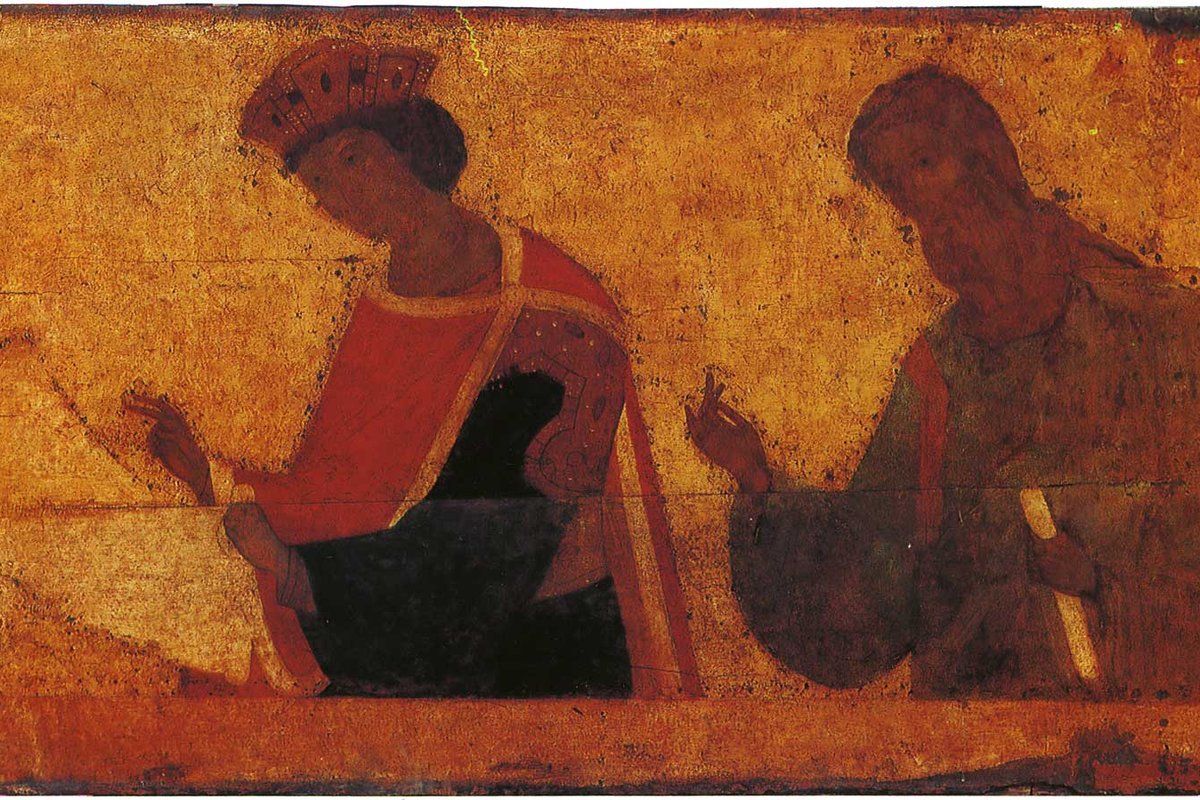
It is the queen mother — likely the widow of Nebuchadnezzar, unfazed by the panic filling the hall — who remembers a man from the previous reign known for "an extraordinary spirit, knowledge and understanding, and ability to interpret dreams, explain mysteries, and solve problems" (5:12). Daniel is brought in, and Belshazzar repeats his offer of reward. Daniel's response is unflinching: "Keep your gifts, or give your presents to someone else" (5:17). Before interpreting anything, he reminds the king exactly what he has done — used vessels consecrated to the true God to praise idols of metal and stone that "cannot see or hear or understand," while giving no honor "to the God in whose hand is your life breath and the whole course of your life" (5:23).
The Verdict
Only then does Daniel read the writing: "MENE, TEKEL, and PERES," and explain what each word means. "MENE, God has numbered your kingdom and put an end to it; TEKEL, you have been weighed on the scales and found wanting; PERES, your kingdom has been divided and given to the Medes and Persians" (5:26-28). It is a triple sentence — Babylon's reign counted, judged, and already reassigned, all delivered in a play on words in the original Aramaic that the terrified court could not decode but Daniel, standing outside the panic, read without hesitation.
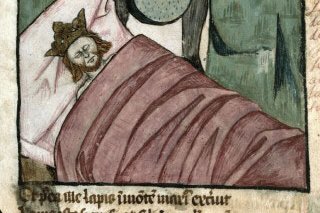
Belshazzar, to his credit, keeps his word regardless of the message and has Daniel clothed in purple and elevated to third in the kingdom. It changes nothing about the outcome. "That very night Belshazzar, the Chaldean king, was slain, and Darius the Mede received the kingdom" (5:30-31) — the verdict fulfilled before morning.
The Historical Belshazzar and a "Third in the Kingdom"
For centuries, Belshazzar was known only from the Book of Daniel, and some skeptics questioned whether he had existed at all, since ancient king-lists of Babylon named Nabonidus as the last ruler before the Persian conquest, with no Belshazzar mentioned. Nineteenth-century archaeological discoveries, particularly the Nabonidus Cylinder found at Ur, resolved the puzzle: Belshazzar was real, the son of Nabonidus, who ruled as co-regent and effective head of state in Babylon while his father spent years away from the capital. That detail also explains a small but often-missed piece of the story's own internal logic — when Daniel is offered the rank of "third in the kingdom" rather than second, it fits precisely with a Babylon where the king himself, Nabonidus, held first place, Belshazzar as co-regent held second, leaving only third available to give away. It's a small historical detail confirmed by evidence outside Scripture that lines up with an easily overlooked phrase inside it.
Catholic Reading: Judgment That Cannot Be Bought Off
Belshazzar's Feast has entered common language — "the writing on the wall" as an idiom for unmistakable, impending doom — precisely because the story dramatizes judgment in the most visceral, undeniable form Scripture offers: not a quiet prophetic warning delivered in private, but public, physical, and immediate, arriving in the middle of the very banquet that provoked it.
Catholic commentary has traditionally read the episode as a warning against treating what is sacred as disposable for personal indulgence, and against the presumption that power or wealth can indefinitely delay a reckoning. Belshazzar's offered rewards — robe, chain, rank — are worthless against a verdict already rendered; Daniel's refusal to be bought by them before delivering hard truth is itself read as a model of prophetic integrity, speaking plainly to power regardless of what it costs him personally. The swiftness of the ending, judgment pronounced and executed within a single night, underscores a persistent biblical theme: that delay is not the same as escape.
Related reading: see Nebuchadnezzar's Dream of the Statue for the earlier vision of Babylon's fall this feast fulfills, and Daniel in the Lions' Den for Daniel's continued faithfulness under the kingdom that replaced Belshazzar's.
Trivia
What did Belshazzar do to provoke the writing on the wall?
What appeared on the wall?
Who was able to read the writing?
What did MENE, TEKEL, and PERES mean?
What happened to Belshazzar?
Related Reading