The Ten Commandments Given at Sinai

A Mountain That Would Not Be Approached Casually
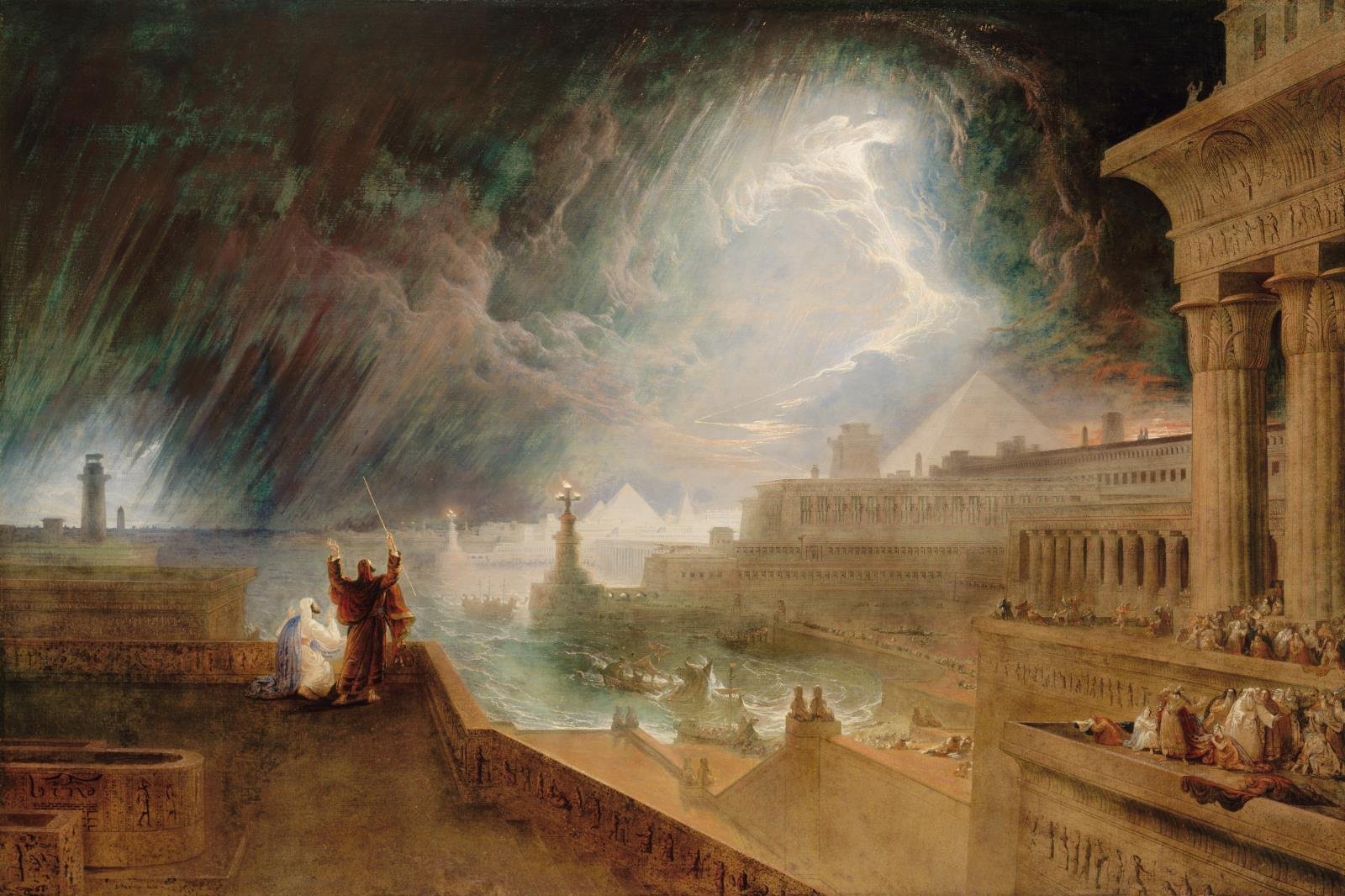
Three months after fleeing Egypt, the Israelites made camp at the foot of a mountain in the Sinai desert. God told Moses to prepare the people, and the preparation was not gentle. On the third day, Scripture says, "there were peals of thunder and lightning, and a heavy cloud over the mountain, and a very loud blast of the shofar, so that all the people in the camp trembled" (NABRE, Exodus 19:16). Moses led the people out to the base of the mountain, but no farther — boundaries had been set, and anyone who touched the mountain itself would be put to death. This was not a casual encounter.
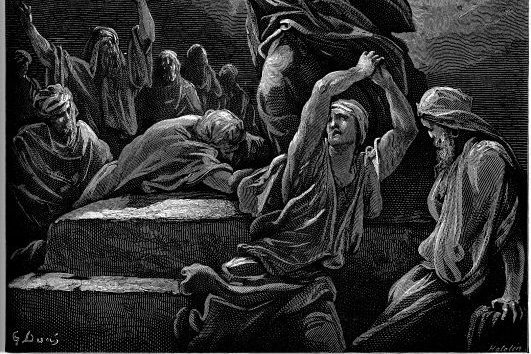
Gustave Doré, Moses Breaking the Tables of the Law, 1866 — public domain.
"Mount Sinai was completely enveloped in smoke, because the Lord had come down upon it in fire," Exodus continues. "The smoke rose from it as though from a kiln, and the whole mountain trembled violently" (Exodus 19:18). Into that fire and smoke, God called Moses up alone.
The Ten Words
What Moses received at the top was not first a list of rules but, in the Hebrew idiom, "the ten words" — a covenant, a relationship with obligations attached. The text of Exodus 20 opens with the identity of the one speaking before anything else: "I am the Lord your God, who brought you out of the land of Egypt, out of the house of slavery" (Exodus 20:2). Everything that follows is grounded in that act of deliverance already accomplished — the commandments are not the price of rescue; they are the shape a rescued people's life should take.
The commandments themselves move from worship to neighbor. God alone is to be worshiped, without idols or images standing in for him (Exodus 20:3-5). His name is not to be used lightly (20:7). The sabbath is to be kept, a rest modeled on God's own rest after creation (20:8-11). Then the commandments turn outward: honor for parents, and prohibitions against killing, adultery, theft, false witness, and covetousness — closing with, "You shall not kill. You shall not commit adultery. You shall not steal" (20:13-15).
Tablets Broken, Tablets Cut Again
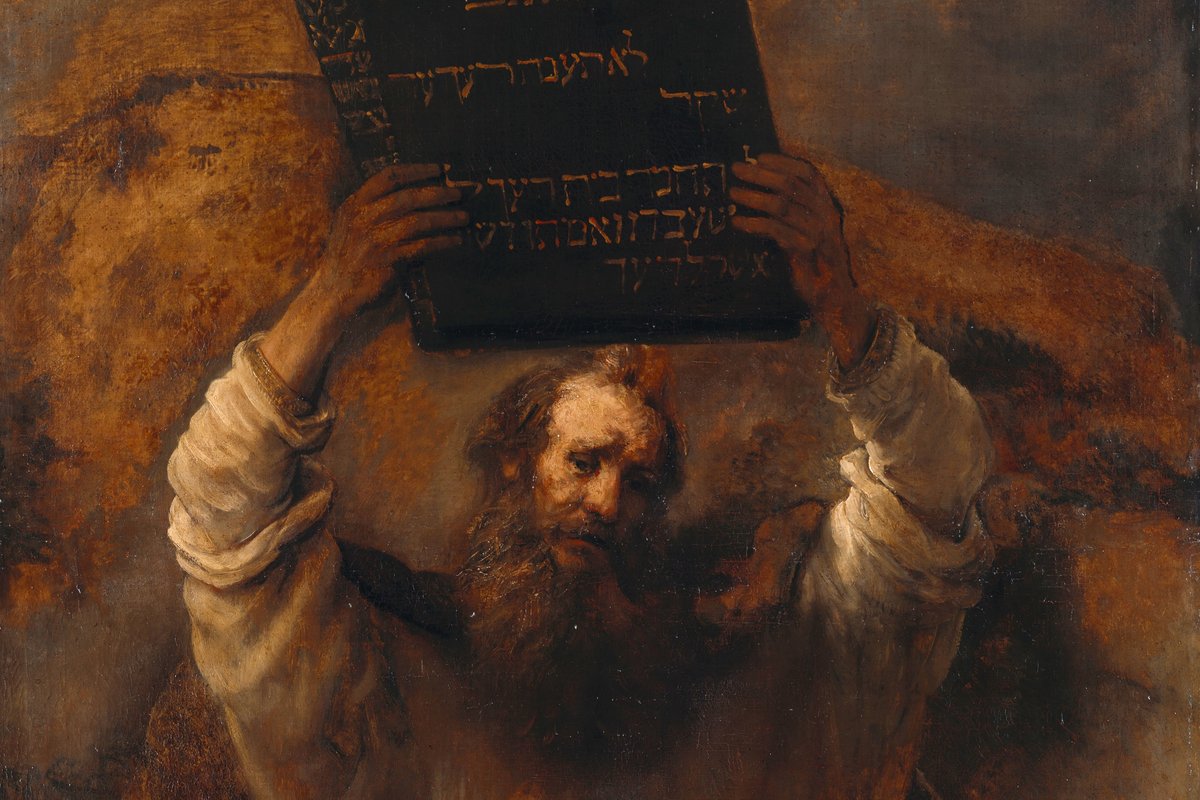
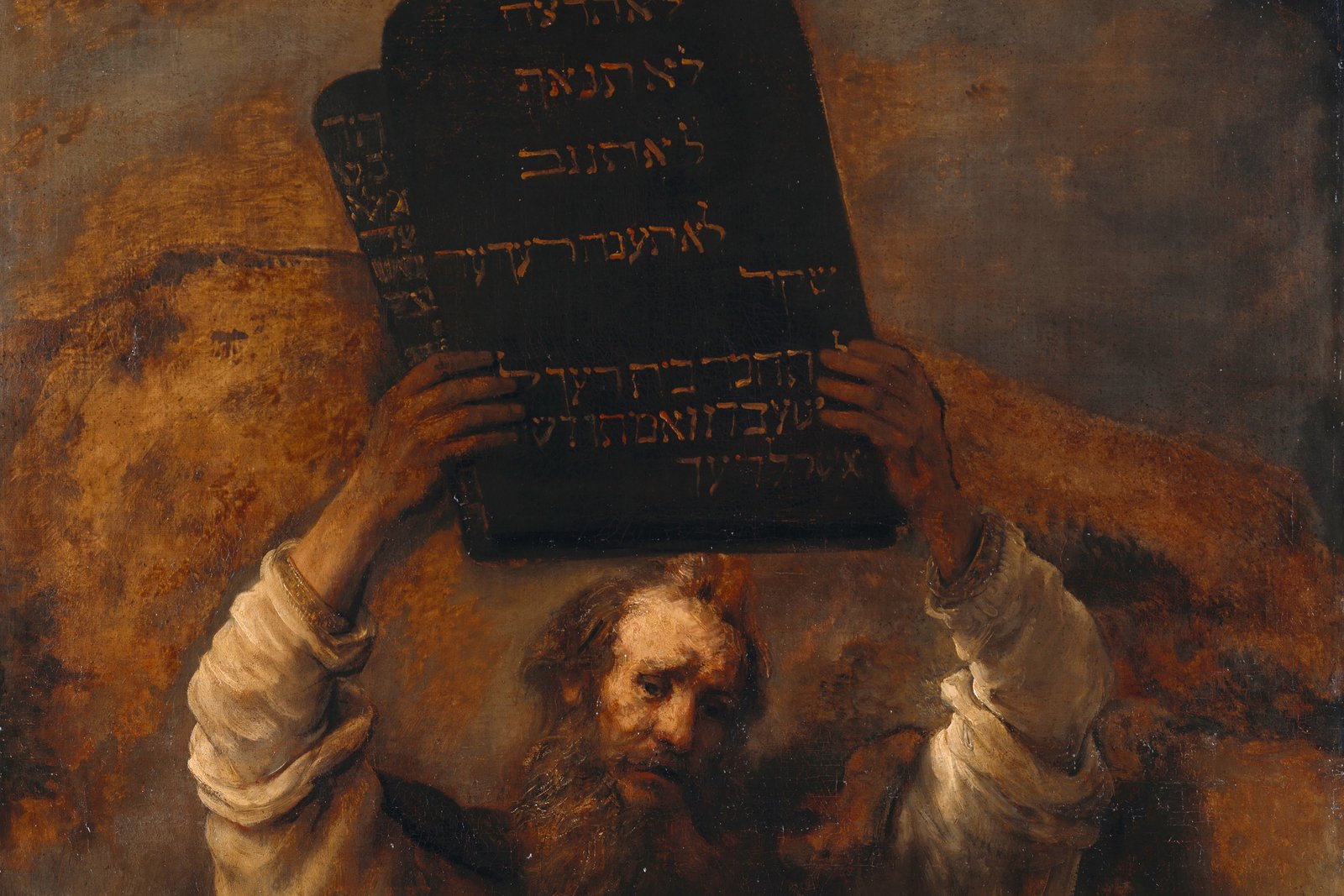
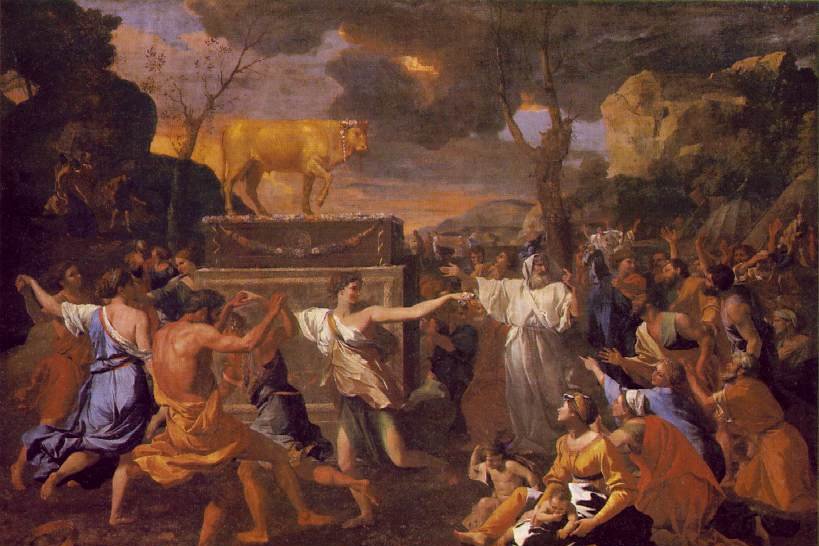
Moses came down from the mountain carrying "the two tablets of the covenant, the stone tablets inscribed by God's own finger" (Exodus 31:18) — only to find the camp worshiping a golden calf they had melted from their own jewelry. In fury, he smashed the tablets at the foot of the mountain. God did not walk away from the covenant over this failure. He told Moses to cut two new tablets of stone and climb again, and Moses "was there with the Lord for forty days and forty nights, without eating any food or drinking any water, and he wrote on the tablets the words of the covenant, the ten words" (Exodus 34:28).
That second ascent matters as much as the first. The Law survives Israel's first great act of infidelity — it is given again, not withdrawn.
Catholic Reading: Law Written on Stone, Then on the Heart
Catholic tradition has never treated the Decalogue as an artifact of ancient Israelite legislation to be admired and set aside. The Catechism of the Catholic Church builds its entire moral section around the Ten Commandments, presenting them as the enduring expression of the natural moral law — accessible in principle to reason, but given here in the clarity of revelation because human hearts had grown dull to it.
Christ himself does not abolish the Commandments; he intensifies them. In the Sermon on the Mount he moves from "You shall not kill" to anger itself as the root sin, from "You shall not commit adultery" to the interior gaze that precedes it (Matthew 5:21-28). The Fathers of the Church read this as fulfillment rather than replacement — the Law written on stone at Sinai finding its true home written on the human heart, a theme the prophet Jeremiah had already anticipated: a coming covenant in which God's law would be placed "I will place my law within them, and write it upon their hearts; I will be their God, and they shall be my people." (Jeremiah 31:33).
Moses's forty days of fasting on the mountain, without bread or water, is also read typologically — a foreshadowing of Christ's own forty days fasting in the desert before his temptation (Matthew 4:1-2), the new Moses who does not simply deliver the Law but fulfills it in his own person.
A Covenant, Not Just a Code
What makes Sinai theologically distinct from a legal code handed down by any ancient king is the covenant relationship framing it. The commandments open with God's self-identification as rescuer, not ruler first. Obedience is response, not transaction. That framing shapes how Catholics are taught to hold the Commandments even now — not as an external constraint imposed on an otherwise free life, but as the outline of what a life freed by God actually looks like when lived out.
The mountain wrapped in fire, the trembling camp, the trumpet no human lips were blowing — all of it marks Sinai as a moment when heaven and earth met directly, briefly, and left something durable behind. Two broken tablets and two more cut in their place tell the rest of the story: the covenant God makes is not so easily undone.
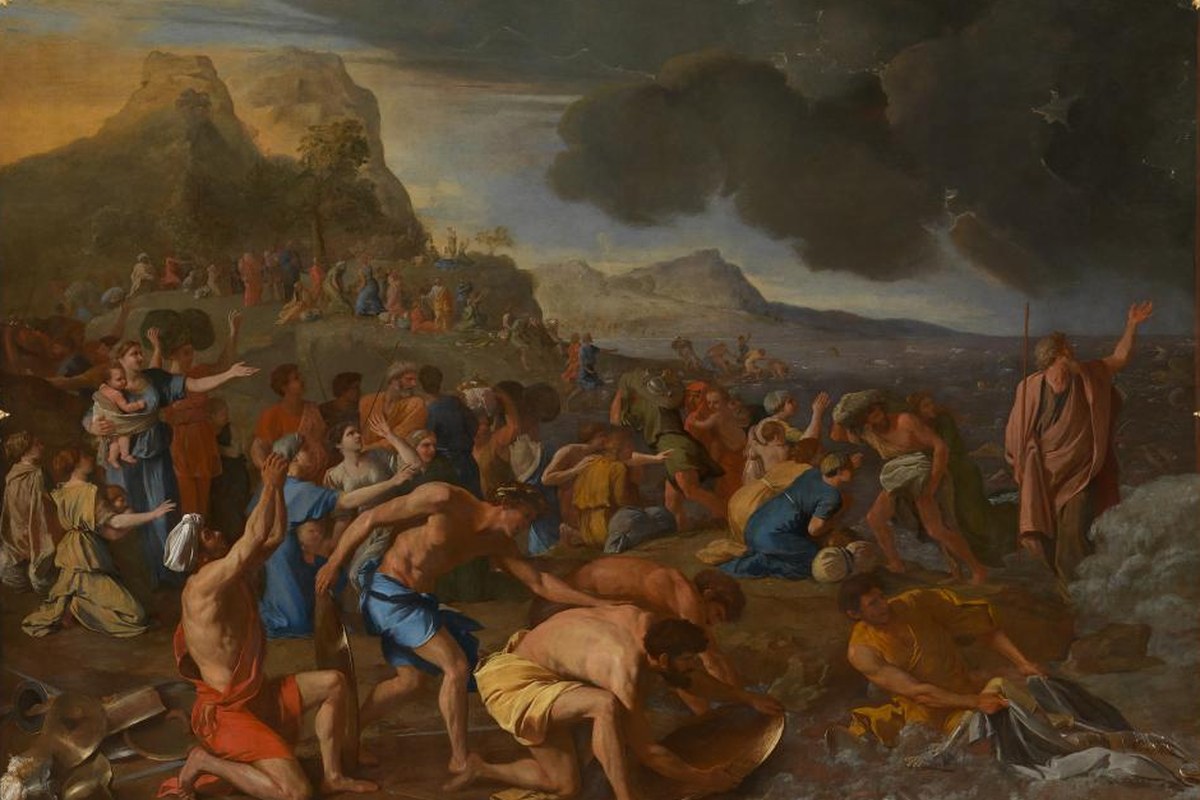
Related reading: see Moses — Leader of the Exodus, Receiver of the Law for the fuller arc from the burning bush to Sinai, and The Crossing of the Red Sea for what came just before it.
Trivia
Where did Moses receive the Ten Commandments?
What are the Ten Commandments?
How were the Commandments physically given to Moses?
How long was Moses on the mountain?
How does the Catholic Church use the Ten Commandments today?
You May Also Like
Related Reading