What Is a Holy Year (Jubilee)

An institution borrowed from Leviticus
The word "Jubilee" and the entire concept behind it predate Christianity by well over a thousand years. The Book of Leviticus commands ancient Israel to keep every fiftieth year holy: "You shall proclaim liberty in the land for all its inhabitants. It shall be a jubilee for you, when each of you shall return to your own property, each of you to your own family." (Leviticus 25:10, RSV). Slaves were to be freed, debts forgiven, and land returned to its original family owners — a periodic, built-in mechanism for social and economic reset, unusual among ancient legal codes for its scale and regularity.
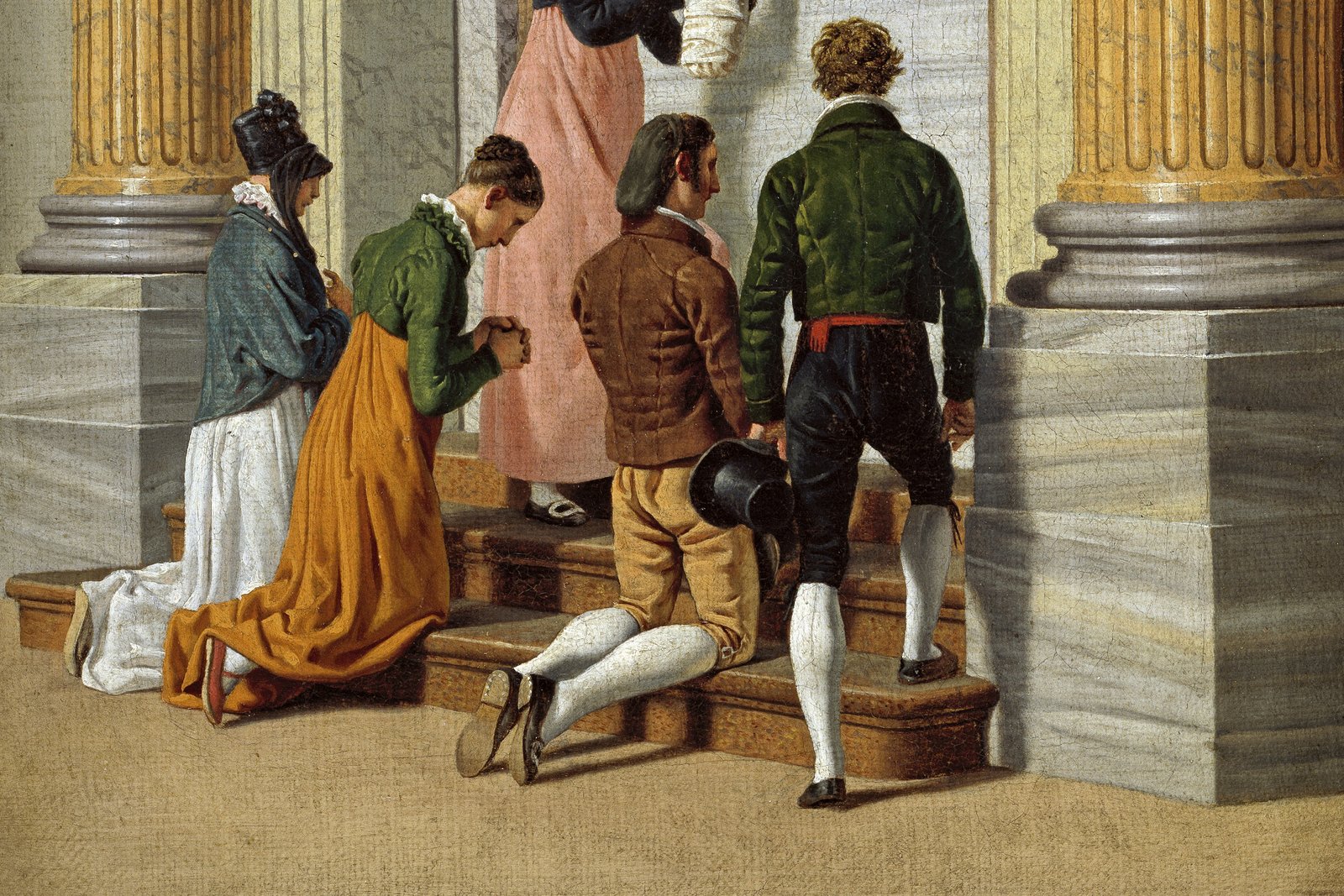
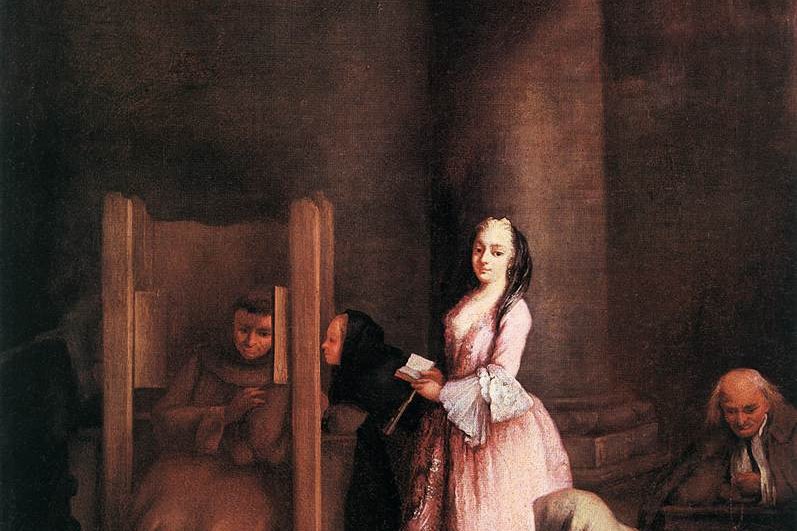
Christoffer Wilhelm Eckersberg, Devotion by the Holy Door of St. Peter's, c. 1814, Nivaagaards Malerisamling — CC0.
Whether ancient Israel ever observed the Jubilee exactly as legislated is debated among historians, but the underlying vision — periodic restoration, forgiveness, and renewal — became a rich vein of imagery throughout later Jewish and Christian tradition, and it is this vision the Catholic Church drew on directly when it created its own Christian version of the institution over a thousand years later.
The first Christian Holy Year: 1300
Pope Boniface VIII proclaimed the first Christian Jubilee in the year 1300, offering a plenary indulgence — a full remission of temporal punishment due to sin — to pilgrims who visited the basilicas of Saints Peter and Paul in Rome under the proper conditions. The response was overwhelming: contemporary chroniclers, including Dante Alighieri, who was present in Rome that year, describe enormous crowds converging on the city, straining its infrastructure and setting a precedent that would shape Catholic devotional life for the next seven centuries.
From irregular to every 25 years
The original plan called for a Jubilee only once a century, but that interval proved far too long for most Catholics to experience even once in a lifetime, and subsequent popes shortened it repeatedly. Pope Clement VI reduced it to every 50 years in 1343, later popes shortened it further, and Pope Paul II ultimately fixed the interval at every 25 years in 1470 — the standard still followed today for what the Church calls an ordinary Jubilee.
Popes have also periodically proclaimed extraordinary Jubilees outside this regular 25-year cycle, tied to a particular anniversary or theme rather than the calendar alone. Notable examples include the 1933 Jubilee marking 1,900 years since Christ's Redemption, and the 2015-2016 Jubilee of Mercy proclaimed by Pope Francis, focused specifically on the theme of divine mercy.
The Holy Door
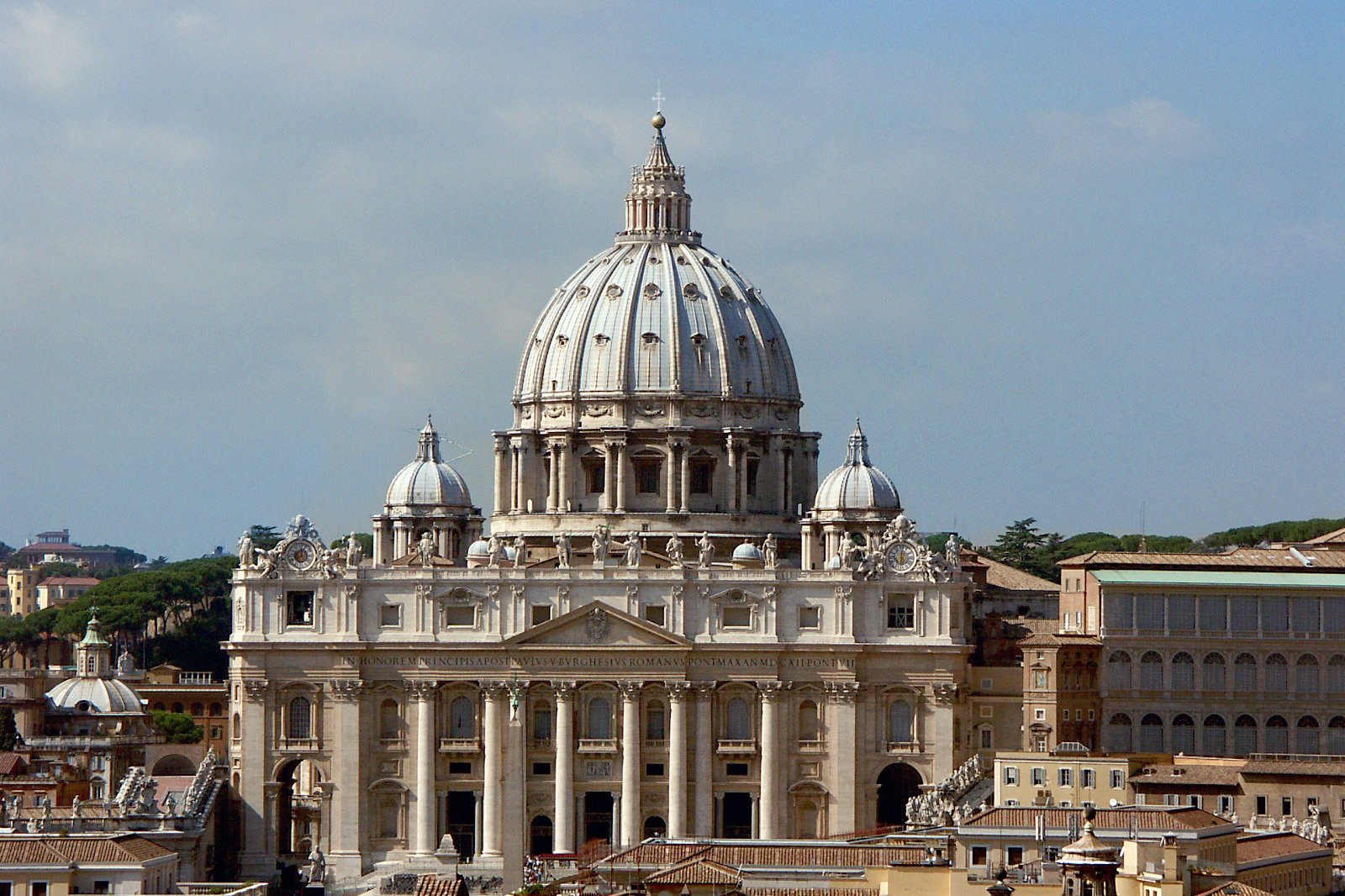
Central to the modern observance of a Jubilee is the ritual of the Holy Door — a specific door at St. Peter's Basilica, along with the other three papal major basilicas in Rome (St. John Lateran, St. Mary Major, and St. Paul Outside the Walls), which remains permanently bricked shut between Jubilee Years. At the opening of a Holy Year, the pope ceremonially opens the door — historically by striking the bricked-up wall three times with a silver hammer, though modern ceremonies have simplified this gesture — symbolizing passage into an extraordinary season of grace. Pilgrims who pass through the Holy Door during the Jubilee, fulfilling the standard conditions attached to a plenary indulgence, can obtain that indulgence specifically through this act of pilgrimage. At the Jubilee's close, the door is ceremonially sealed again, remaining closed until the next Holy Year.
Not only about pilgrimage to Rome
While Rome remains the traditional heart of Jubilee observance, the Church has increasingly extended Jubilee graces beyond the city itself. Recent Holy Years have permitted designated "Holy Doors" or equivalent pilgrimage sites in dioceses worldwide, allowing Catholics who cannot travel to Rome to participate in the Jubilee's spiritual benefits closer to home — a significant broadening of what was, for most of its history, a distinctly Rome-centered observance.
Conditions for the Jubilee indulgence
Obtaining the plenary indulgence attached to a Jubilee Year requires meeting the same basic conditions the Church attaches to any plenary indulgence — sacramental confession, receiving Holy Communion, and prayer for the pope's intentions, all within a reasonable window around the indulgenced act — combined with the specific Jubilee-related work itself, most commonly passing through a Holy Door with the proper disposition of having renounced all attachment to sin, even venial sin. Recent Jubilees have also recognized alternative ways of fulfilling the pilgrimage requirement for those unable to travel: visiting a designated local Holy Door, performing works of mercy, or, in some circumstances established for the homebound and imprisoned, offering prayers and sufferings in union with the Jubilee's intentions. This flexibility reflects a broader pastoral pattern in how the Church has administered indulgences over recent centuries — holding the underlying spiritual requirements constant while adapting how they can practically be fulfilled.
A season built around forgiveness and renewal
Whatever the specific theme a given pope attaches to a Jubilee, the underlying structure consistently echoes its Levitical origin: a designated period marked out from ordinary time, oriented toward reconciliation, forgiveness, and a fresh start. Where ancient Israel's Jubilee canceled literal debts and returned literal property, the Catholic Holy Year reframes that same basic pattern in specifically spiritual terms — the remission of the debt of temporal punishment due to sin, offered through pilgrimage, prayer, and confession, the same conditions required for any plenary indulgence, concentrated here into a single, extraordinary, once-every-25-years occasion.
Trivia
What is a Catholic Holy Year or Jubilee?
How often does an ordinary Jubilee Year occur?
Where does the concept of a Jubilee Year come from?
When was the first Catholic Holy Year, and who declared it?
What is the Holy Door, and why is it normally sealed shut?
Related Reading