What Is a National Shrine? Explained

A specific title, not just a figure of speech
People use the phrase "national shrine" loosely all the time — to describe any especially grand or historically important church. In Catholic Church governance, though, "national shrine" is a specific, formally conferred designation, not simply a descriptive compliment. The Church's Code of Canon Law addresses shrines directly in canons 1230 through 1234, defining a shrine broadly as a church or sacred place to which the faithful make pilgrimage for a particular pious reason, with the approval of the local bishop. Within that broader category, a shrine can be further recognized as diocesan, national, or international, depending on the scope of pilgrimage it draws and the level of Church authority that grants the recognition.
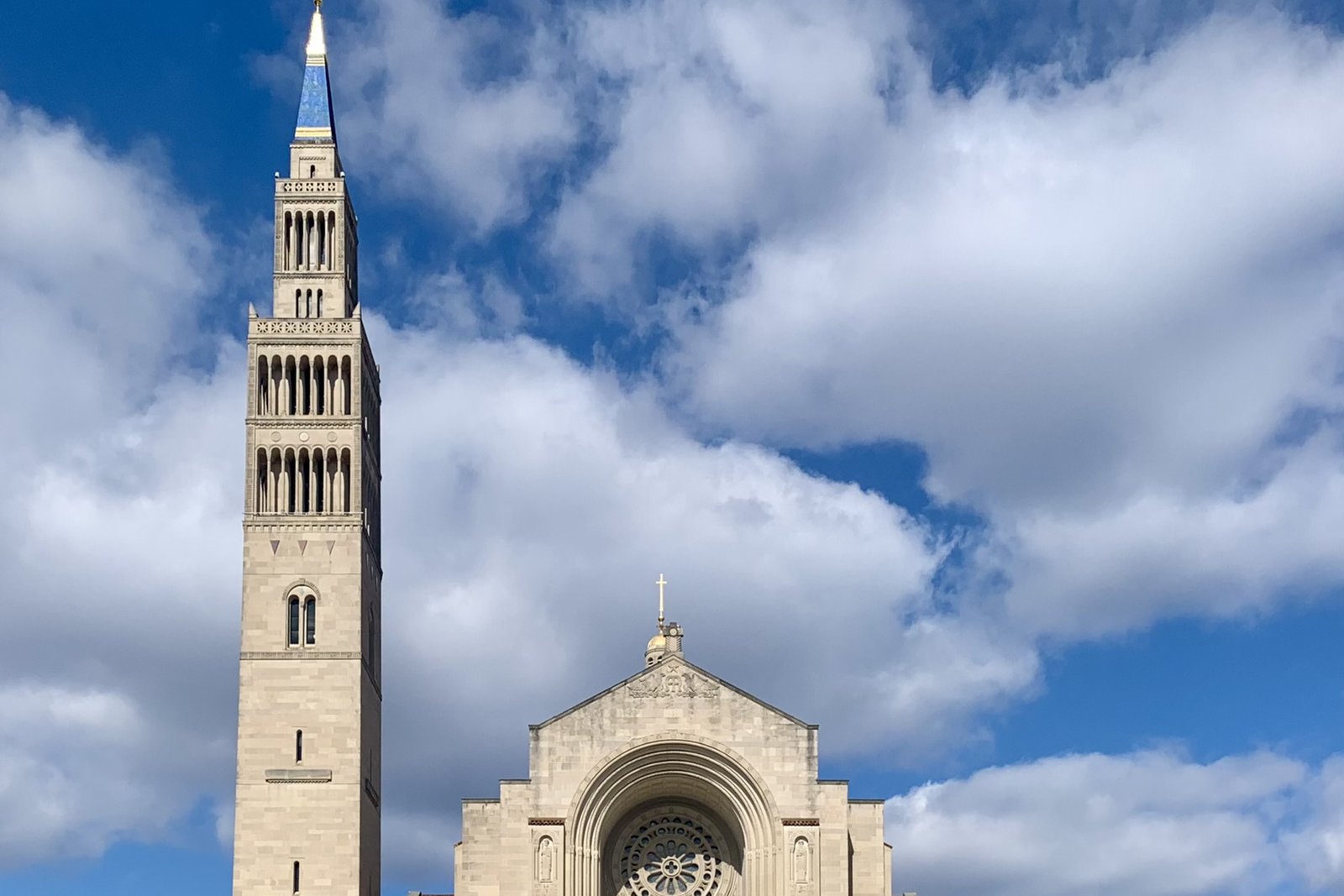
Photograph by APK, Basilica of the National Shrine of the Immaculate Conception, Washington, D.C., 2022 — CC BY-SA 4.0, Wikimedia Commons.
A national shrine, specifically, is one recognized by a country's conference of bishops as drawing pilgrims from across the entire nation, not merely from its local diocese or surrounding region. That's a meaningful practical distinction: countless parish churches and local shrines across the Catholic world attract steady, sometimes large, local pilgrimage traffic without ever being recognized at the national level, because their pull doesn't extend meaningfully beyond their own region. A national shrine, by definition and by formal recognition, does.
How a national shrine differs from a basilica or cathedral
It's worth being precise about three titles that get frequently confused, because they answer different questions and come from different sources of authority within the Church.
A cathedral is simply the church that contains a bishop's official chair, or cathedra — the term describes a specific administrative and liturgical function within a diocese, unrelated to the building's size, age, or pilgrimage significance. A relatively modest church can be a cathedral if it houses the bishop's seat, while a much larger and more famous church in the same city might not be.
A basilica, whether major or minor, is a title conferred directly by the Holy See in Rome, recognizing a church's particular historical, architectural, liturgical, or spiritual importance. It's a mark of distinction granted from the universal Church's central authority, and it comes with specific privileges and obligations, including a particular relationship to the Pope symbolized by structural and ceremonial elements unique to basilicas.
A national shrine, by contrast, is designated at the level of a country's own bishops' conference, recognizing the church's specific role as a pilgrimage destination for the nation as a whole. These three designations are independent of one another, though they frequently overlap in practice — many national shrines are also basilicas, and a few are cathedrals as well, but a church can hold any one of these titles without automatically holding the others.
National shrines in the United States
The United States offers a useful illustration of how a single country can host multiple national shrines, each tied to a distinct devotion or a distinct chapter of the nation's Catholic story. The National Shrine of the Immaculate Conception in Washington, D.C., is the largest Catholic church in North America and is dedicated under the same title, the Immaculate Conception, that the U.S. bishops chose in the nineteenth century as the patronal title of the United States itself — making the shrine's national designation and its dedication closely intertwined from the start.
Alongside it stands the National Shrine of Saint Elizabeth Ann Seton in Emmitsburg, Maryland, honoring the first person born in the United States to be canonized a saint, and marking the site closely connected to her life and religious foundation. These two shrines demonstrate how national designation in a single country can center on entirely different kinds of devotion — one Marian and doctrinal, tied to a title of the Virgin Mary; the other centered on the life and memory of a specific American saint.
National shrines around the world
Looking beyond the United States shows how varied national shrines can be in origin and character, even while sharing the same formal designation. In Brazil, the Basilica of Our Lady of Aparecida is both the country's national shrine and one of the largest pilgrimage churches in the world, built around a small statue reportedly recovered from a river by fishermen in the eighteenth century and now central to Brazilian national Catholic identity.
Portugal's Sanctuary of Our Lady of Fátima grew from reported Marian apparitions to three shepherd children in 1917 into the country's most significant national pilgrimage site and one of the most visited Marian shrines anywhere in the world. England's Shrine of Our Lady of Walsingham, by contrast, traces its origins to a medieval apparition tradition that made it one of the great pilgrimage destinations of the Middle Ages, before the shrine was destroyed during the English Reformation and only substantially restored and revived in the twentieth century — a reminder that national shrine status can survive, or in this case be reestablished after, centuries of interruption.
Poland's Jasna Góra Monastery in Częstochowa holds a similarly central place in Polish national and religious identity, home to the venerated Black Madonna icon that has functioned as both a spiritual and, at various points in Polish history, a genuinely national symbol of resilience and identity through periods of foreign occupation and political upheaval.
Why the distinction matters
Understanding what a national shrine actually is — a specific, formally granted designation tied to a church's recognized role in drawing pilgrims from across an entire country — helps make sense of why certain churches carry the weight and prominence they do within their national Catholic communities, beyond simple architectural grandeur or historical age. It also explains why some genuinely enormous, historically significant churches are not national shrines at all, while some comparatively modest ones are: the designation tracks pilgrimage significance and formal recognition, not size or fame in isolation.
For pilgrims and visitors, that distinction can also shape expectations in practical ways — a national shrine typically maintains dedicated pilgrimage infrastructure, extensive Mass and confession schedules, and visitor programs built specifically around accommodating pilgrims arriving from across the country and often from abroad, reflecting the scale of devotion the designation itself formally recognizes.
Trivia
What officially makes a church a national shrine?
Is a national shrine the same thing as a basilica?
Can a country have more than one national shrine?
Are national shrines always the largest Catholic church in their country?
Do national shrines have to be associated with a Marian apparition or a saint's relics?
Related Reading