Marian Apparitions Recognized by the Church

What "approved" actually means
It's worth being precise here, because the word "approved" gets thrown around loosely in popular devotional writing. When a bishop, or occasionally the Holy See, formally recognizes a reported Marian apparition, the declaration is almost always some version of constat de supernaturalitate — "it is established as supernatural" — meaning the investigating authority found nothing doctrinally objectionable in the reported messages and judged the available evidence sufficient to call the event worthy of belief. That is a real, considered judgment, but it is categorically different from a dogma of the faith. No Catholic is obligated to believe that Mary appeared at Lourdes or Fátima, even after Church approval, in the way they're obligated to believe in the Resurrection. Private revelation, however well attested, always occupies this separate, optional category.
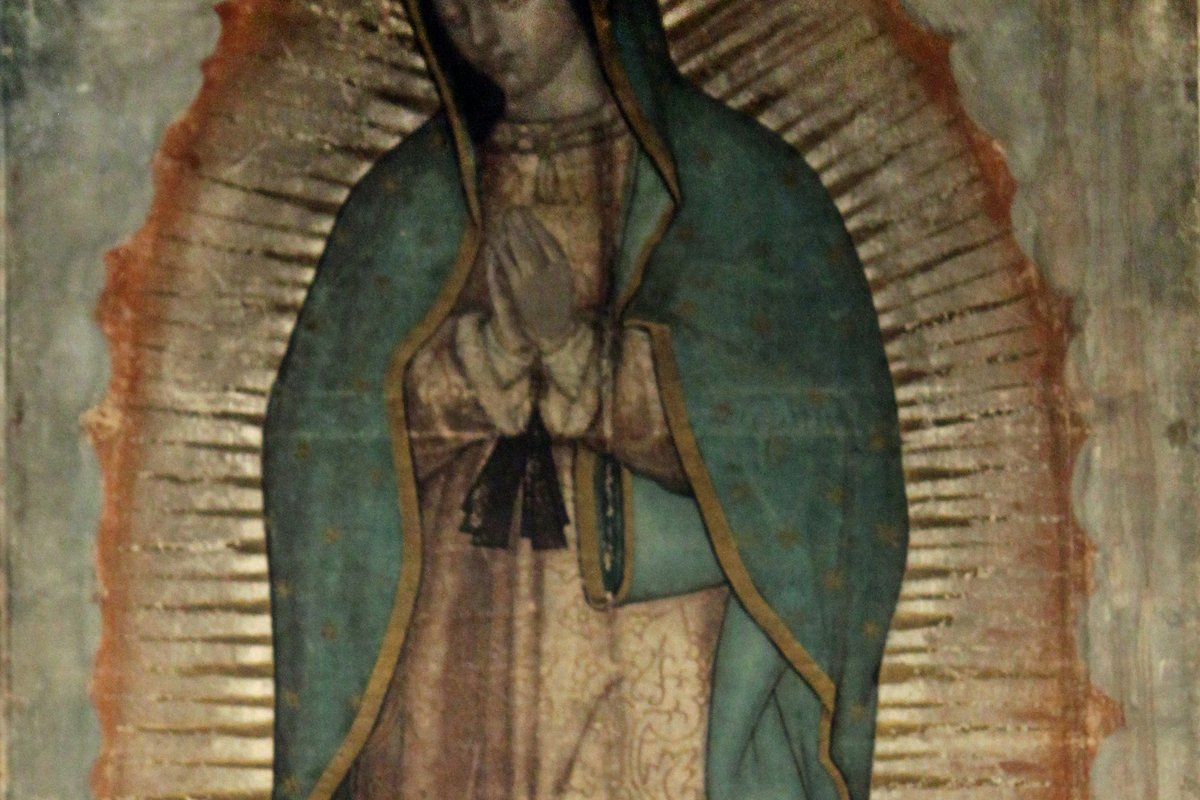
Unknown artist (traditional image, 1531), Basilica of Our Lady of Guadalupe, Mexico City — public domain.
The most widely recognized cases
Nine apparitions are most commonly cited together as the core group of Church-approved Marian appearances from the modern era, though the full list of recognized cases across history is somewhat longer:
- Our Lady of Guadalupe (Tepeyac, Mexico, 1531) — recognized essentially from the outset by the local bishop, later reaffirmed repeatedly, including Pope John Paul II's 1999 declaration of Our Lady of Guadalupe as Patroness of the Americas. Read this blog's full article on Our Lady of Guadalupe.
- Rue du Bac / the Miraculous Medal (Paris, France, 1830) — reported by Saint Catherine Labouré, approved by the Archbishop of Paris in 1836.
- Our Lady of La Salette (France, 1846) — approved by the local bishop on September 19, 1851.
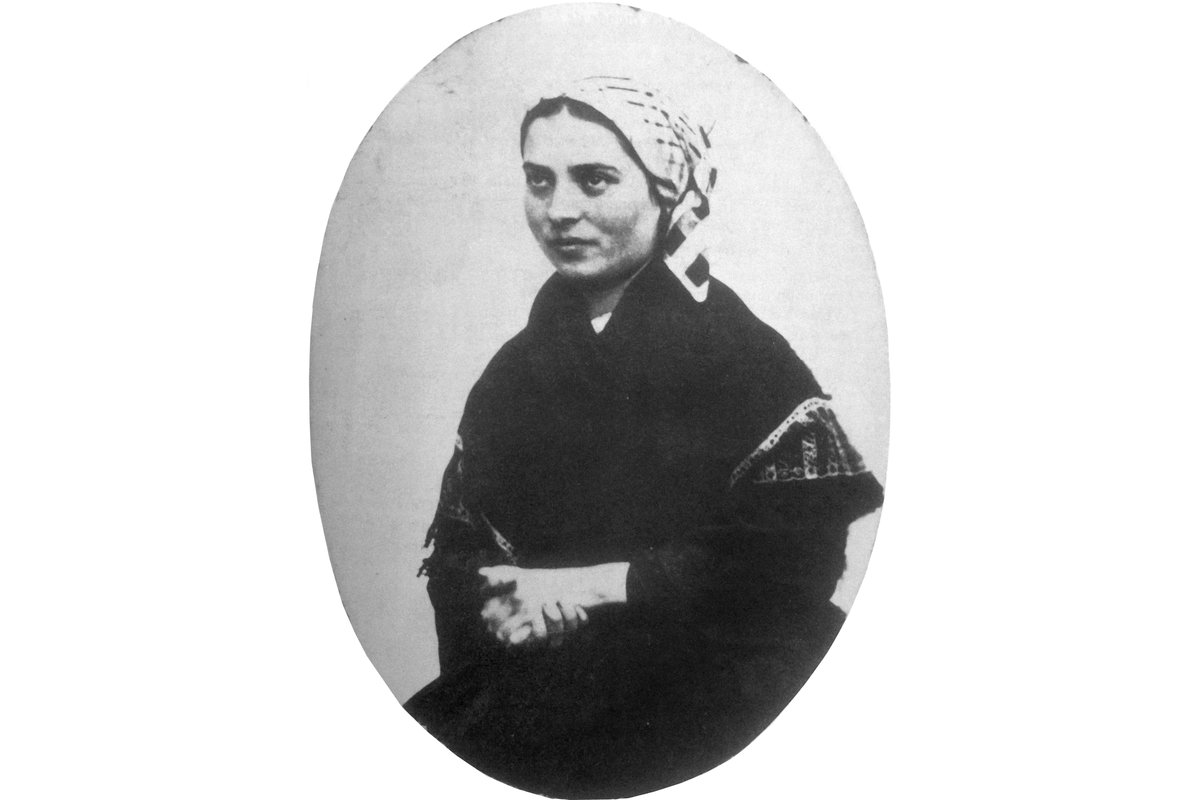
- Our Lady of Lourdes (France, 1858) — reported by Saint Bernadette Soubirous, declared worthy of belief in 1862. Read this blog's full article on Our Lady of Lourdes.
- Our Lady of Pontmain (France, 1871) — approved by the local bishop in 1872.
- Our Lady of Knock (Ireland, 1879) — investigated by two separate Church commissions, with Church support growing over the following century, capped by Pope John Paul II's 1979 pilgrimage to the site.
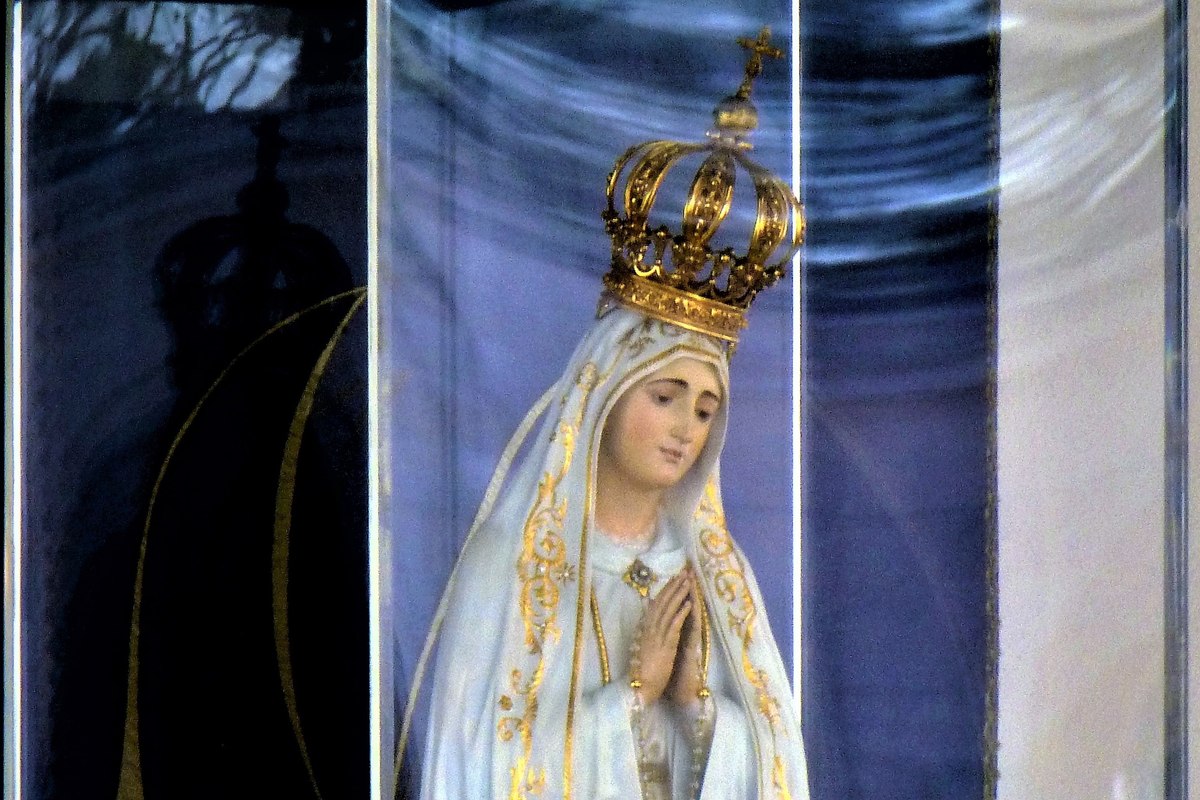
- Our Lady of Fátima (Portugal, 1917) — declared worthy of belief in 1930. Read this blog's full article on Our Lady of Fátima, and on the Sanctuary of Our Lady of Fátima built at the site.
- Our Lady of Beauraing (Belgium, 1932-33) — approved by the local bishop in 1949.
- Our Lady of Banneux (Belgium, 1933) — also approved in 1949.
Beyond this core group, the Church has recognized several more recent cases as well, including reported apparitions at Akita, Japan, in the 1970s, and at Kibeho, Rwanda, in the 1980s — a reminder that formal recognition isn't confined to a particular century or continent, even as it remains rare in absolute terms.
Recognized versus merely popular
The gap between an apparition's popularity and its formal status is one of the most misunderstood parts of this whole subject. The clearest example is Medjugorje, in present-day Bosnia and Herzegovina, where visionaries have reported ongoing Marian apparitions since 1981; it draws millions of pilgrims annually and has produced an enormous body of devotional literature, yet the Church has deliberately stopped short of declaring the apparitions themselves supernatural. In 2024, the Vatican's Dicastery for the Doctrine of the Faith authorized pastoral accompaniment of Medjugorje pilgrims — permitting the spiritual fruits of the devotion to be supported — while explicitly declining to rule on the authenticity of the reported apparitions, a nuanced middle position that has no exact equivalent among the nine cases listed above. It's a useful reminder that a shrine's size or a devotion's popularity is not, on its own, evidence of formal Church recognition.
The intermediate verdicts between approval and rejection
Popular writing often talks about apparitions as though the Church only has two possible answers — approved or rejected — but the actual toolkit is more nuanced than that binary suggests. Under the norms governing this process, a bishop can also issue findings such as non constat de supernaturalitate ("it is not established as supernatural," a cautious non-verdict rather than an outright denial), or can permit devotion to continue without ruling on authenticity at all, the middle path chosen for Medjugorje. A bishop can likewise declare that nothing in the reported messages contradicts faith or morals while still declining to affirm anything supernatural occurred — treating the fruits of popular devotion, such as increased prayer or conversions, as worth nurturing pastorally even where the evidence for a supernatural event itself remains inconclusive. This graduated system exists precisely because most reported apparitions fall into ambiguous territory rather than clean-cut fraud or clear authenticity, and the Church has increasingly preferred these intermediate judgments to a rushed final verdict in either direction.
A process built to move slowly
Since 1978, the Church has followed formal norms — most recently updated in May 2024 under Pope Francis — governing how a diocesan bishop should investigate a reported apparition: examining the visionary's psychological and spiritual character, scrutinizing whether the reported messages align with existing doctrine, weighing any claimed physical evidence such as healings, and only then issuing one of several possible verdicts, ranging from "nothing stands in the way" to outright rejection. The 2024 norms notably shifted final authority for the most significant judgments to Rome rather than leaving them solely with local bishops, a change made in part because some apparition claims had become international phenomena that outgrew any single diocese's capacity to assess them. Given how demanding this process is, and how many thousands of apparitions have been reported across Christian history, the small size of the formally approved list isn't an oversight — it's the intended result of genuine caution.
Trivia
What does it mean when the Church 'approves' a Marian apparition?
Which Marian apparitions have received the Church's formal approval?
Is Our Lady of Guadalupe considered a formally approved apparition?
Are there famous Marian apparitions that the Church has NOT approved?
Why does the Church investigate apparitions so slowly and cautiously?
You May Also Like

Related Reading