Saint Edmund Campion

An Oxford star who chose the harder road
Edmund Campion was born in London in 1540, the son of a bookseller, and rose quickly through the Elizabethan educational system on raw talent. By his early twenties he was a fellow of St. John's College, Oxford, known across the university as one of its most gifted orators and scholars. He was ordained a deacon in the Church of England and seemed set for exactly the kind of advancement the regime wanted for its brightest young churchmen — in 1566, still a student, he delivered an address that so impressed the visiting Queen Elizabeth I that she reportedly recommended him to her powerful advisers, William Cecil and Robert Dudley, as a young man worth watching.
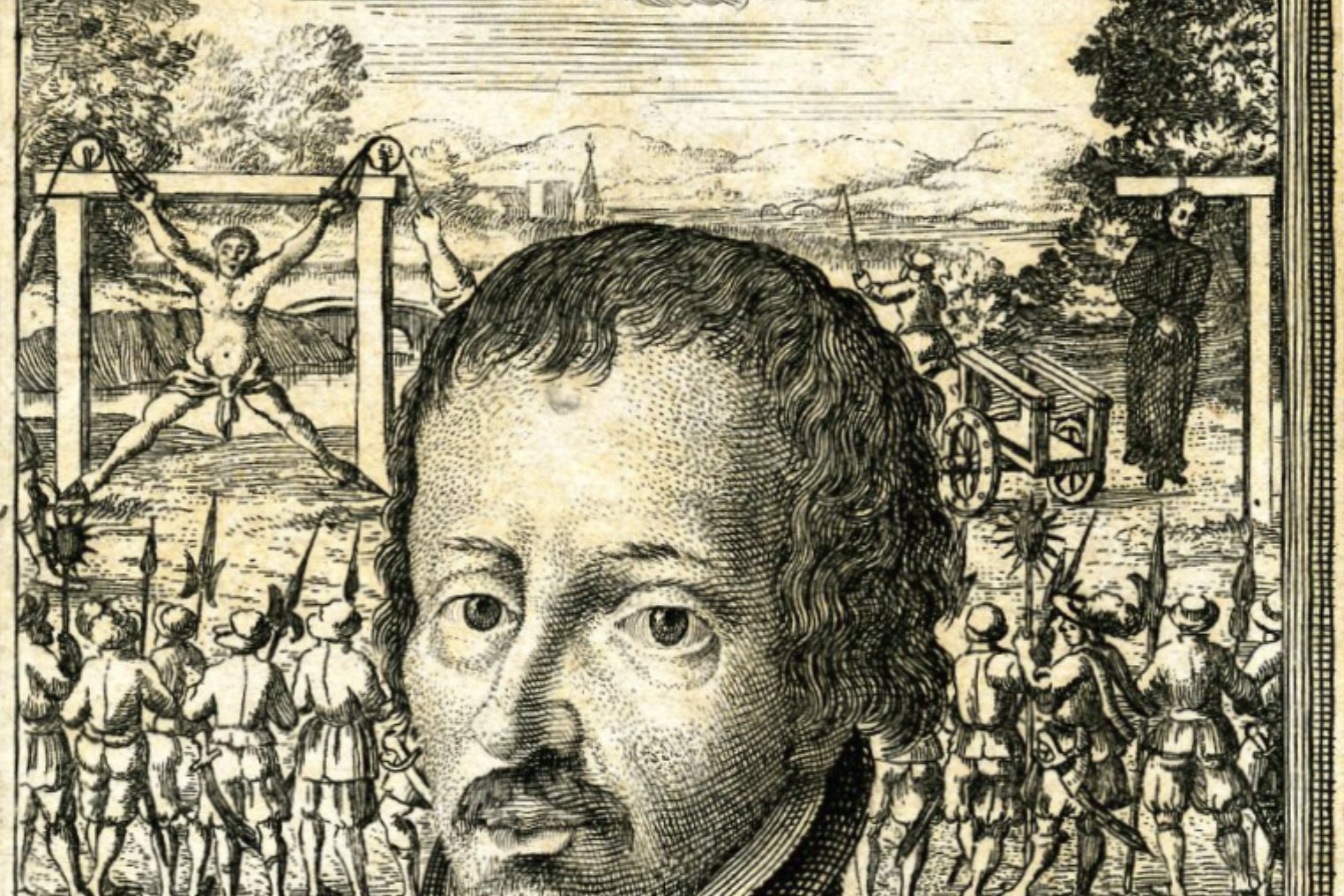
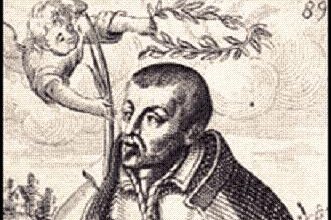
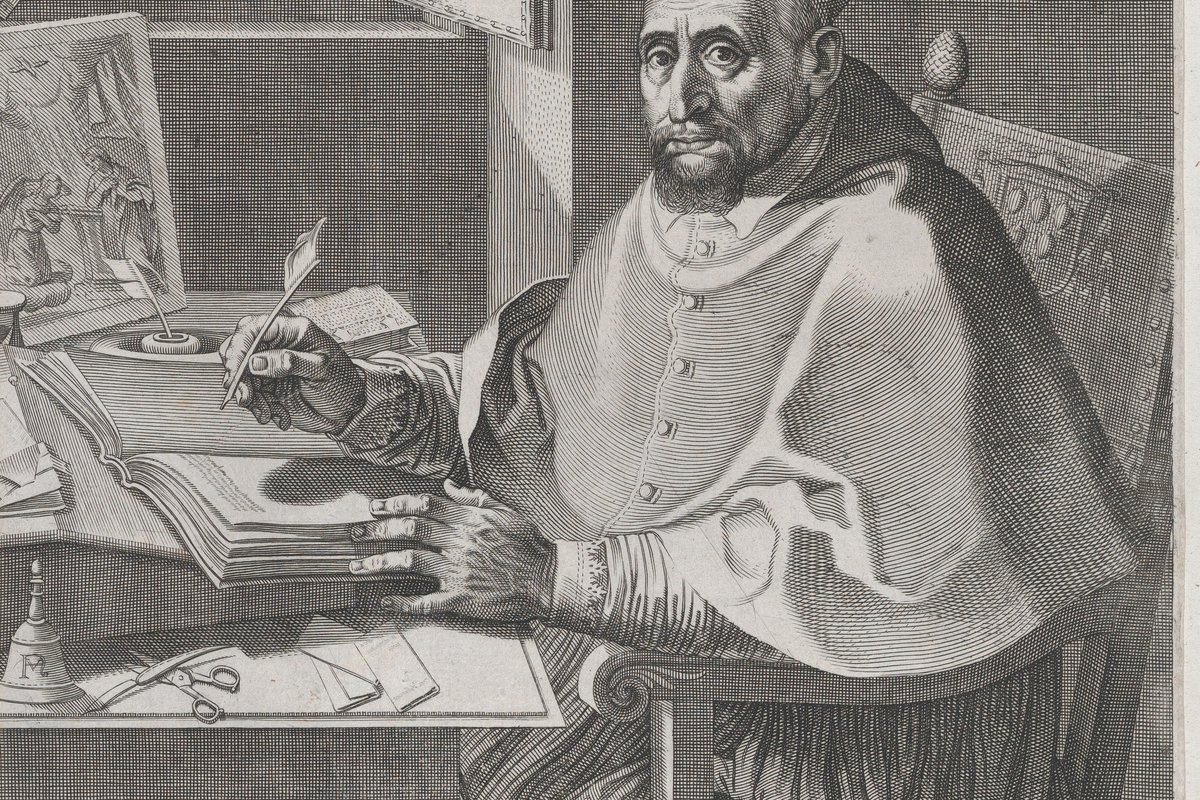
Johann Martin Lerch, engraved portrait of Edmund Campion, c. 1671–1680, Wikimedia Commons — public domain.
That trajectory unraveled over the following decade as Campion's private doubts about the Church of England hardened into a decision he knew would cost him everything. He left England in 1571, eventually made his way to Rome, and in 1573 entered the Society of Jesus — the Jesuits, a religious order still young at the time, founded only a few decades earlier by Ignatius of Loyola and already known for both its rigorous formation and its willingness to send men into dangerous mission fields. Campion was ordained a Catholic priest in 1578 and spent several years teaching in Jesuit colleges in Bohemia before Rome asked him for something far more perilous: a return to his native England.
The underground mission
By 1580, practicing the Catholic faith openly in England had become a serious legal risk. Attending Mass, harboring a priest, or being ordained a Catholic priest abroad and returning to England could all bring fines, imprisonment, or worse under the penal laws passed since Elizabeth's excommunication by the Pope in 1570. Campion and a small number of fellow Jesuit and seminary priests nonetheless slipped into the country disguised as merchants and travelers, moving secretly between the country houses of Catholic families willing to shelter them, saying Mass, hearing confessions, and trying to hold together a Catholic community that the state was actively trying to dismantle.
Before setting out, Campion wrote a letter explaining his purpose, insisting he had come "only for the gaining of souls" and had no interest in politics or plots against the Queen. He never intended it for wide circulation, but it was copied and passed hand to hand until it became one of the most read underground documents of the period, known ever since as "Campion's Brag." Its calm, almost defiant tone — a scholar explaining himself plainly rather than pleading for mercy — is part of why it has outlasted nearly everything else written in the controversy.
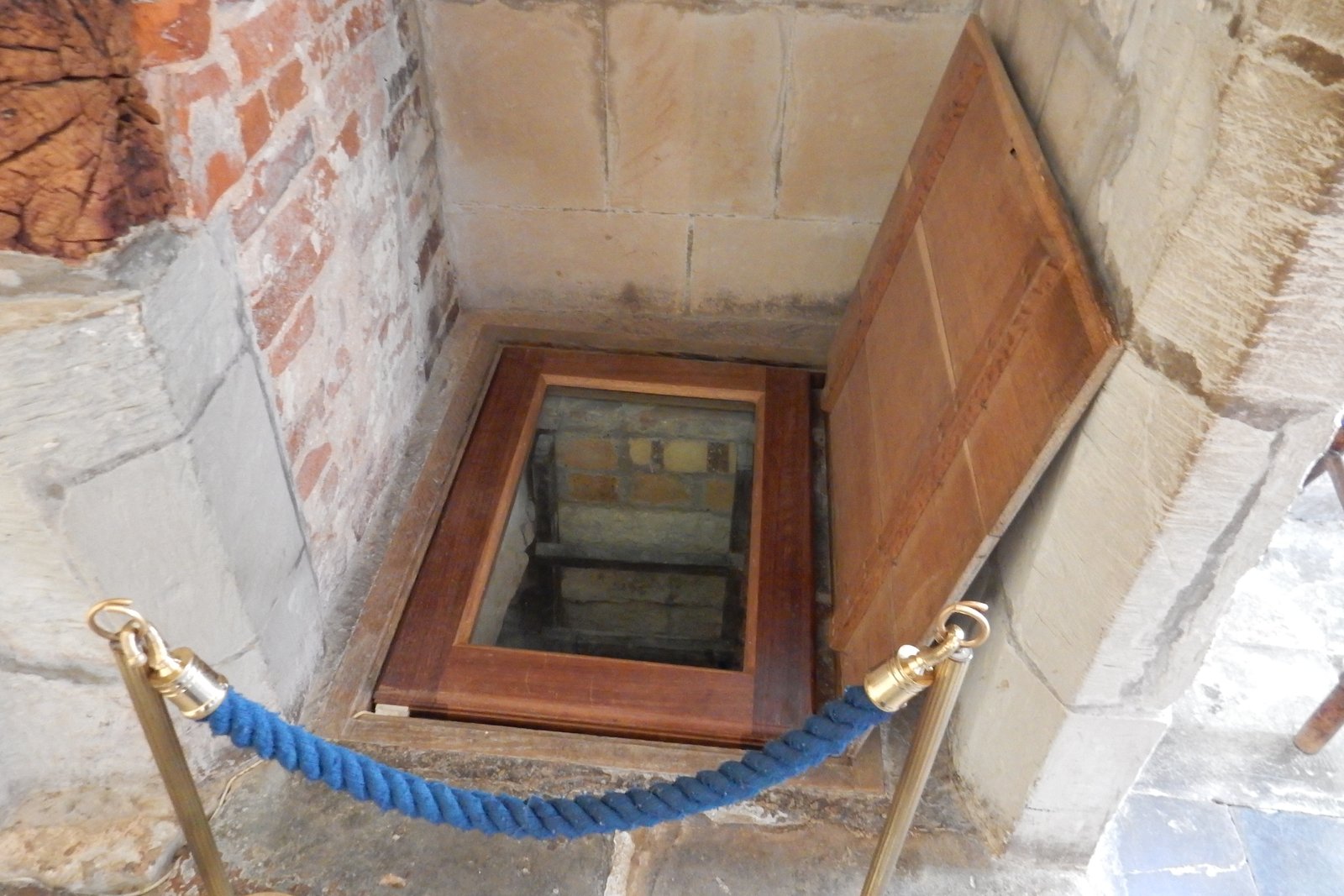
Campion managed to stay ahead of the government's priest-hunters for roughly a year, moving from house to house and even secretly printing a theological work, Decem Rationes ("Ten Reasons"), defending the Catholic faith, which he had smuggled into the pews of Oxford's University Church for the 1581 Commencement ceremonies — a calculated act of defiance aimed squarely at the academic world that had once celebrated him. He was finally betrayed and captured at Lyford Grange in Berkshire on July 17, 1581, found hidden inside a priest hole, a concealed space built into English Catholic houses specifically to hide clergy during searches.
Trial, torture, and Tyburn
Campion was taken to the Tower of London, tortured on the rack in an attempt to extract the names of the Catholic families who had sheltered him, and pressed to debate Church of England theologians in a series of staged public disputations — encounters he handled with enough skill, even in his weakened state, to unsettle his questioners. He was ultimately tried not for the practice of his priesthood directly but on a broader charge of treasonous conspiracy against the Queen, built on testimony from paid informants that most historians since have regarded as fabricated or wildly exaggerated. He was convicted and sentenced to the traditional Elizabethan penalty for treason.
On December 1, 1581, Edmund Campion was hanged, drawn, and quartered at Tyburn, the public execution site outside London, alongside two other Catholic priests. Contemporary accounts describe him meeting the sentence calmly, forgiving those responsible for his death and continuing to pray as the execution proceeded. His death, and the public nature of it, did more to cement his reputation than years of quiet ministry might have — English Catholics began quietly collecting relics and accounts of his life almost immediately, treating him from the start as a martyr rather than a condemned traitor.
From Tyburn to canonization
Campion's story sits alongside a wider wave of English and Scottish Catholic clergy executed for their ministry in this period, including the Jesuit missionary John Ogilvie, martyred in Scotland decades later under a similar legal logic. The Catholic Church began formally recognizing these deaths as martyrdoms long after the fact: Pope Leo XIII beatified Campion in 1886, and Pope Paul VI canonized him on October 25, 1970, together with thirty-nine other English and Welsh Catholics executed between the 1530s and 1670s, as the Forty Martyrs of England and Wales — a group meant to represent the far larger number of Catholics who died for the same reason during that century and a half of persecution.
Campion is remembered today less for any single miracle or devotional tradition than for the sheer clarity of his choice: a man handed every advantage the Elizabethan establishment could offer, who walked away from all of it for a ministry he knew carried a near-certain death sentence. Jesuit schools and student societies across the English-speaking world still carry his name, a direct link back to the Oxford scholar who once impressed a queen and then defied her.
Trivia
Who was Saint Edmund Campion?
Why was Edmund Campion executed if he claimed only to be a priest?
What is Campion's Brag?
Is Edmund Campion a canonized saint?
What is Edmund Campion's feast day?
You May Also Like
Related Reading