Saint Nicholas Owen

A carpenter drawn into the underground Church
Nicholas Owen was born around 1550 in Oxford, into a Catholic family at a time when practicing that faith openly in England carried real legal and social risk following the Elizabethan religious settlement. He trained as a carpenter, a trade that would prove decisive for the rest of his life, and became associated with the Jesuit mission to England, eventually entering the Society of Jesus himself as a lay brother — a member of the order committed to religious life and obedience without ordination to the priesthood, freeing him to focus entirely on the practical, skilled work his particular talents suited him for.
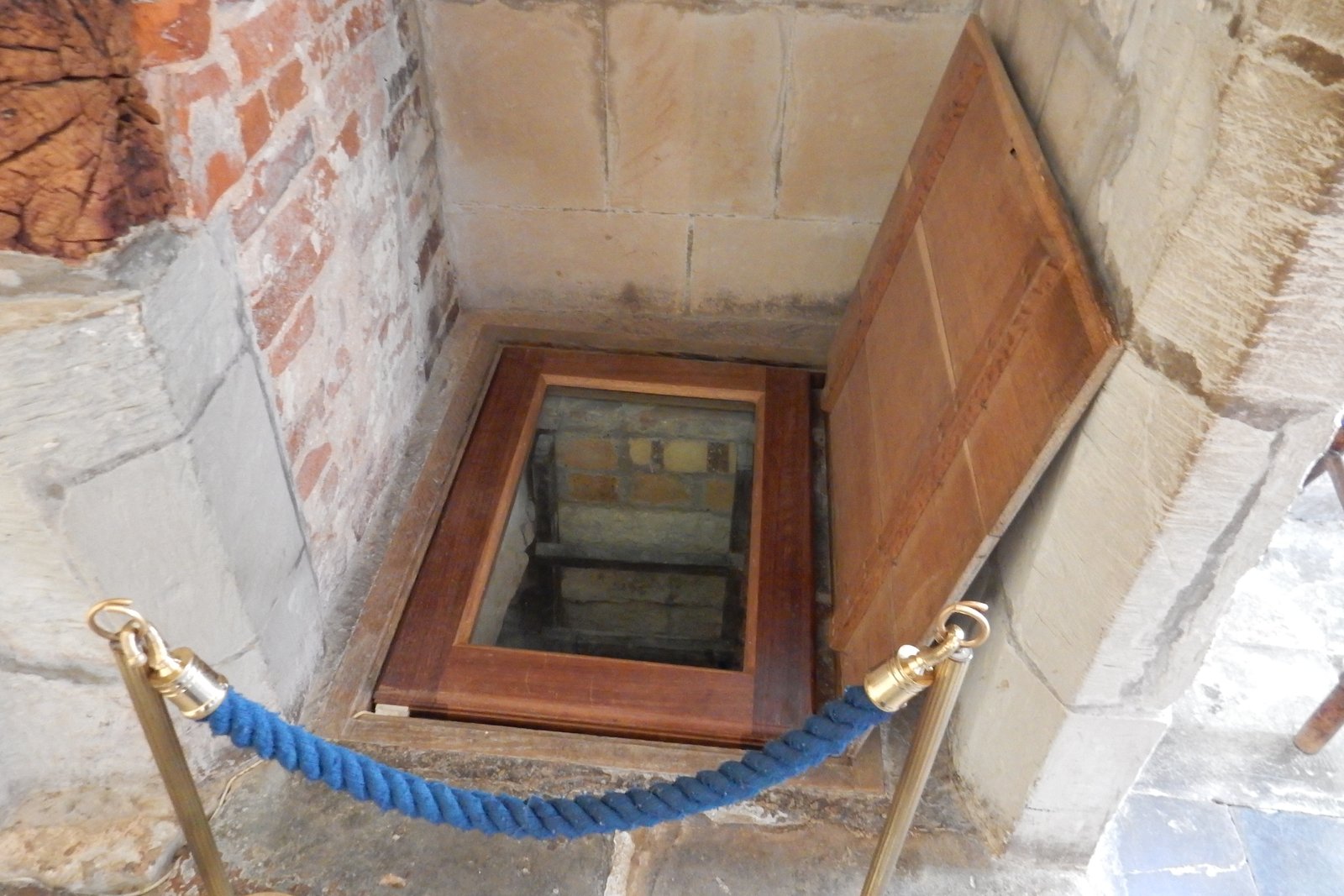
Priest hole entrance, Baddesley Clinton, Warwickshire — used under CC BY 2.0, photograph by CharmaineZoe's Marvelous Melange.
That work became clear fairly quickly: as the government intensified its pursuit of Catholic priests operating secretly in England under Saint Robert Southwell's generation of Jesuit missionaries and beyond, sympathetic Catholic gentry families needed genuinely secure places to hide priests during searches, since being caught sheltering a priest carried severe legal penalties of its own. Owen took up this need as his life's specific work, traveling from house to house across England to design and construct hiding places — priest holes — built directly into the structural fabric of homes willing to shelter Catholic clergy.
Working alone, at night, for eighteen years
The nature of Owen's work demanded an unusual combination of skills and discipline: genuine structural and carpentry expertise, since a poorly built hiding place could collapse or be too easily found; absolute discretion, since even the household employing him often couldn't be told exactly where the hole would be located, to protect them from being forced to reveal it under later interrogation; and enormous physical endurance, since Owen typically worked at night, alone, over extended periods, to avoid detection by anyone outside the small circle who needed to know his purpose at all. He is recorded as having used a range of ingenious locations — behind chimneys, beneath staircases, within the thickness of walls that appeared, from any ordinary inspection, to be simply structural.
Owen sustained this work for roughly eighteen years, spanning some of the most dangerous decades of anti-Catholic enforcement in English history, building hiding places at a substantial number of Catholic gentry houses. His skill became legendary even within his own lifetime among the small, necessarily secretive network of Jesuits and Catholic families who depended on his work — he was widely regarded, including by his own superiors within the Jesuit mission, as the single most accomplished builder of priest holes operating in England, a craftsman whose work was directly, literally responsible for saving the lives of numerous priests who would otherwise have been captured during government raids.
Undiscovered for centuries
The quality of Owen's work is attested by more than reputation alone: a number of the priest holes he built went completely undetected for centuries after his own death, some not discovered until well into the modern period, long after the persecution that had made them necessary had ended. This isn't simply a claim made in his favor by sympathetic later biographers — it's a directly verifiable historical fact, documented at specific surviving houses where Owen's hiding places have been identified by later researchers and preservationists studying the buildings' construction.
Capture, torture, and death without confession
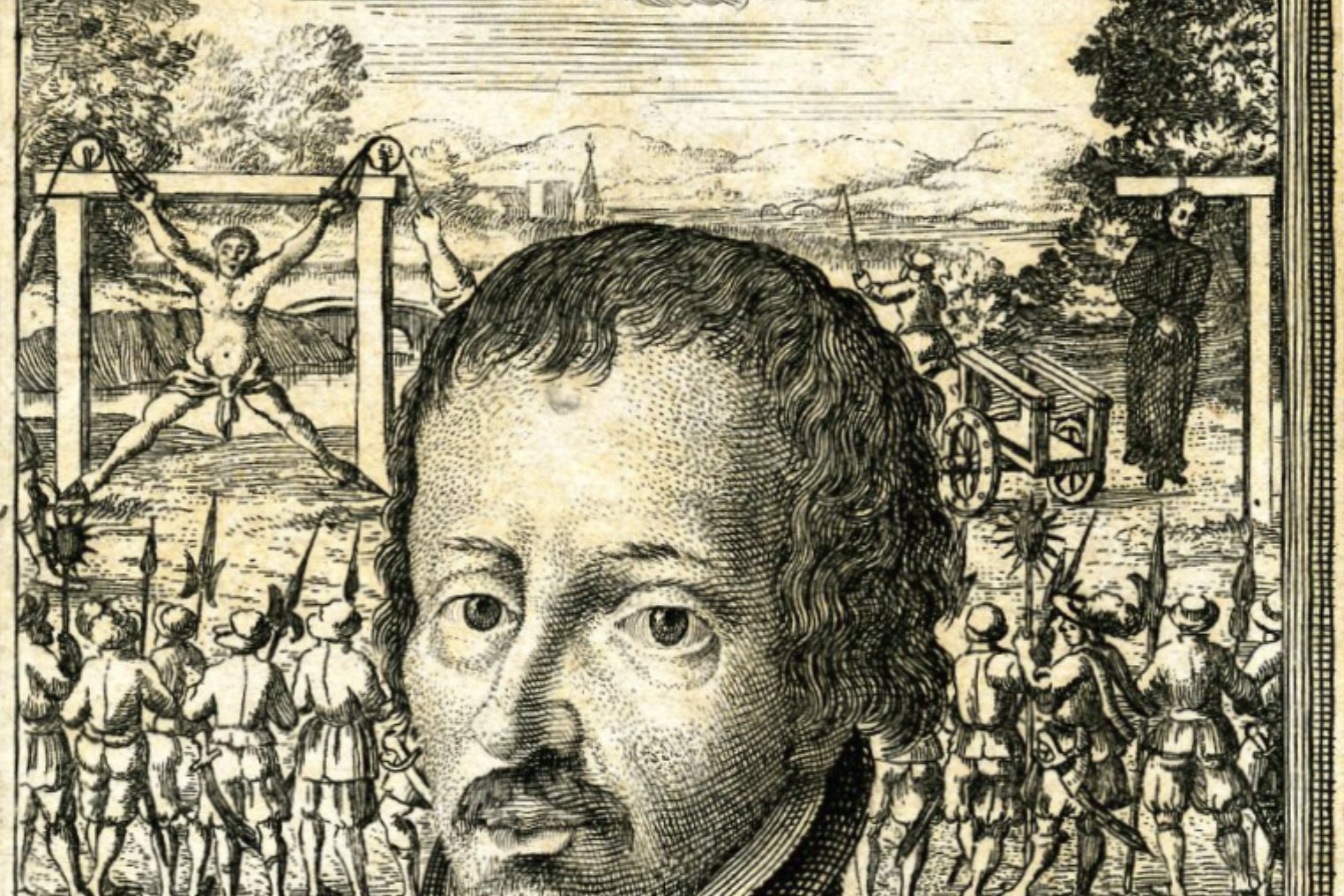
The crisis that ended Owen's working life came in the aftermath of the Gunpowder Plot of 1605, when government suspicion and persecution of Catholics intensified sharply across England, even though Owen himself had no connection to the plot. He was captured in early 1606 while working at Hindlip Hall in Worcestershire, discovered after an extended search of the house, and taken to the Tower of London for interrogation.
What followed was sustained and severe torture, carried out over several days with the specific goal of forcing Owen to reveal the locations of priest holes he had built and the identities of the Catholic families who had commissioned and sheltered them — information that, if extracted, would have exposed numerous other people to arrest and likely execution. Owen revealed nothing. He died from the effects of the torture itself, before the government could bring him to a formal trial, on March 2, 1606 (with his feast subsequently kept on March 22) — a death the Church came to regard as a genuine martyrdom, achieved through silence under torture rather than through the more common path of public execution after trial and conviction.
Canonized among the Forty Martyrs
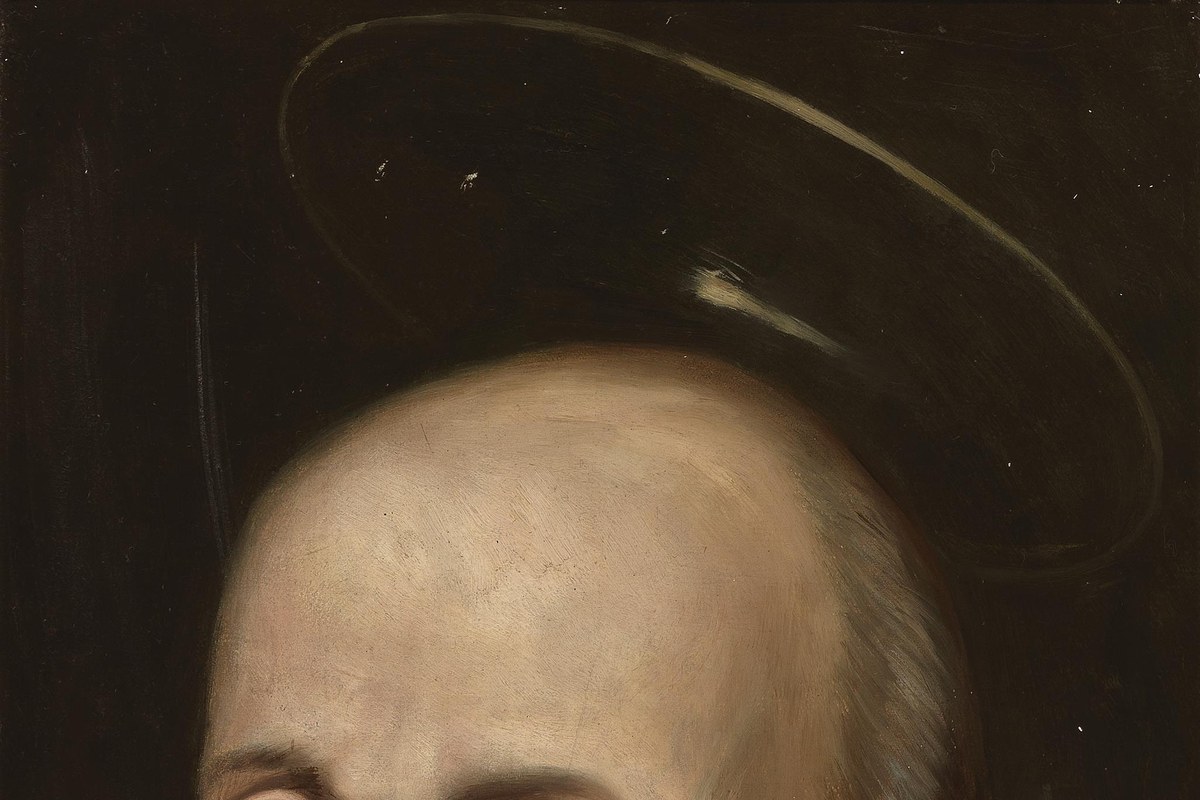
Nicholas Owen was canonized in 1970 by Pope Paul VI as one of the Forty Martyrs of England and Wales, the same group that includes Robert Southwell and other Catholics executed or killed during this extended period of English religious persecution. His feast is kept on March 22, and again on October 25 with the shared feast of the Forty Martyrs. In a distinctly modern turn, Owen has also been recognized informally as a patron of illusionists and escapologists — a patronage that grew directly out of his own specific craft, a fitting, if unusual, way for a man whose entire vocation depended on skillful concealment to be remembered centuries after his death.
Trivia
Who was Saint Nicholas Owen?
What was a priest hole, and why were they needed?
How skilled was Nicholas Owen at building priest holes?
What happened to Nicholas Owen after his capture?
When is Saint Nicholas Owen's feast day?
You May Also Like
Related Reading