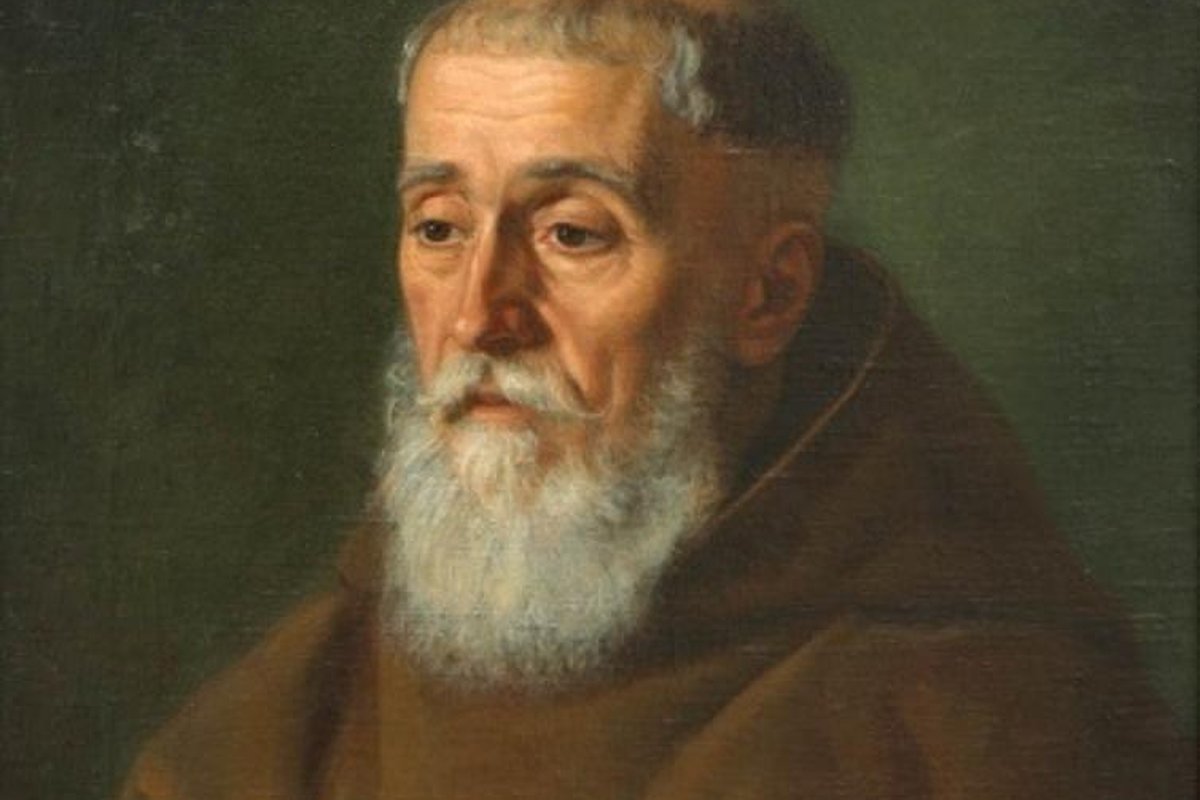
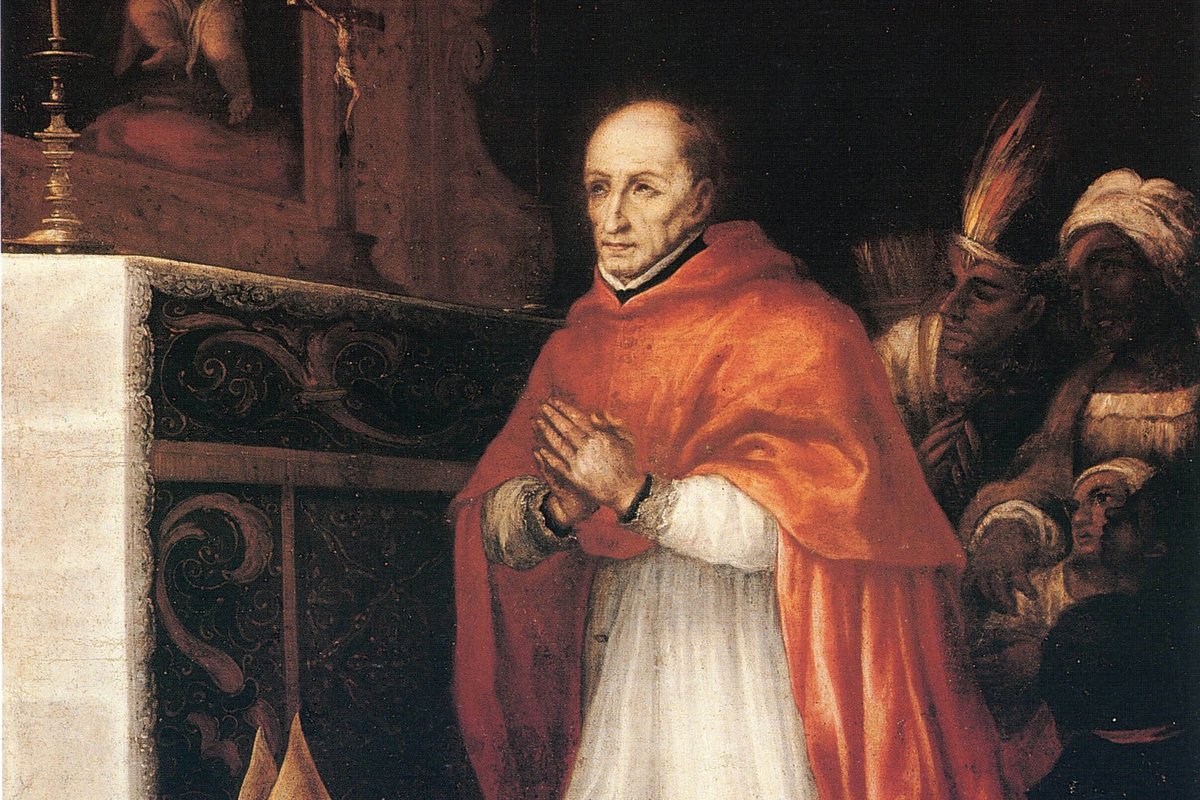
Saint Francisco Solano

From Andalusia to a Franciscan vocation
Francisco Solano was born in 1549 in Montilla, in the Andalusian region of southern Spain, and entered the Franciscan order as a young man, drawn to a life shaped by the same tradition of poverty and itinerant preaching that had defined the order since Saint Francis of Assisi founded it centuries earlier. He was ordained a priest and spent his early religious life in Spain, developing both the preaching skills and the personal austerity that would define his later missionary career, before volunteering for the missions in Spanish America — a posting that meant an ocean crossing to territory still being actively colonized and evangelized, with no realistic expectation of ever returning home.
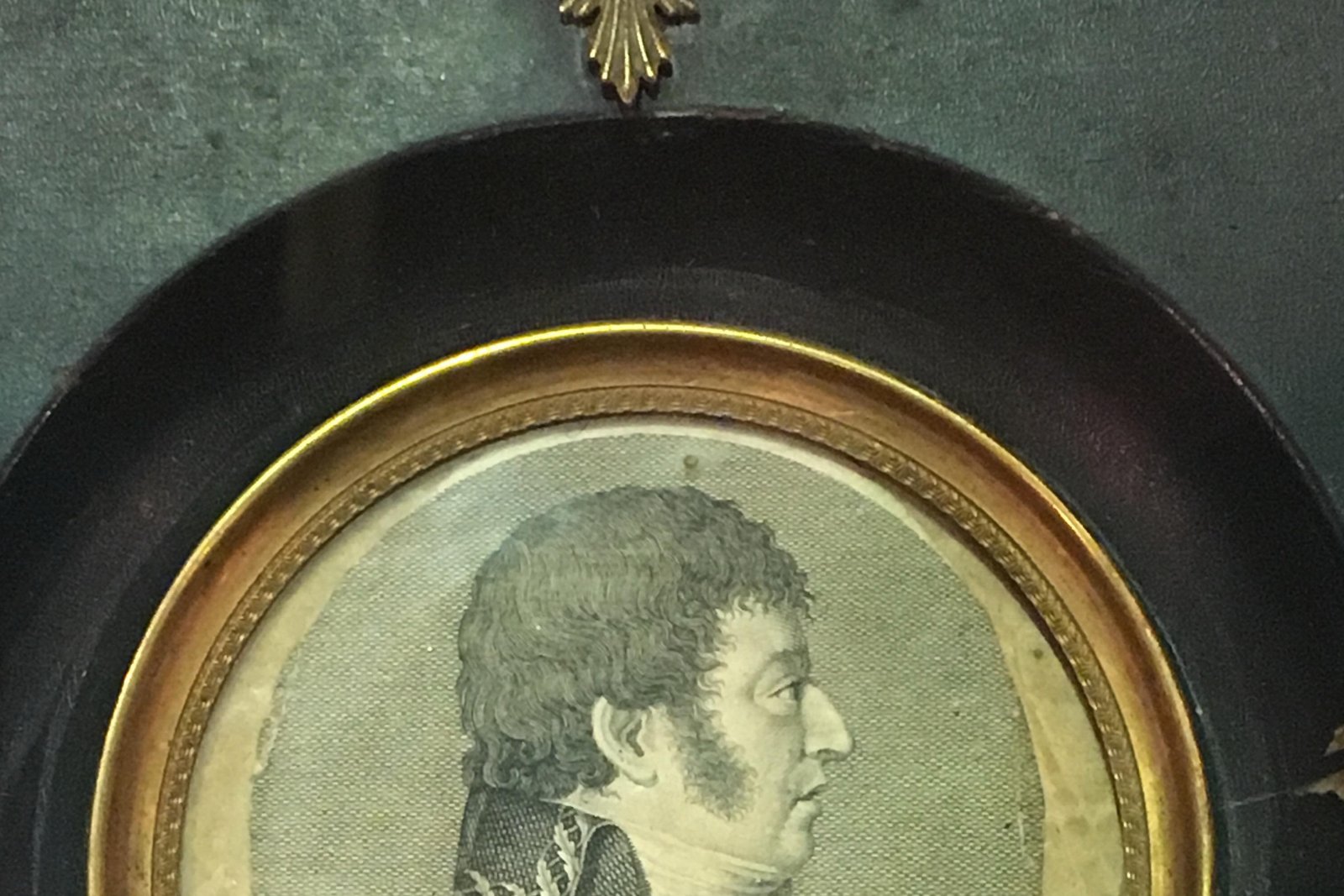
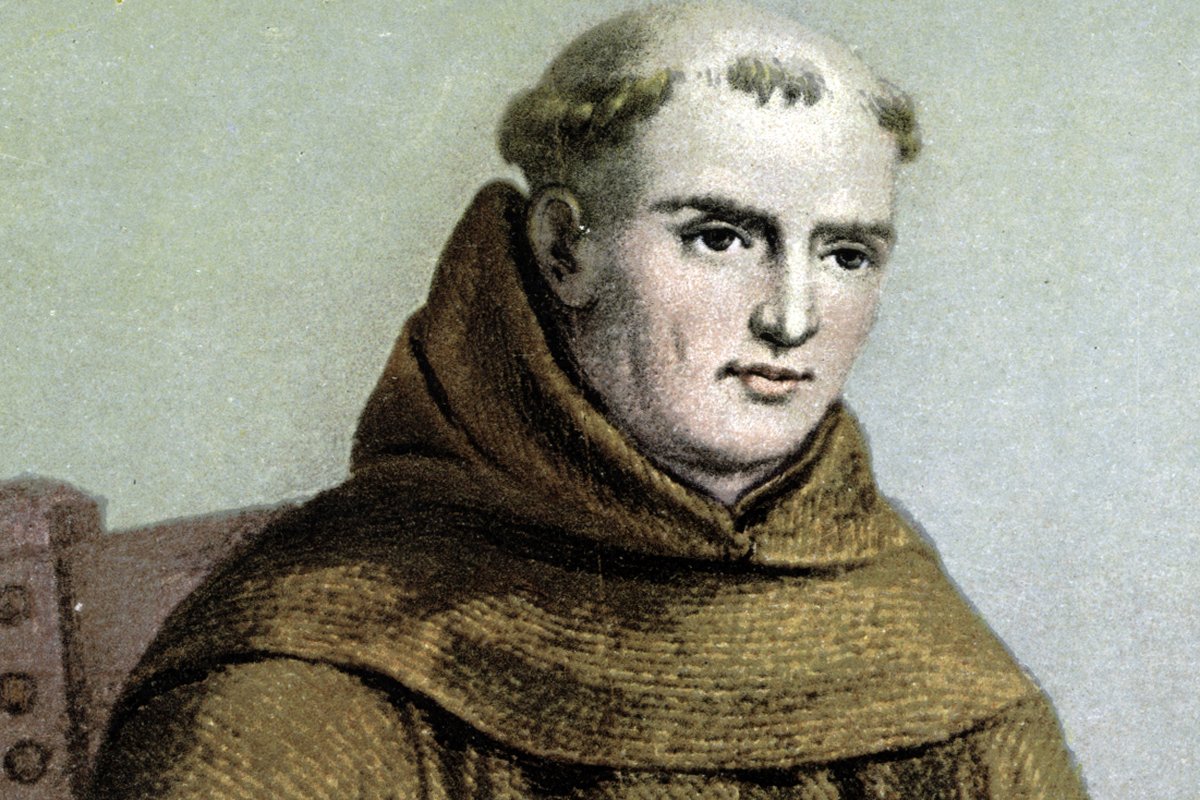
Devotional painting of Saint Francisco Solano, Spanish colonial tradition — used under CC BY-SA 4.0.
He arrived in South America in 1589, and the following two decades took him across an extraordinary range of territory: present-day Argentina, Paraguay, and Bolivia before he eventually settled more permanently in Lima, Peru, in the final phase of his life. This wasn't missionary work conducted from a fixed base with occasional trips outward — Solano's ministry during these years was defined by sustained, difficult overland travel across mountains, rivers, and plains, reaching indigenous communities who had, in many cases, had little or no previous contact with Spanish missionaries.
A violin instead of an argument
The detail that most distinguishes Solano's missionary approach from many of his contemporaries is his reported use of music as a primary tool of evangelization. He was a skilled violinist, and multiple accounts describe him using the instrument deliberately to reach communities before language could — playing to gather a crowd, to calm tension, or simply to establish a connection that didn't depend on shared vocabulary, in territory where Solano and the people he was trying to reach frequently had no common language at all. It's a detail vivid enough, and specific enough across independent sources, that historians treat it as a genuine and distinctive feature of his missionary method rather than later embellishment, and it became one of his lasting iconographic attributes — Solano is very often depicted holding a violin in later religious art.
This approach doesn't mean Solano avoided direct preaching; by all accounts he was also a forceful, effective preacher once language allowed it, and his reputation for eloquence grew substantially during his years in Lima. But the violin detail captures something real about his broader missionary instinct: a willingness to reach people through means other than argument, in a missionary context where argument alone often failed.
A friar who challenged the colonizers
Solano's final two decades, based mainly in Lima, brought him into direct and public conflict with parts of Spanish colonial society. Multiple accounts describe him preaching openly against the exploitation and mistreatment of indigenous peoples by Spanish colonists and authorities — a position that took real courage in a colonial hierarchy where criticizing the treatment of indigenous labor could and did create serious friction with powerful interests. This combination — a missionary whose evangelization had depended on genuine engagement with indigenous communities, now willing to publicly criticize his own colonial society's treatment of those same communities — is a consistent and well-attested thread in the sources describing his Lima years, distinguishing him from missionaries of the period who confined themselves strictly to religious instruction.
He was also credited during his lifetime with prophetic warnings connected to earthquakes that struck Lima and Trujillo, and with a range of other reported miracles that contributed to a strong popular cult around him even before his death — a reputation for holiness that, combined with his social criticism, made him a genuinely significant public figure in early seventeenth-century Lima rather than simply one friar among many.
A missionary remembered across national borders
Because his two decades of travel crossed territory that would later become several distinct South American nations, Solano's cult never settled into a single national identity the way many missionary saints' devotions eventually do — he is honored today in Argentina, Paraguay, Bolivia, and Peru alike, each country claiming a genuine share of his ministry rather than treating him as primarily belonging to one place. Several towns and parishes across the region trace their own founding or naming directly to sites Solano is recorded as having visited or evangelized, a living geographic footprint that reflects just how extensively, and how far from any fixed base, his missionary years actually ranged before he settled permanently in Lima.
Death, canonization, and a lasting South American cult
Francisco Solano died in Lima on July 14, 1610, having spent essentially his entire adult religious life either in transit across South American mission territory or, in his final years, deeply embedded in the religious life of colonial Lima. He was canonized in 1726 by Pope Benedict XIII, and his feast is kept on July 14. His cult remains especially strong in Peru and across the countries touched by his missionary journeys, and his combination of itinerant evangelization, musical outreach, and outspoken concern for the treatment of indigenous peoples has made him a figure of continuing interest well beyond the specifically devotional record of his life — a missionary remembered as much for how he crossed the distance between cultures as for the distances themselves.
Trivia
Who was Saint Francisco Solano?
How did Francisco Solano use music in his missionary work?
Did Francisco Solano oppose the mistreatment of indigenous peoples?
What is Francisco Solano remembered for besides his missionary travels?
When is Saint Francisco Solano's feast day?
You May Also Like
Related Reading