Saint Pedro Poveda

A priest drawn to the poorest classrooms available
Pedro Poveda Castroverde was born in 1874 in Linares, in the Andalusian region of southern Spain, into a modest family. He entered the seminary and was ordained a priest in 1897, and his early ministry took him to Guadix, a diocese in the mountainous interior of Andalusia where some of the region's poorest families lived in dwellings carved directly into the hillside caves outside the town — a common form of housing in that part of Spain at the time, born of poverty rather than any romanticized rural tradition, and largely bypassed by whatever formal educational institutions existed in the wider diocese.
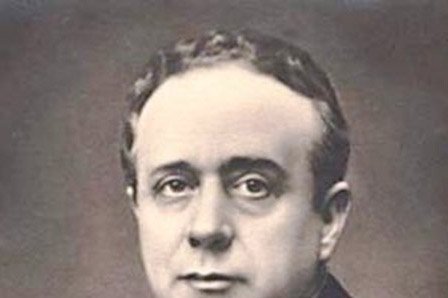
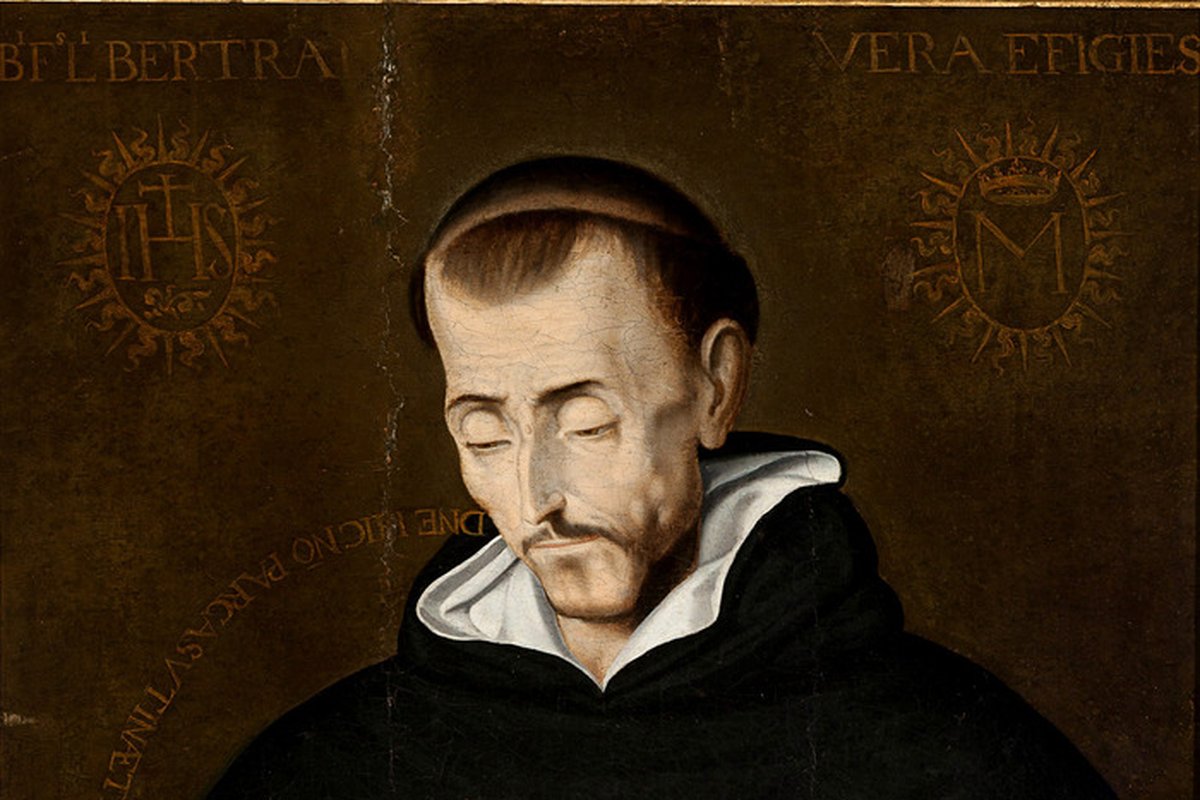
Photograph of Pedro Poveda, early 20th century, Wikimedia Commons — public domain.
Rather than confining his ministry to the cathedral where he was assigned, Poveda began personally organizing schools for the children of these cave-dwelling families, arranging whatever makeshift space and basic supplies he could secure and recruiting help wherever he found it. He also worked to improve the physical living conditions in the caves themselves, pushing for better ventilation and sanitation in a community easy for the wider Church and civil authorities of the period to overlook. This period of direct, unglamorous work among Guadix's poorest residents shaped the educational philosophy that would define the rest of Poveda's ministry: that serious, high-quality education, delivered with real personal investment, was itself a form of charity owed to the poor, not a luxury reserved for those who could already afford it.
Founding the Teresian Association
In 1911, after further study and ministry that brought him increasingly into contact with questions of Catholic education more broadly, Poveda founded what became known as the Teresian Association, named in honor of Teresa of Avila, the great Spanish Carmelite mystic and reformer. The association was aimed specifically at the Christian formation and professional preparation of teachers, with a particular emphasis on women — at a time when Spanish women's access to serious academic training, let alone leadership roles within education, remained sharply limited by the social and institutional norms of the period.
The Teresian Association combined rigorous academic and professional preparation with a serious, integrated spiritual formation, an approach Poveda believed was necessary if Catholic teachers were going to compete credibly and effectively within an increasingly secular Spanish educational landscape, rather than being pushed to the margins of it. The association grew steadily during Poveda's lifetime and, notably, continued to expand internationally in the decades after his death, eventually establishing a presence across multiple continents — a considerably wider reach than its modest founding circumstances in provincial Andalusia might have suggested.
Madrid, and the opening weeks of civil war
By the 1920s and 1930s, Poveda had relocated his base of operations to Madrid, continuing to guide the growing Teresian Association while also serving as chaplain to Spain's royal palace under the monarchy — a position that placed him, by the time Spain's political situation deteriorated sharply in the 1930s, in a category of clergy particularly exposed to the intense anticlerical violence that erupted in Republican-controlled areas following the outbreak of civil war in July 1936.
That violence, which claimed the lives of thousands of Spanish clergy, religious, and lay Catholics in the opening weeks and months of the conflict, reached Poveda within days of the war's start. He was arrested in Madrid, and on July 28, 1936 — barely more than a week after the war began — he was taken out and executed by firing squad, one name among a vast number of Catholic clergy and laypeople killed in that same terrible summer across Republican Spain, in a wave of persecution the Church would spend decades afterward carefully documenting, saint by saint and case by case, precisely because the sheer scale of it risked leaving so many individual stories unrecorded.
Canonization and lasting educational legacy
Pope John Paul II beatified Pedro Poveda in 1993 and canonized him on May 4, 2003, recognizing both the martyrdom of his final days and the substantial, lasting educational legacy he had built over the preceding four decades. His feast is kept on May 28.
The Teresian Association Poveda founded in a provincial Spanish diocese, built initially around teaching the children of families living in caves outside Guadix, remains active today across a considerable number of countries, continuing the same basic conviction that drove Poveda from his earliest years as a priest: that a serious, well-formed education is itself among the most direct and lasting forms of charity the Church can offer to those who most lack access to it.
A martyrdom remembered among thousands of others
What makes Poveda's story worth telling on its own terms, rather than simply as one entry in a long list of Spanish Civil War casualties, is the contrast between the quiet, patient, decades-long institution-building that filled most of his life and the abruptness of how it ended. He was not a public political figure in the way some other clergy targeted in 1936 were, nor was he known for taking sides in the bitter ideological disputes that had divided Spain in the years leading up to the war. He was, by most accounts, simply a priest who had spent his career founding schools and forming teachers — work that, in the chaos and suspicion of the war's opening weeks, offered him no protection at all.
That gap between the ordinary, constructive nature of his life's work and the sudden violence of his death is a pattern repeated across a great many of the Spanish Civil War martyrs the Church has since recognized, and it is part of why the Church has approached this particular chapter of twentieth-century history with such deliberate, case-by-case documentation — insisting, wherever possible, on establishing the concrete circumstances of each individual death rather than treating the era's enormous casualty figures as an undifferentiated mass. Poveda's own case is unusually well documented precisely because the institution he built survived him and continued to preserve and share his story in the decades that followed.
Trivia
Who was Saint Pedro Poveda?
What was Pedro Poveda's early ministry among the cave-dwellers of Guadix?
What is the Teresian Association that Pedro Poveda founded?
How did Pedro Poveda die?
When was Pedro Poveda canonized?
You May Also Like
Related Reading