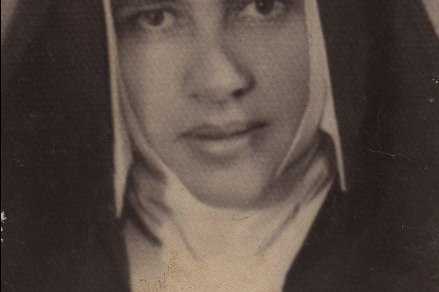
Saint Josemaria Escriva

A childhood shadowed by loss
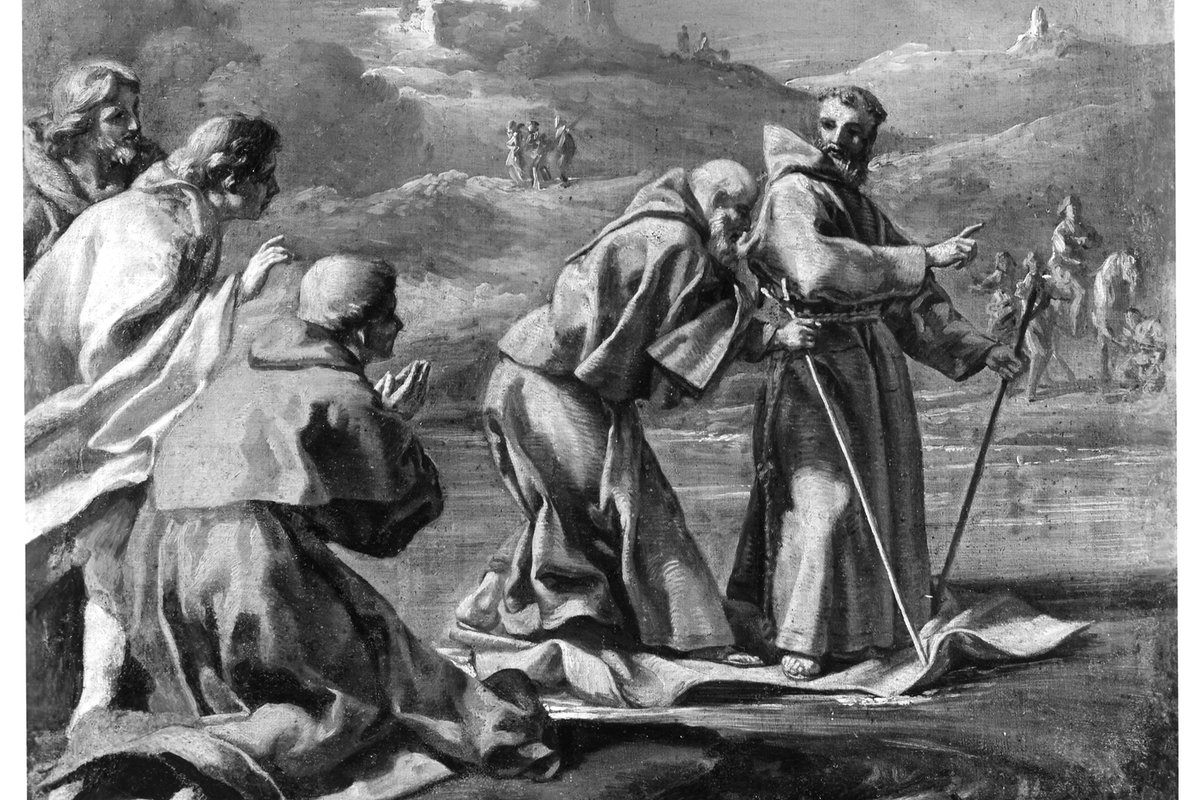
Josemaria Escriva was born on January 9, 1902, in Barbastro, in the Aragon region of northern Spain, into a merchant family that fell into financial hardship after his father's business failed. Before Josemaria reached adolescence, three of his younger sisters died in childhood — a string of losses that, by his own later account, deepened his family's faith rather than shaking it. The family relocated to Logroño, where his father found work, and it was there, as a teenager, that Josemaria reported seeing footprints in freshly fallen snow left by a barefoot Carmelite friar — a small, striking detail that he later said helped crystallize his sense that God was calling him to give up something significant, though he wasn't yet sure what.
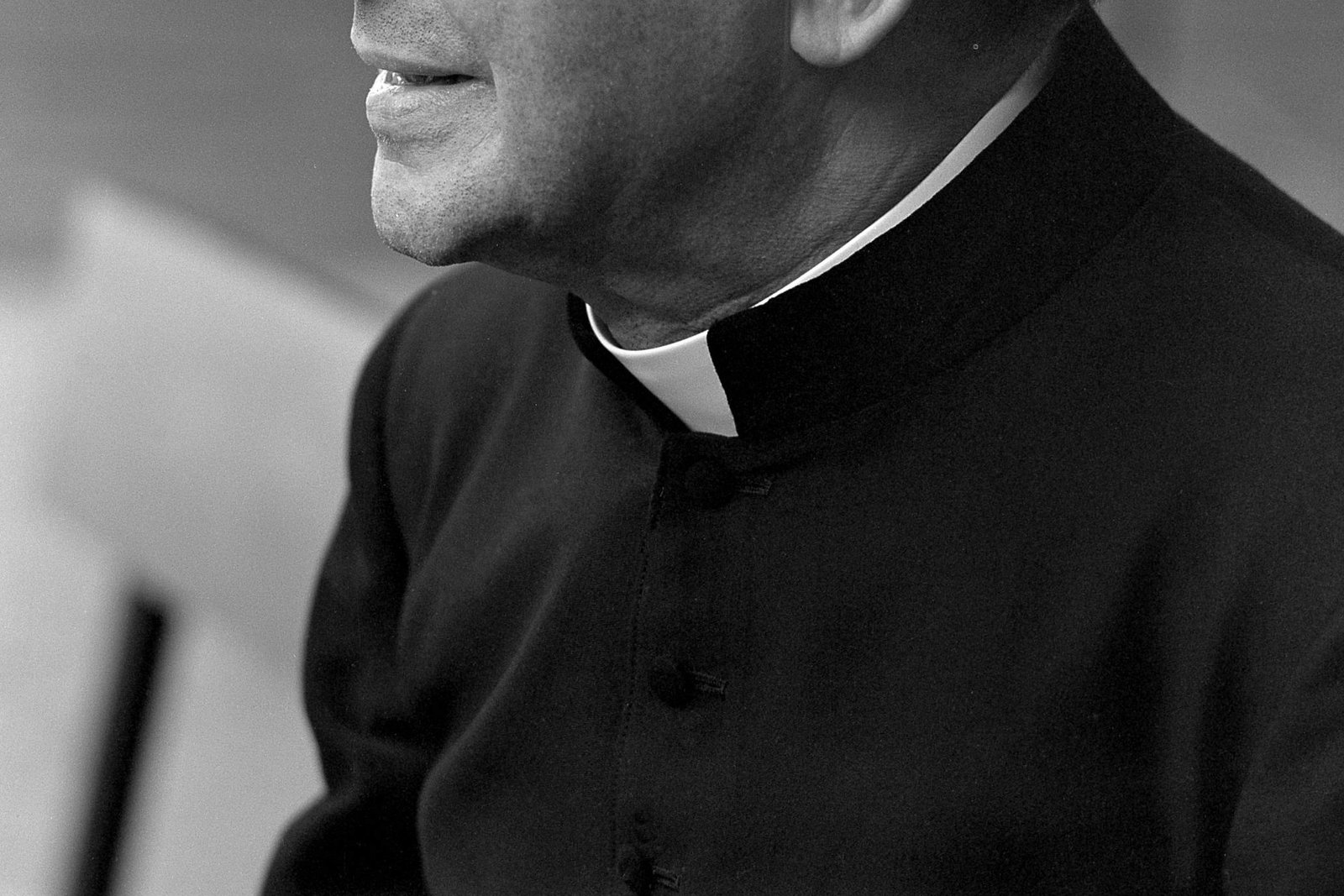
Photograph distributed by the Prelature of Opus Dei's press office in Spain, Josemaria Escriva, 1966 — CC BY-SA 2.0, via Wikimedia Commons.
He entered the seminary in Logroño and later Zaragoza, and was ordained a priest on March 28, 1925. In the years that followed he ministered in poor and working-class parishes around Madrid, working directly with the sick, the poor, and the dying — pastoral experience that put him in daily contact with the exact kind of ordinary, unglamorous life his later teaching would center on.
The founding insight of October 2, 1928
The event Escriva and his followers point to as the founding moment of Opus Dei took place during a personal retreat in Madrid on October 2, 1928. Escriva said that in the course of that retreat, he came to see with sudden clarity something he described as having been shown to him: that lay Christians, in the middle of thoroughly secular jobs and family responsibilities, could pursue the same fullness of holiness traditionally associated with monastic life, by turning their ordinary daily work itself into an act of love for God, done with care and integrity. He called this insight, somewhat cryptically in his own later writings, simply "the Work" — Opus Dei in Latin — and spent the rest of his life building an organization around it.
This idea, often summarized today as the "universal call to holiness," wasn't entirely without precedent in Catholic theology, but Escriva's particular emphasis — that a stockbroker or a homemaker sanctifying their actual job was doing something as spiritually significant as a monk's vows — was distinctive enough, and delivered with enough organizational force, to shape Second Vatican Council language decades later on the vocation of the laity.
The Spanish Civil War years
Opus Dei's early growth was interrupted almost immediately by the Spanish Civil War, which broke out in 1936. Religious persecution during the war's opening months forced Escriva into hiding in Madrid, and he eventually made a dangerous crossing of the Pyrenees on foot to reach the Nationalist-controlled zone, an ordeal he later described in his writings on providence and trust in difficult circumstances. After the war ended in 1939, he resumed building Opus Dei from Madrid, and the organization spread first through Spain and then, from the 1940s onward, internationally — to Portugal, Italy, and eventually across Europe, the Americas, Asia, and Africa.
Building a prelature and writing The Way
Much of Escriva's public legacy rests on his writing. His best-known book, The Way, first published in 1934 and expanded through several later editions, is a collection of short spiritual maxims — some only a sentence long — meant to be read in small doses as points for daily meditation on ordinary Christian life. It has been translated into dozens of languages and remains Opus Dei's most widely read text.
Institutionally, Escriva spent decades seeking a canonical structure that would properly fit Opus Dei's unusual character: an organization made up overwhelmingly of laypeople, alongside a smaller body of priests, unified around a spiritual mission rather than a geographic territory like an ordinary diocese. That structure — a personal prelature — didn't formally exist in canon law until Pope John Paul II created it for Opus Dei in 1982, seven years after Escriva's death, resolving a question the founder had wrestled with for most of his ministry.
Canonization and continuing debate
Escriva died in Rome on June 26, 1975. His canonization process moved with unusual speed by modern standards — he was beatified in 1992 and canonized on October 6, 2002, by Pope John Paul II, less than three decades after his death. That pace, along with Opus Dei's internal culture of relative discretion about its membership and practices, has drawn ongoing criticism and debate among some Catholics and outside observers over the decades, even as the Church's formal position, expressed through the canonization itself, holds that his teaching and the organization he founded are sound and beneficial to the wider Church.
Feast day
Saint Josemaria Escriva's feast is kept on June 26, the anniversary of his death.
Related reading
Readers interested in 20th-century founders whose personal experience shaped an entire movement within the Church may also want to read about Saint Maximilian Kolbe, a contemporary Polish priest whose own religious foundation and eventual martyrdom left a comparably distinct mark on modern Catholic life, or Saint Padre Pio, another 20th-century Italian priest canonized within decades of his death.
Trivia
Who was Saint Josemaria Escriva?
What is Opus Dei?
What is Josemaria Escriva's central teaching?
Why has Opus Dei been controversial?
When is Saint Josemaria Escriva's feast day?
You May Also Like
Related Reading