Saints Cornelius, Pope, and Cyprian, Bishop, Martyrs

A church emerging from crisis
The persecution launched by the emperor Decius in 250 tested Christian communities across the Roman Empire with unprecedented systematic pressure, requiring citizens to obtain certificates proving they had performed a pagan sacrifice, on pain of imprisonment, torture, or death for refusal. The scale of compliance among Christians shocked many within the Church itself: enormous numbers, in some communities a clear majority, either sacrificed outright, obtained certificates through bribery or forgery without actually sacrificing, or found other means of avoiding the requirement without the courage of open defiance that had marked earlier generations of martyrs.
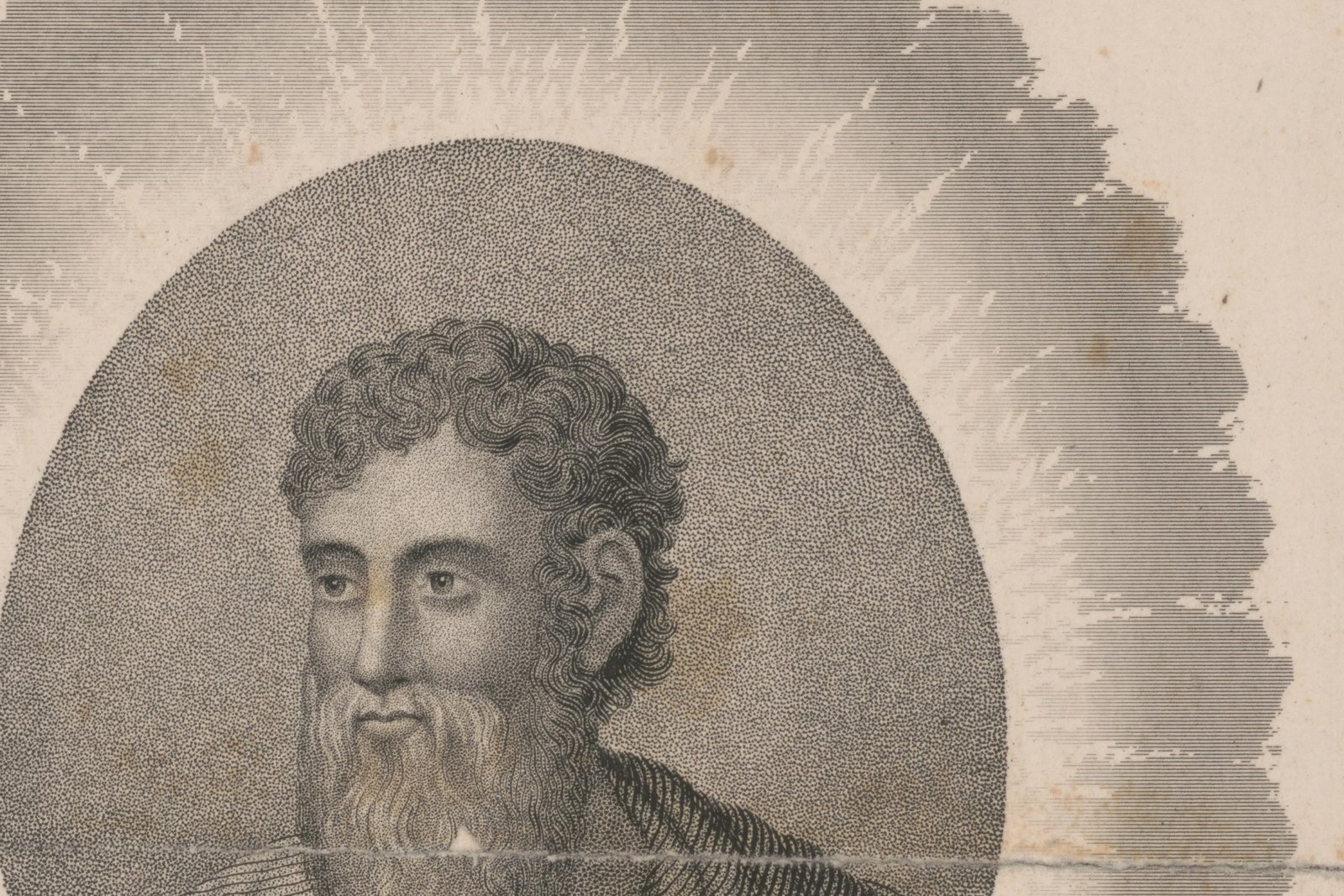
Christopher Rush, engraving of Cyprian, Bishop of Carthage, 1836 — public domain.
When the persecution eased with Decius's death in battle in 251, the Church faced an urgent and deeply divisive question: what should happen to these lapsed Christians, the lapsi, who now sought readmission to communion, having failed the test of persecution but expressing genuine repentance afterward. The dispute cut across the Christian world, and it was in the middle of exactly this crisis that Cornelius became bishop of Rome and forged his close alliance with Cyprian, already established as bishop of Carthage in North Africa.
Cornelius elected amid rival claims
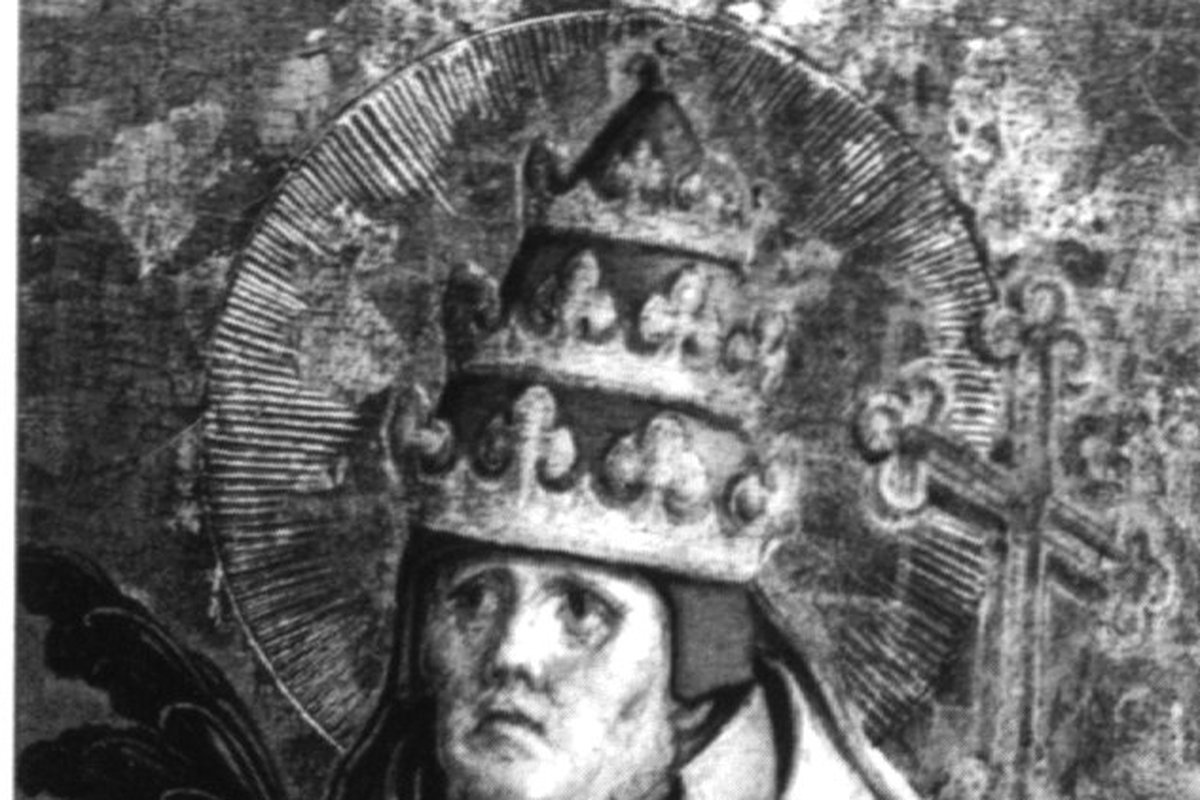
Rome itself had gone without a bishop for over a year following the martyrdom of Pope Fabian at the start of the Decian persecution, the vacancy prolonged by the ongoing danger of holding a public episcopal election during active persecution. When Cornelius was finally elected in 251, he immediately faced a direct challenge from Novatian, a Roman priest of considerable learning who, taking the more rigorist position that lapsed Christians should never be readmitted to communion under any circumstances, had himself consecrated as a rival bishop of Rome, creating an early and serious schism within the Roman church itself.
Cornelius, adopting the more moderate position that had already gained support among many bishops, held that lapsed Christians who showed genuine repentance could be readmitted to communion after an appropriate period of penance, a position intended to balance mercy toward the fallen against the real danger of treating the sin of apostasy too lightly. This dispute placed Cornelius in close and increasingly warm correspondence with Cyprian in Carthage, who was navigating an almost identical controversy within his own North African church, facing his own rigorist opposition from a faction that considered any readmission of the lapsi unacceptable.
An alliance forged by letters
The correspondence between Cornelius and Cyprian, substantial portions of which survive among Cyprian's preserved letters, reveals a genuine and mutually reinforcing partnership between the two bishops as they worked out, in close consultation with each other and with councils of bishops convened in their respective regions, a coherent, moderate policy on the readmission of the lapsed. Cyprian's own major treatise from this period, On the Unity of the Catholic Church, developed much of its argument about the necessity of church unity and the danger of schism directly in response to the twin threats of the rigorist Novatianist schism in Rome and a parallel laxist faction back in Carthage that wanted to readmit the lapsed too easily and without adequate penance.
The two bishops' shared position, essentially a middle path between total rigorism and unrestricted leniency, eventually prevailed as the broadly accepted approach across most of the Christian world, a resolution that owed a great deal to the sustained collaboration between Rome and Carthage during this critical period, two of the most significant sees in the Western Church working in concert rather than at cross purposes despite the considerable distance and difficulty of communication between them in the third century.
Two deaths within five years
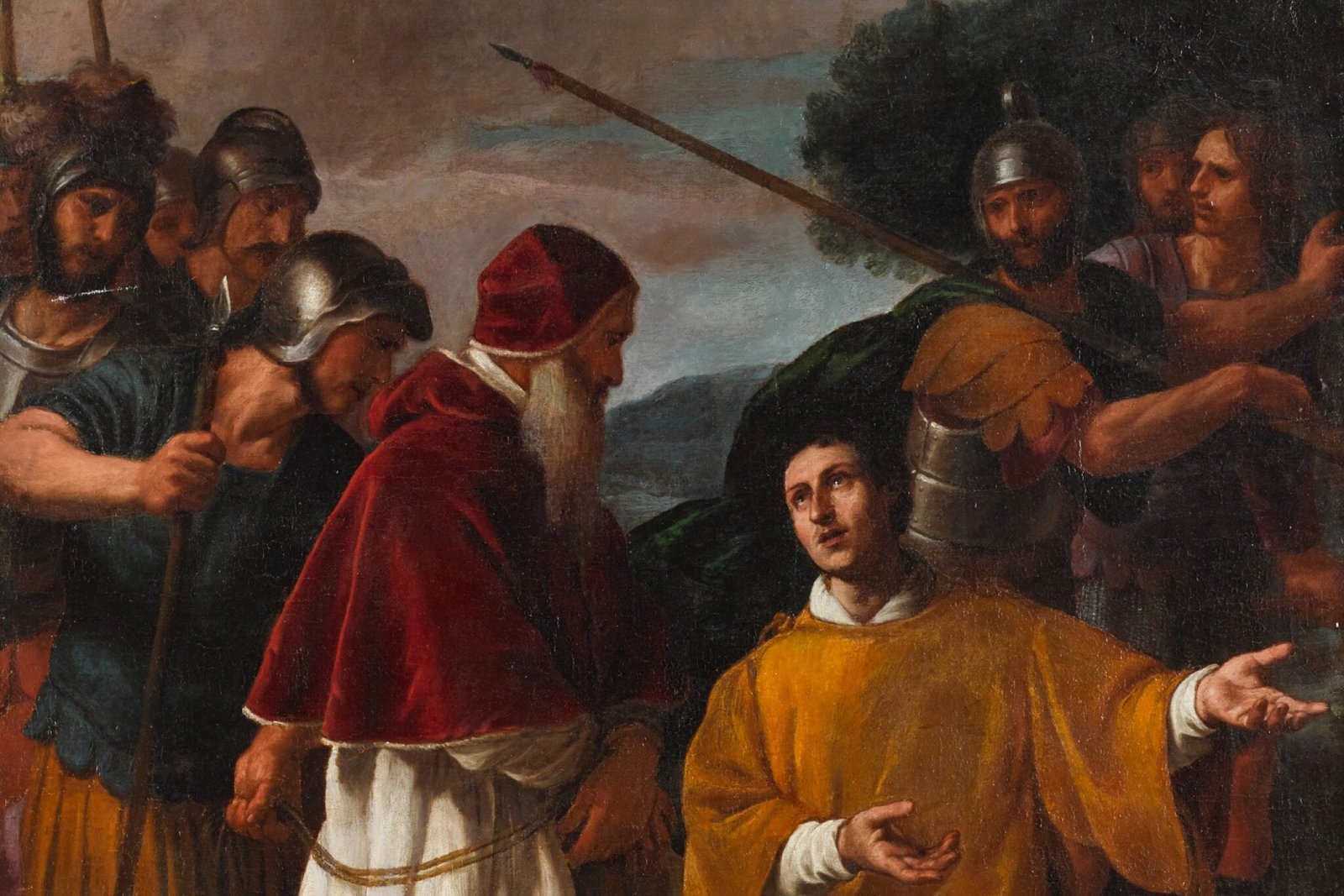
Cornelius's tenure as bishop of Rome, complicated from the start by the Novatianist schism, was further cut short by renewed imperial persecution under the emperor Trebonianus Gallus. Cornelius was exiled to Centumcellae, a coastal town northwest of Rome, around 253, and died there that same year, with most historical accounts attributing his death to the harsh conditions of exile rather than direct execution, though the Church has consistently honored him as a martyr for having suffered and died specifically because of his position as bishop during active persecution.
Cyprian's death came several years later and under more directly violent circumstances. In 258, during the persecution launched by the emperor Valerian, the same wave of persecution that claimed Pope Sixtus II and the deacon Lawrence in Rome that same year, Cyprian was arrested in Carthage, brought before the Roman proconsul, and, upon his open and unwavering refusal to sacrifice to the Roman gods, sentenced to death by beheading. Contemporary accounts of his martyrdom, including a detailed record preserved by members of his own community, describe him facing execution with striking composure, reportedly giving a gold coin to his executioner and instructing his own followers to treat the man with generosity rather than hostility.
A friendship honored on one feast
The Church's decision to honor Cornelius and Cyprian together on a single shared feast, kept on September 16, reflects the genuine historical closeness of their partnership during a period when the unity of the wider Church hung in real and immediate danger from both the Novatianist schism and the broader crisis over the lapsi. Cyprian's own extensive theological writings, especially his reflections on church unity, penance, and the nature of episcopal authority, remain foundational texts for understanding how the early Church worked through one of its first and most serious internal crises, and the correspondence he maintained with Cornelius stands as one of the clearest surviving examples of how bishops separated by considerable distance nonetheless built and sustained a functioning, unified Christian communion across the wider Roman world.
Trivia
Who was Pope Cornelius?
Who was Saint Cyprian of Carthage?
What was the controversy over the lapsi that connected Cornelius and Cyprian?
How did Cornelius and Cyprian die?
When is the shared feast of Saints Cornelius and Cyprian?
You May Also Like
Related Reading