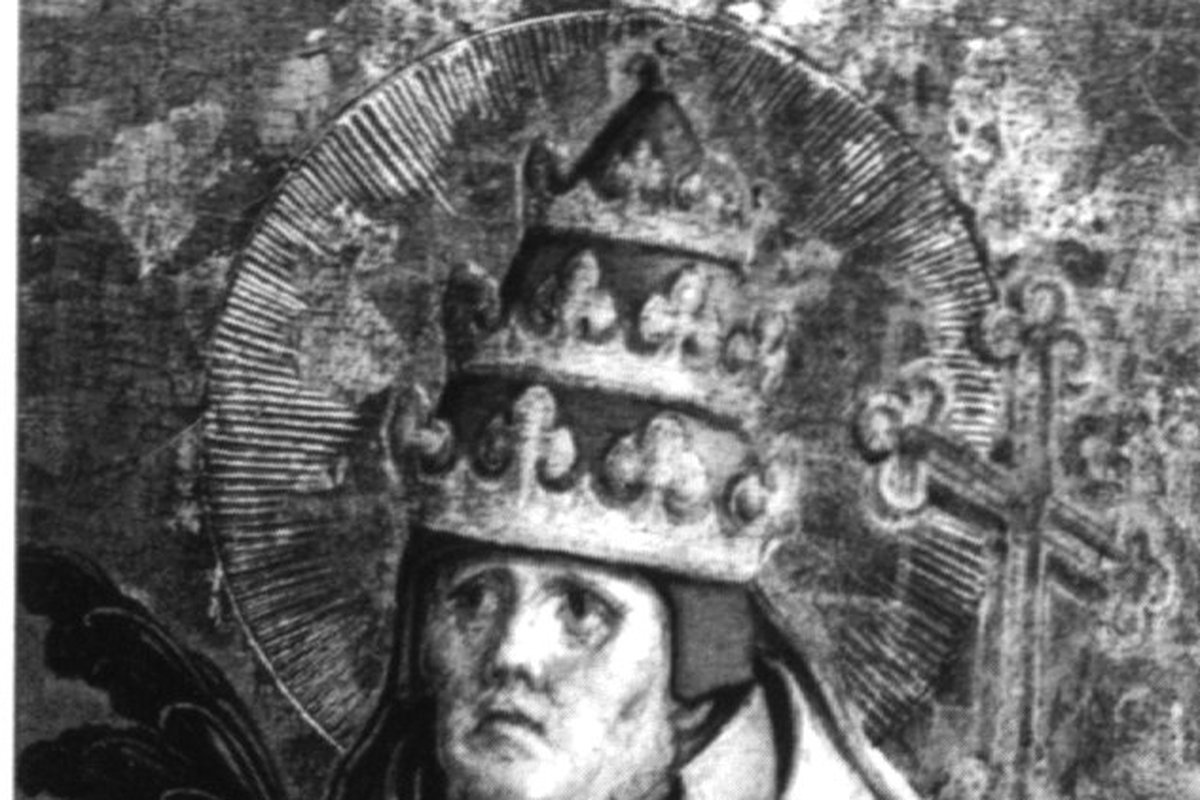
Saints Pontian, Pope, and Hippolytus, Priest, Martyrs

A schism that lasted three papacies
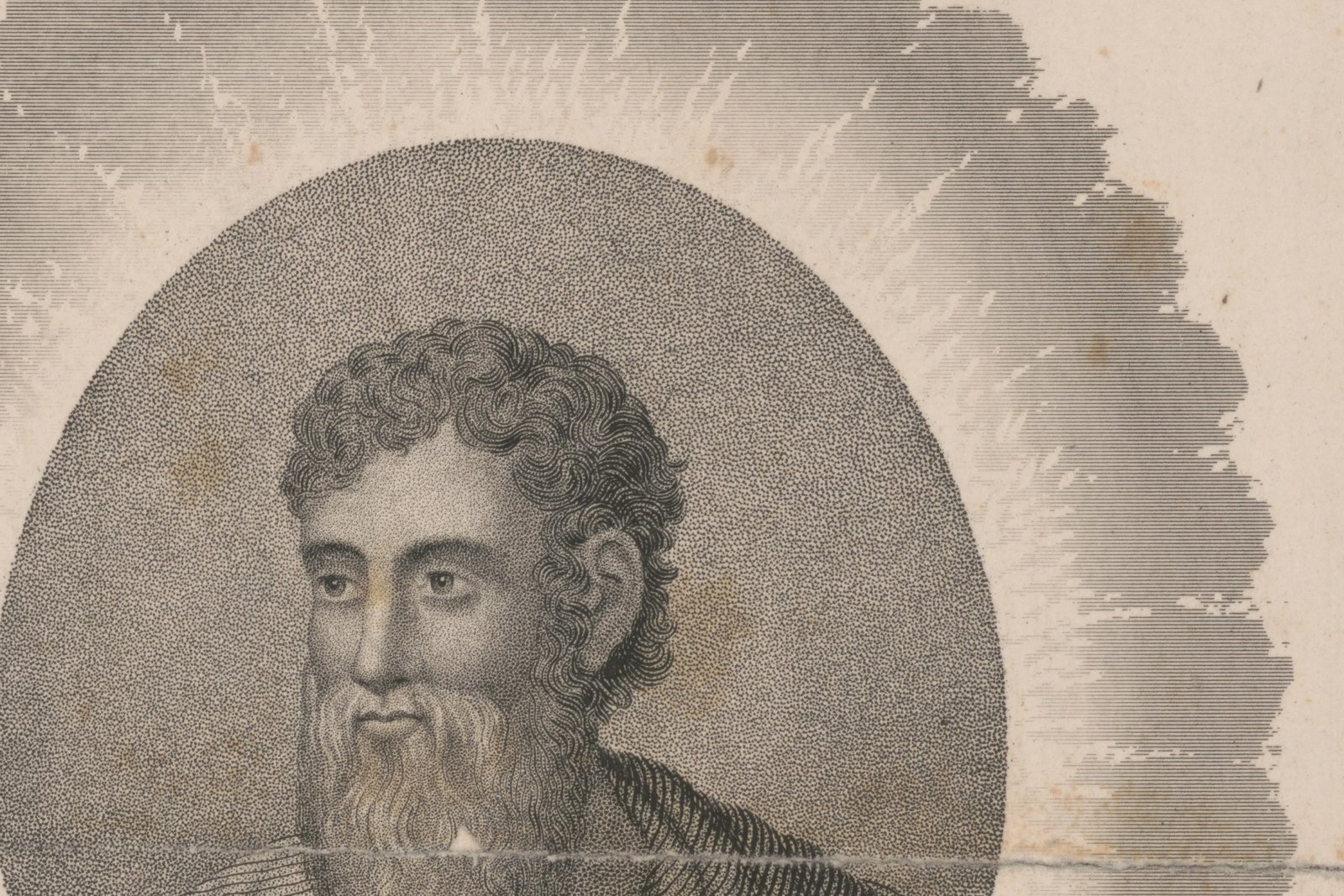
Hippolytus stands among the most puzzling figures of the early third-century Roman church, a genuinely learned priest and prolific theological writer whose extensive works on Scripture, church discipline, and Christian practice made him one of the most significant intellectuals in the Roman Christian community of his era. That same intellectual stature, combined with strong convictions about how the Church should handle serious sin and discipline within its ranks, put him at odds with a succession of Roman bishops he regarded as dangerously lenient.
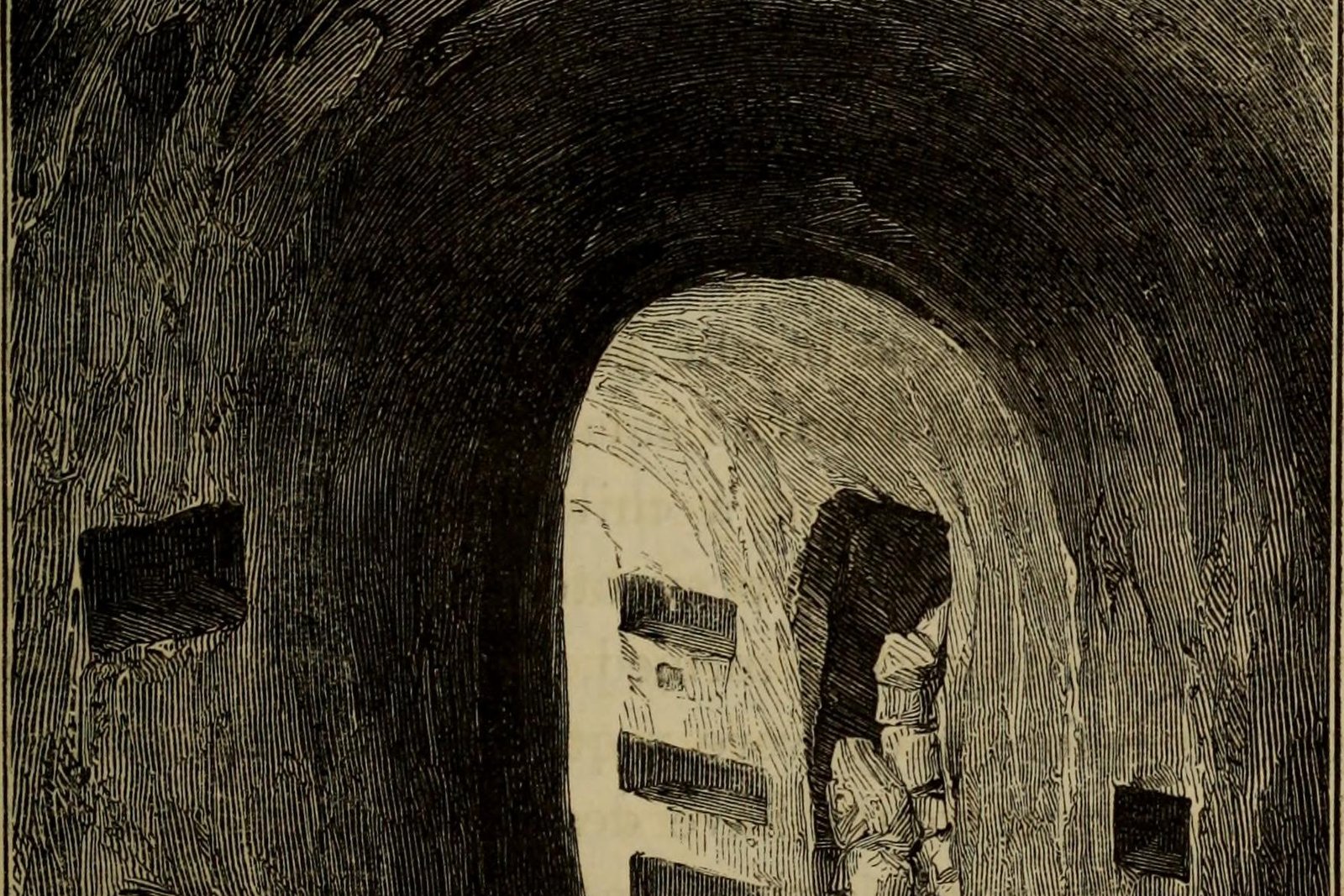
Anonymous engraving of the Roman catacombs, 1846 book plate — public domain.
The dispute crystallized under Pope Callixtus I, who served from 217 to 222 and whose willingness to readmit certain grave sinners to communion after appropriate penance struck Hippolytus and his supporters as a corrosive compromise of church discipline. Rather than simply dissenting, Hippolytus allowed his followers to set him up as a rival bishop of Rome, a position modern scholars generally describe as the first significant antipope in Church history, though the terminology and precise nature of the break remain debated among historians. The schism persisted through the papacies of Callixtus's two immediate successors, Urban I and Pontian, meaning Hippolytus maintained his rival claim against three legitimate popes across nearly two decades.
Persecution catches both men
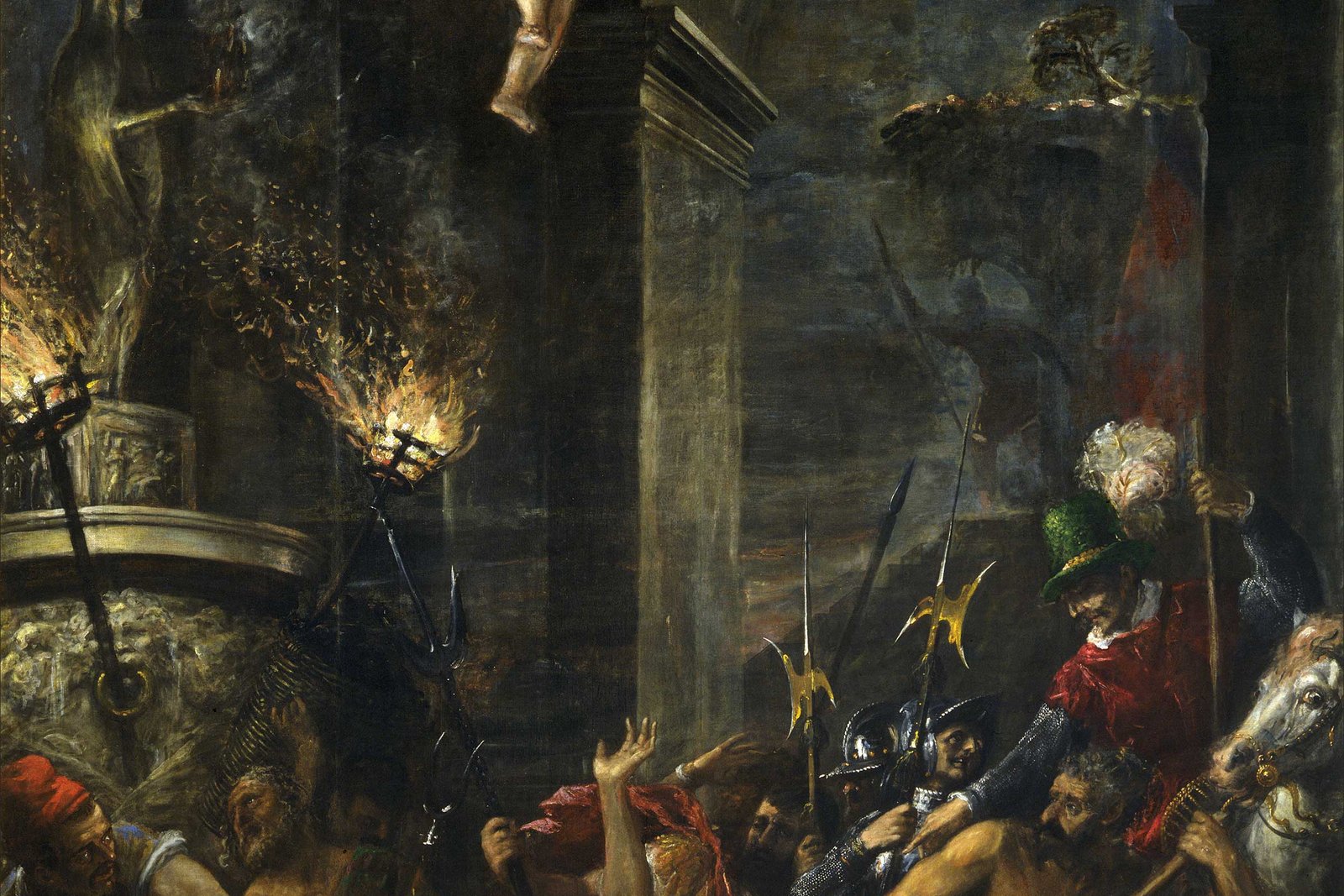
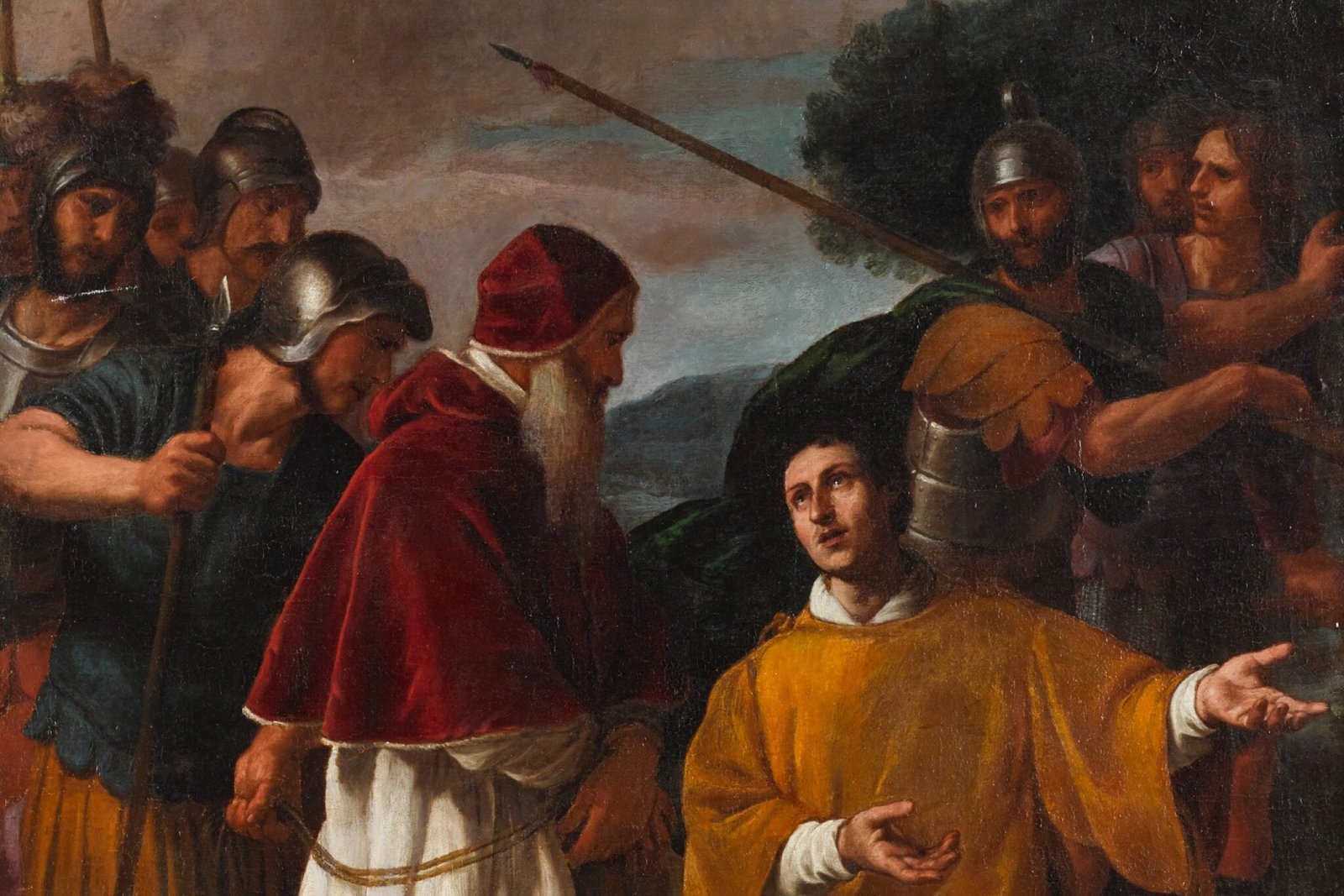
That long-running internal dispute was abruptly overtaken by external events in 235, when the emperor Maximinus Thrax, who had seized power that year amid the broader instability of the Roman Empire's third-century crisis, launched a persecution specifically targeting Christian clergy, viewing the leadership of the Church as a source of dangerous influence to be neutralized. Roman authorities arrested Pontian, the reigning pope, and, notably, Hippolytus as well, evidently treating the rival bishop as functionally equivalent to the legitimate one for purposes of persecution, a detail that says something about how visible and established Hippolytus's rival community had become in Rome by that point.
Both men were condemned to the mines of Sardinia, a sentence widely understood in the Roman world as a slow death sentence in itself, given the brutal conditions, inadequate food, and unrelenting hard labor inflicted on prisoners sent there. It was, in effect, exile to a place from which few returned. That shared fate placed pope and rival bishop side by side in the same desperate circumstances, stripped of the ecclesiastical and social distinctions that had defined their long conflict in Rome.
Reconciliation in the mines
Tradition holds, and most historians of the period find plausible even if the precise details cannot be verified with full certainty, that the shared suffering of the Sardinian mines brought about a genuine reconciliation between the two men. Hippolytus is said to have renounced his schismatic position and urged the followers who remained loyal to him back in Rome to return to communion with the legitimate church, a reversal that, if accurate, represents one of the earliest and most consequential acts of reconciliation recorded in the history of internal church disputes.
Before his exile, aware that he faced almost certain death in Sardinia, Pontian took the extraordinary step of formally resigning the papacy on September 28, 235, rather than simply dying in office while unable to function as bishop from a distant penal colony. This act, unprecedented at the time, allowed the Roman church to elect a successor, Anterus, without the confusion and potential further division that an indefinitely vacant or incapacitated papacy might have caused. Historians generally regard Pontian's resignation as the first clearly documented voluntary resignation of the papal office, a striking practical decision made under the most extreme circumstances.
Bodies brought home
Both Pontian and Hippolytus died in Sardinia, worn down by the conditions of their forced labor, likely within a relatively short time of each other, though exact dates are not preserved. Their remains were eventually brought back to Rome, reportedly by Pope Fabian around 236 or shortly after, and buried with honor, Pontian in the papal crypt of the Catacomb of Callixtus and Hippolytus in a cemetery on the Via Tiburtina, a resting place that later gave its name to a Roman basilica built in his honor.
The story of their reconciliation, preserved through later liturgical and historical tradition rather than a single contemporary eyewitness account, has been cited across the centuries as an example of how shared suffering and eventual martyrdom overcame even one of the earliest and longest-running internal divisions within the Roman church. Their combined feast, kept on August 13, honors both men together, a deliberate liturgical statement that unity, even after so long and bitter a schism, remained possible and was in fact achieved before the end of both their lives.
Hippolytus the writer
Whatever became of his rival claim to the see of Rome, Hippolytus left behind one of the most substantial bodies of theological writing to survive from the early third century, and it is largely through that legacy that later Christians came to know him at all. His treatise known as the Apostolic Tradition — its exact authorship is still debated by scholars, but the work has long been associated with his name — offers one of the earliest detailed descriptions of Christian liturgical practice, including rites of baptism, ordination, and the celebration of the Eucharist. Portions of its eucharistic prayer influenced the wording of one of the Eucharistic Prayers used in the Catholic Mass today, a striking afterlife for a text written by a man who spent two decades outside communion with Rome. He also wrote extensive biblical commentaries and a wide-ranging work refuting the various philosophical and gnostic movements that competed with orthodox Christianity in his era, work that shows a mind more occupied with defending the faith against outside challenges than with the internal dispute that came to define his reputation.
Why the Church remembers them together
Pairing a legitimate pope with a man who spent most of his public life opposing that pope's predecessors is an unusual choice for a shared feast, and it reflects a deliberate emphasis on the ending of their story rather than its middle. The Roman calendar does not ask the faithful to weigh the rights and wrongs of the original dispute over church discipline; it commemorates the fact that two men who had stood on opposite sides of one of the Church's earliest internal fractures ended their lives in the same place, under the same sentence, reconciled to each other and to the unity of the Church. That framing has made Pontian and Hippolytus a natural point of reference whenever later Christian writers wanted an example of division healed through suffering rather than through argument or vindication. Rome's basilica of San Ippolito, built near his burial site on the Via Tiburtina, kept his memory alive locally for centuries after the theological controversies that once separated him from the papacy had been long forgotten by all but historians.
Trivia
Who was Pope Pontian?
Who was Hippolytus, and why was he a rival to the pope?
How were Pontian and Hippolytus reconciled?
Why did Pope Pontian resign?
When is the feast of Saints Pontian and Hippolytus?
You May Also Like
Related Reading