Saint Lawrence, Deacon and Martyr

The senior deacon of Rome
Lawrence served as one of the seven deacons of the church of Rome under Pope Sixtus II in the mid-third century, a structure of governance dating back to the earliest apostolic communities, in which deacons handled the practical, material side of church life so that bishops and priests could focus on preaching and the sacraments. Among the seven, Lawrence held a particularly senior position, sometimes described in later sources as archdeacon, entrusted specifically with managing the church's financial resources and its considerable, ongoing work of caring for Rome's poor, sick, and widowed.
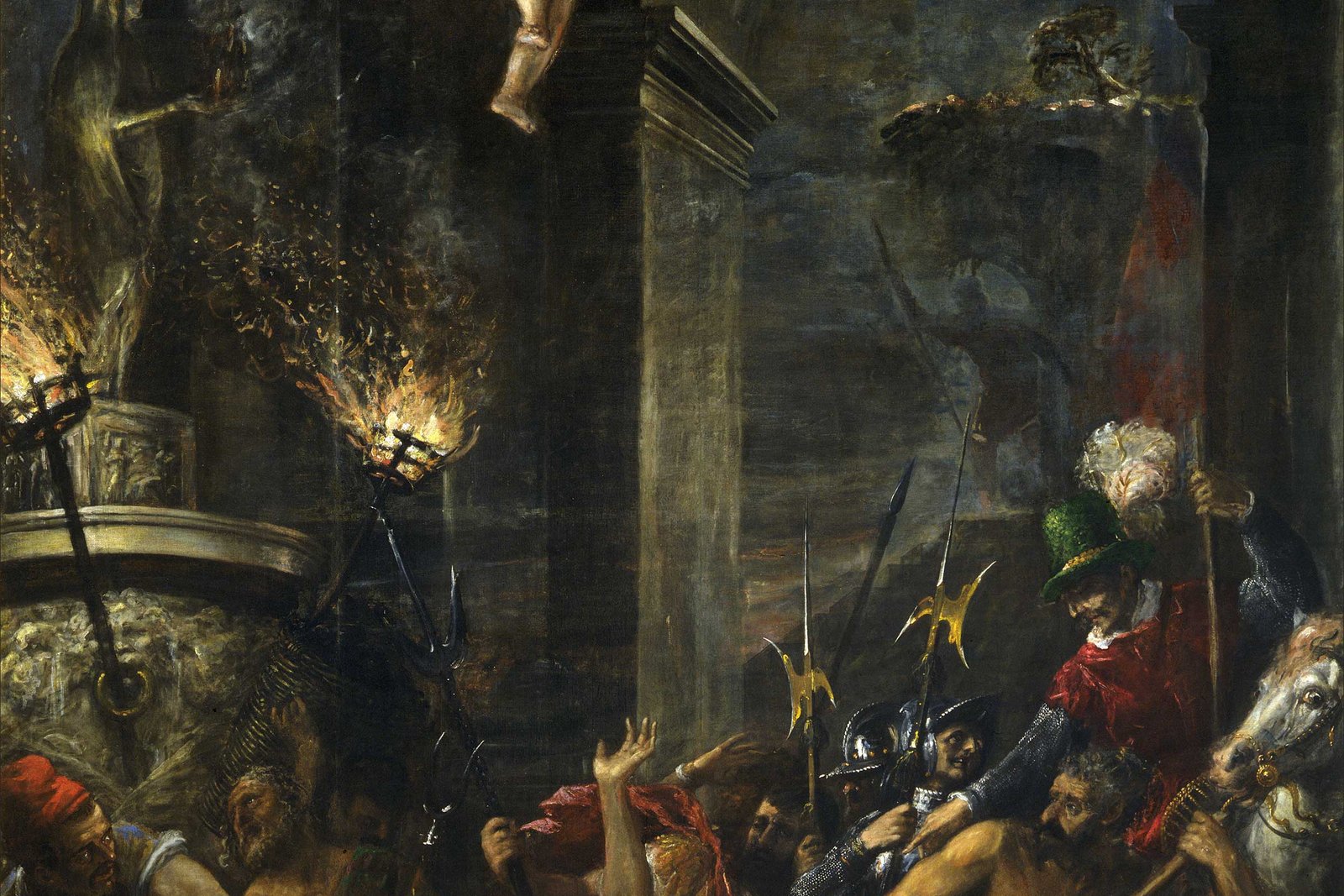
Titian, Saint Lawrence, 1564–1567 — public domain.
That role placed him at the very center of the Roman church's public identity during a period when Christian charity toward the destitute was already a distinguishing mark of the young religion within pagan Roman society, remarked upon even by hostile observers. It also placed him, when the persecution of the emperor Valerian struck in August 258, directly in the path of danger, since Roman authorities understood perfectly well that the deacon who controlled church funds was a man worth arresting.
Three days to produce the treasure
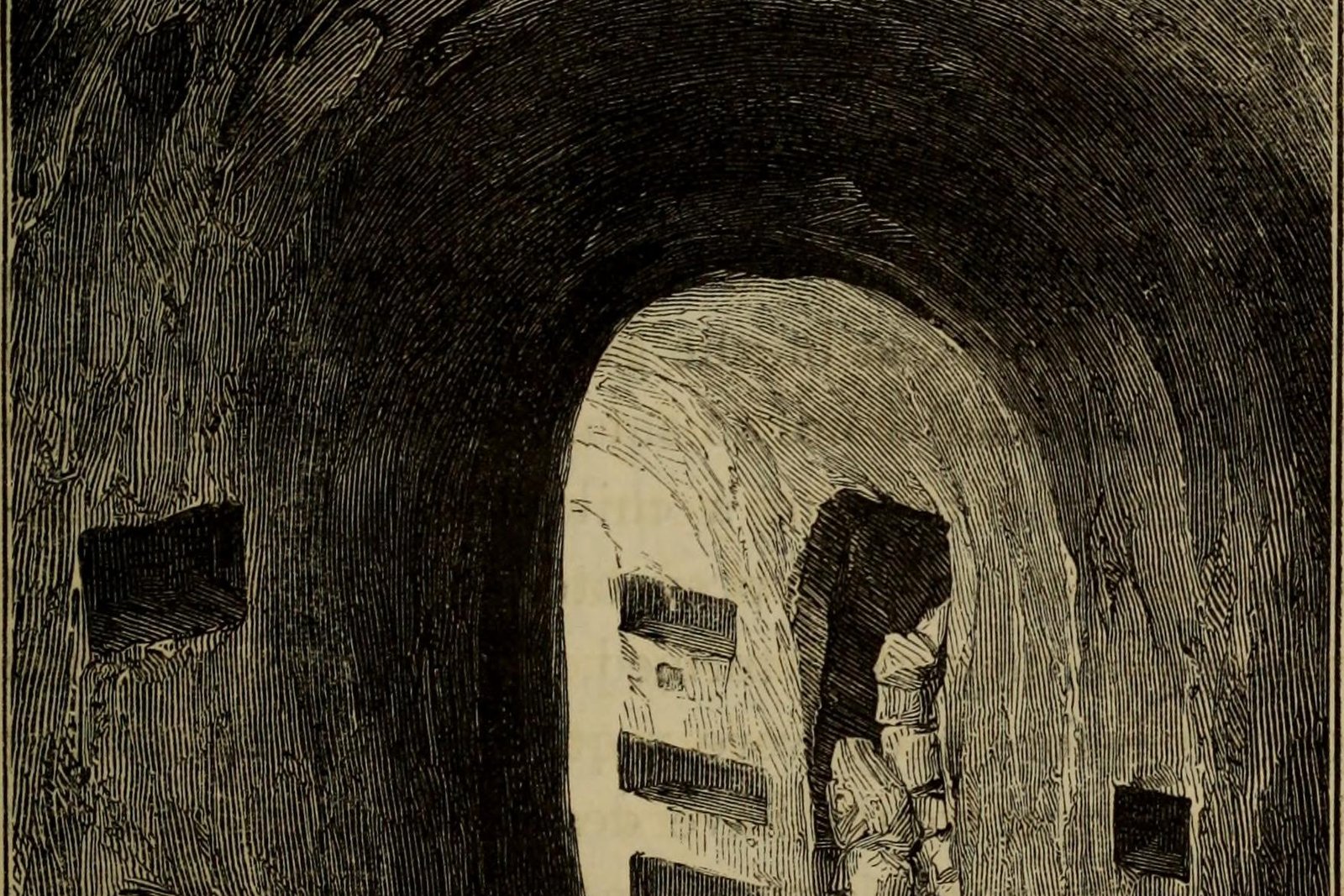
Sixtus II was seized and executed on August 6, 258, while presiding at worship in a Roman catacomb, along with several of his deacons. Lawrence escaped that first sweep, but Roman authorities knew of his role and moved against him separately. According to the tradition recorded within a few decades of the events by writers including Saint Ambrose of Milan, the city prefect demanded that Lawrence hand over the treasures of the Church, evidently assuming Christian communities held hidden stores of gold and silver worth confiscating for the imperial treasury, then under considerable strain from ongoing war on Rome's frontiers.
Lawrence is said to have asked for three days to gather the treasure together — the episode explored in more depth elsewhere on this site. He used the time to distribute whatever funds remained under his care to Rome's poor, then, on the appointed day, assembled a crowd of the city's beggars, the blind, the lame, the sick, and widows, and presented them to the prefect as the Church's true wealth. It was a calculated act of defiance dressed as literal compliance, and it left the prefect, by every account, furious rather than amused. The story's core claim, that the Church measured its riches in the people it served rather than in coin, became one of the most frequently cited episodes in the entire history of Christian charity, repeated by preachers and writers for the seventeen centuries since.
Martyrdom on the gridiron
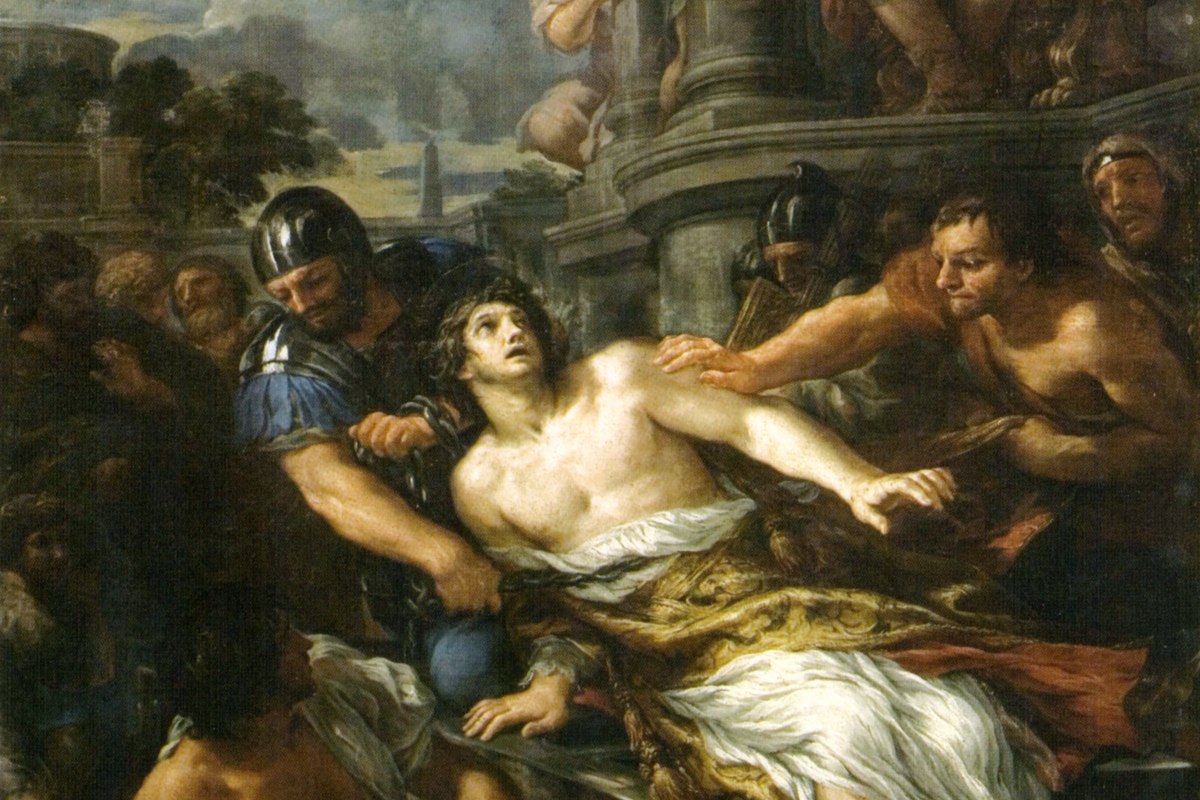
What followed is the detail for which Lawrence remains best known: tradition holds that he was sentenced to be roasted alive on a gridiron set over hot coals, a peculiarly cruel method of execution even by the standards of Roman persecution. Partway through the ordeal, tradition says, Lawrence told his executioners, with apparently genuine composure, to turn him over, since he was already done on that side, a remark cited as an example of extraordinary courage and even dark humor in the face of unbearable suffering.
Modern historians treat the gridiron account with some caution. A minority of scholars, working from ambiguities in the earliest surviving references to his death, have suggested that Lawrence may in fact have been beheaded like the other Roman martyrs of that same wave of persecution, and that the more dramatic gridiron narrative developed afterward, possibly from a scribal misreading of an early account. The Church has never resolved this question definitively, and both the ancient liturgical tradition and centuries of Christian art have overwhelmingly favored the gridiron account, which is why Lawrence is so often depicted in paintings and sculpture holding the instrument of his execution. Whichever is historically accurate, Lawrence died on August 10, 258, four days after Sixtus, exactly as the pope was said to have predicted.
A cult that shaped Rome
Lawrence's martyrdom left an unusually deep mark on the city of Rome itself. Within a few generations, he had become one of the most venerated martyrs in the entire Roman church, ranked in popular devotion alongside the apostles Peter and Paul, an extraordinary elevation for a deacon rather than a bishop or apostle. The basilica of San Lorenzo fuori le Mura, one of Rome's seven traditional pilgrim churches, was built over the site of his traditional burial along the Via Tiburtina, and it remains today one of the most historically significant churches in the city.
His feast, kept on August 10, has been observed with particular solemnity in Rome since antiquity, and he is remembered in the Roman Canon of the Mass alongside Sixtus II and other early Roman martyrs. Because of the manner of his death, he became, somewhat unexpectedly, a patron of cooks and of those who work with fire, and his reputation for calm defiance under torment has also made him a patron associated with humor and comedians, a reminder that even the grimmest chapters of the Church's early history produced figures remembered as much for their composure as for their suffering.
Trivia
Who was Saint Lawrence of Rome?
What is the story of Lawrence and the treasures of the Church?
How was Saint Lawrence martyred?
Why is Lawrence associated with humor in the face of death?
What is Saint Lawrence the patron saint of?
You May Also Like

Related Reading