Mary, Mother of God

A title forged in controversy
The feast that opens the Catholic calendar every January 1 sounds, on its surface, like a simple honor paid to Mary. It is that. But the title itself — "Mother of God," a translation of the Greek Theotokos, literally "God-bearer" — was not settled by quiet consensus. It came out of one of the sharpest doctrinal fights of the early Church, and it was never really a debate about Mary at all. It was a debate about Jesus.
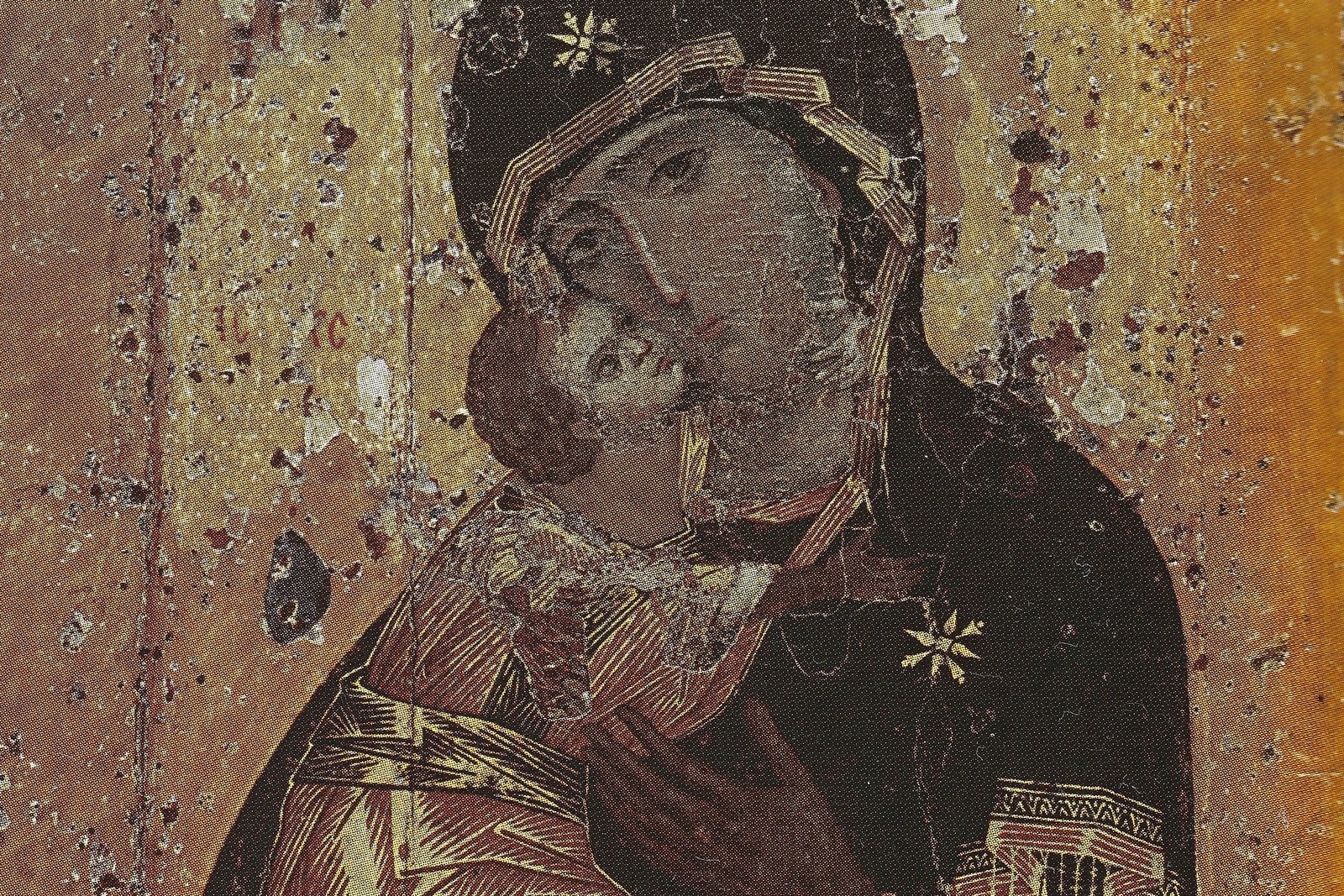
Theotokos of Vladimir icon (12th century) - Wikimedia Commons, public domain
In the early 5th century, Nestorius, the newly appointed patriarch of Constantinople, began objecting to the popular use of Theotokos for Mary. His preferred alternative was Christotokos, "Christ-bearer" — a title, he argued, that avoided implying the divine nature itself had been born of a human mother. Nestorius wasn't trying to insult Mary; he was trying to protect what he saw as a proper distinction between Christ's human and divine natures. But in doing so, many bishops feared, he had effectively split Jesus into two separate persons loosely joined together — a fully divine one and a fully human one — rather than a single person who was truly both at once.
What the Council of Ephesus actually decided
The dispute escalated quickly enough that Emperor Theodosius II convened a general council at Ephesus in 431 to settle it. Cyril of Alexandria, the council's dominant theological voice, argued that denying Mary the title Theotokos wasn't really a modest linguistic caution — it was a direct threat to the doctrine of the Incarnation itself. If the person born of Mary was, from the first moment of his conception, one single divine person who had taken on a complete human nature, then Mary was, properly speaking, the mother of that person — who is God. Deny her that title, Cyril argued, and you've quietly denied that Jesus is truly one, truly divine, and truly born as a human being all at the same time.
The council sided decisively with Cyril, formally affirming Theotokos as the correct title and condemning Nestorius's teaching. According to later accounts, when word reached the crowds gathered outside the council hall in Ephesus, they erupted in celebration and escorted the bishops home by torchlight, chanting praises to Mary. Whether every detail of that scene is later embellishment or accurate reporting, the underlying reaction was real: ordinary Christians understood, correctly, that something essential about their faith in Christ had just been defended, not merely a courtesy extended to his mother.
The Catechism of the Catholic Church still frames the title exactly this way today: "Mary is truly 'Mother of God' since she is the mother of the eternal Son of God made man, who is God himself" (CCC 495). The emphasis lands on Christ, not on elevating Mary independently of him — the title exists to say something true and necessary about who Jesus is.
An echo already present in the Gospel
Catholic tradition doesn't treat Theotokos as a purely 5th-century invention grafted onto earlier, simpler devotion. It points back to the Visitation, the scene in Luke's Gospel where the pregnant Mary travels to see her relative Elizabeth. Luke records Elizabeth's greeting: "And how does this happen to me, that the mother of my Lord should come to me?" (Luke 1:43, RSV-CE). Elizabeth, filled with the Holy Spirit according to the same passage, addresses Mary as the mother not simply of a promised child but of "my Lord" — language the Church reads as an early, inspired anticipation of exactly the truth Ephesus would later define formally. For readers who want the fuller Gospel scene this line comes from, the Visitation and Mary's Magnificat tells that story in full.
A feast placed deliberately at the turn of the year
The Church could have marked this feast on any date. It didn't choose one at random. January 1 falls exactly eight days after Christmas, closing what's known as the Octave of Christmas — a liturgical convention, inherited from Jewish festival practice, of treating the eighth day after a major feast as a kind of extended, climactic close to the celebration rather than an unrelated new occasion. Placing Mary, Mother of God on that eighth day ties the feast directly back to Christmas itself: having just celebrated the birth of a child in Bethlehem, the Church spends the octave's final day dwelling on exactly who that child was, and therefore who his mother must be.
It's also, not coincidentally, the first day of the secular new year — a detail the Church leans into rather than ignores. Since 1968, January 1 has also been observed as the World Day of Peace, with popes issuing messages that often draw a line between Mary's quiet, trusting response to the events of the Nativity and the kind of peace the world needs at the start of every new year. The juxtaposition of a very old doctrinal title and a very modern civic observance is one of the more unusual pairings on the liturgical calendar, but it works: both are, in their own way, about beginnings.
Why the title still matters
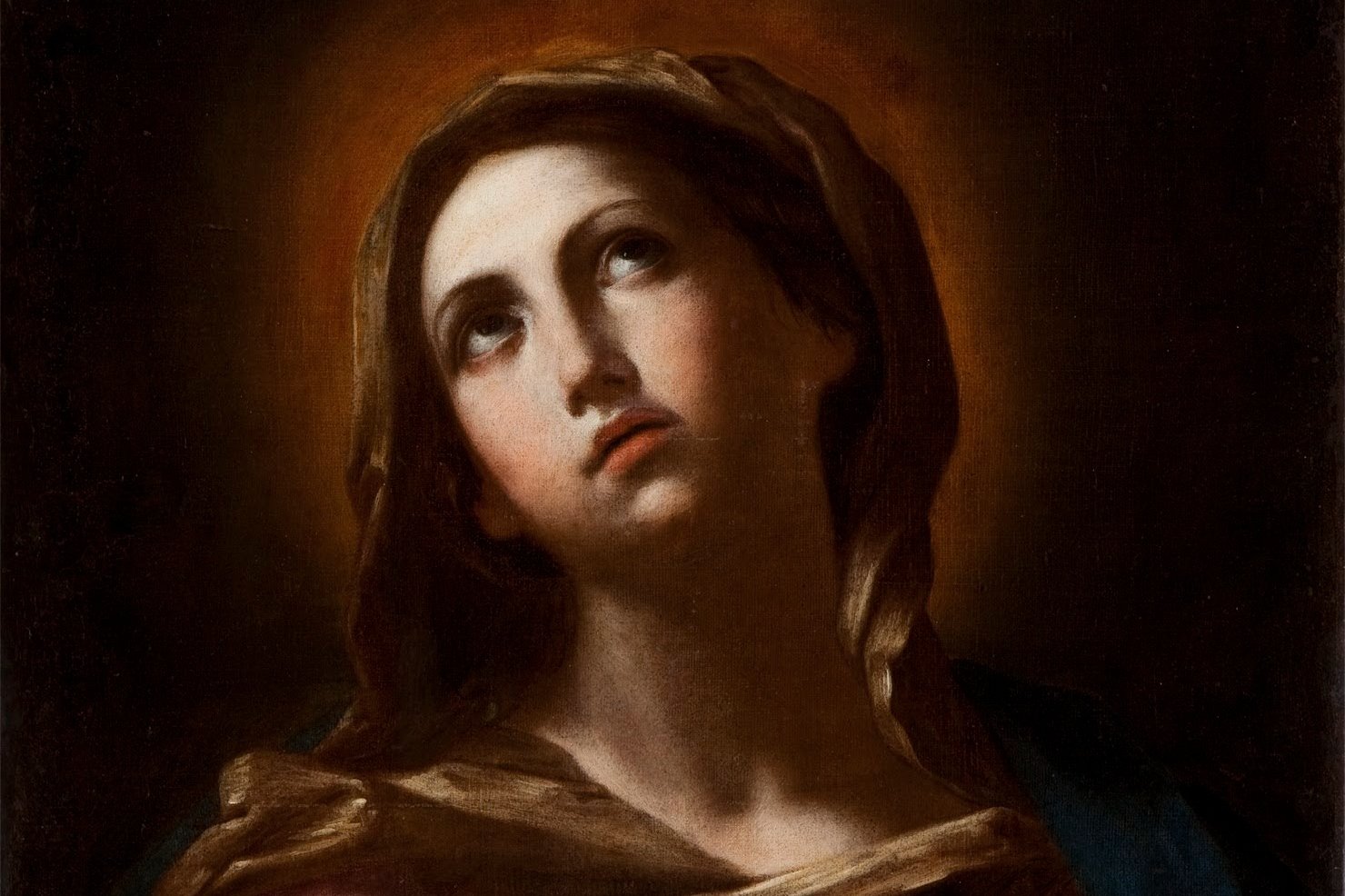
It would be easy to read "Mother of God" as devotional language that belongs mainly to art and hymnody — and it has certainly shaped centuries of both, from Byzantine icons of the Theotokos holding the Christ child to the countless Marian images that fill churches and homes across the Christian world. But its origin is sharply doctrinal, and Catholic teaching has never let that get lost. The title stands guard over the claim that Jesus Christ is one person, not two; that he is fully God from the very moment of his conception, not adopted into divinity later; and that the ordinary, historical woman who raised him in Nazareth is, precisely because of who her son is, rightly honored as the Mother of God. Readers curious about how Mary's story continues past the Nativity might also find Our Lady of Guadalupe a natural next stop — a much later chapter in the same devotion that began at Ephesus.
Trivia
Why is Mary called the Mother of God?
Isn't calling Mary 'Mother of God' a statement about her rather than about Jesus?
What does the Greek word Theotokos mean?
When is the feast of Mary, Mother of God celebrated?
Is 'Mother of God' a Catholic invention not found in the Bible?
Related Reading