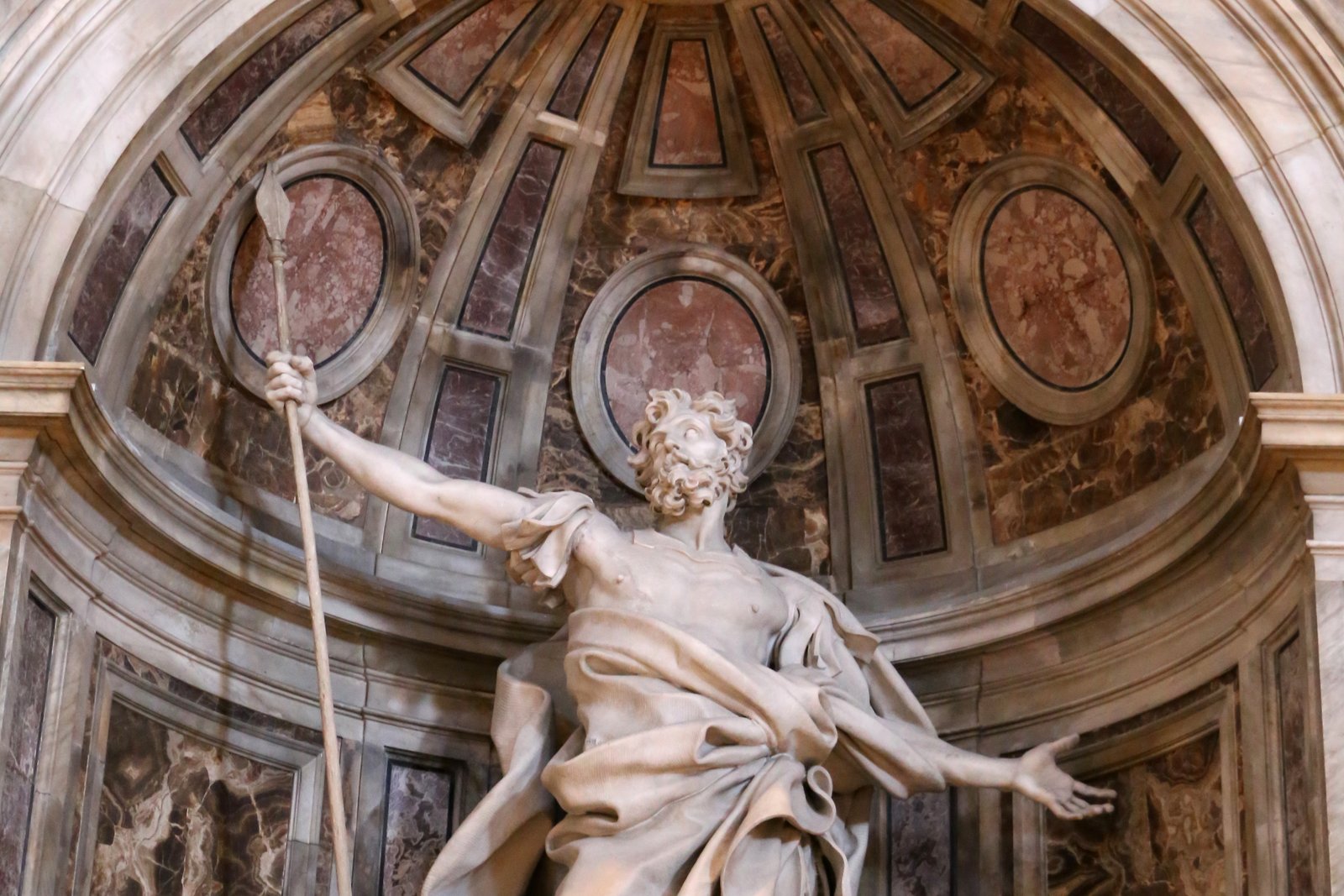
Saint Joseph of Arimathea and His Tomb

A rich man, a secret disciple
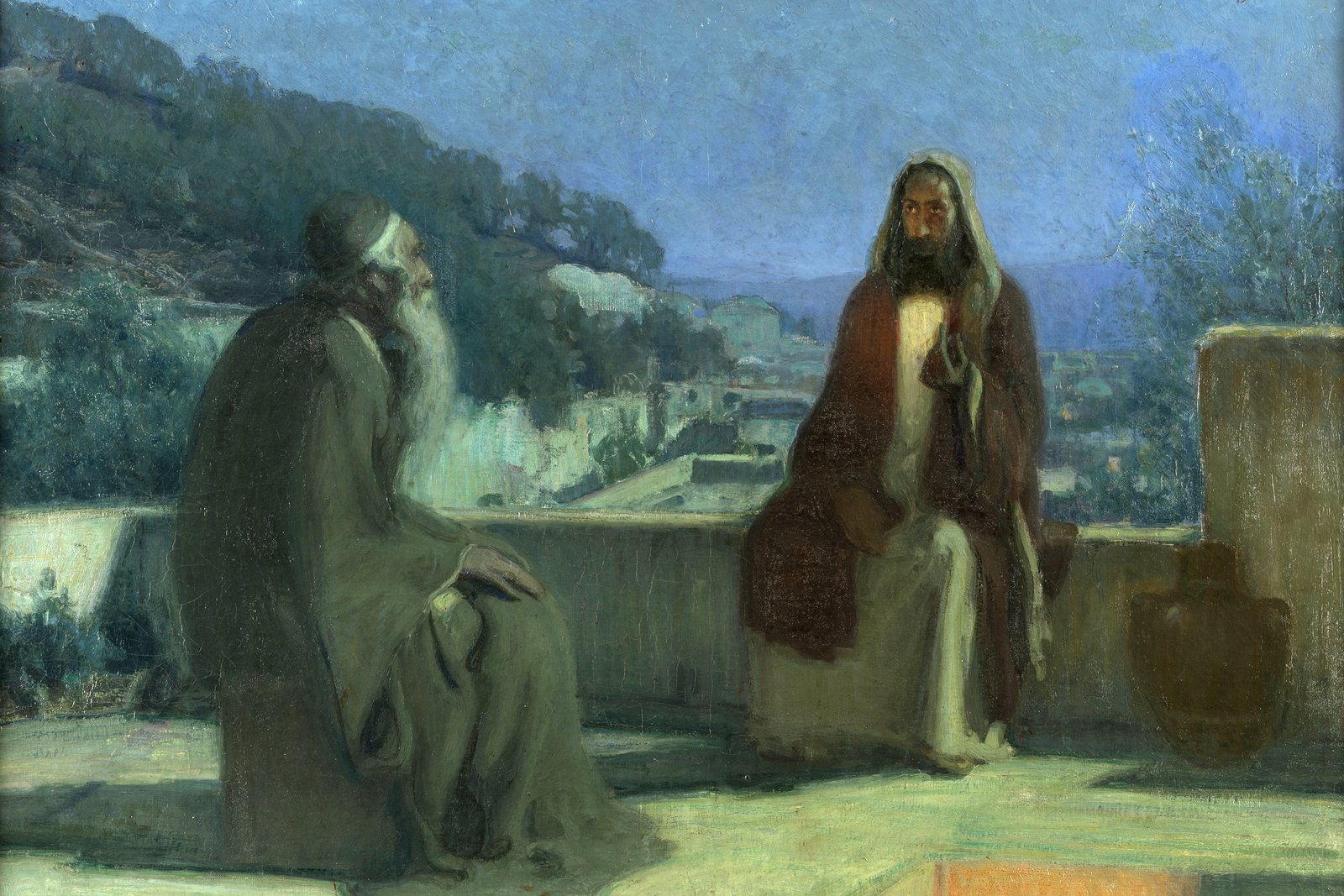
Matthew introduces him without fanfare, in the hours right after Jesus's death: "When it was evening, there came a rich man from Arimathea named Joseph, who was himself a disciple of Jesus" (Matthew 27:57, NABRE). Arimathea was a town in Judea, its exact location debated by scholars but generally placed somewhere northwest of Jerusalem. John's Gospel adds a crucial detail Matthew leaves out — that Joseph had kept his devotion quiet: he was "secretly a disciple of Jesus for fear of the Jews" (John 19:38, NABRE), meaning he feared the reaction of the Jewish religious authorities to an open association with a man they had just had executed. Luke's Gospel fills in still more, describing him as "a virtuous and righteous man...though he was a member of the council," who "had not consented to their plan of action" (Luke 23:50-51, NABRE) — implying Joseph held a position, likely on the Sanhedrin, that placed him among the very men who condemned Jesus, yet he had refused to go along with the decision.
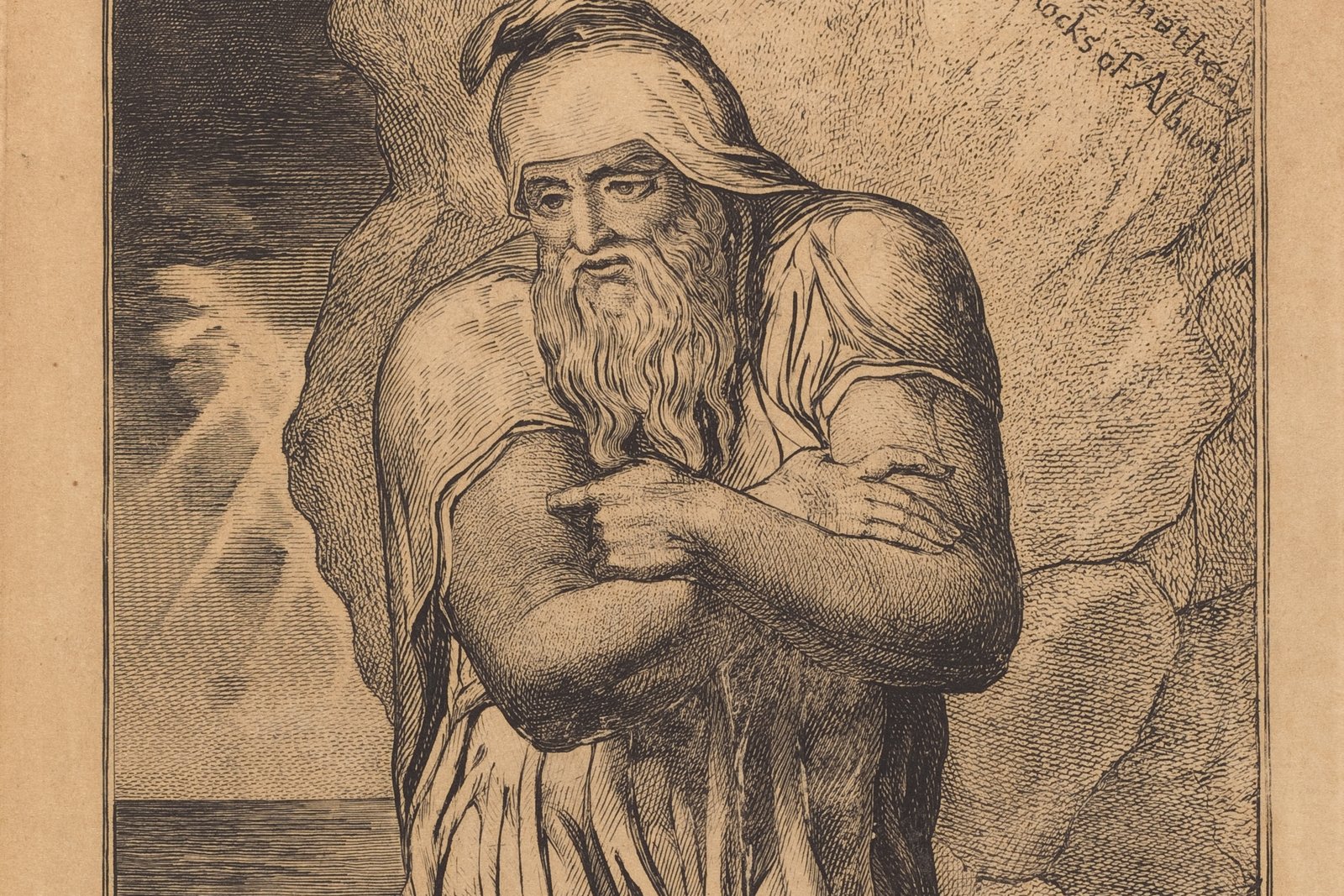
William Blake, "Joseph of Arimathea Among the Rocks of Albion," engraved 1773 after an old Italian drawing — public domain.
That combination — wealth, standing, quiet faith, and a documented refusal to join the condemnation — makes Joseph one of the more intriguing minor figures in the Passion narrative. He isn't one of the twelve apostles. He never appears before the crucifixion. And yet the entire practical outcome of Easter morning depends on what he does in a handful of urgent hours between Jesus's death and sundown.
Asking Pilate directly, in daylight
Whatever secrecy Joseph had maintained up to that point ended the moment he acted. "He went to Pilate and asked for the body of Jesus; then Pilate ordered it to be handed over" (Matthew 27:58, NABRE). This was not a small or risk-free request. Approaching the Roman governor personally, on behalf of a man just executed for claiming kingship, was an unmistakably public act — the opposite of secrecy. Mark's Gospel adds that Joseph "courageously went to Pilate" (Mark 15:43, NABRE), a description that suggests the Gospel writers themselves understood exactly what this cost him in terms of exposure and risk.
Time pressure shaped everything that followed. Jewish law required burial before nightfall, and the coming Sabbath — which began at sundown on Friday — made the situation more urgent still. "Taking the body, Joseph wrapped it [in] clean linen and laid it in his new tomb that he had hewn in the rock. Then he rolled a huge stone across the entrance to the tomb and departed" (Matthew 27:59-60, NABRE). That detail — "his new tomb" — is easy to read past, but it's the heart of the story: Joseph gave Jesus the burial place he had prepared for his own eventual death. Nicodemus joined him, bringing "a mixture of myrrh and aloes weighing about one hundred pounds" (John 19:39, NABRE) to anoint the body according to Jewish burial custom.
Why an empty tomb needed to be a real, known tomb
It's worth pausing on why Joseph's donated tomb matters theologically, not just narratively. Because the burial site was specific, known, and belonged to a named, identifiable public figure — not an unmarked common grave — the resurrection accounts that follow have a concrete location to point to. All four Gospels describe women, and later Peter and John, arriving at this particular tomb on Sunday morning and finding it empty (Matthew 28:1-6, Mark 16:1-6, Luke 24:1-3, John 20:1-8). Without Joseph's act of generosity, Jesus's body would likely have been left to a common criminal's grave, and the historical, locatable claim at the center of Easter — a specific, empty tomb that could be visited and verified — would have been far harder to establish. The Catechism of the Catholic Church treats the empty tomb as an important, though not by itself sufficient, sign of the resurrection (CCC 640), and Joseph's tomb is the very ground that sign rests on.
Where legend takes over: Glastonbury and the Holy Grail
Scripture's account of Joseph ends at the tomb. Everything that comes next belongs entirely to medieval legend, not to the Bible, and the distinction matters. Beginning in the twelfth and thirteenth centuries, English writers connected to Glastonbury Abbey began circulating stories that Joseph of Arimathea had traveled to Britain after Jesus's death, bringing Christianity to the island and founding a church at Glastonbury — centuries before any documented missionary activity reached England. Later medieval romance literature elaborated further, tying Joseph to the vessel used at the Last Supper and linking him to the growing legend of the Holy Grail, and a related story credits him with planting his walking staff in Glastonbury soil, where it took root as the "Glastonbury Thorn," a hawthorn tree said to bloom twice a year.
None of this appears anywhere in the Gospels, in the writings of the early Church Fathers, or in any historical source contemporary with Joseph's actual lifetime. Historians generally regard the Glastonbury legend as a later medieval invention, likely encouraged by the abbey itself to boost its prestige and pilgrimage traffic during a period of intense competition between English religious houses for relics and founding stories tied to apostolic or near-apostolic figures. That doesn't make the legend worthless as folklore or devotional storytelling — it has shaped English religious imagination for eight centuries and inspired countless works of art and literature — but it should never be mistaken for history or treated as continuous with the sober, restrained account found in the Gospels themselves.
A quiet act, remembered for two very different reasons
Saint Joseph of Arimathea occupies an unusual place among the saints: his documented, biblical legacy is genuinely significant — arguably indispensable to the entire structure of the Easter narrative — while his popular legendary legacy, the Glastonbury and Grail material most casual readers may have actually encountered, has nothing to do with that documented history at all. The honest way to hold both is to keep them separate: honor the real, courageous act recorded in all four Gospels, and enjoy the medieval legend for what it is, a rich later tradition built on his name rather than his verified life. His feast day, August 31 in the current Roman Martyrology, commemorates the man who "courageously went to Pilate" — not the wandering evangelist of Glastonbury romance.
Trivia
Who was Joseph of Arimathea in the Bible?
Why did Joseph of Arimathea ask for Jesus's body?
Whose tomb was Jesus buried in?
Is the Glastonbury and Holy Grail legend about Joseph of Arimathea in the Bible?
Is Joseph of Arimathea recognized as a saint?
You May Also Like

Related Reading