Saint Katharine Drexel

An heiress raised to give
Katharine Drexel was born into extraordinary wealth in Philadelphia, the daughter of banker Francis Anthony Drexel. But her family's Catholic faith came bundled with an unusual emphasis on charity: her stepmother regularly opened their home to distribute food, clothing, and rent assistance to the poor, and Katharine grew up watching philanthropy practiced as a routine, personal obligation rather than a distant, abstract virtue. When her father died in 1885, Katharine and her two sisters inherited a fortune substantial enough to fund charitable work on an almost unimaginable scale for private individuals of the era.
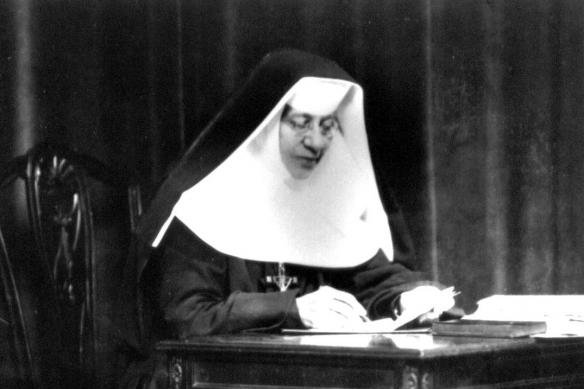
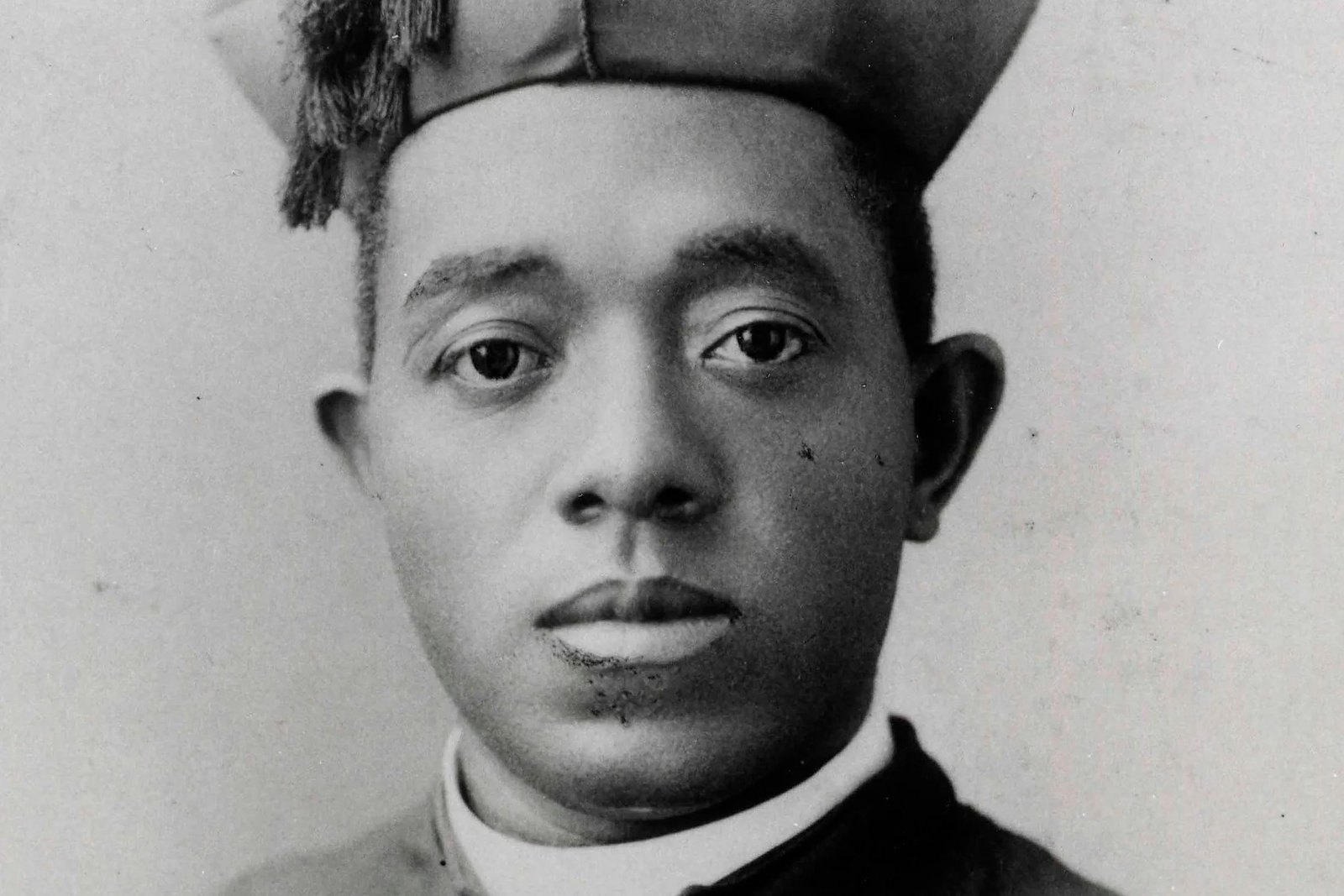
Photographer unknown, circa 1915 — public domain.
A question that reshaped her plans
Drexel had already begun funding missions and schools for Native American communities when, in 1887, she was granted a private audience with Pope Leo XIII. She used the meeting to ask him to send more missionary priests and sisters to serve these communities. According to the tradition surrounding that exchange, the pope turned the request back on her directly, asking why she herself didn't become a missionary. It's said to have unsettled her enough to spend the following years discerning a religious vocation she hadn't originally planned for — one that would eventually mean giving up not just her wealth's private use, but the entire life she'd been raised to expect.
Founding a congregation built around a specific injustice
In 1891, Drexel founded the Sisters of the Blessed Sacrament for Indians and Colored People, a religious congregation explicitly organized to serve Native American and Black communities — populations that, in the era of segregation and the ongoing displacement of Native peoples onto reservations, had strikingly little access to Catholic educational institutions compared to white Catholic communities. Over the following decades, the congregation established dozens of schools and missions across the country, funded substantially by Drexel's own inherited wealth, which by the end of her life amounted to roughly $20 million spent on this work.
A childhood already shaped by missionary encounters
Katharine's interest in Native American welfare didn't begin with the 1887 papal audience — it had roots reaching back to a family trip out West in 1884, when she and her sisters visited reservations and saw firsthand the conditions many Native communities faced under federal policy, including chronic underfunding of promised services and treaty obligations the government routinely failed to honor. That trip made a lasting impression, and Drexel began funding missions and schools for Native communities on her own initiative well before she had any thought of religious life herself, corresponding directly with missionary bishops working in the Dakotas and elsewhere and directing her donations to specific, concrete needs rather than vague general charity.
Facing down segregationist violence
Drexel's congregation didn't do its work in a friendly climate. Schools she funded for Black students in the South faced real, sometimes violent opposition from segregationists who resented Catholic institutions educating Black children alongside white religious sisters. The Ku Klux Klan reportedly threatened her directly on at least one occasion over her work, and some of the schools and churches connected to her congregation were targeted with vandalism or arson threats during the decades she was most active. She continued the work regardless, treating the resistance as confirmation of how necessary it was rather than as a reason to scale back.
Xavier University and a lasting institutional legacy
Among Drexel's most significant achievements was the 1925 founding of Xavier University of Louisiana in New Orleans, which remains today the only historically Black Catholic university in the United States. It grew out of a high school she had already established in the city, extended into a full university specifically to give Black students access to higher education, including professional fields like pharmacy, at a time when such opportunities were severely restricted elsewhere in the segregated South. Xavier's pharmacy and pre-medical programs in particular became known for producing a disproportionate share of the country's Black doctors and pharmacists in the decades that followed, a direct, measurable outcome of a university founded specifically because existing institutions had shut its students out.
Canonization
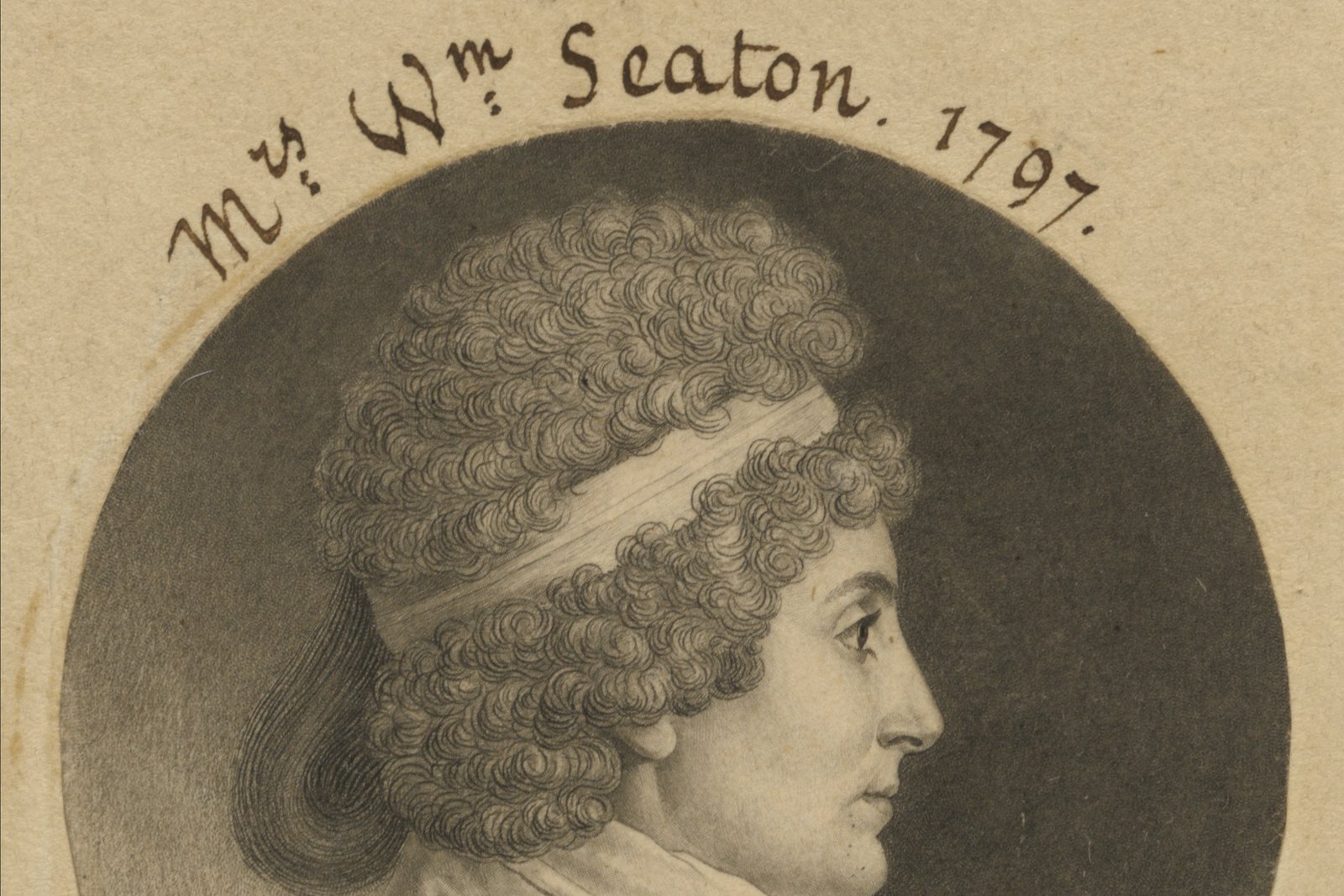
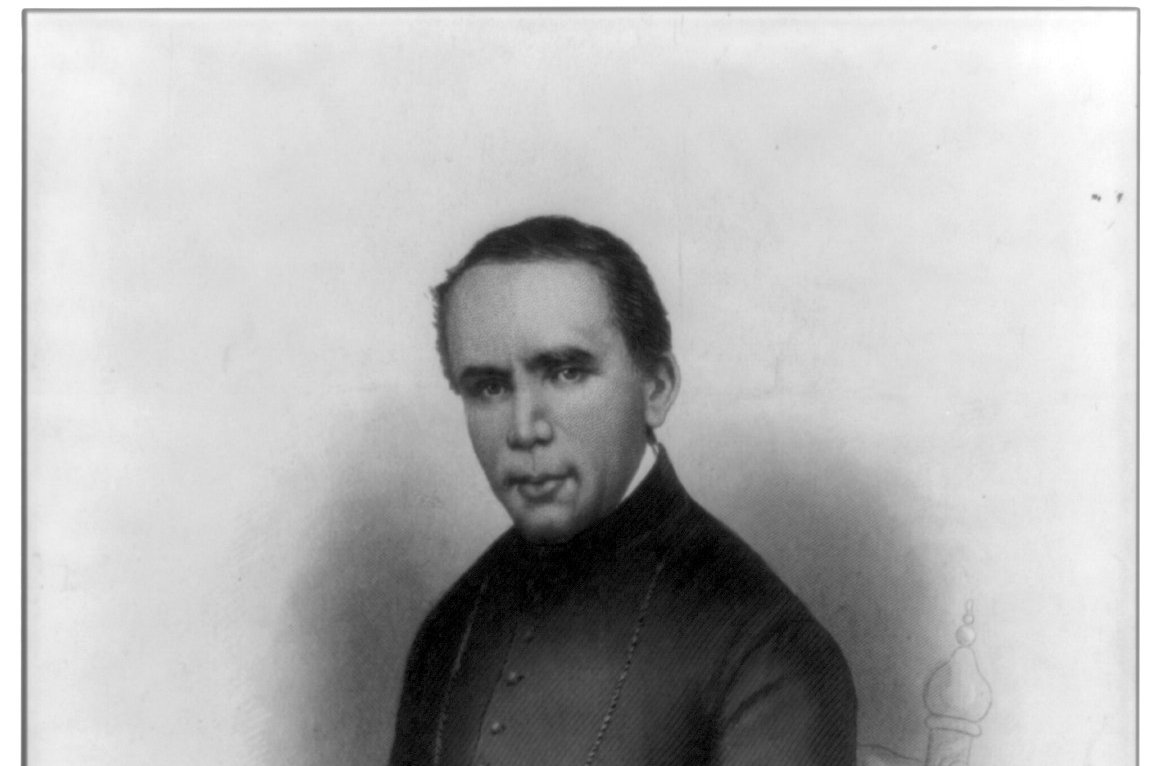
Katharine Drexel suffered a heart attack in 1935 that limited her active work for the final two decades of her life, though she continued a life of prayer until her death in 1955. Pope John Paul II canonized her in 2000, making her the second saint born in the United States, after Elizabeth Ann Seton. Her feast day is celebrated on March 3, and the Sisters of the Blessed Sacrament continue educational and pastoral work rooted in the mission she founded well over a century ago. Together with Saint John Neumann, whose diocesan school-building work in Philadelphia predated hers by decades, Drexel is remembered as part of a distinctly American strand of sainthood built less around mystical experience than around the patient, expensive, decades-long work of founding and sustaining institutions — proof, in the Church's own account of her life, that ordinary administrative persistence can be its own form of holiness.
Trivia
How wealthy was Katharine Drexel before she became a religious sister?
What did Pope Leo XIII say to her that changed the direction of her life?
What congregation did Katharine Drexel found, and what was its mission?
What major institution did Drexel found in the American South?
When was Katharine Drexel canonized?
You May Also Like
Related Reading