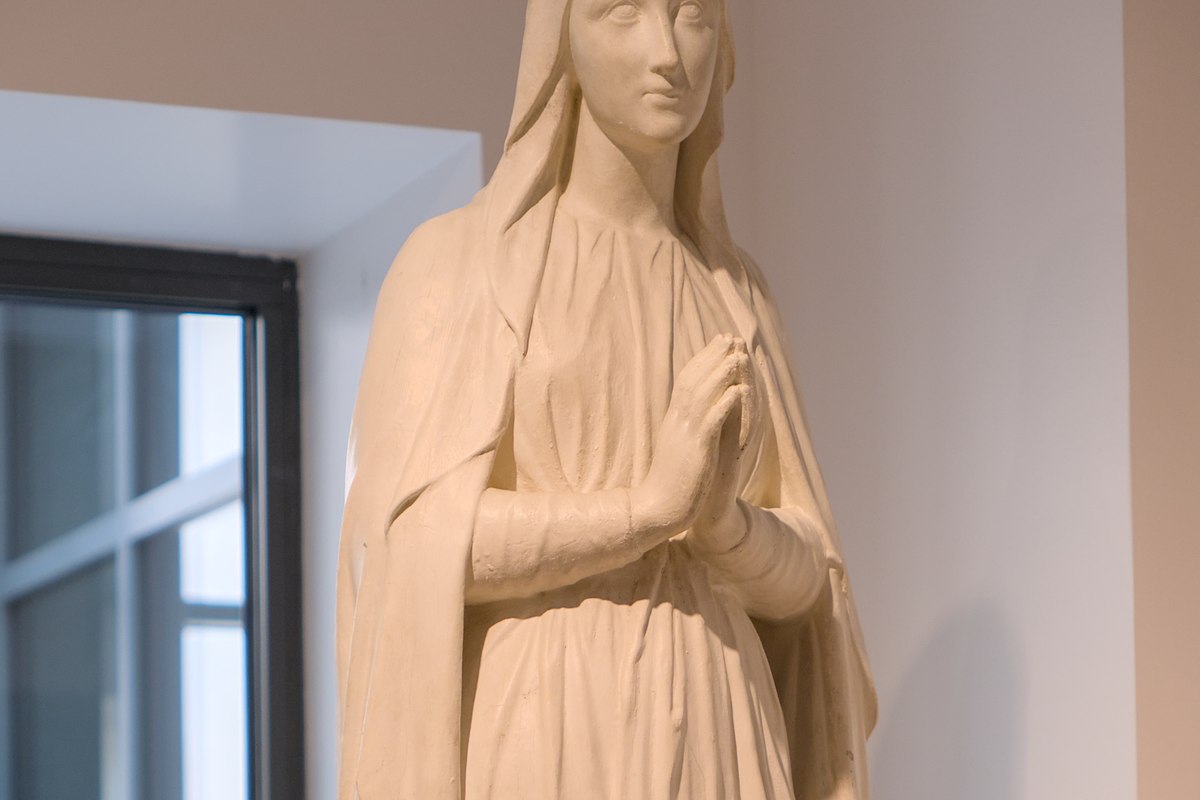
Saint Stephen Harding

An English monk drawn to reform
Stephen Harding was born in England, likely in Dorset, around 1059, and left for the Continent as a young man, eventually entering monastic life in Burgundy. He joined the community at the abbey of Molesme, led by the abbot Robert of Molesme, a monastery that had itself originally been founded as a reform community but had, in the eyes of some of its own members including Stephen, drifted toward the same comfortable wealth and relaxed observance that reform-minded monks of the period consistently identified as the central problem facing Benedictine monasticism generally in the late eleventh century.
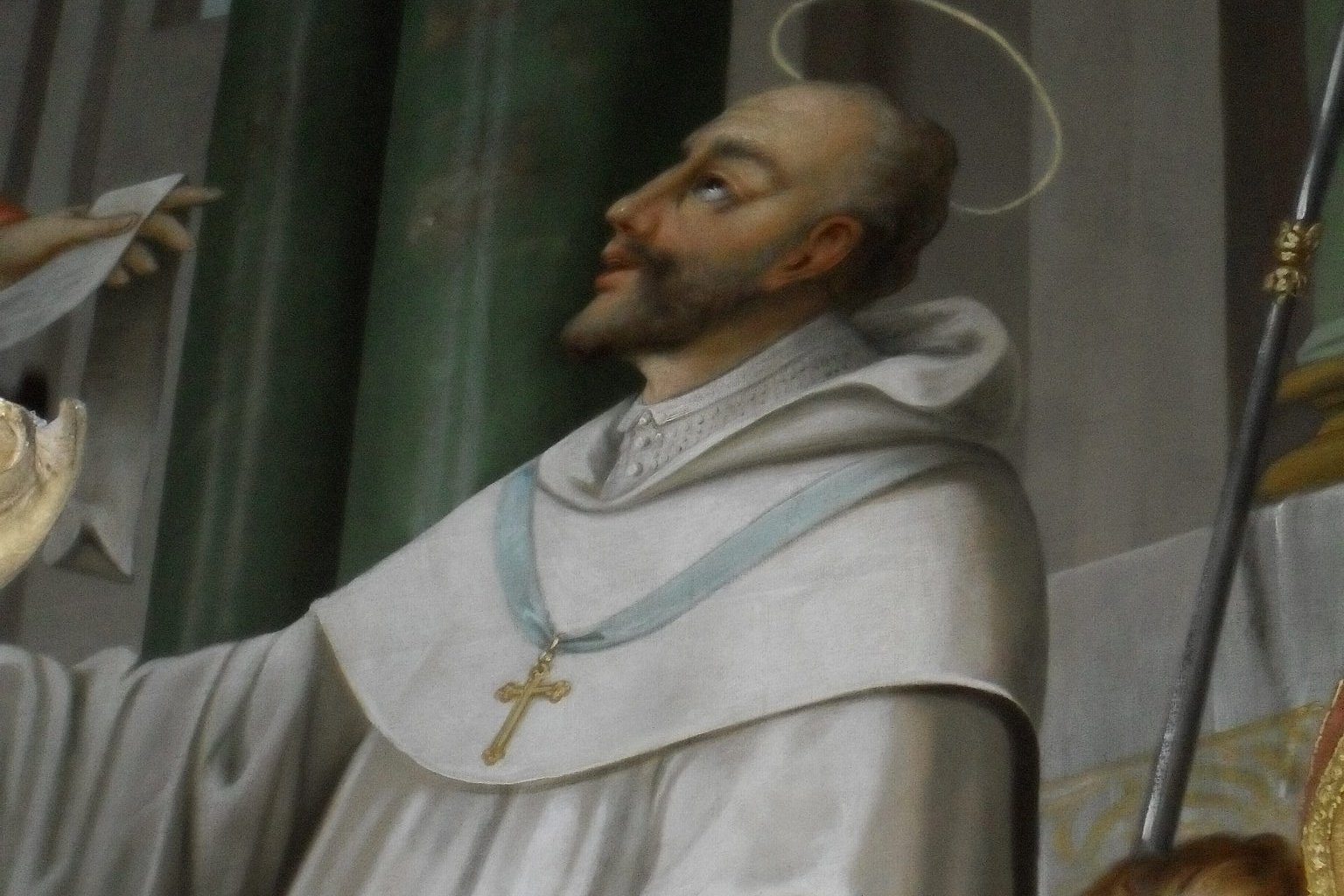
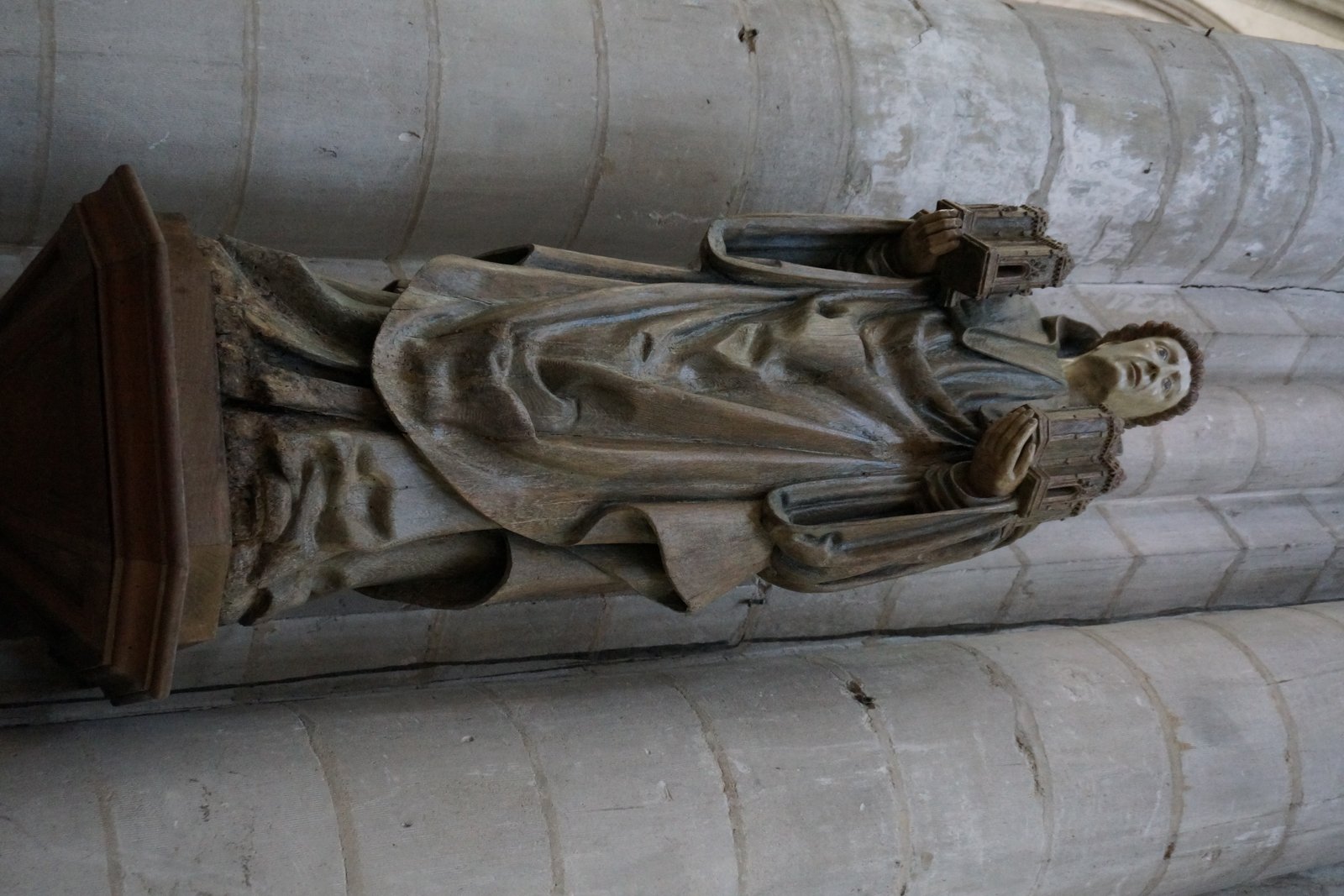
Icon of Saint Stephen Harding, traditional devotional image — used under CC BY-SA 3.0.
In 1098, Stephen was part of a group of roughly twenty monks, led by Robert, who left Molesme specifically to found a new community committed to a stricter, more literal observance of the Rule of Saint Benedict — rejecting elaborate liturgy, unnecessary property, and the general softening of monastic discipline that had crept into many established Benedictine houses over the preceding generations. This new foundation, in a remote, marshy site in Burgundy, became the abbey of Cîteaux, and it would eventually give its name — via the Latin Cistercium — to an entire monastic order.
A struggling foundation
Robert of Molesme was recalled to his original abbey not long after Cîteaux's founding, following pressure from Molesme's own monks and from Church authorities uncomfortable with the disruption his departure had caused. Leadership at Cîteaux passed to Alberic, and then, on Alberic's death in 1108, to Stephen Harding himself, who became the new community's third abbot at what turned out to be a genuinely difficult moment in its history.
The discipline at Cîteaux was demanding by design — simpler liturgy, manual labor, dietary restriction, and a deliberate rejection of the ornamentation and comfortable exemptions that had accumulated at many older Benedictine houses — and this severity, meant to embody a purer observance of Benedict's original rule, had the practical effect of discouraging new recruits. For roughly the first decade and a half of Cîteaux's existence, the community grew barely at all, and by some accounts came close to a point where its long-term survival was genuinely in question, with an aging and shrinking membership and no clear influx of younger monks to sustain it going forward.
Bernard's arrival, and everything after
That situation changed decisively in 1112, when Bernard — a young nobleman from Burgundy who would later be canonized as Saint Bernard of Clairvaux — arrived at Cîteaux seeking admission, and brought with him an extraordinary group of roughly thirty companions, including several of his own brothers and other relatives, all persuaded by Bernard's own evident conviction to join a community that had, until that point, struggled to attract new members at all. The sudden, large influx of recruits transformed Cîteaux's prospects almost overnight, and within just a few years the community was strong enough to begin founding daughter houses of its own — the first of which, Clairvaux, was placed under Bernard's own leadership as abbot in 1115, beginning one of the most consequential individual monastic careers of the entire medieval period.
Under Stephen's continued leadership at Cîteaux itself, the wider Cistercian movement expanded rapidly through the following two decades, spreading new foundations across France and eventually across most of Western Europe, becoming one of the defining monastic reform movements of the twelfth century.
The charter that held it together
Stephen's most important lasting written legacy is the Carta Caritatis, the Charter of Charity, a governing document he composed to structure the relationships between Cîteaux and the growing number of daughter houses founded from it and from one another. Rather than leaving each new Cistercian house entirely independent, or alternatively subordinating them all directly to Cîteaux in a simple top-down hierarchy, the Charter established a system of mutual visitation and accountability — each mother house responsible for regularly inspecting and correcting its daughter houses, with Cîteaux itself subject to inspection by its own earliest daughter foundations in turn. This structure gave the rapidly multiplying Cistercian order a genuine, workable mechanism for maintaining shared discipline and observance across dozens and eventually hundreds of individually governed monasteries, a real innovation in monastic governance that influenced organizational thinking well beyond the Cistercian order itself.
A founder who nearly saw his project fail
Stephen resigned as abbot of Cîteaux in 1133, a year before his death in 1134, having lived to see the near-failed reform community he had helped lead through its most precarious years grow into one of the most significant monastic movements in medieval Christendom. His feast is kept on April 17. Among the founding figures of the Cistercian order — alongside Robert of Molesme, who began it, and Bernard of Clairvaux, whose arrival transformed it — Stephen Harding's specific and lasting contribution was the patient, unglamorous work of governance: keeping a struggling community alive through its hardest years, and then giving the movement that grew from it a constitutional structure sound enough to hold together for centuries.
Trivia
Who was Saint Stephen Harding?
Why was Cîteaux founded, and what problem did it face early on?
How did Bernard of Clairvaux change Cîteaux's fortunes?
What is the Carta Caritatis?
When is Saint Stephen Harding's feast day?
You May Also Like

Related Reading