The Meaning of the Papal Conclave

A key turned in frustration
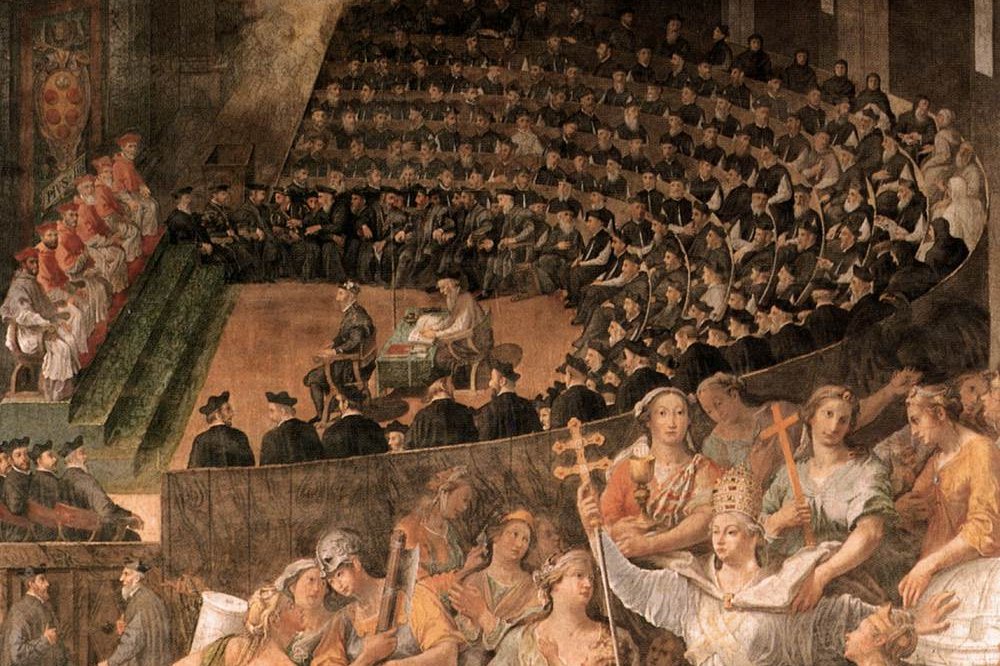
The conclave's name and its defining feature — sealing the electors away from the outside world — trace back to one specific historical crisis. After Pope Clement IV died in 1268, the cardinals gathered in Viterbo, north of Rome, split into factions and simply could not agree on a successor. The election dragged on for nearly three years, an extraordinary paralysis that left the Church without a pope for longer than at almost any other point in its history.
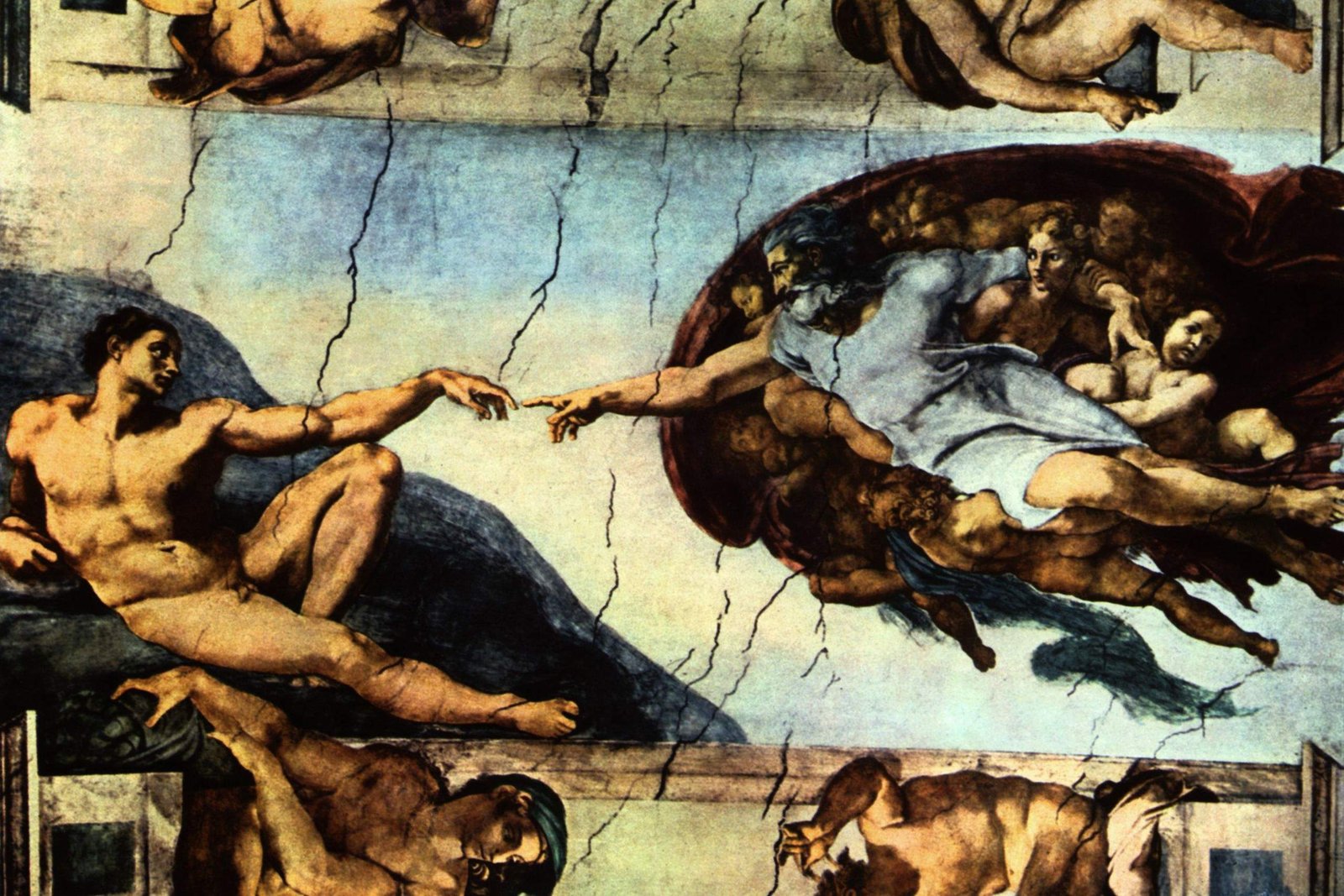
Michelangelo, The Creation of Adam, Sistine Chapel ceiling, 1508-1512, Vatican City — public domain.
Eventually, exasperated local townspeople took matters into their own hands: they locked the cardinals inside the building where they were meeting, reportedly removed part of the roof to expose them to the elements, and restricted their food to bread and water, hoping to pressure a decision. It worked — Pope Gregory X was finally elected in 1271 — and Gregory, having lived through the ordeal firsthand, formalized the lockdown procedure into official Church law with his 1274 constitution Ubi Periculum, establishing the conclave (from the Latin cum clave, "with a key") as the Church's standard method for electing future popes.
Who gets a vote
Only cardinals under age 80 at the moment the papal vacancy begins are eligible to vote — a reform introduced by Pope Paul VI in 1970, intended partly to keep the voting body from growing too large and to balance long-serving experience against a degree of generational turnover. Cardinals who have already turned 80 retain their title and can take part in the discussions that precede the conclave, called general congregations, but lose the right to enter the conclave itself or to cast a ballot once it begins.
Sealed in, literally
Once the conclave opens, the participating cardinals are sequestered inside Vatican City, housed at the Domus Sanctae Marthae guesthouse and gathering each day inside the Sistine Chapel — Michelangelo's frescoed ceiling watching over the proceedings — to vote. Modern conclaves enforce strict isolation from outside contact: no phones, no internet access, no newspapers, and the chapel itself is swept for listening devices before voting begins, reflecting the same underlying goal Gregory X's 13th-century reform first established — removing outside political pressure from the decision entirely.
The vote itself
Each cardinal writes a name on a paper ballot inscribed with the Latin phrase Eligo in Summum Pontificem ("I elect as Supreme Pontiff"), folds it, and carries it to the altar to place it in a receptacle while reciting a prescribed oath. Up to four ballots can be held per day — two in the morning session, two in the afternoon — and a candidate needs a two-thirds majority of the cardinal electors present to be elected. If a large number of ballots pass without a decision, current rules permit a runoff restricted to the top two vote-getters from the previous ballot, still requiring a two-thirds majority even in that runoff round.
Black smoke, white smoke
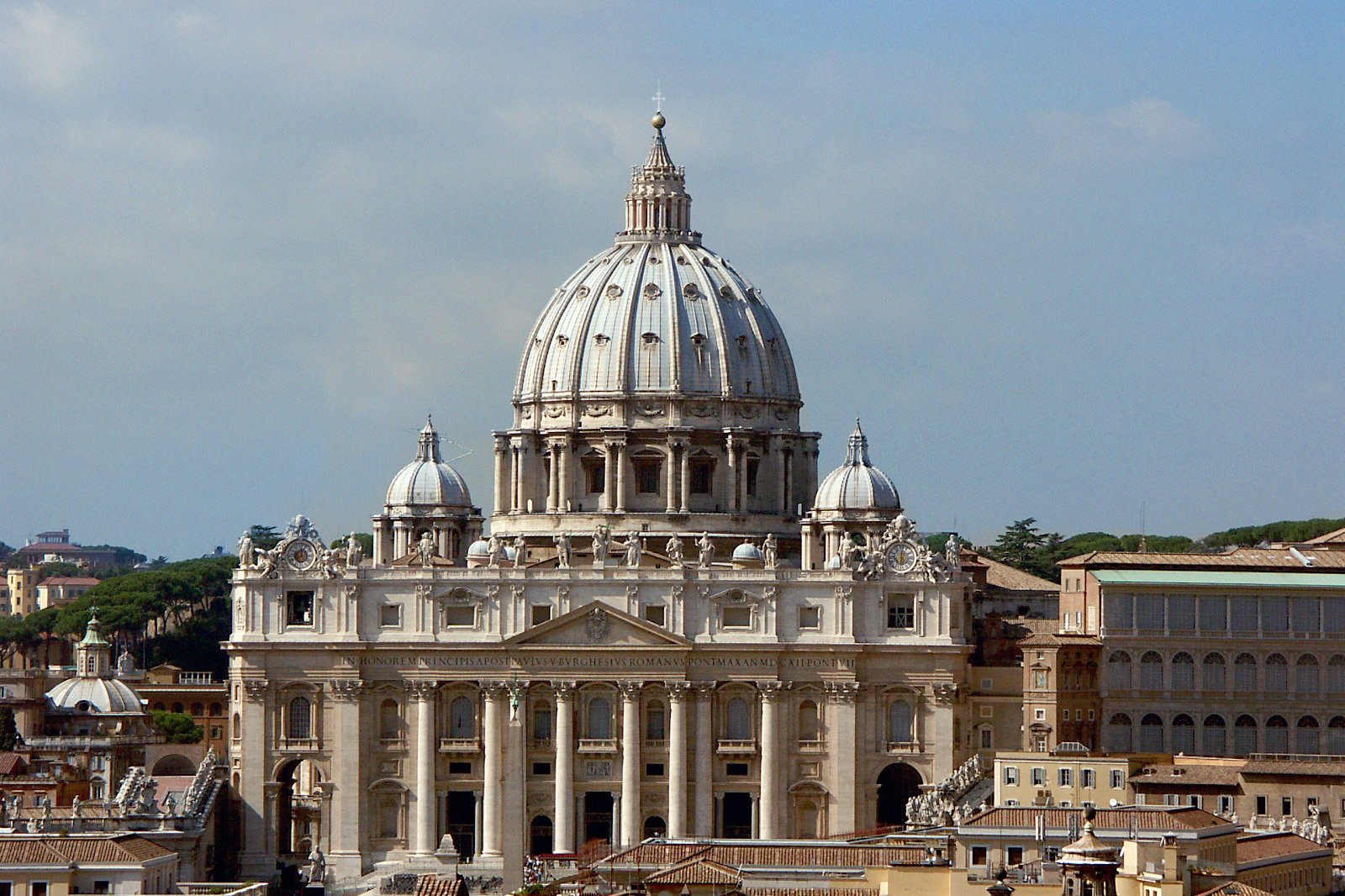
After each round of voting, the ballots are burned in a stove inside the Sistine Chapel, producing smoke visible from St. Peter's Square through a chimney installed on the chapel's roof specifically for this purpose. Black smoke (fumata nera), created by adding a chemical compound to the burning ballots, signals that no candidate reached the required majority. White smoke (fumata bianca) announces that a new pope has been elected. Because black and white smoke were sometimes difficult to distinguish reliably in the past, the Vatican added a second confirmation starting in 2005: the bells of St. Peter's Basilica now ring out alongside white smoke specifically to remove any ambiguity for the crowds watching below.
Before the lockdown: the interregnum
The period between one pope's death or resignation and the next pope's election is called the sede vacante ("the seat being vacant"), and it follows its own set procedures before a conclave ever begins. The camerlengo (chamberlain of the Holy Roman Church), a cardinal appointed to administer the Vatican's day-to-day affairs during this interval, formally confirms the pope's death, historically by calling his baptismal name three times and gently tapping his forehead with a silver hammer, and then oversees the sealing of the papal apartments. During the sede vacante, the College of Cardinals as a body handles only routine Church business — no major doctrinal decisions, appointments, or policy changes are permitted until the new pope is elected. Cardinals from around the world gather in Rome for daily general congregations in the days before the conclave itself opens, discussing the needs of the Church and getting to know electors they may never have met in person, since cardinals are scattered across dioceses worldwide between conclaves.
Length and precedent
Modern conclaves tend to move far faster than their medieval predecessors. Since 1900, most conclaves have concluded within two to four days of voting; the 2013 conclave that elected Pope Francis took just two days and five ballots. This modern speed contrasts sharply with the drawn-out medieval elections that originally prompted the conclave system in the first place, and reflects both the smaller, more clearly bounded electorate under current rules and a general institutional preference for reaching consensus quickly once the cardinals are sequestered together.
What happens after white smoke
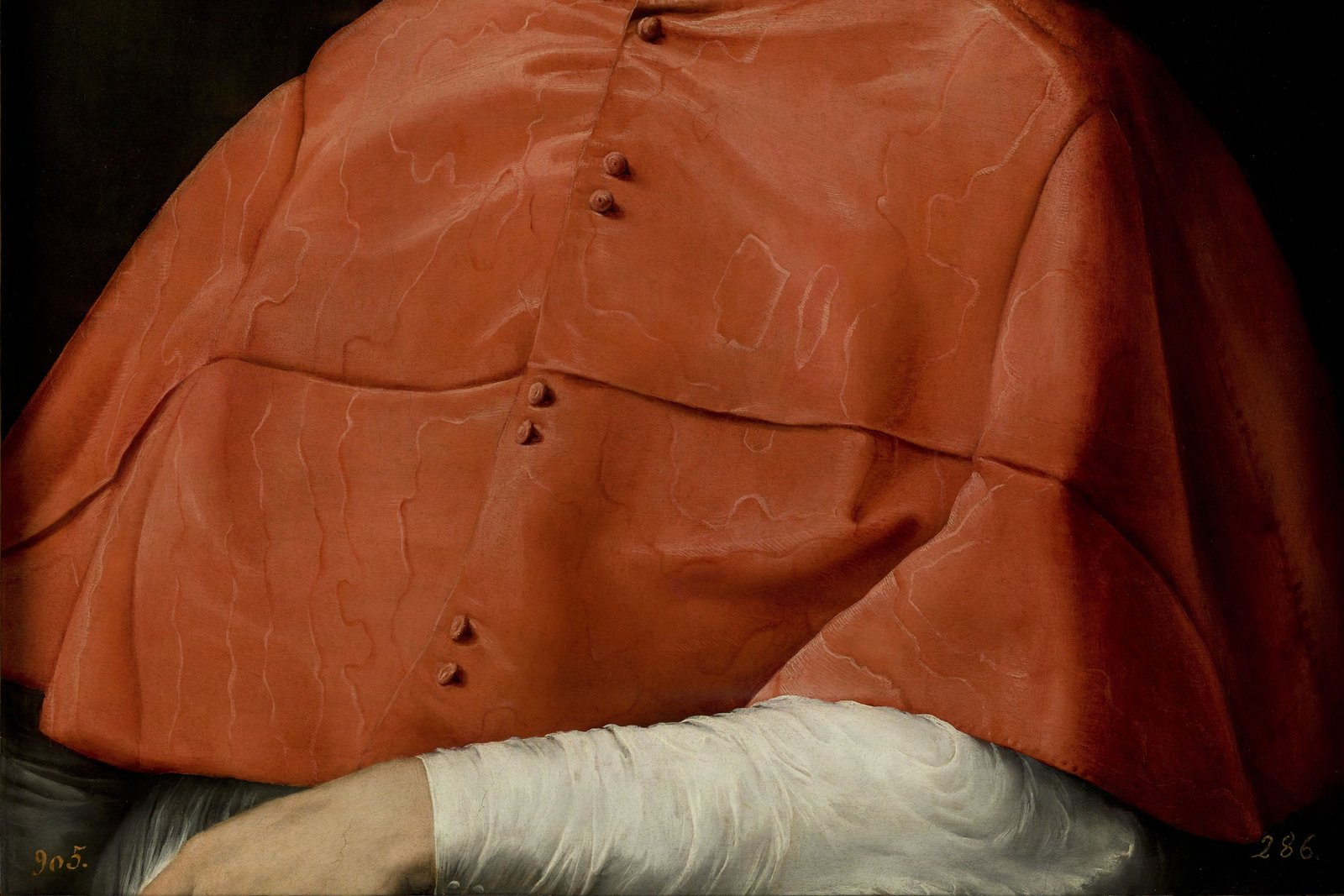
Once a candidate accepts election, he immediately becomes pope and chooses his papal name. He is then vested in white papal garments — famously prepared in three sizes in advance, since no one knows beforehand who will be elected — before appearing on the central balcony of St. Peter's Basilica, where the senior cardinal deacon announces to the waiting crowd the traditional formula Habemus Papam, Latin for "We have a pope," followed by the new pope's birth name and the papal name he has chosen, before the new pope himself appears to deliver his first blessing to the city and the world.
Trivia
What does the word conclave actually mean?
Who is eligible to vote in a papal conclave?
Why did the conclave system get created in the first place?
What do the different colors of smoke from the Sistine Chapel chimney mean?
How many votes does a candidate need to be elected pope?
Related Reading