What Is a Cardinal, and How Are They Chosen

The pope's hinge
The word "cardinal" derives from the Latin cardo, meaning "hinge" — a name that captures the role well. Cardinals form the pivot point of the Church's central government, the small body of senior churchmen the pope draws on most closely for counsel and administration, collectively known as the College of Cardinals. The role has no direct scriptural origin the way the episcopate does; it developed gradually during the Middle Ages out of the senior clergy of Rome, evolving into its modern form over centuries of Church practice and law.
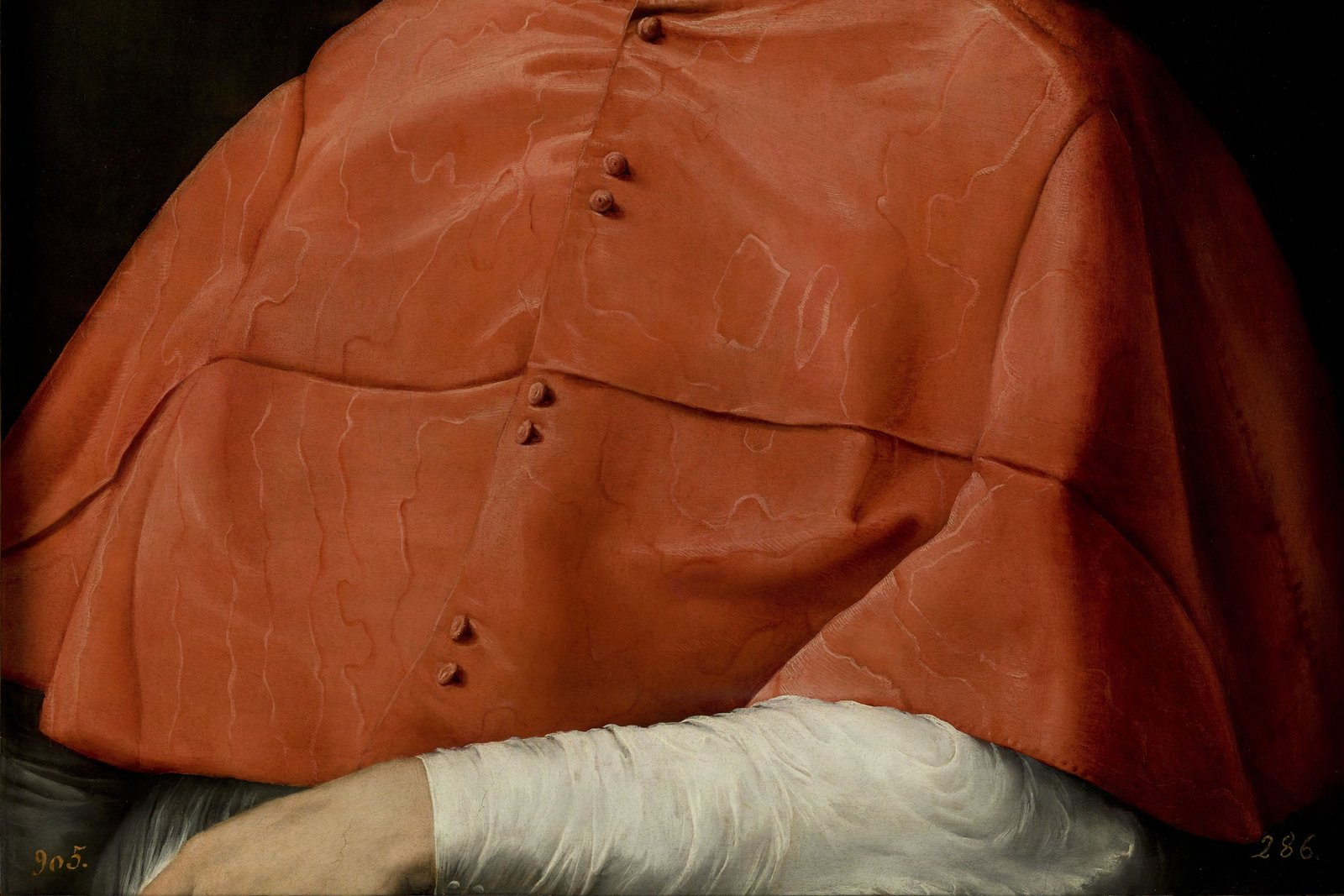
Raphael, Portrait of a Cardinal, c. 1510-1511, Museo del Prado, Madrid — public domain.
How a man becomes a cardinal
Appointment as cardinal is entirely at the pope's personal discretion — there's no election, no formal application process, and no fixed set of qualifications beyond current Church law generally requiring the candidate be at least a priest (in practice, nearly always already a bishop, or ordained one shortly after). The pope announces new cardinals at a public ceremony called a consistory, held periodically throughout a papacy, sometimes multiple times.
At the consistory, each new cardinal receives a red biretta (a stiff, square clerical cap), a cardinal's ring, and is assigned a titular church — a specific church in Rome symbolically connected to him, a custom preserving the ancient idea that cardinals, as a body, represent the clergy of the Diocese of Rome, regardless of where in the world the cardinal actually lives and serves. Most cardinals today continue serving as archbishops of major dioceses or as heads of Vatican offices (called dicasteries) even after being named cardinal — the title is an addition to, not a replacement for, their existing role.
The scarlet symbolism
A cardinal's distinctive scarlet cassock, sash, and biretta are not simply a rank marker; Church tradition attaches specific meaning to the color. The words historically spoken when a new cardinal receives his red biretta reference a readiness to serve the faith and the Holy See "even unto the shedding of blood" — making the color a visible reminder of willingness to suffer, even to the point of martyrdom, in defense of the Church. Several cardinals across history have, in fact, been martyred, giving the symbolism concrete, historical weight beyond ceremony alone.
Electing the pope: a role only since 1059
Perhaps the College of Cardinals' most publicly visible function today is electing a new pope through the papal conclave, but this specific role is younger than the office of cardinal itself. For much of the early Church, popes were chosen through a mix of clergy and lay acclamation in Rome, often influenced heavily by secular rulers — a system vulnerable to political interference and occasional chaos. Pope Nicholas II's decree In Nomine Domini, issued in 1059, formally restricted papal elections to the cardinals, a reform aimed specifically at reducing outside political pressure on the process. That basic structure — cardinals alone electing the pope — has remained in place, with refinements, for nearly a thousand years since.
Not every cardinal gets to vote
A significant modern reform came from Pope Paul VI in 1970: cardinals who have reached age 80 by the time a papal vacancy occurs lose the right to vote in the conclave, though they retain their title and can participate in pre-conclave discussions among the cardinals. This age limit was intended to keep the electing body from growing unwieldy and to balance experience with a degree of generational turnover among the cardinals actually casting votes. Church law also sets an informal target of 120 cardinal electors, a number that has occasionally been exceeded in practice depending on how appointments have been timed across a papacy.
The three ranks within the College
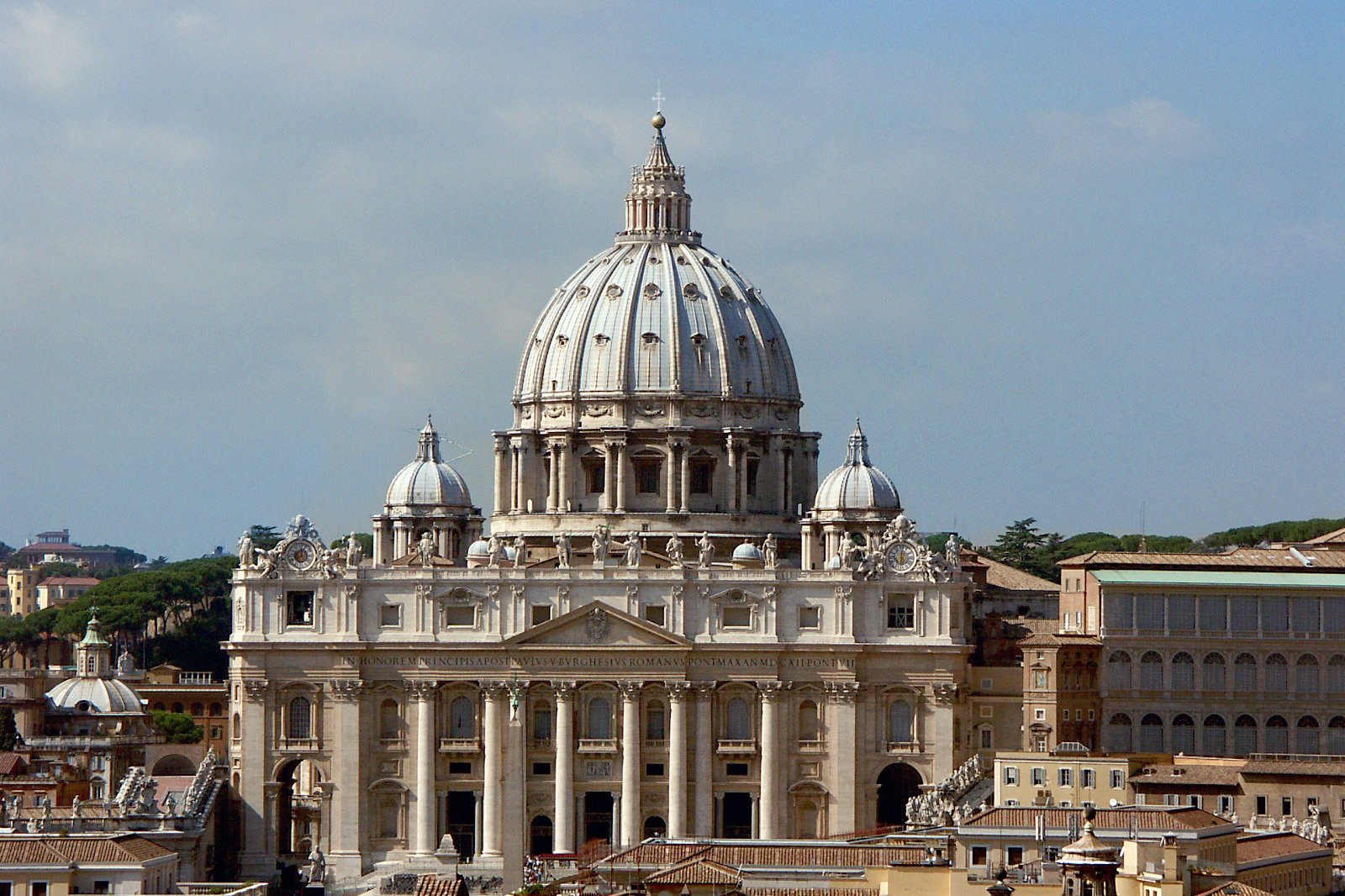
Not every cardinal holds identical rank. The College of Cardinals is traditionally divided into three orders. Cardinal bishops are the most senior, a small group that today includes the heads of the historic suburbicarian dioceses surrounding Rome along with a few patriarchs of Eastern Catholic Churches; the dean of the College, who presides over its meetings and, if himself an elector, formally asks the newly elected pope whether he accepts, is chosen from among them. Cardinal priests make up the largest order by far, typically archbishops or bishops of major dioceses around the world. Cardinal deacons, historically drawn from Vatican officials rather than diocesan bishops, form the smallest order; by long custom, it is the senior cardinal deacon (the protodeacon) who steps onto the balcony of St. Peter's Basilica to announce Habemus Papam after a conclave concludes. The distinction matters mostly for ceremonial precedence today — all three ranks vote as equals in a conclave — but it preserves a structure that reaches back to the cardinalate's origins among the senior clergy of ancient Rome.
Cardinals beyond the conclave
Outside conclave season, cardinals carry out the bulk of their actual work far from Vatican ceremony. Most head their own archdioceses, overseeing the same pastoral, administrative, and disciplinary responsibilities as any bishop, simply with the added title and responsibilities of the cardinalate layered on top. Others serve full time in Rome as prefects or members of the Vatican's dicasteries — the departments overseeing everything from doctrine to worship to religious life worldwide — functioning, in effect, as the pope's cabinet. The pope also regularly summons the College, or select members of it, to advise him on major decisions between conclaves, which is part of what the "hinge" imagery in the title's Latin root was always meant to capture: cardinals as the point on which the Church's central governance turns, in ordinary times as much as during a vacancy.
A small, global body with an outsized public role
At any given time, fewer than 250 men worldwide hold the title of cardinal, drawn from dioceses and Vatican offices across every populated continent — a scale that keeps the office rare and, for most Catholics, largely distant from daily parish life. Yet cardinals carry an outsized public profile precisely because of the conclave: for the brief period following a pope's death or resignation, this small, otherwise low-visibility body becomes the entire visible mechanism by which the Catholic Church chooses its next leader, drawing global attention to an office that, the rest of the time, operates largely out of public view.
Trivia
What exactly is a Catholic cardinal?
How does someone become a cardinal?
Do all cardinals get to vote for a new pope?
Why do cardinals wear red?
Must a cardinal be a bishop?
Related Reading