
Blog
Stories of saints, biblical events, angels, and sacred places.
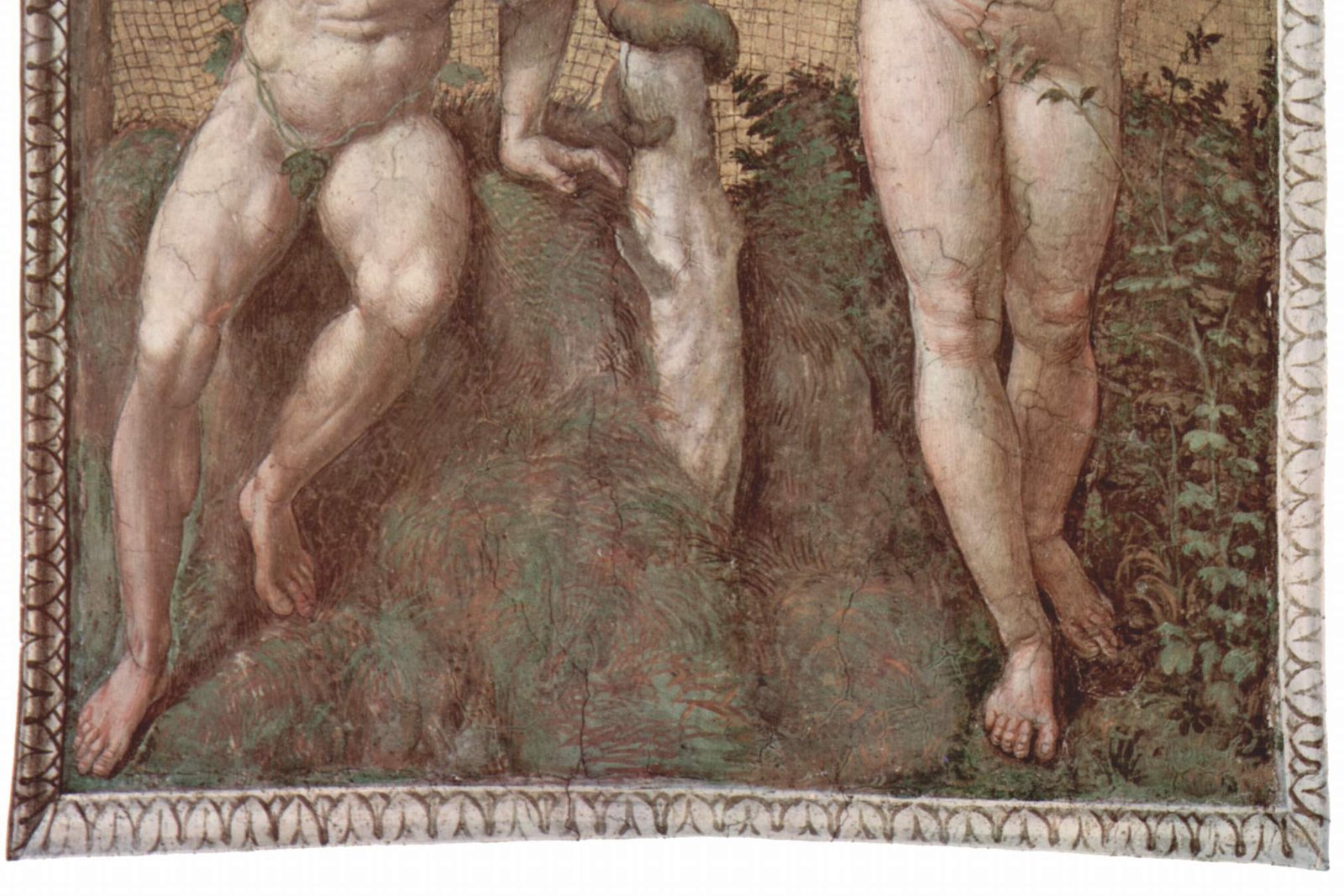
The Sistine Madonna's Two Cherubs: How They Escaped the Painting
How two small, bored-looking cherubs at the bottom of Raphael's Sistine Madonna became one of the most reproduced images in all of Western art history.

The Anchor: Christianity's Secret Cross
Long before the cross became a public Christian symbol, persecuted believers carved an anchor into catacomb walls and rings to signal their faith in secret.

Ichthys: The Fish That Became a Secret Christian Password
How a simple fish drawn quickly in the dirt became early Christianity's most effective code, spelling out a full statement of faith in one Greek acronym.
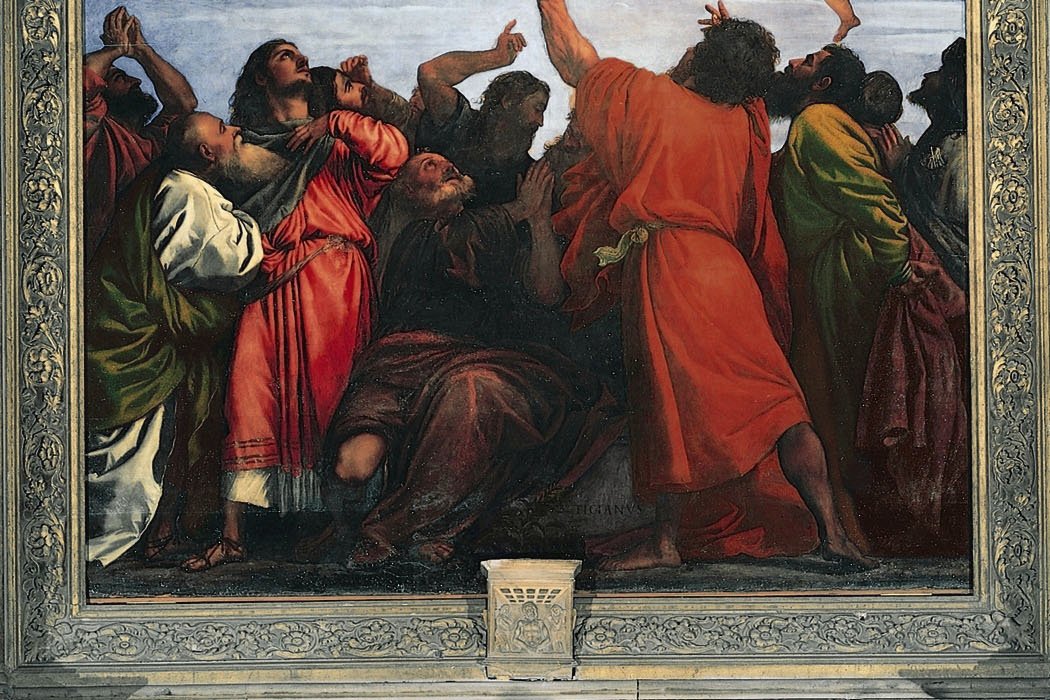
Titian's Assumption of the Virgin: A Church-Sized Miracle
How Titian's towering Assumption of the Virgin altarpiece, painted for a Venetian Franciscan church in 1518, redefined what a religious painting could achieve.
Blessed Isidore Bakanja
A Congolese laborer refused to remove the brown scapular around his neck when his colonial employer ordered him to — the beating that followed killed him.
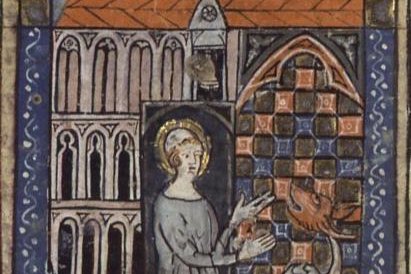
Saint Amand of Maastricht
A missionary bishop preached so aggressively against Frankish paganism that hostile locals once threw him in a river, and he simply went out and tried again.
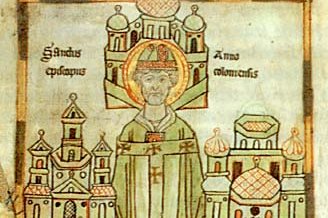
Saint Anno of Cologne
An archbishop lured a child king onto a boat to seize control of the empire from his own mother, then spent his final years atoning for that ambition.
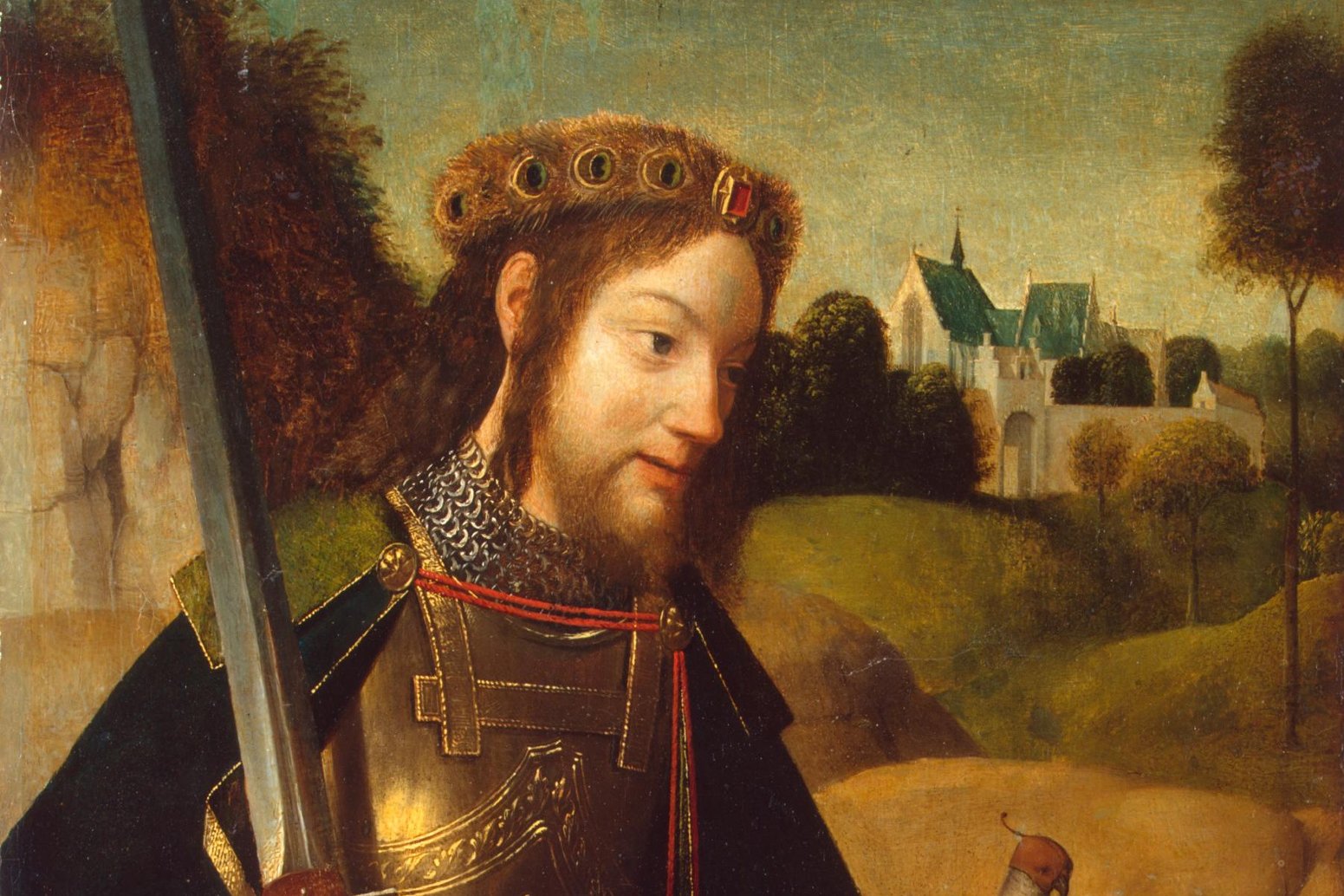
Saint Bavo of Ghent
A wealthy Frankish nobleman gave away his estate, offered himself into servitude to atone for old wrongs, and ended his days as a hermit living inside a hollow tree.
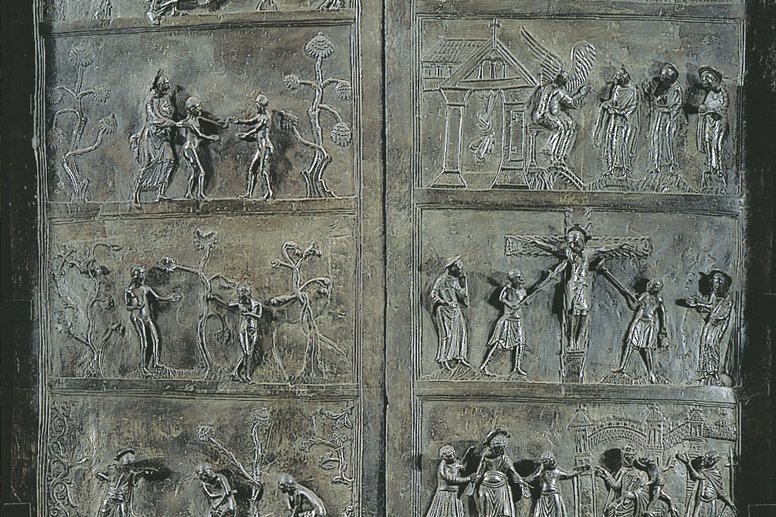
Saint Bernward of Hildesheim
A bishop who personally trained as a goldsmith and metalworker cast a set of bronze doors so ambitious that art historians still study them a thousand years later.
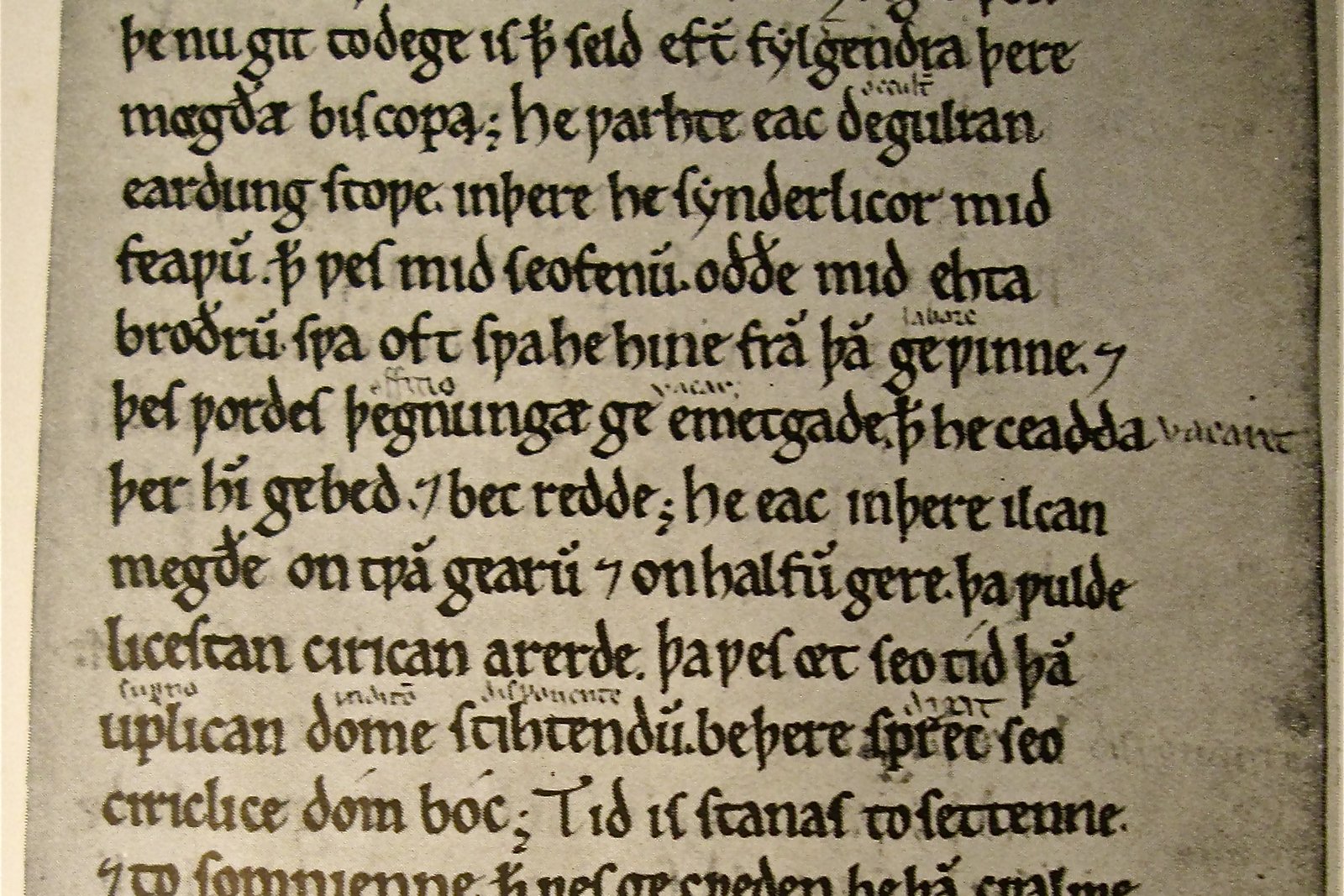
Saint Chad of Mercia
A bishop stepped down the instant he learned his consecration had been irregular, and the archbishop who objected was so moved he consecrated him bishop again.
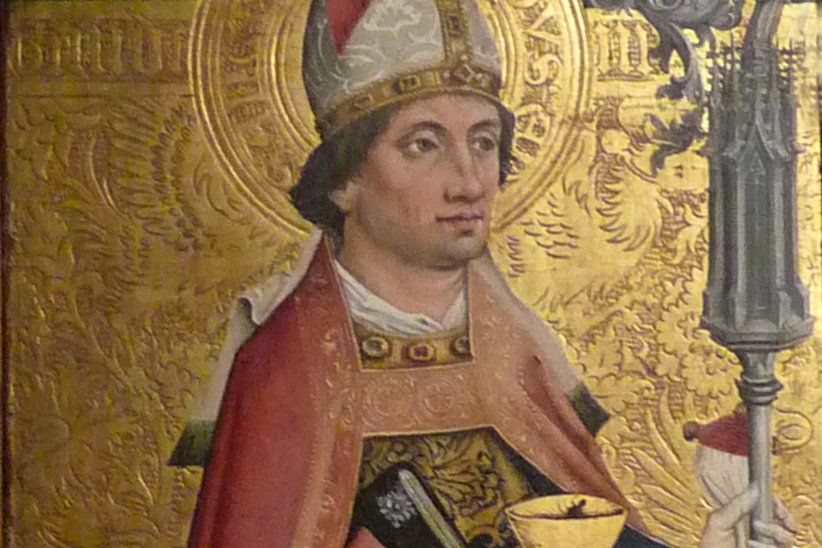
Saint Conrad of Constance
A bishop made repeated pilgrimages to Rome and Jerusalem over his decades in office, and legend credits him with a startling act of faith at his own altar.
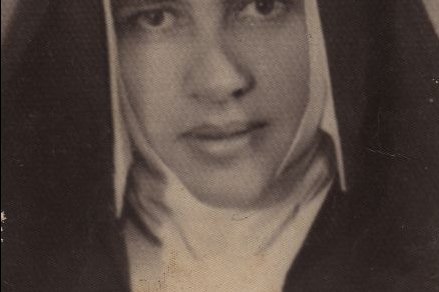
Saint Dulce Pontes
A Brazilian nun turned her convent's chicken coop into a hospital ward for the poor of Salvador — she was nominated for the Nobel Peace Prize decades later.
Saint Elizabeth of the Trinity
A gifted concert pianist gave up the stage at 21 to enter a cloistered convent — she died five years later, leaving behind a prayer still recited worldwide.
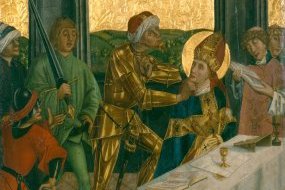
Saint Emmeram of Regensburg
A bishop-missionary took the blame for a nobleman's crime to protect a young woman's reputation, then was mutilated and killed by her outraged brother.
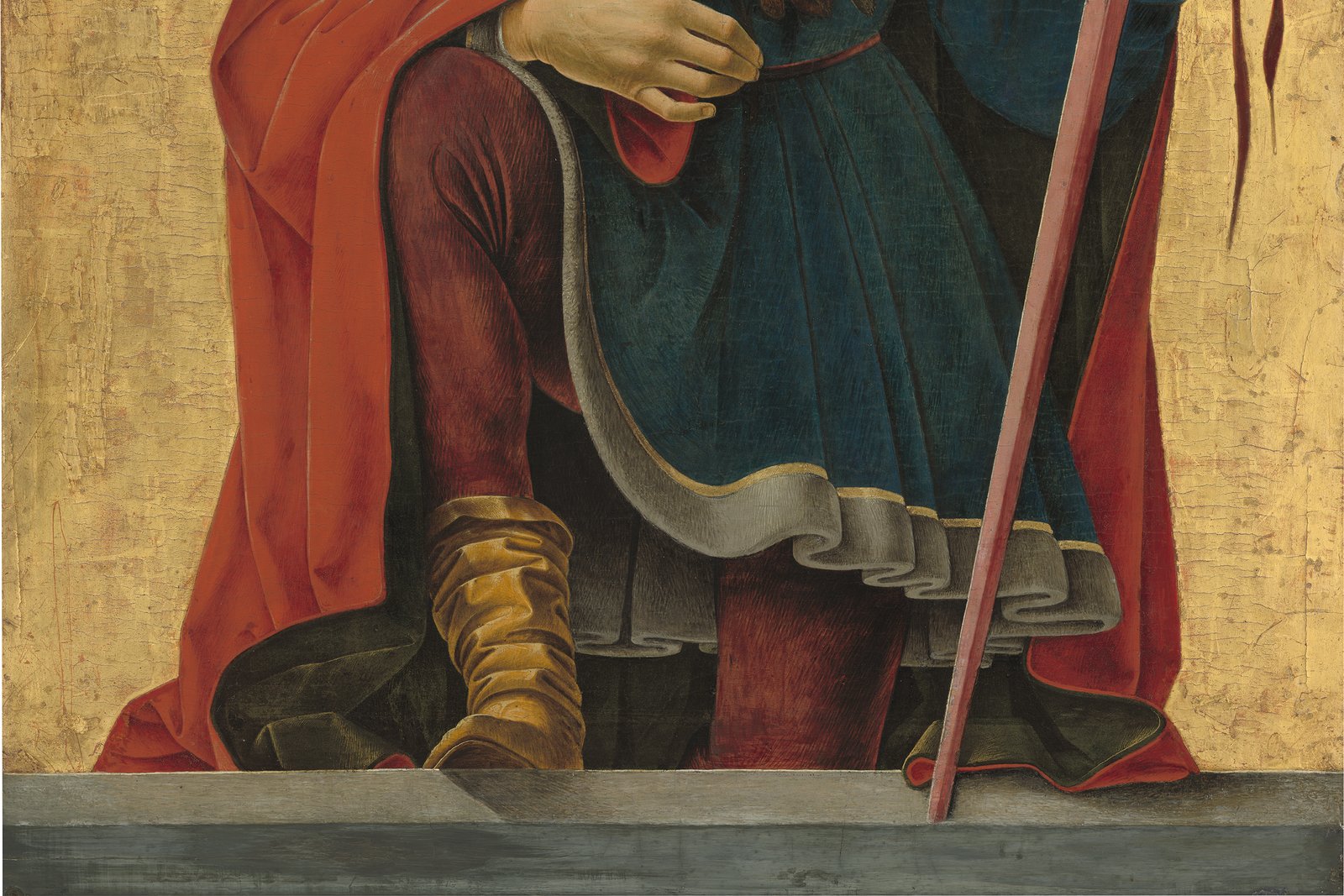
Saint Florian
A retired Roman officer confessed his faith to a persecutor voluntarily, was drowned with a millstone around his neck, and became firefighters' patron saint.
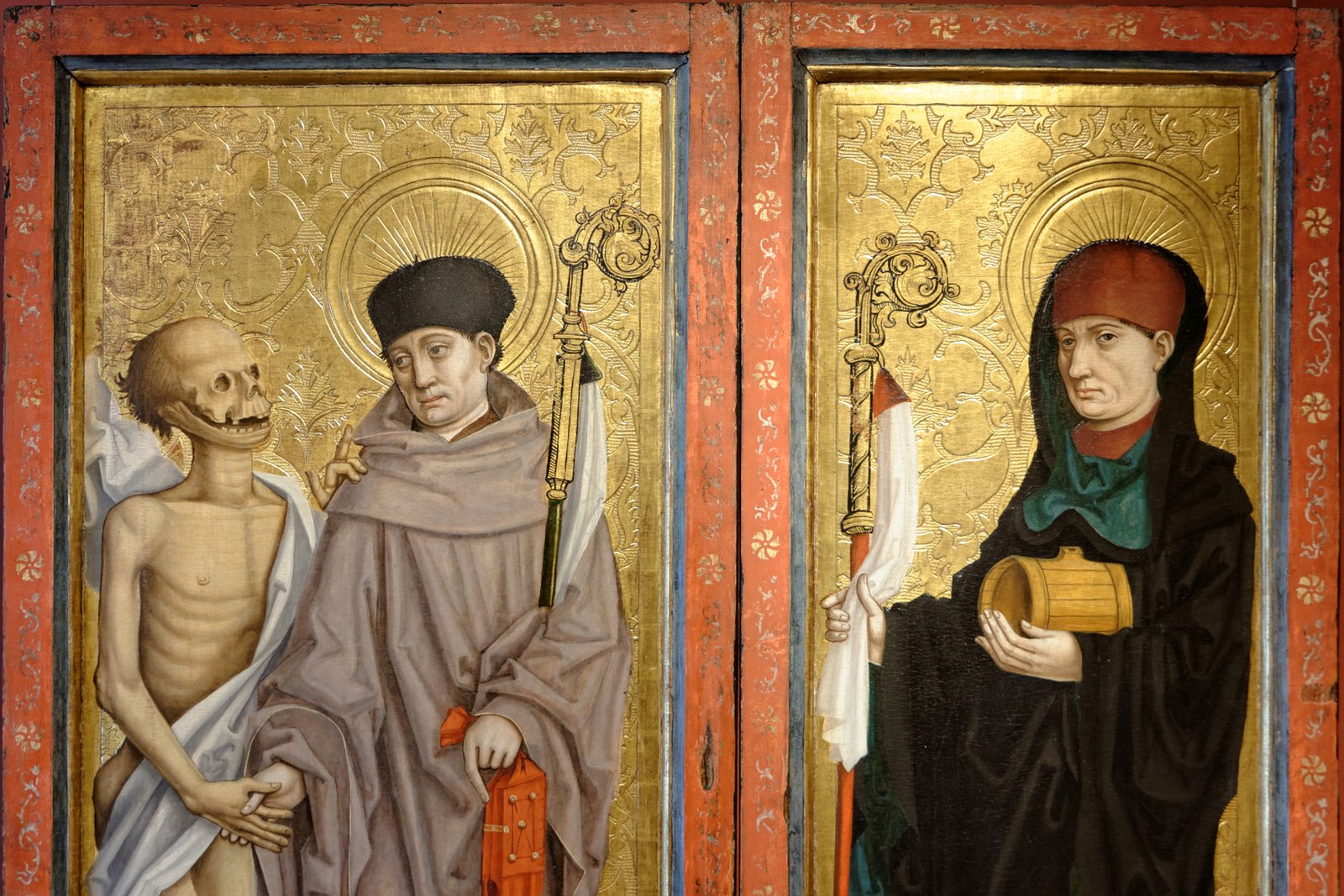
Saint Fridolin of Säckingen
An Irish monk searching for a bishop's lost relics founded a Rhine-island monastery, and legend says he once raised a dead man to testify in a land dispute.
Saint Gemma Galgani
Every Thursday afternoon, wounds opened in Gemma Galgani's hands, feet, and side and bled until Friday — she was orphaned, penniless, and dead by 25.
Saint Gertrude of Nivelles
A Frankish noblewoman refused a marriage proposed before the king, became a teen abbess instead, and ruled her monastery with an austerity that wrecked her health.
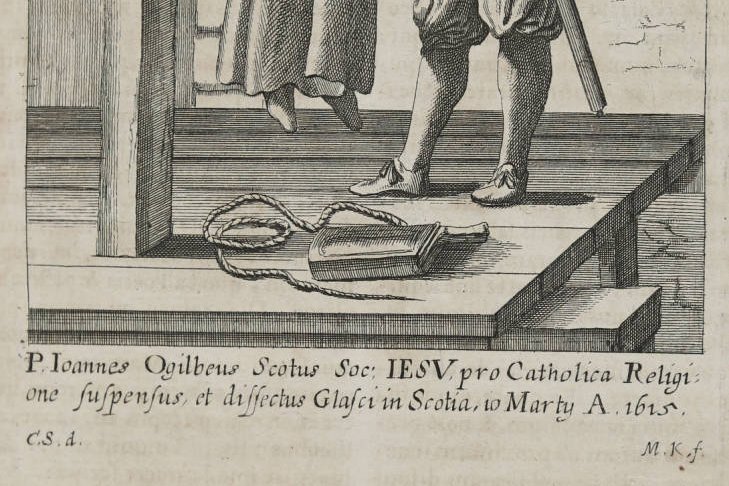
Saint John Ogilvie
A Scottish Calvinist nobleman converted to Catholicism at 17, became a secret priest, and was hanged in Glasgow for refusing to name the king head of the Church.
Saint Josemaria Escriva
In 1928, a 26-year-old Spanish priest said he saw, in a single flash of insight, an entire spiritual path built on ordinary work rather than the cloister.