
Blog
Stories of saints, biblical events, angels, and sacred places.
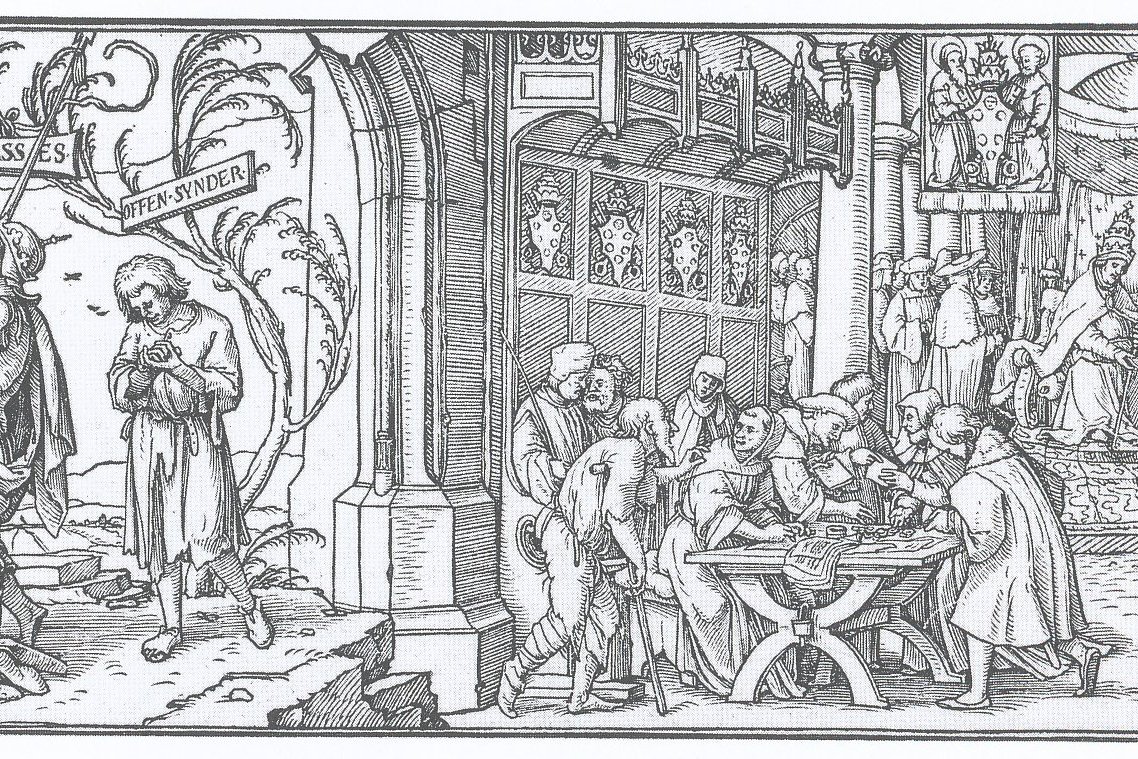
What Is a Plenary Indulgence, Specifically?
The Catechism's precise definition of a full remission of temporal punishment, the conditions required to receive one, and how it differs from a partial one.
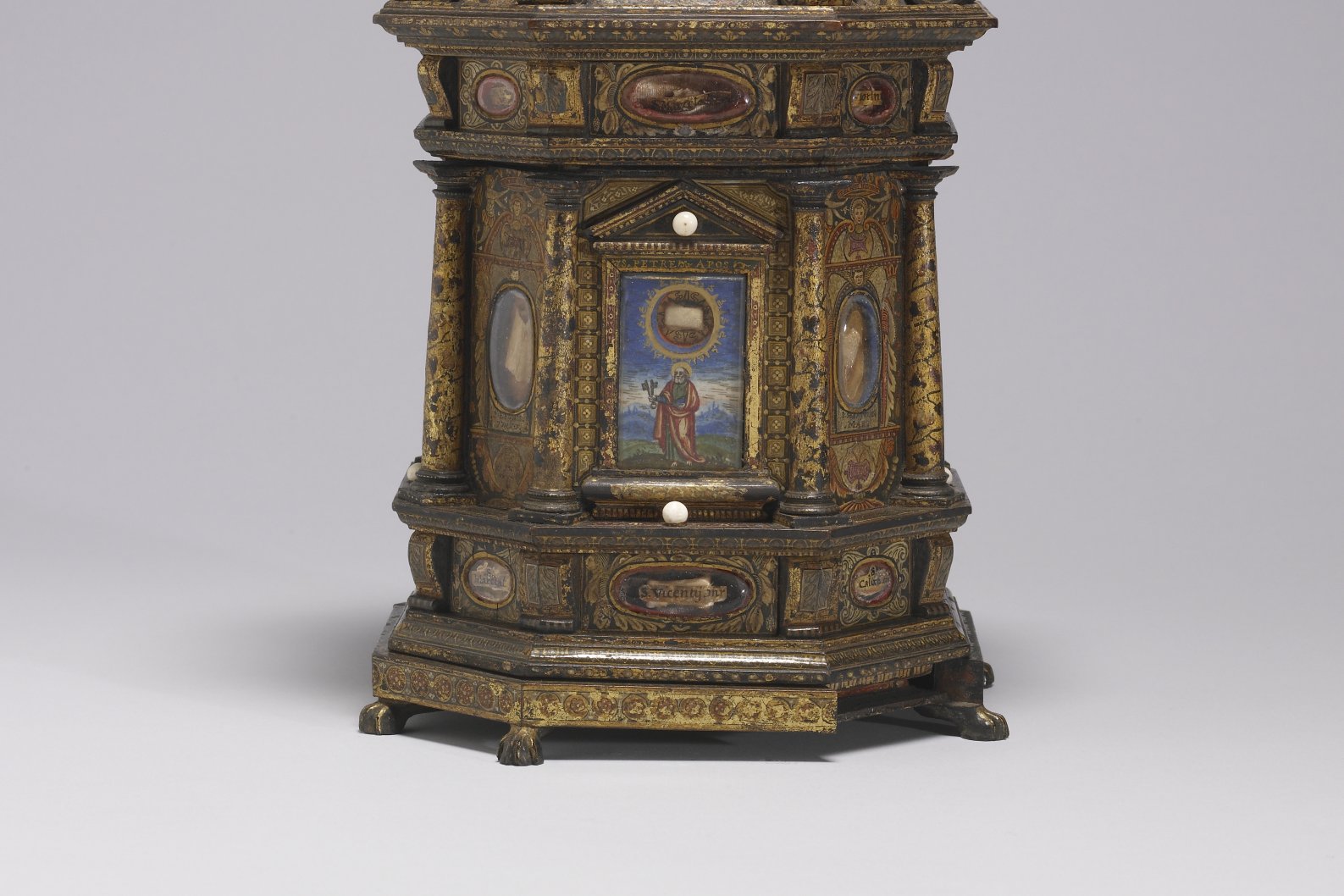
What Is a Relic, and Why Catholics Venerate Them
The Catholic Church sorts relics into three formal classes and has governed how they are venerated since an 8th-century church council — here is exactly how.
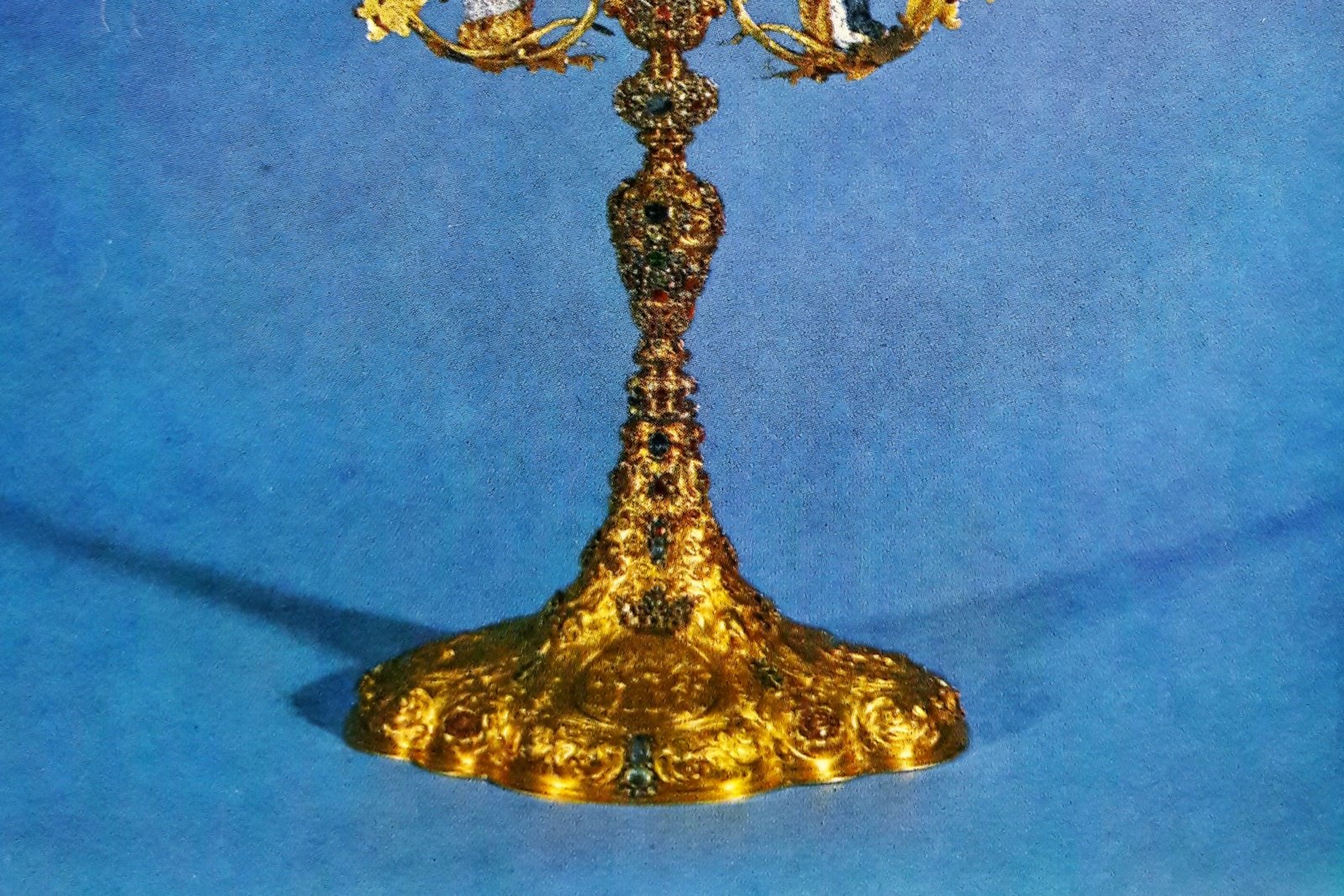
What Is Eucharistic Exposition and Benediction
A monstrance, a veiled priest, and a blessing given with the Eucharist itself instead of a hand — what happens at exposition and Benediction, step by step.
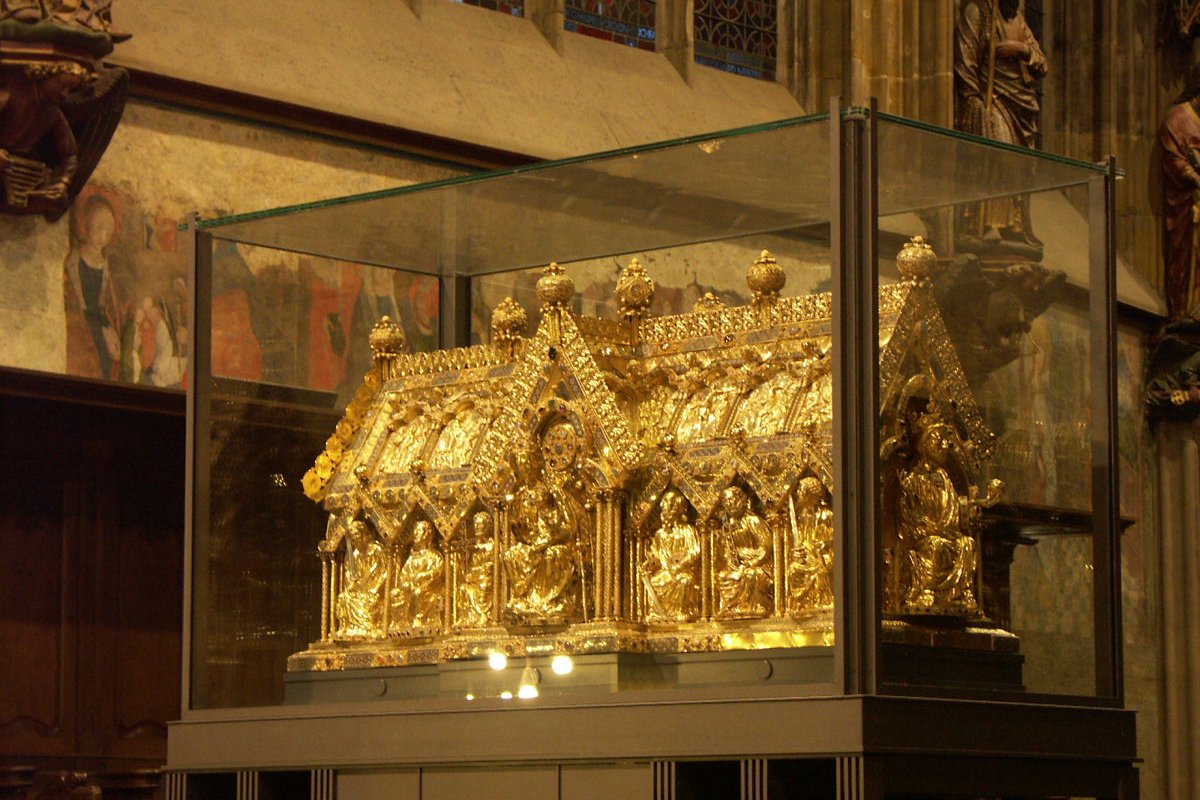
Aachen Cathedral
Charlemagne built his octagonal chapel at Aachen around the year 800 as a copy of a Byzantine church, then was buried inside it — Germany's oldest cathedral.
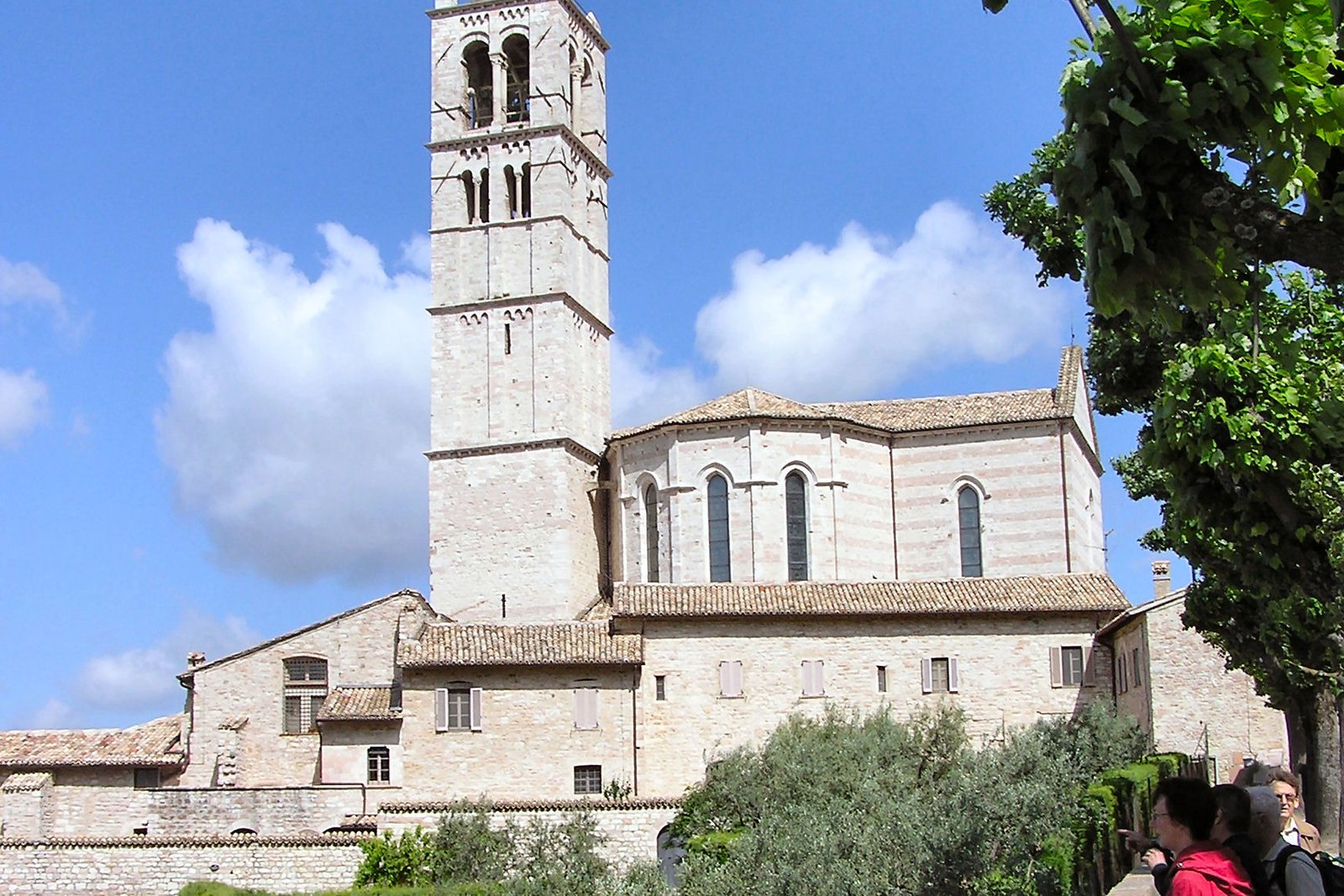
Assisi's Basilica of Santa Chiara
Behind a grille in this pink-and-white Assisi basilica rests the crucifix that spoke to Francis, and Saint Clare of Assisi's own body, on view since 1850.
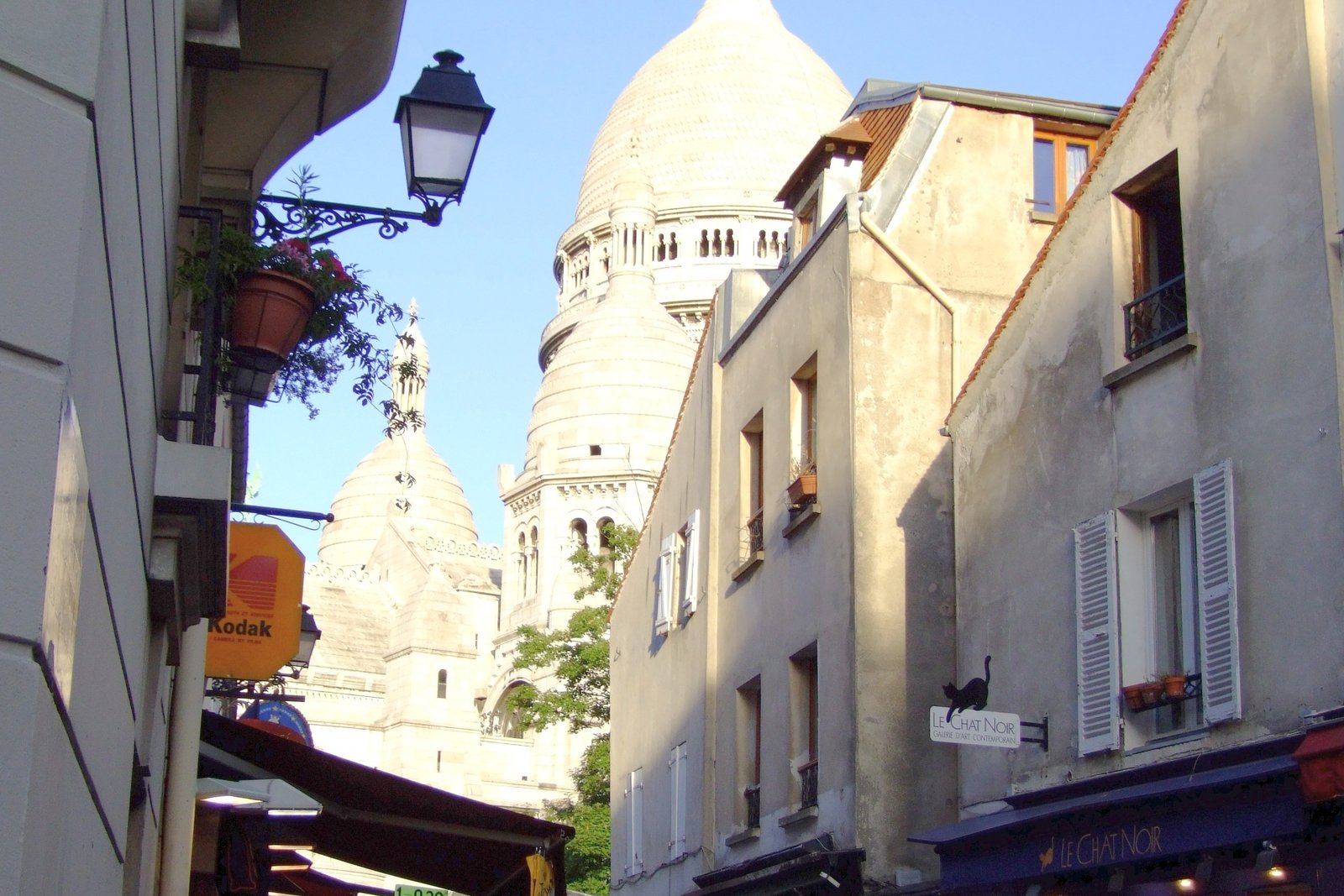
The Basilica of the Sacred Heart, Paray-le-Monial
A quiet Romanesque priory church in Burgundy, France, where a 17th-century nun's visions of Christ's Sacred Heart launched a devotion now practiced worldwide.
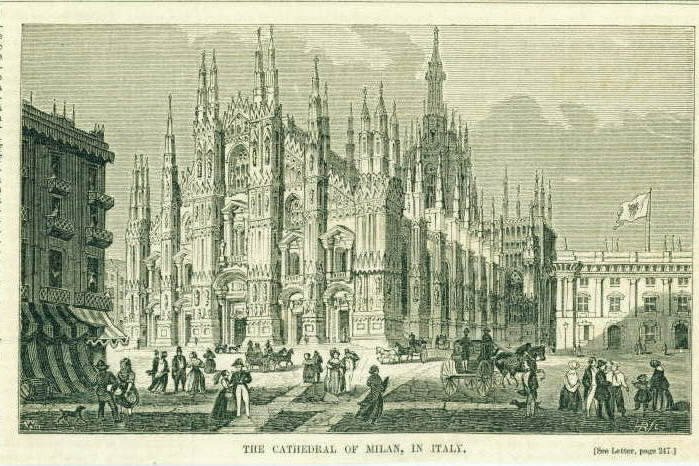
Milan Cathedral (Duomo di Milano)
Started in 1386 and only declared finished in 1965, Milan's cathedral holds more statues than any other building on earth and a relic of the Holy Nail.
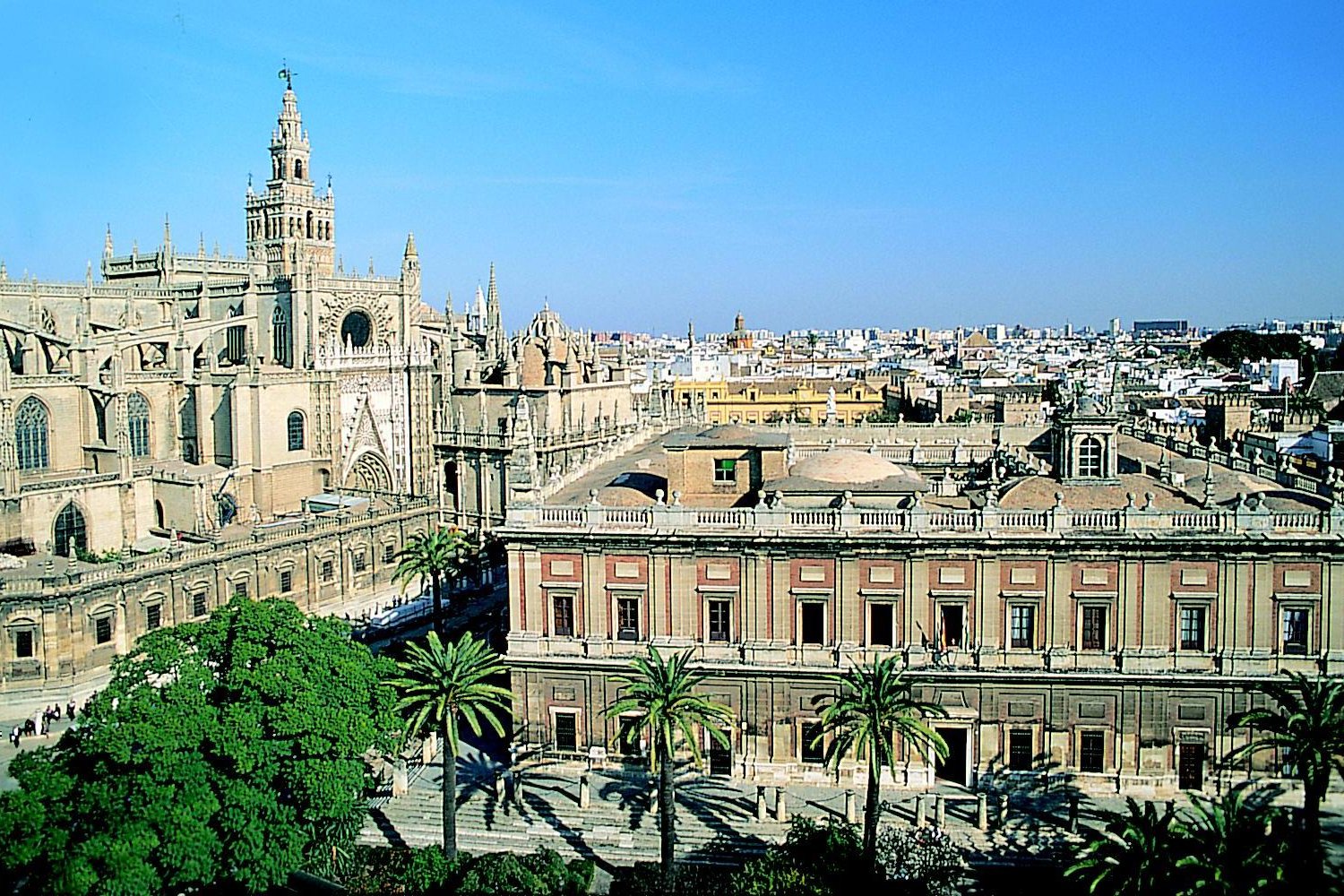
Seville Cathedral
Built over a mosque with the express goal of making later generations think its builders were mad, Seville Cathedral is still the largest Gothic church on earth.
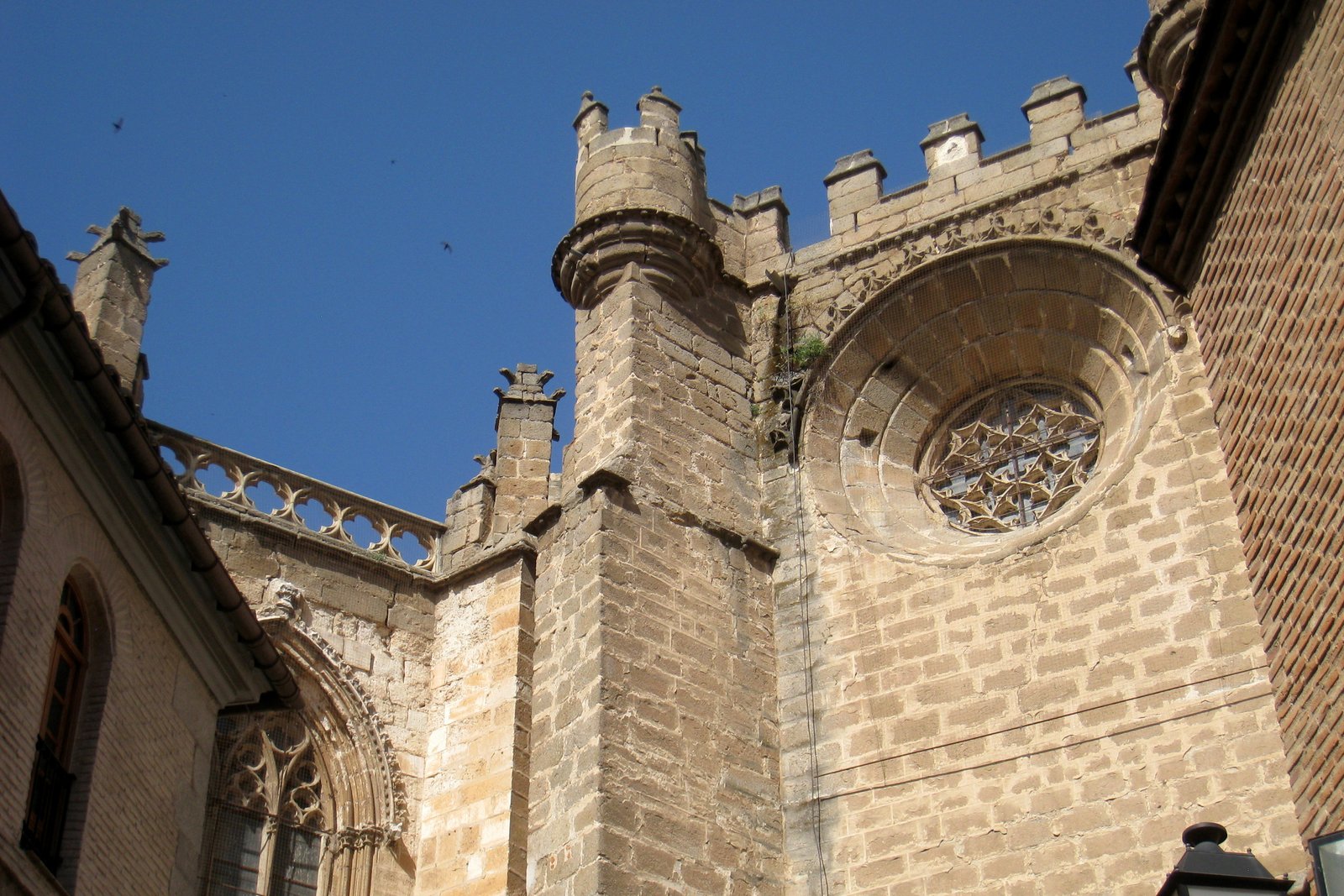
Toledo Cathedral, Spain
Built over Toledo's Great Mosque, which was built over a Visigothic church, Toledo Cathedral houses El Greco masterpieces and the seat of Spain's primate.
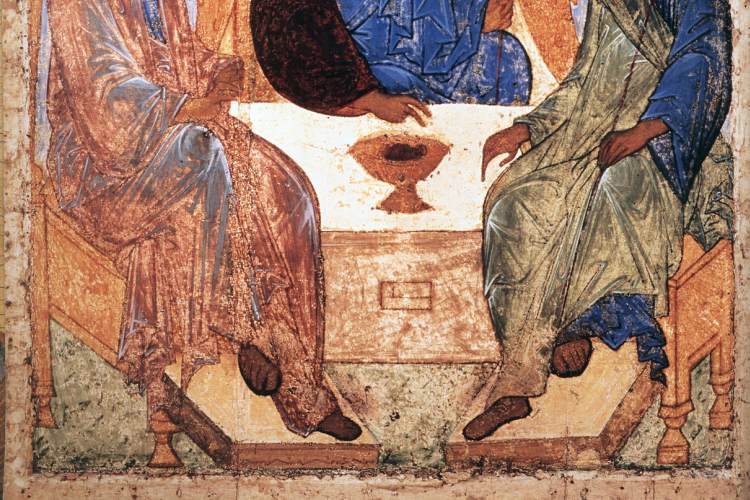
Andrei Rublev's Trinity: The Icon That Defines Icons
How a Russian monk's 15th-century icon of three angels seated at Mamre became the standard image of the Holy Trinity across the Orthodox Christian world.
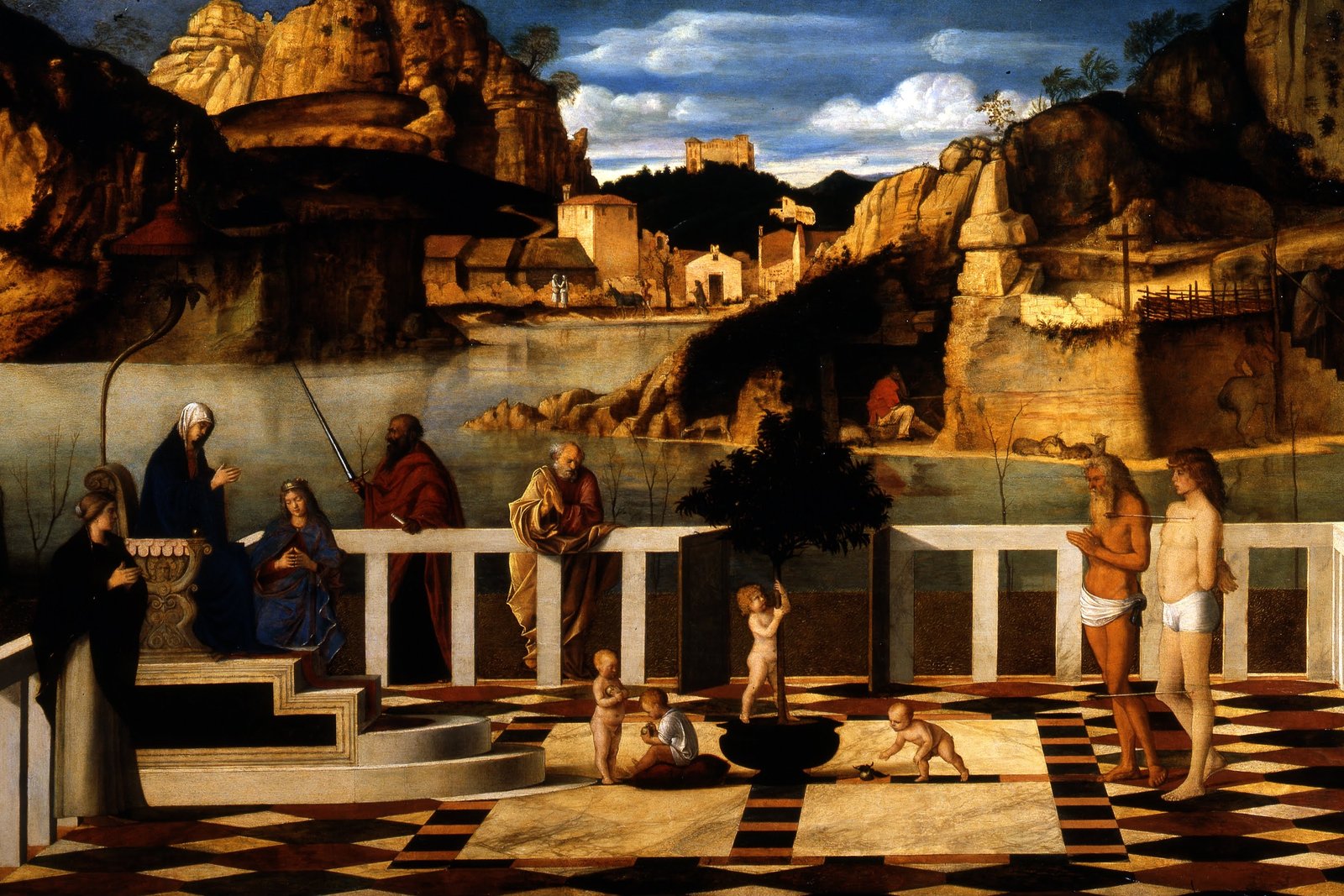
Bellini's Sacred Allegory: A Puzzle Nobody Has Fully Solved
Giovanni Bellini's Sacred Allegory gathers saints and mysterious figures on a marble terrace, and five centuries later its exact meaning is still debated.
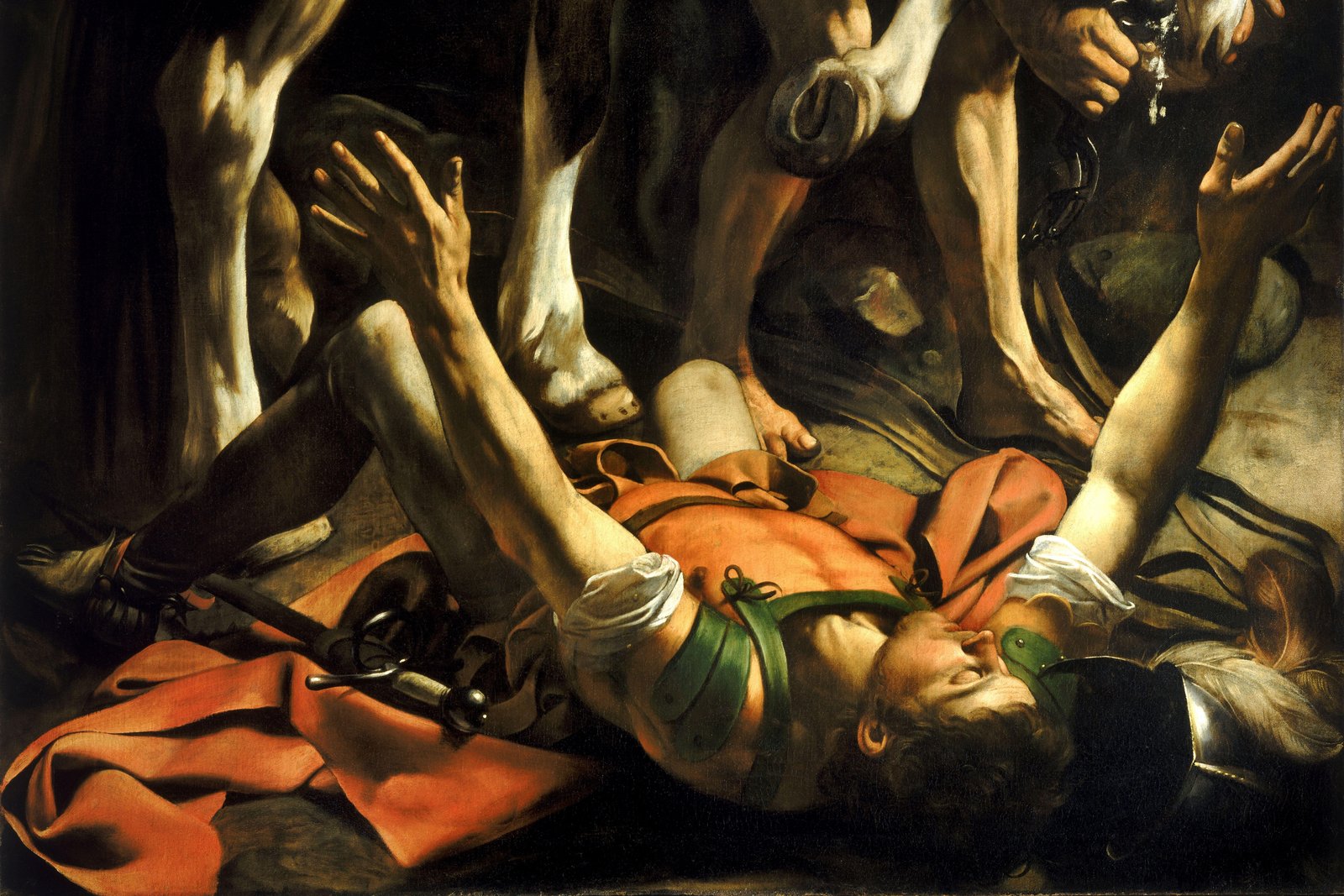
Caravaggio's Conversion on the Way to Damascus
How Caravaggio painted Saint Paul's conversion as a fallen man beneath a huge, ordinary horse for a Roman chapel, scrapping his first attempt entirely.
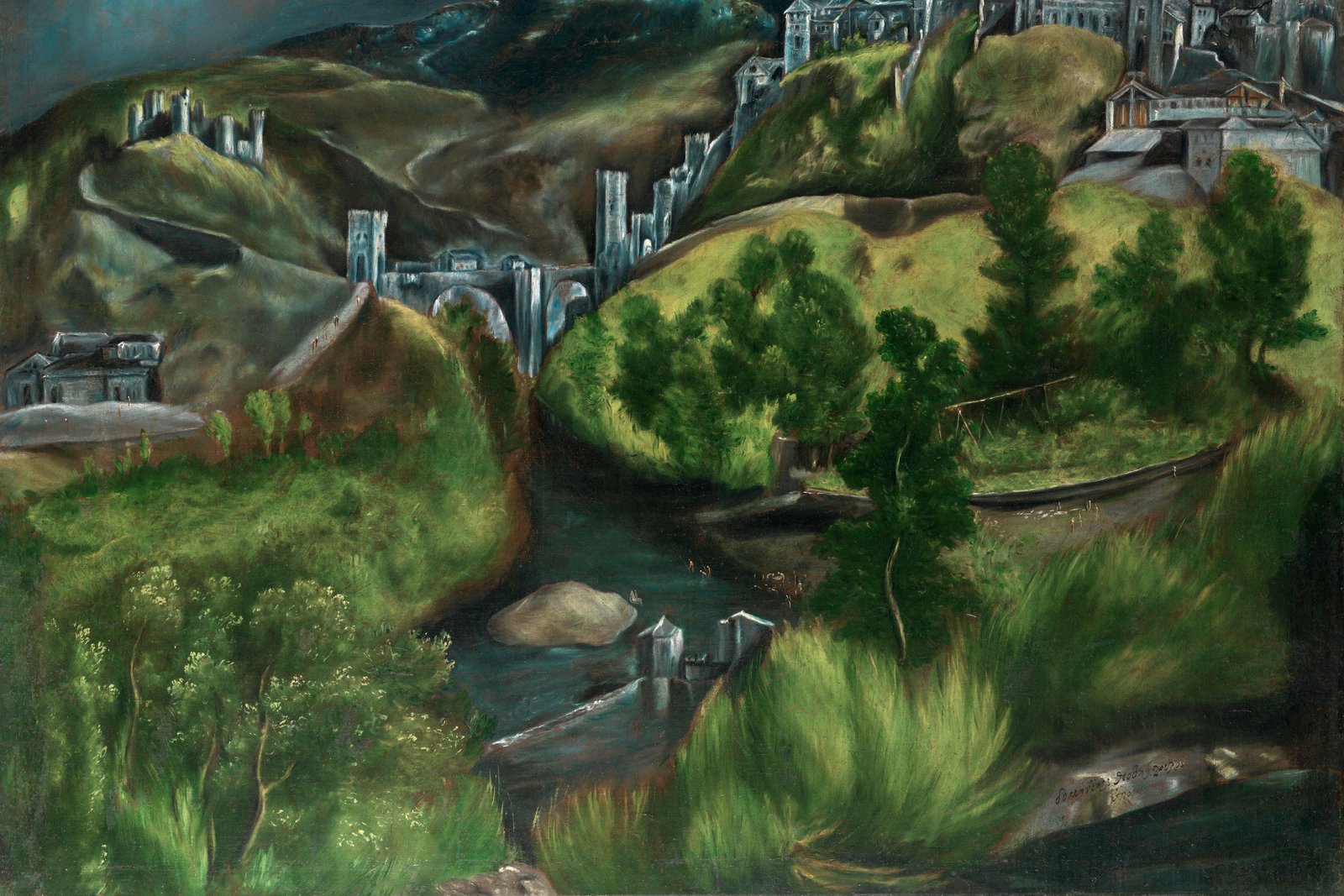
El Greco's View of Toledo and Its Religious Symbolism
Why El Greco's stormy, almost supernatural View of Toledo is read as more than a landscape, and how it reflects his deeply spiritual, visionary painting style.
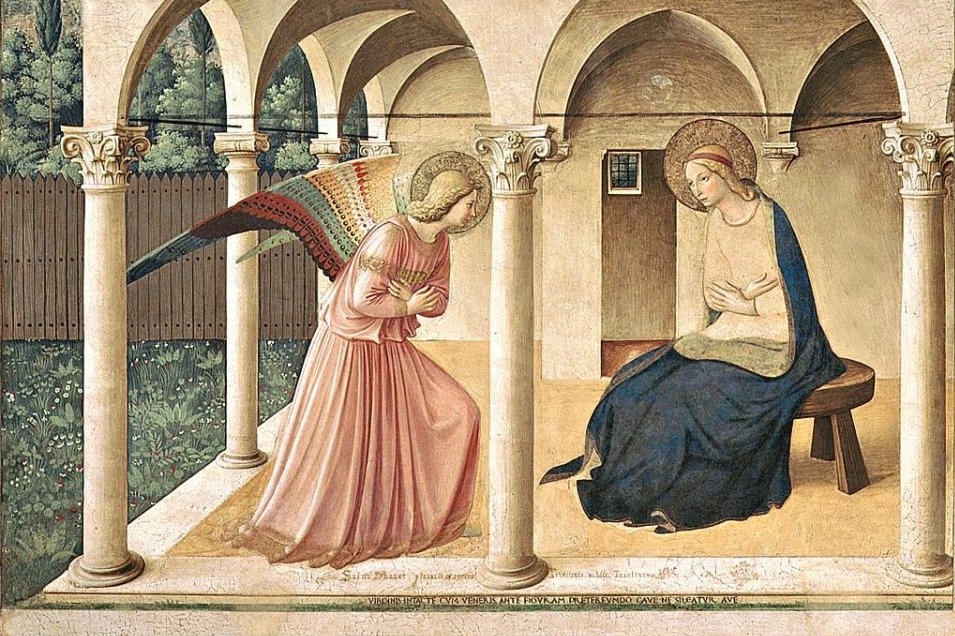
Fra Angelico's Annunciation: Prayer Painted on a Wall
How Fra Angelico's fresco of the Annunciation, painted on a monastery stairwell wall in Florence, became one of art history's quietest devotional images.
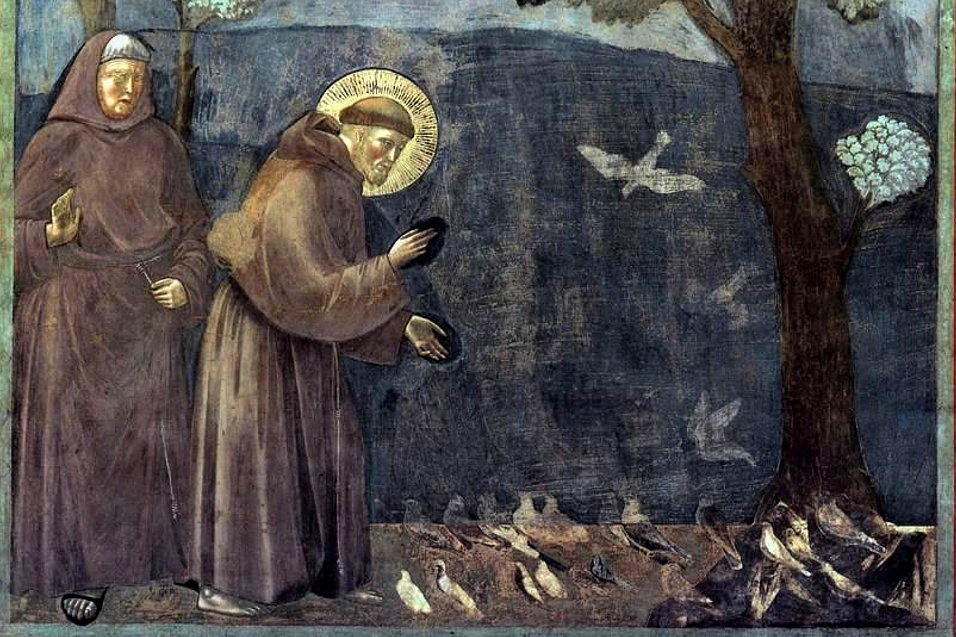
Giotto's Life of Saint Francis Frescoes at Assisi
How the 28-scene Saint Francis fresco cycle at Assisi's Upper Basilica, long credited to Giotto, helped change the whole direction of Western painting.
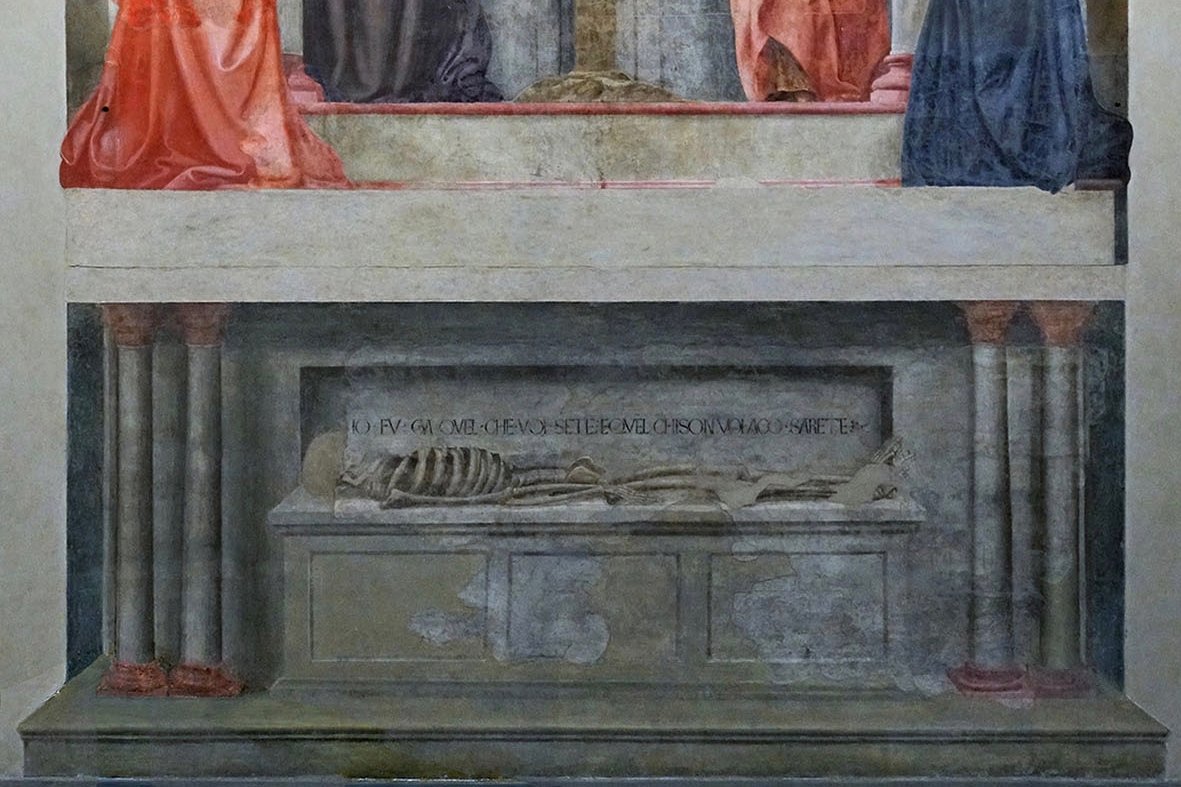
Masaccio's Holy Trinity: The Fresco That Invented a New Space
How a 25-year-old painter used mathematically precise linear perspective to punch a convincing painted chapel straight through a flat Florentine church wall.
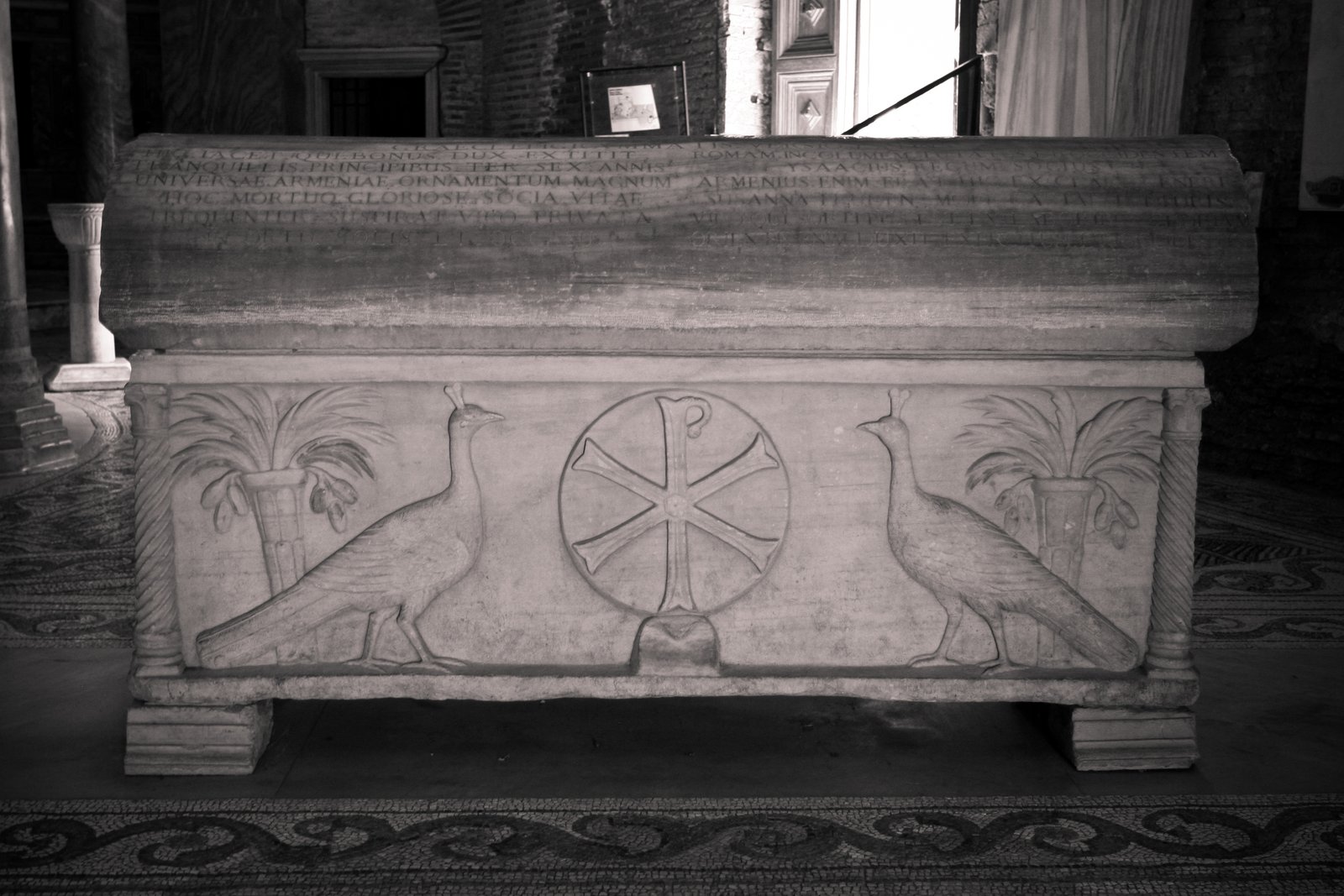
The Peacock: An Ancient Bird of Immortality
Why early Christians borrowed an ancient Roman belief about incorruptible peacock flesh to turn the bird into one of art's oldest symbols of resurrection.
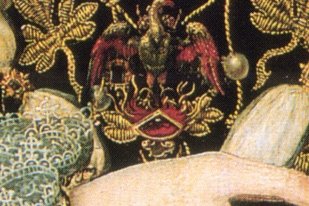
The Phoenix: A Pagan Myth Reborn as a Christian Symbol
How a mythical bird that consumes itself in flame and rises again, renewed, became an early Christian image for resurrection, cited by a first-century pope.
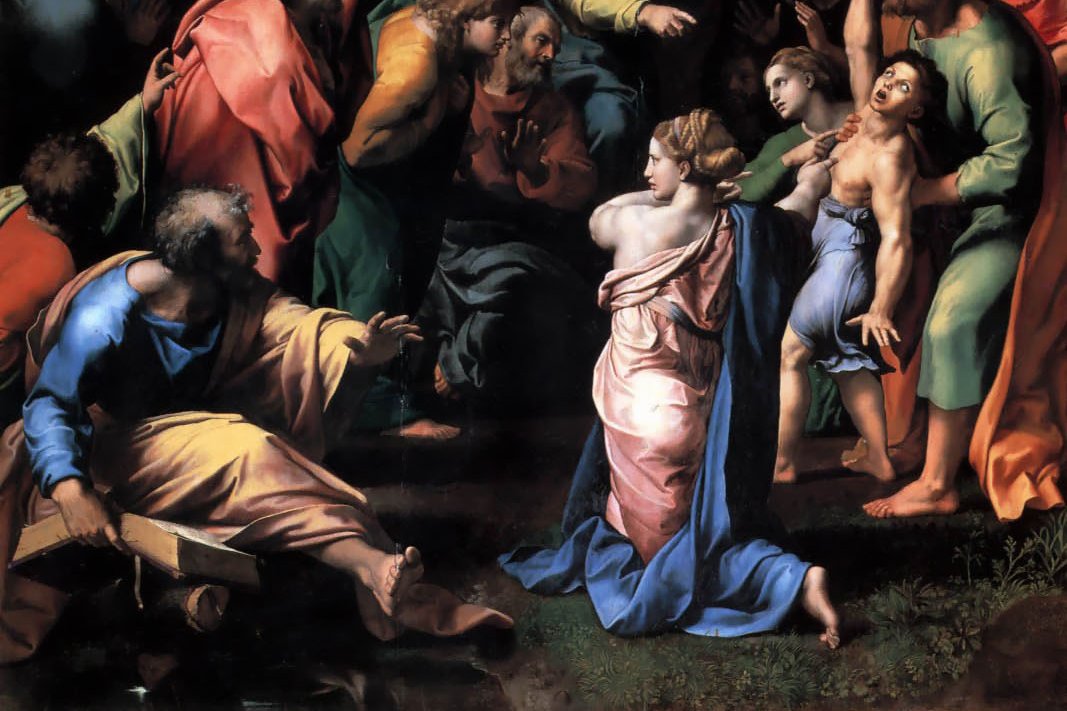
Raphael's Transfiguration: His Final, Unfinished Masterpiece
The story of Raphael's last, unfinished painting, the Transfiguration, carried above his coffin at his funeral in Rome and later moved to the Vatican.
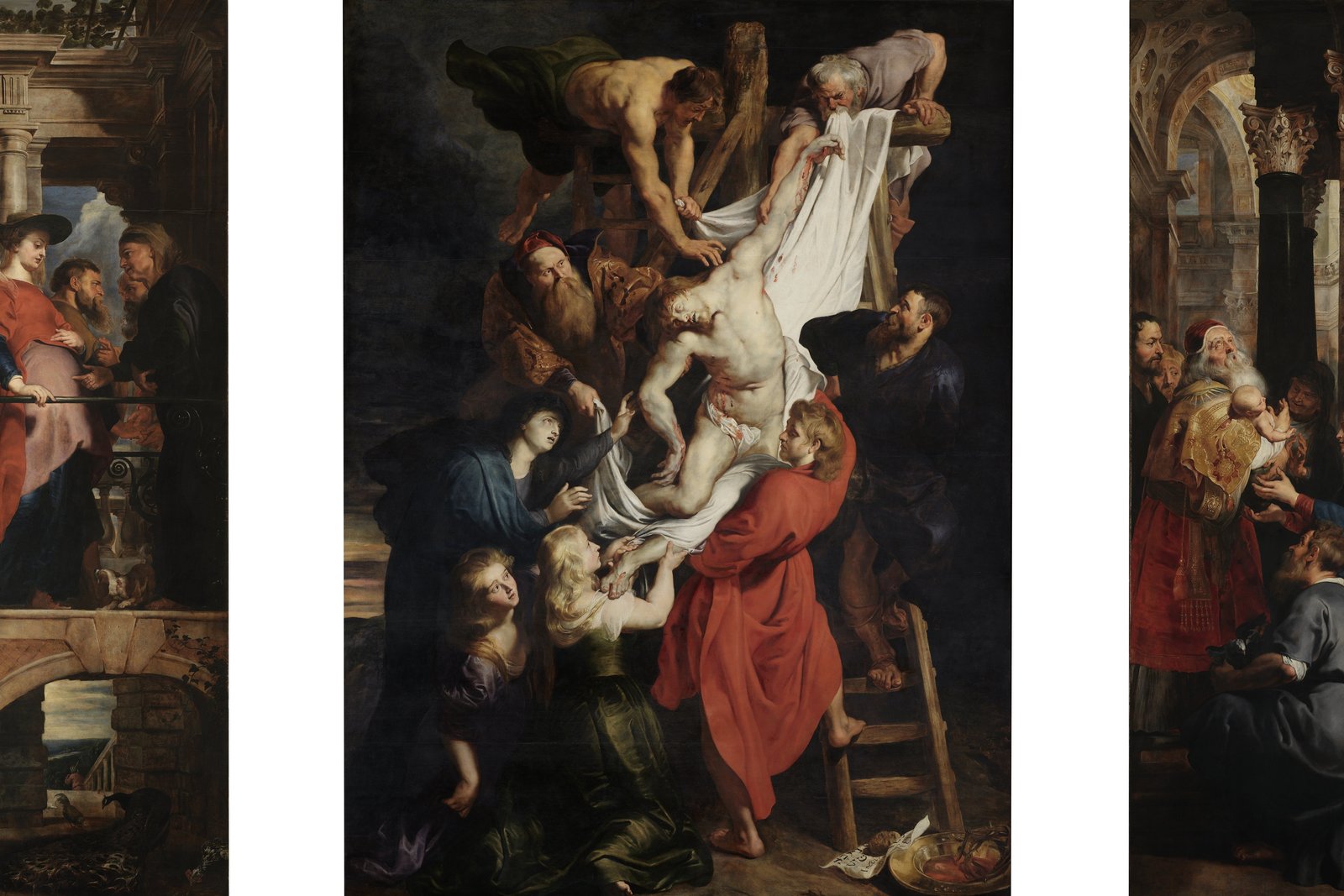
Rubens' Descent from the Cross: Grief Made Monumental
How Rubens painted Christ's body being lowered from the cross as a diagonal cascade of grief for Antwerp Cathedral, and why it still overwhelms viewers.