
Blog
Stories of saints, biblical events, angels, and sacred places.
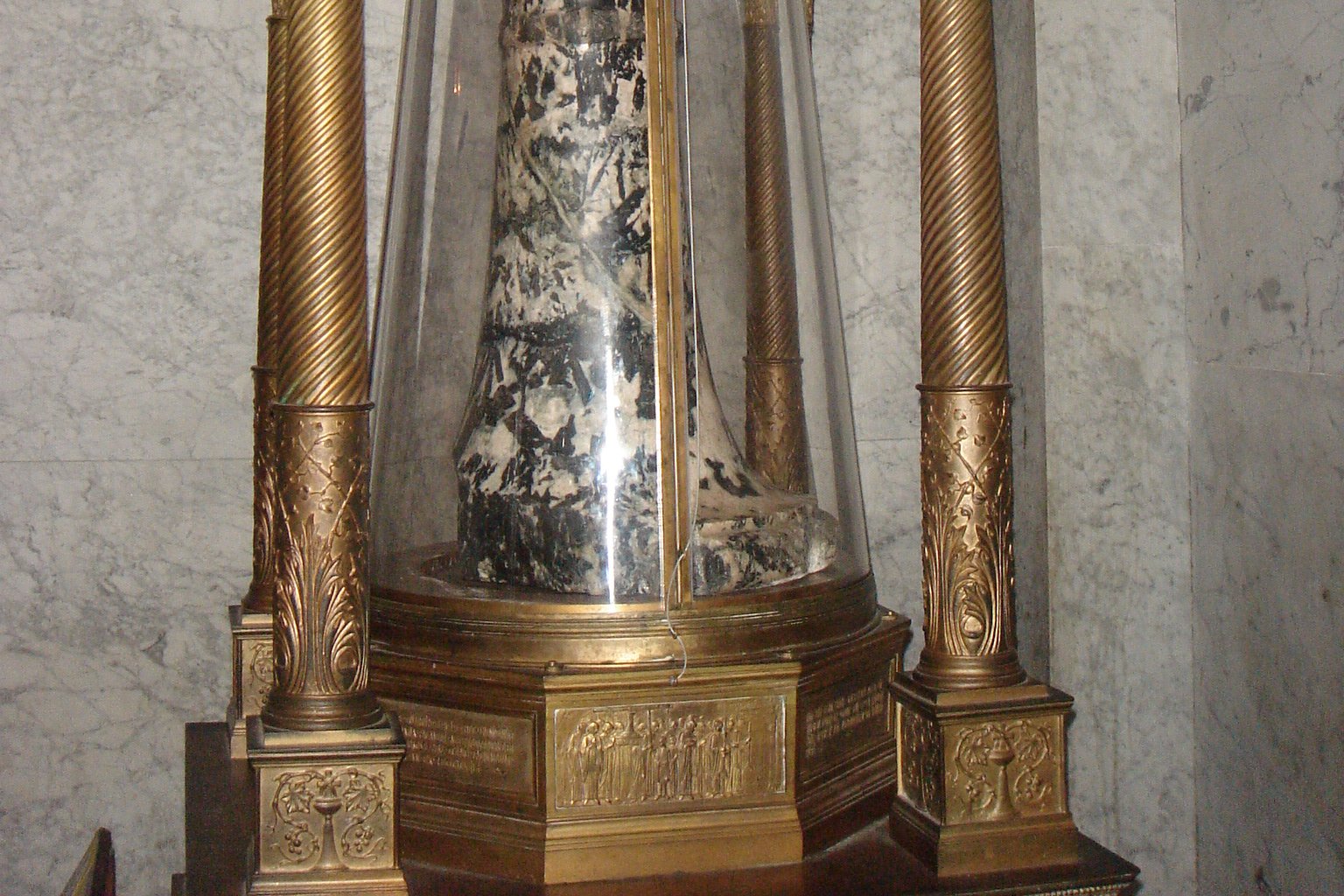
The Column of the Flagellation: The Pillar of Christ's Scourging
The relic tradition holds Christ was bound to during his scourging, venerated in fragments at Rome's Santa Prassede and at the Holy Sepulchre in Jerusalem.
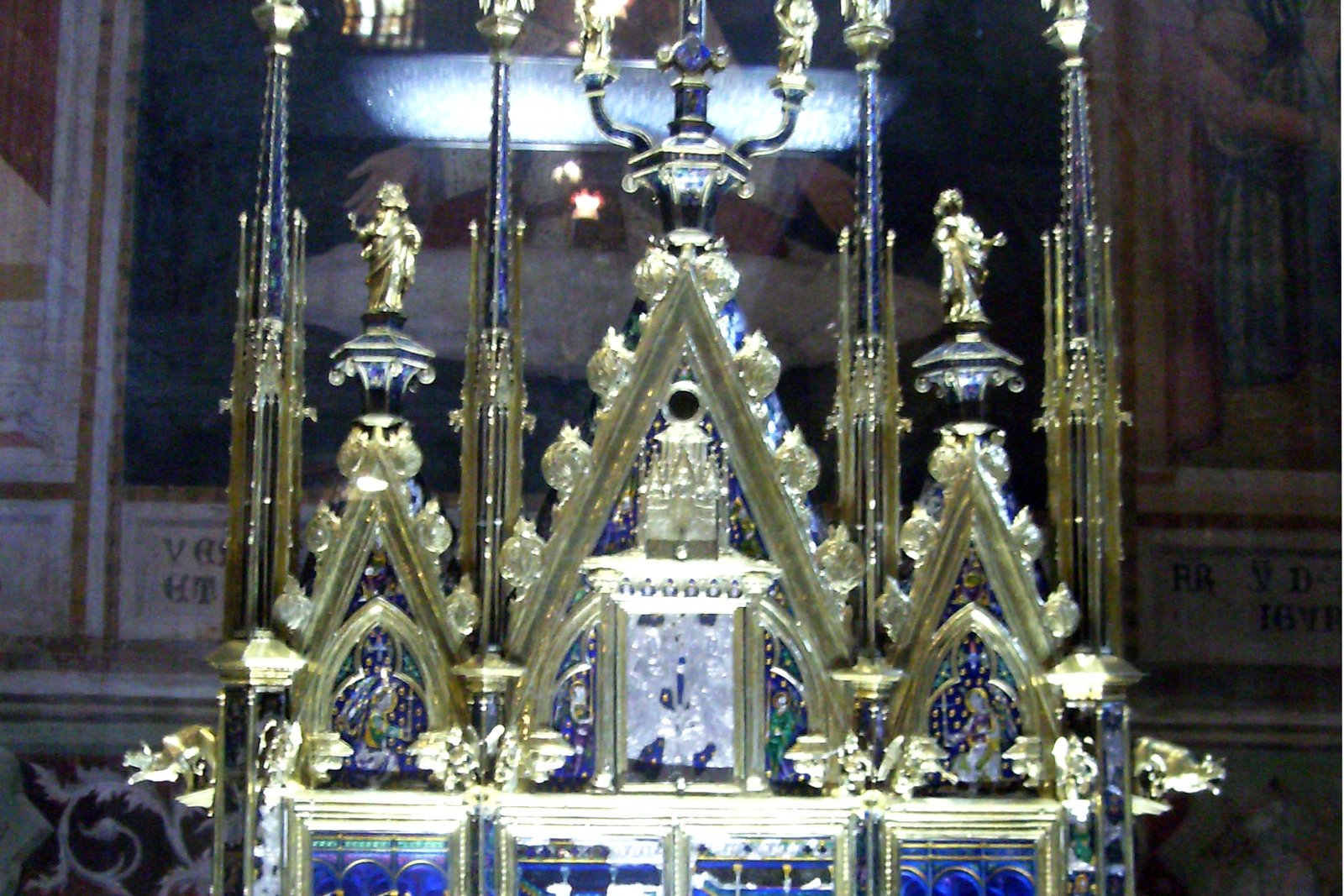
The Corporal of Bolsena: The Relic Behind Corpus Christi
The bloodstained altar linen from the 1263 Eucharistic miracle at Bolsena, preserved in Orvieto Cathedral, and the feast of Corpus Christi it inspired.
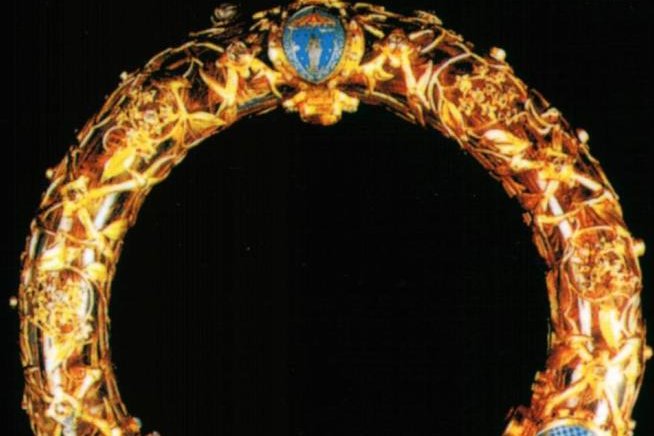
The Crown of Thorns of Notre-Dame: History of a Relic
How a relic venerated as Christ's Crown of Thorns traveled from Jerusalem to Constantinople, then to Paris in 1239 — and survived the 2019 Notre-Dame fire.
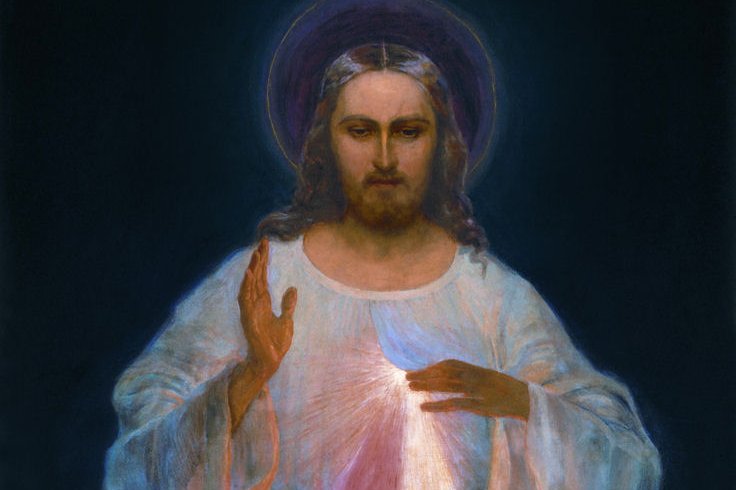
The Divine Mercy Image: Faustina's Vision and Its Two Paintings
How Saint Faustina Kowalska's 1931 vision of Christ produced two famous paintings, what the red and pale rays mean, and how the devotion won full Church approval.
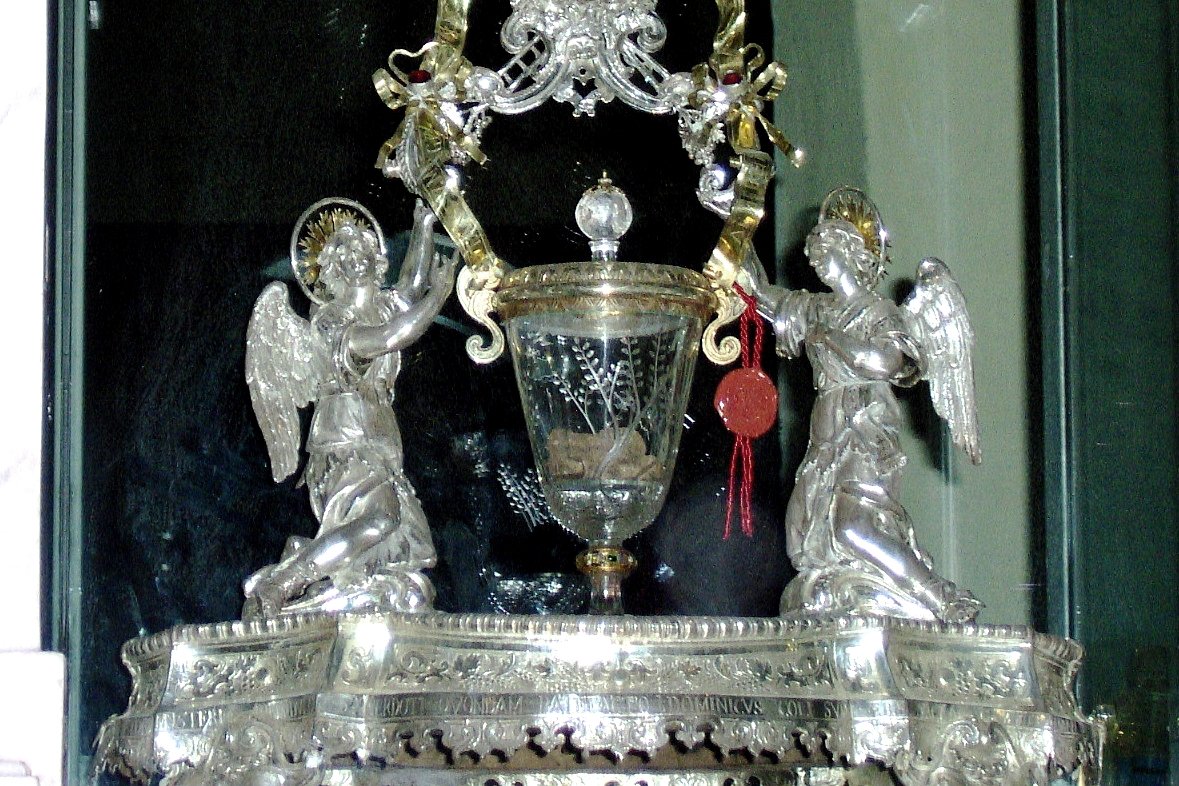
The Eucharistic Miracle of Lanciano: Flesh, Blood, and a Doubting Monk
The tradition of a doubting monk whose consecrated host turned to flesh in Lanciano, the 1971 analysis of the relic, and what the Church actually claims.
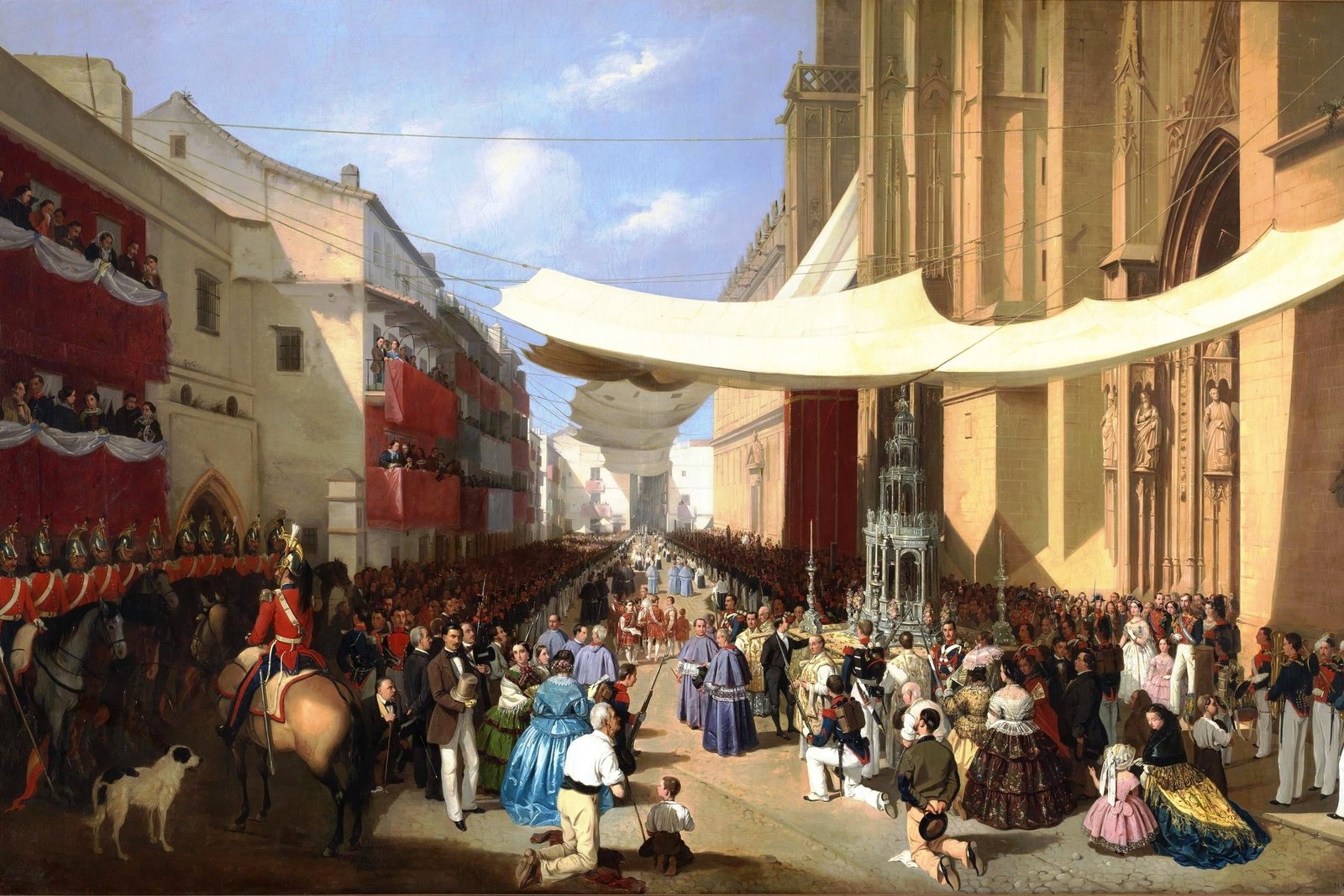
The History of the Monstrance: From Simple Pyx to Golden Sunburst
How a vessel for displaying consecrated bread became one of the most elaborate objects in Catholic art, from its medieval origins to Baroque sunbursts of gold.
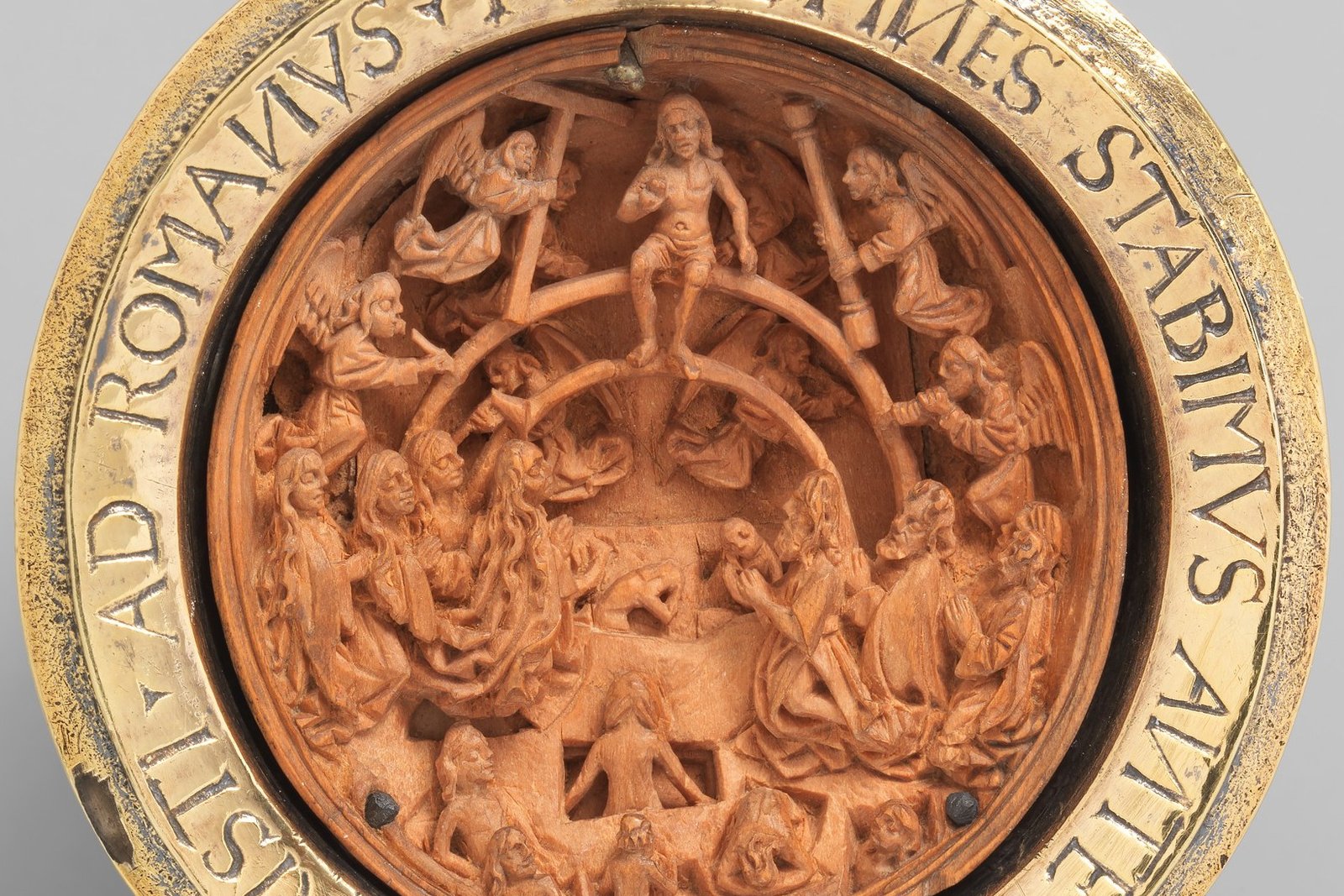
The History of the Rosary as an Object: From Knotted Cords to Strings of Beads
How the rosary went from knotted prayer-cords and counted pebbles to the familiar string of beads — its materials, legends, and life as a sacramental.
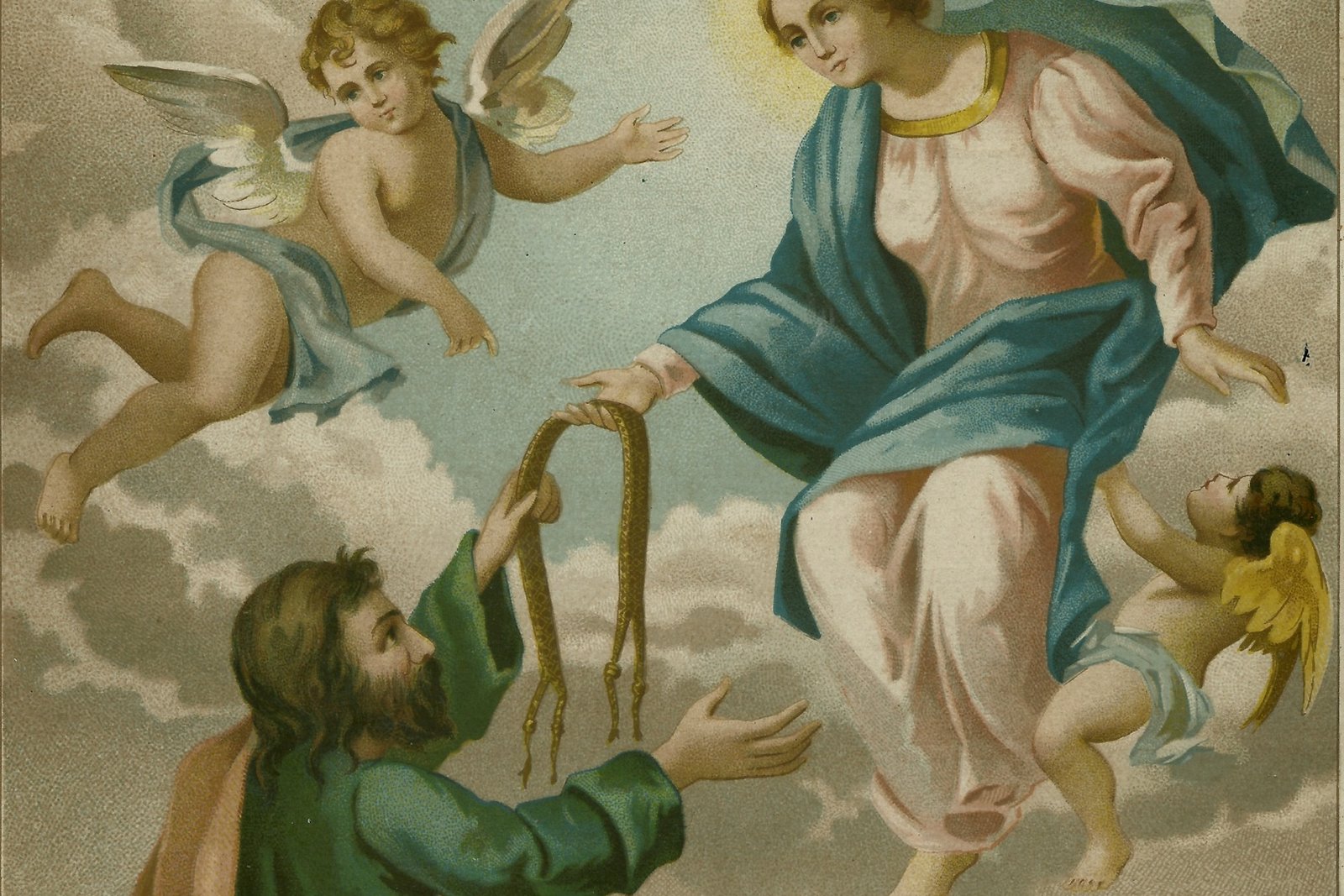
The Holy Girdle of Prato: Mary's Belt Given to Doubting Thomas
The medieval legend behind the Sacra Cintola, the belt tradition says Mary dropped to the Apostle Thomas at her Assumption, now kept in Prato Cathedral.

The Holy Grail: Legend, the Last Supper Cup, and Catholic Teaching
How a single line in Luke's Gospel grew into medieval Europe's greatest legend, and what the Church actually says about the chalices claimed as the real Grail.
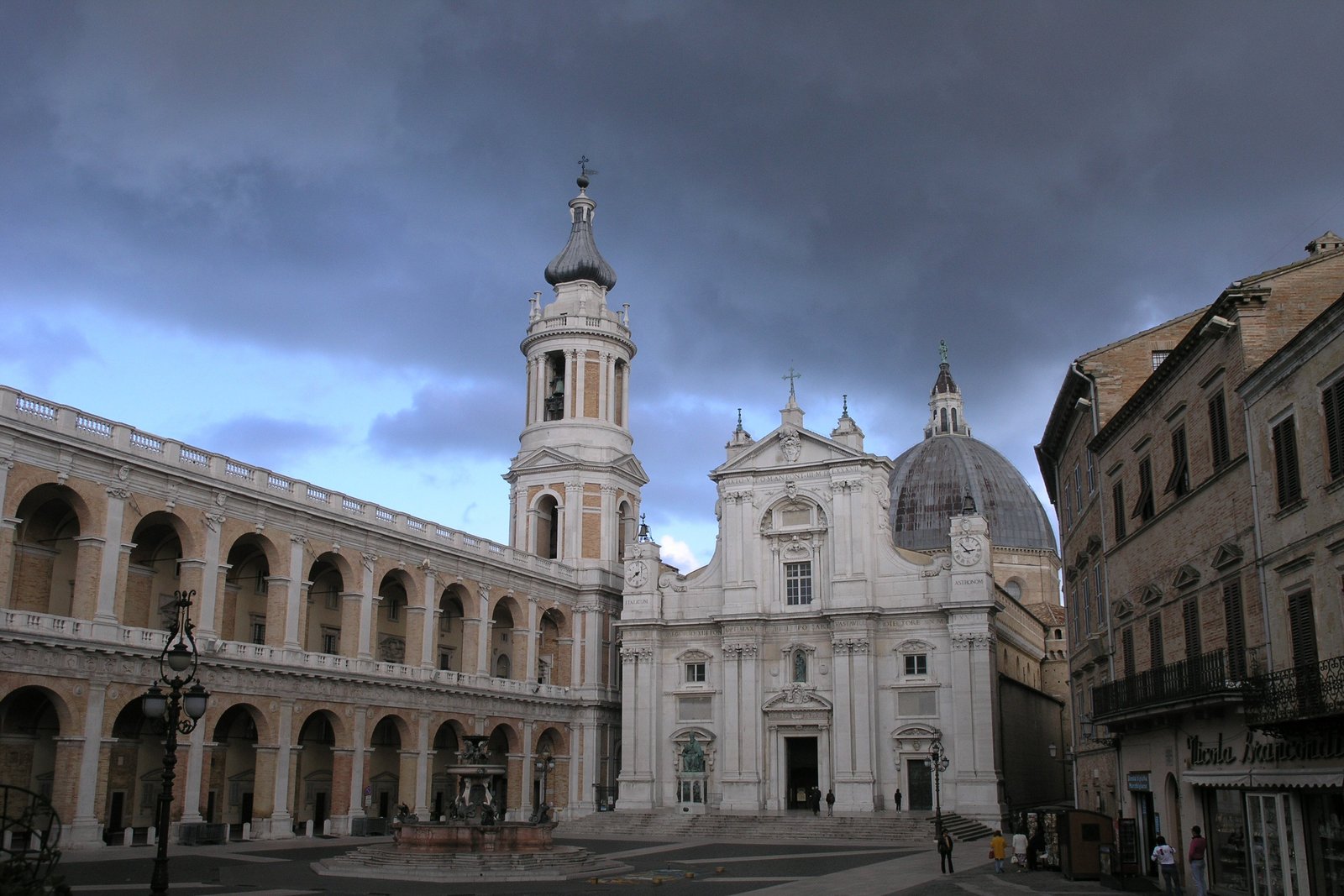
The Holy House of Loreto: A Nazareth Cottage Enshrined in Italy
Inside Loreto's basilica stands a small stone house venerated as the Nazareth home of the Holy Family — and a legend of angelic flight that archives complicate.
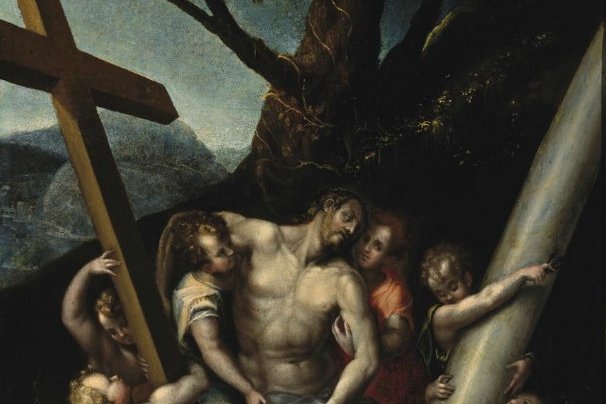
The Holy Nails: Relics of the Crucifixion Across Europe
Tradition holds that Saint Helena recovered the nails of the Crucifixion along with the True Cross. Today, several churches — Milan's Duomo among them — claim one.
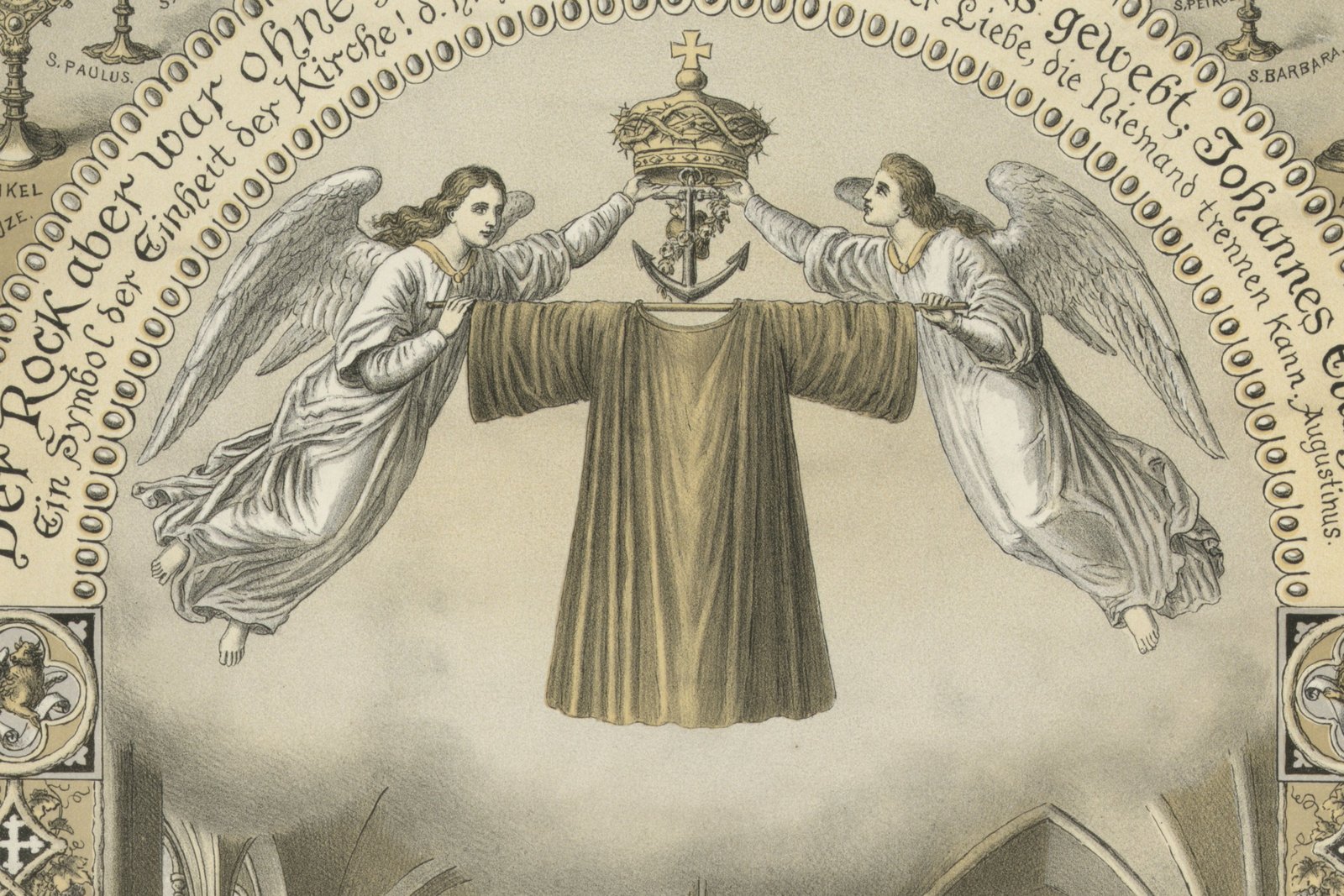
The Holy Tunic of Trier: The Seamless Robe Two Cities Both Claim
Two churches both guard a garment said to be the seamless robe Christ wore at his death — here's their rival histories, and why Rome never settled which is real.
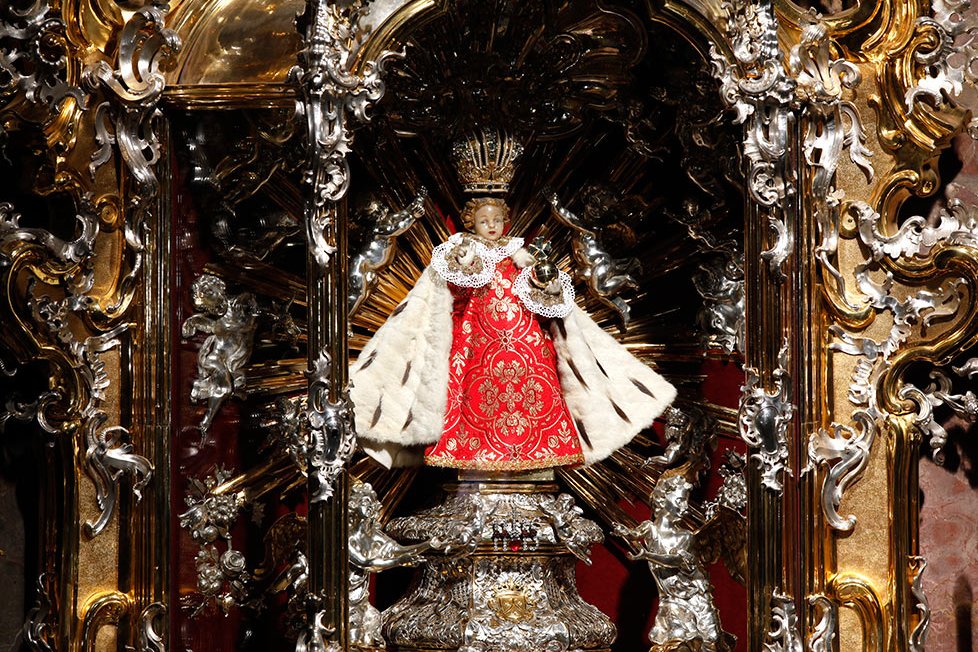
The Infant of Prague: A Statue's Journey from Spain to a Carmelite Altar
The history of the Infant of Prague statue, its Spanish origins, the Carmelite friar's legend of broken hands restored, and its famous wardrobe of liturgical robes.
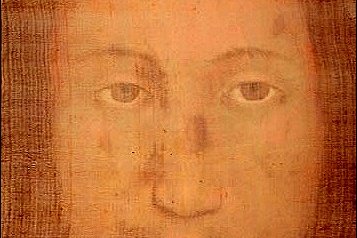
The Manoppello Image: The Holy Face Cloth and the Veronica Theory
The Manoppello Image is a face-bearing cloth some researchers link to the lost Veronica relic. Its history, the theory behind it, and unresolved questions.
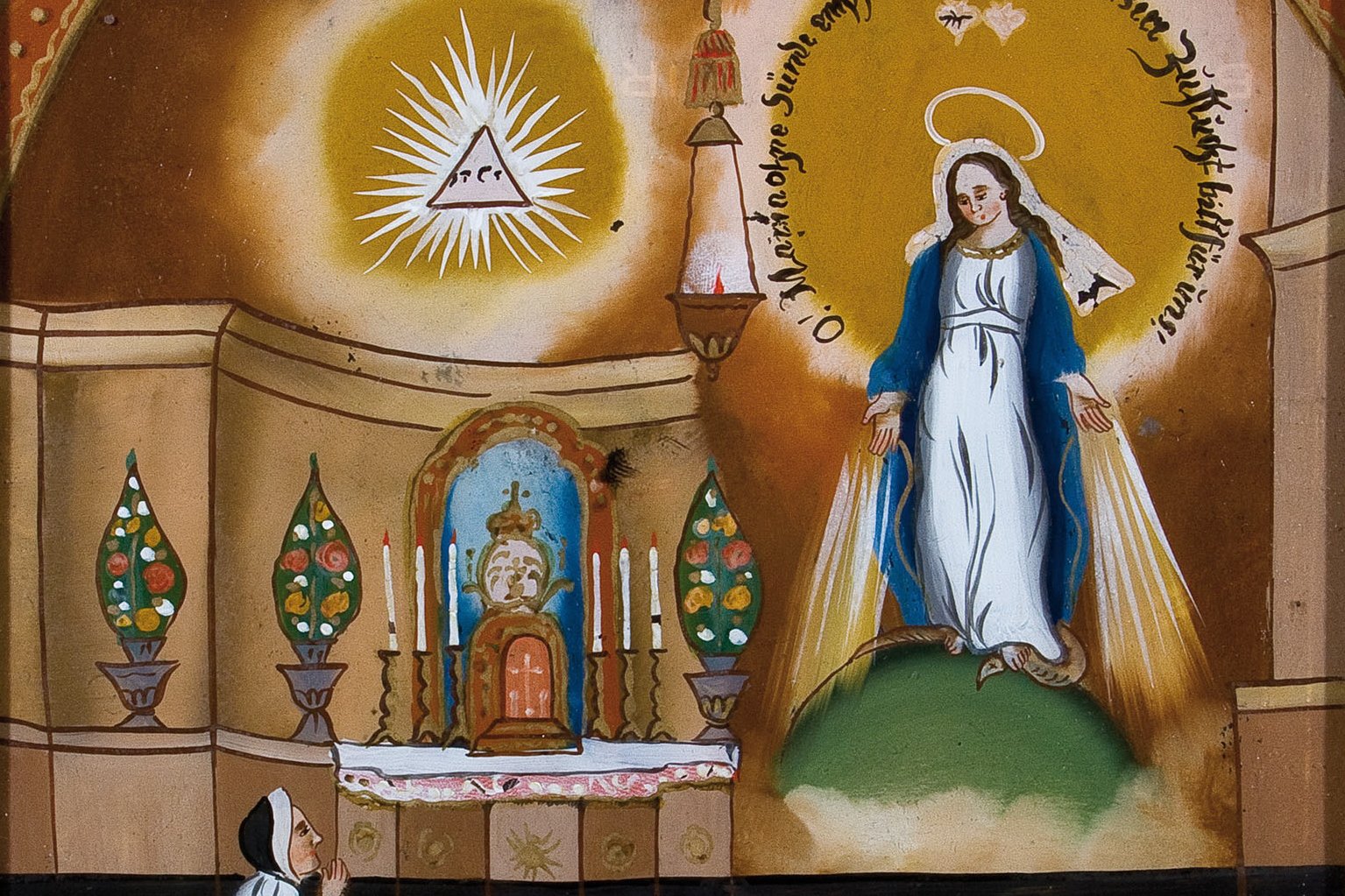
The Miraculous Medal: Catherine Labouré's Vision and Its Meaning
The 1830 apparition at Rue du Bac that gave the Church the Miraculous Medal, its prayer and symbols, and the dramatic conversion that made its name stick.
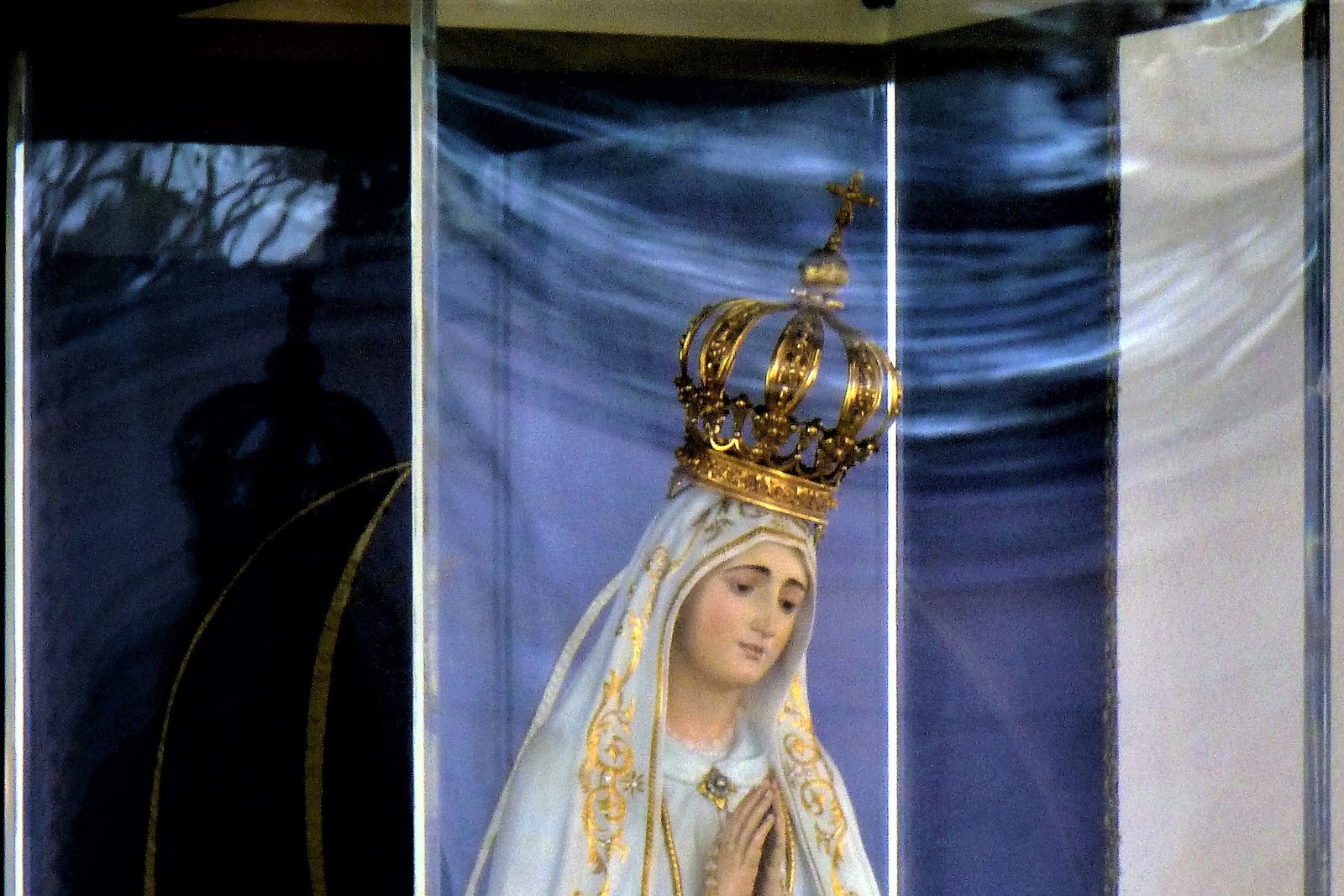
The Original Statue of Our Lady of Fatima
The 1920 cedar statue carved to Lúcia dos Santos's own description, crowned in 1946, and later fitted with the bullet from the 1981 attempt on John Paul II.
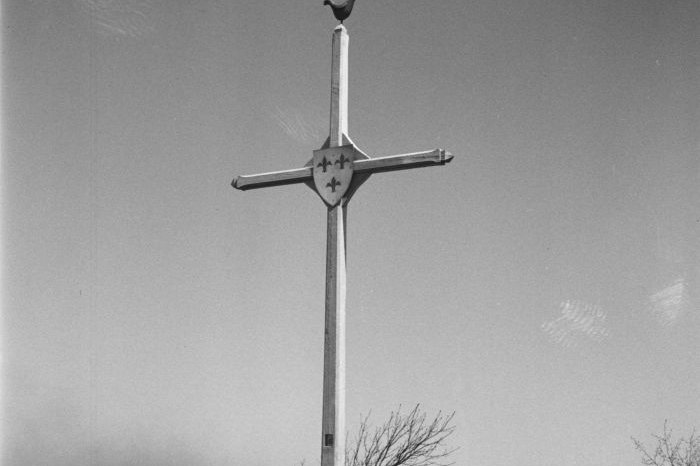
The Relics of Saint Kateri Tekakwitha
Witnesses said the smallpox scars on Kateri Tekakwitha's face vanished minutes after her death. Her bone relics now rest in a marble tomb at Kahnawake, Quebec.
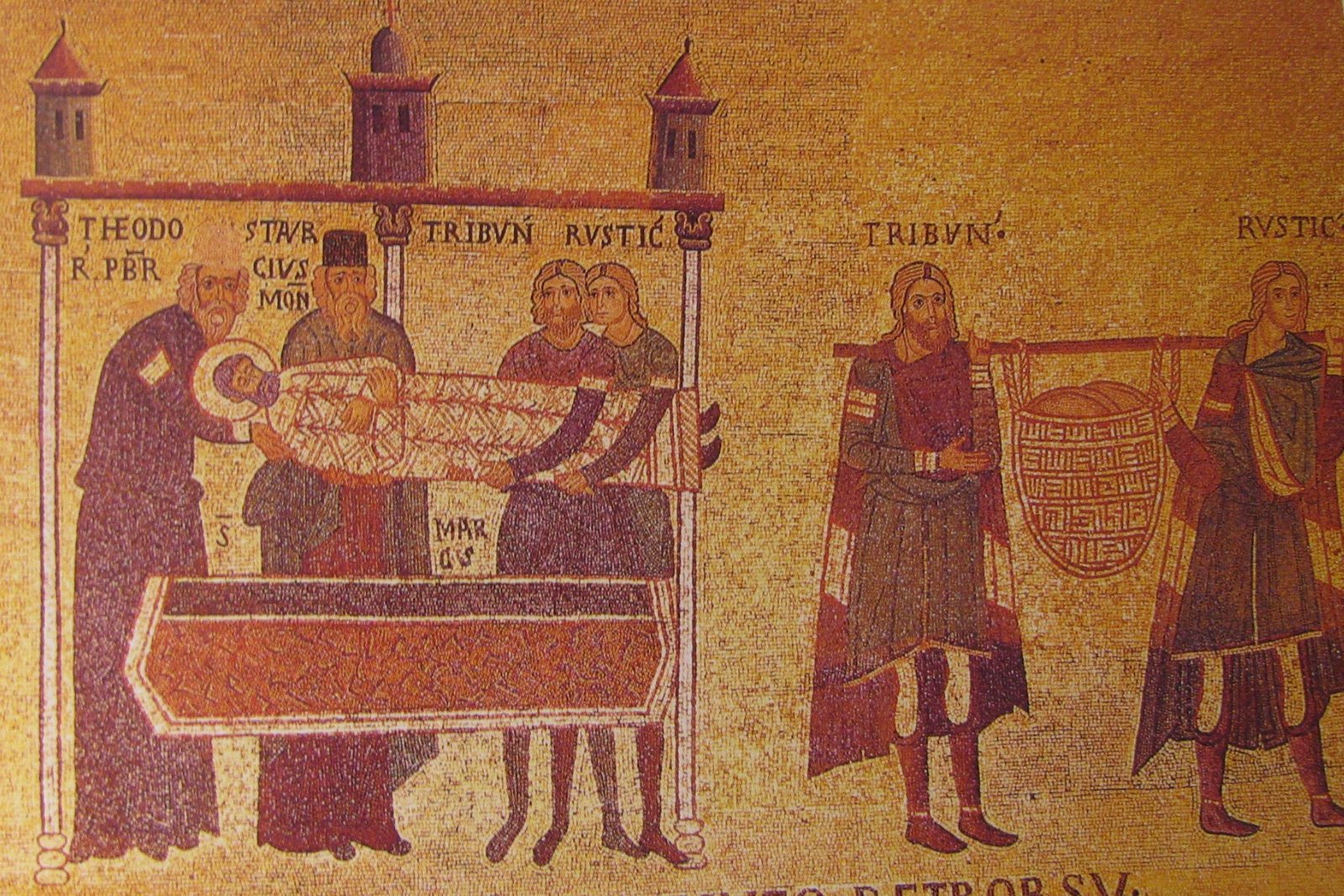
The Relics of Saint Mark in Venice: A Theft That Built a Basilica
How Venetian merchants reportedly smuggled Saint Mark's relics out of Alexandria under pork in 828 AD, and built a basilica and a civic identity around them.
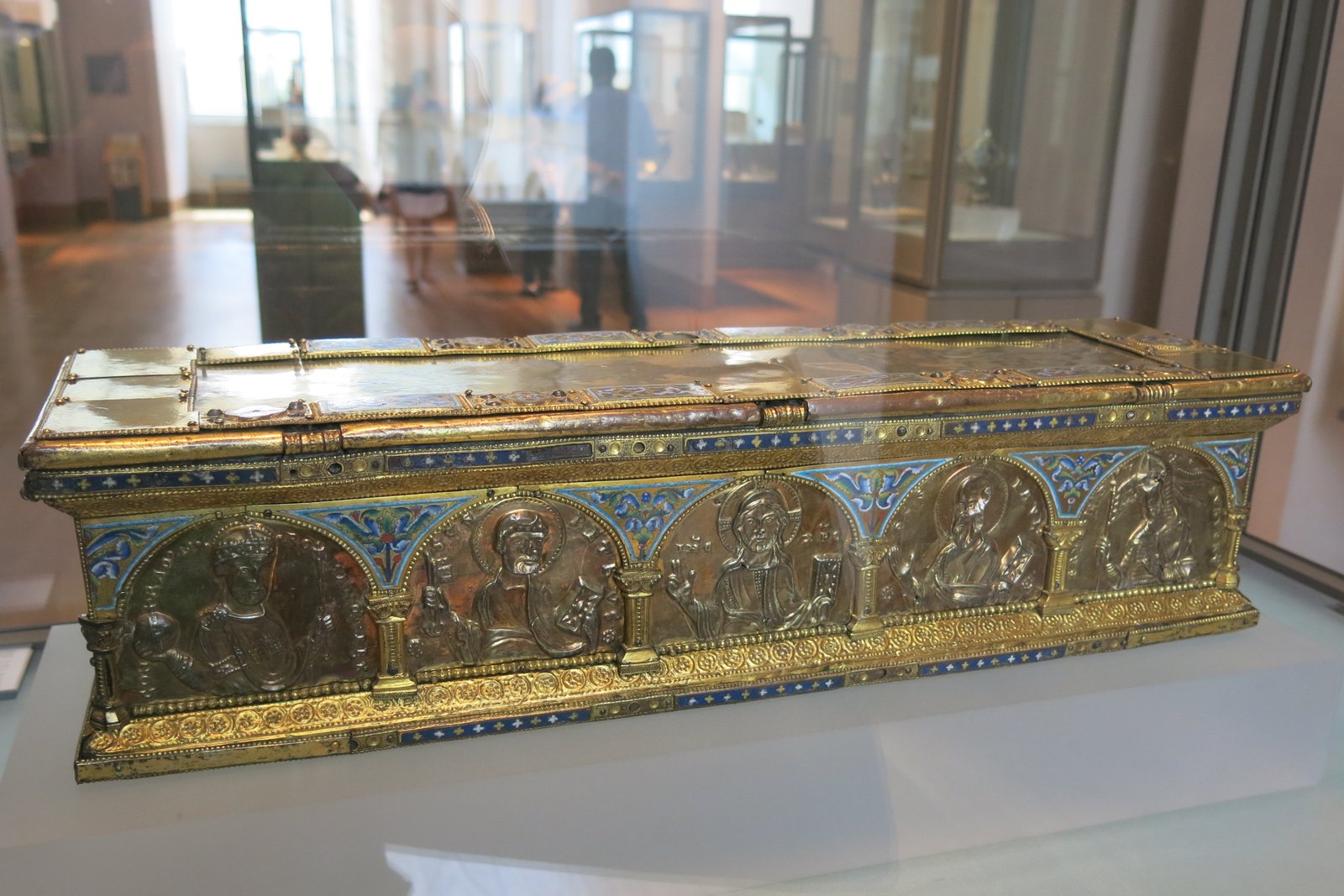
The Reliquary as an Art Form: Gold, Gems, and the Bones of Saints
How Catholic goldsmiths turned humble bone fragments into some of the most dazzling objects in Western art, from Byzantine box-shrines to Cologne's golden towers.
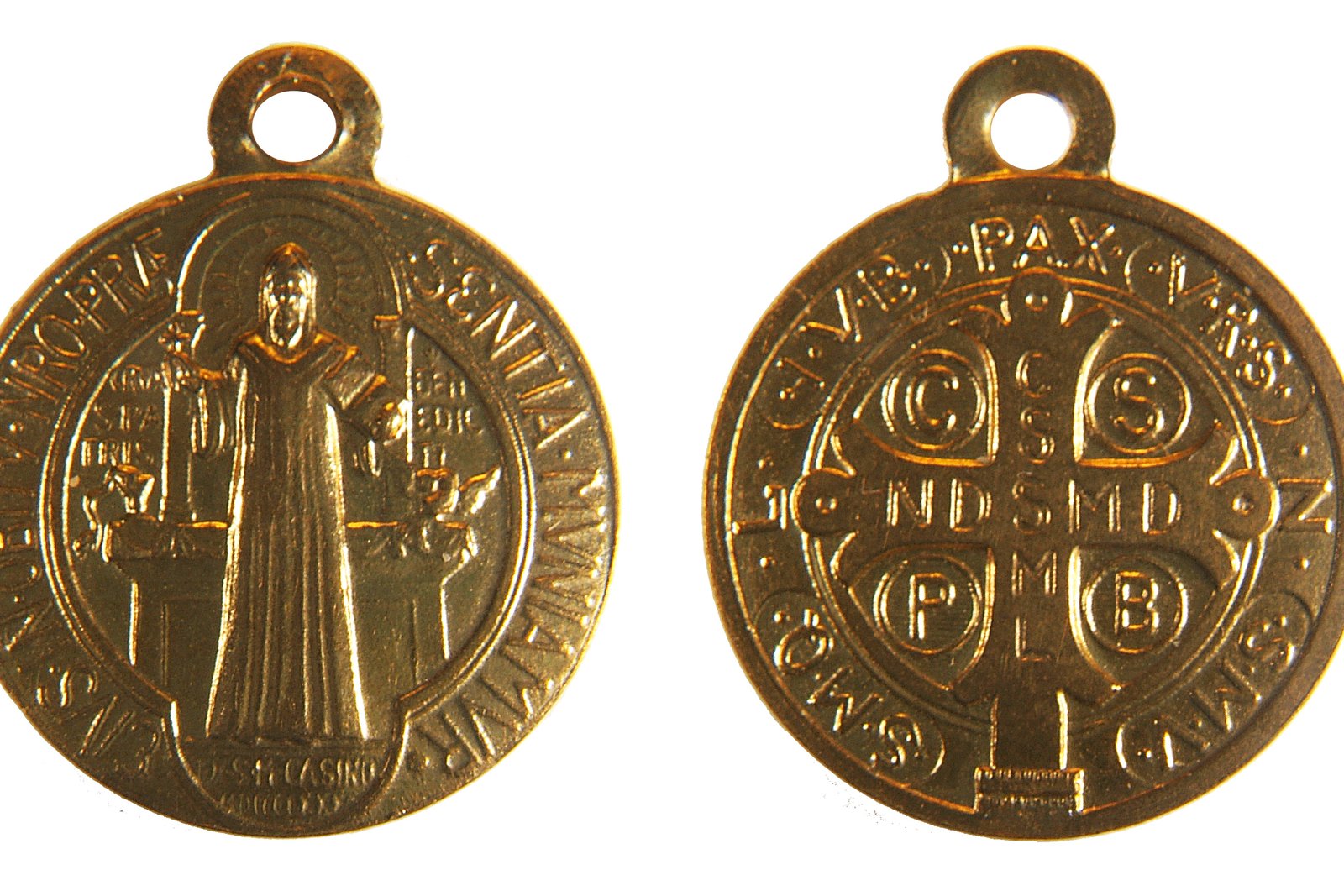
The Saint Benedict Medal: History, Symbols, and Meaning
How a 6th-century monk's cross became the Jubilee Medal of 1880, what its Latin letters and exorcism prayer actually mean, and how Catholics use it today.