Saint Christopher Magallanes, Priest, and Companions, Martyrs

A priest born into a country turning against the Church
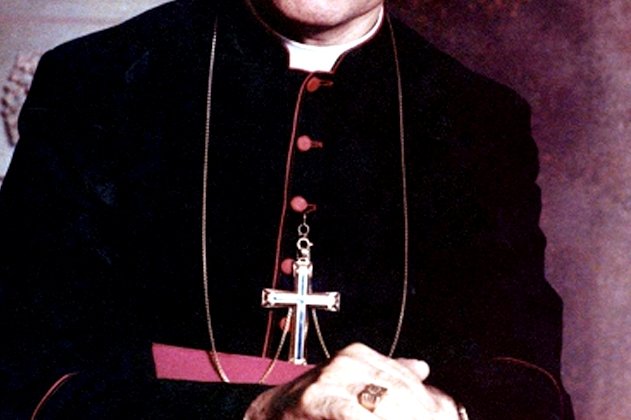
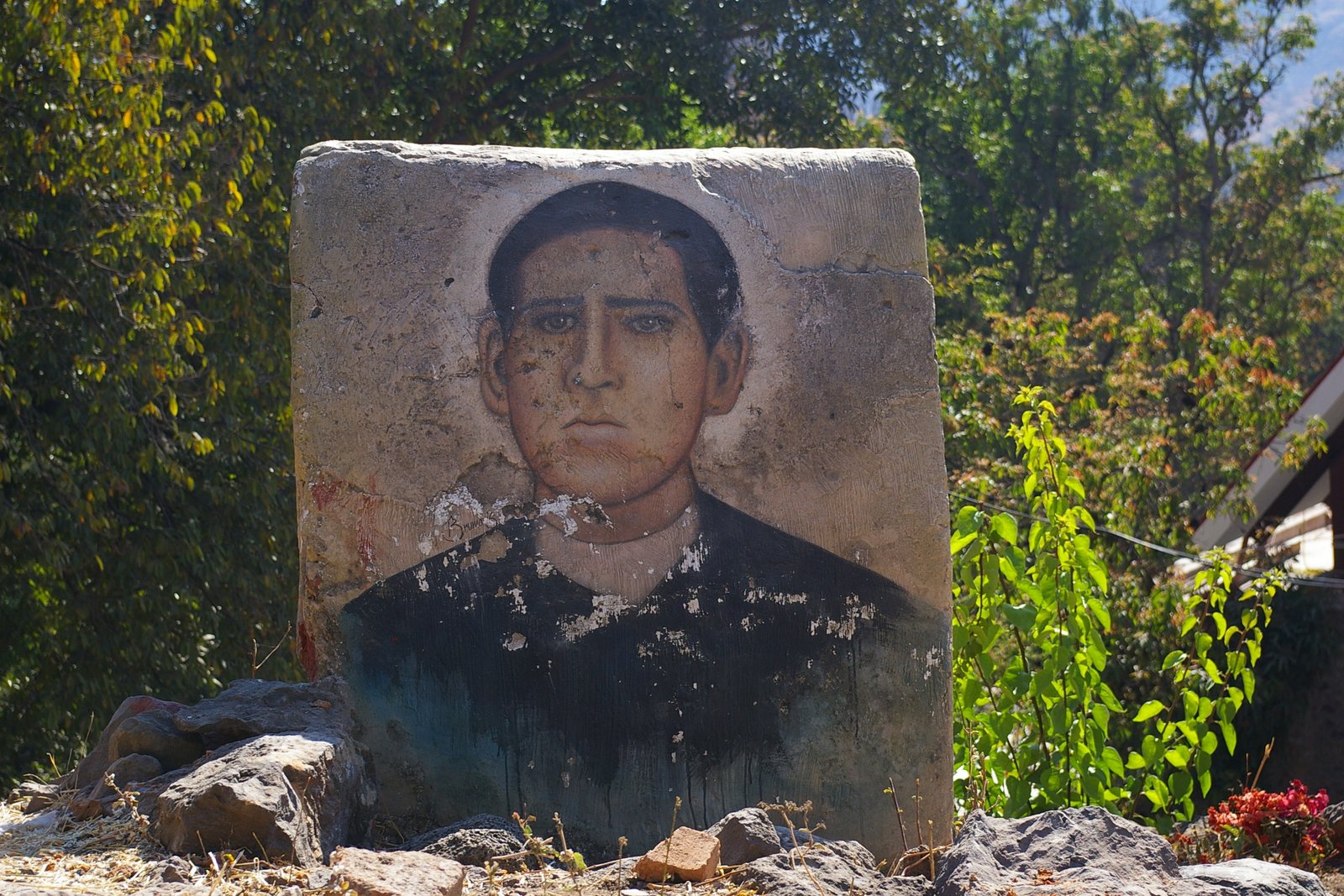
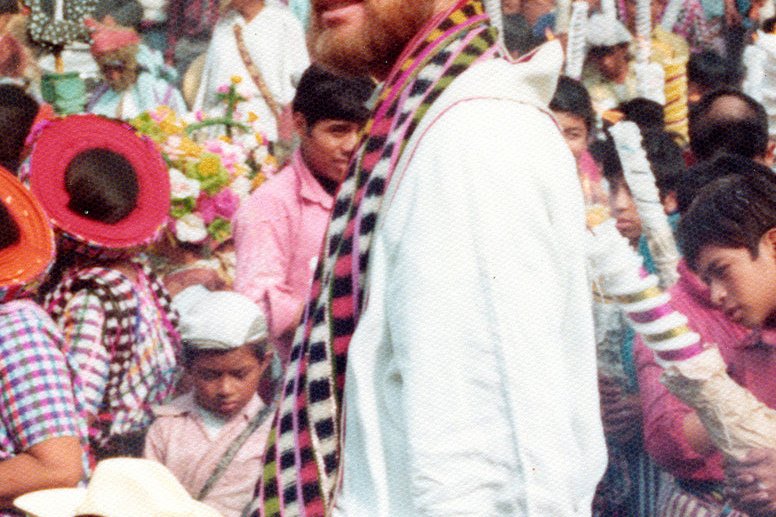
Christopher Magallanes was born on July 30, 1869, in Totatiche, a small town in the state of Jalisco in western Mexico, to a family of modest farmers. As a boy he worked the land alongside his parents, and by his own later account he felt drawn to the priesthood from an early age, though it took years of quiet persistence — including buying a small plot of land specifically so he could sell it to help pay for his studies — before he was able to enter the seminary. He was ordained a priest in 1899 and spent nearly three decades serving parishes in and around his home region, known especially for his work evangelizing the indigenous Huichol people and for founding schools, a farm cooperative, and eventually a clandestine seminary to keep training new priests after the government began closing Catholic institutions outright.
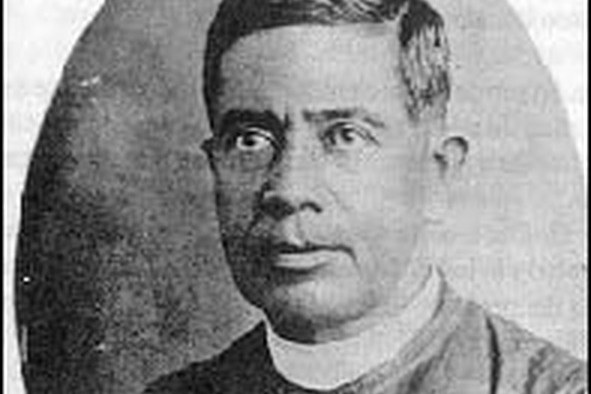
Period photograph of Fr. Cristobal Magallanes Jara, before 1927 — public domain.
The Mexico Christopher Magallanes served in was one of the most dangerous places in the world to be a Catholic priest. The 1917 Mexican Constitution, drafted after a decade of revolution, placed severe restrictions on the Church: it denied legal existence to religious orders, forbade priests from wearing clerical dress in public, restricted the number of priests permitted in each state, and gave state governments broad power to regulate — and effectively suppress — public worship. Under President Plutarco Elías Calles in the 1920s, enforcement of these laws intensified sharply, and by mid-1926 the Mexican bishops had suspended all public religious services in protest, a move that helped trigger the armed Catholic uprising known as the Cristero War (1926-1929), named for the rebels' rallying cry, "¡Viva Cristo Rey!" ("Long live Christ the King").
A pastor who did not take up arms
Unlike many of the Cristero fighters who took up weapons against government forces, Christopher Magallanes consistently discouraged armed rebellion among his own parishioners, believing that violence would only deepen the persecution and place ordinary Catholics at greater risk. His resistance took a quieter, more dangerous form instead: he continued to say Mass secretly, hear confessions, and above all keep training seminarians even after his own diocese's institutions had been shut down, moving his small underground seminary from place to place to avoid discovery.
On May 21, 1927, he was traveling to say Mass at a rural chapel when soldiers stopped him on the road, apparently mistaking the area for the site of a Cristero skirmish. He was arrested along with a companion priest, Father Agustín Caloca, though neither man had any connection to the armed engagement the soldiers were investigating. He was imprisoned without trial and, according to accounts gathered for his cause of canonization, used his final hours to hear the confessions of other prisoners and give away his few possessions. He was executed by firing squad on May 21, 1927, reportedly telling those present that he forgave his executioners and asking that no one avenge his death — a detail that later Church tradition, as distinct from the historical trial record itself (there was none), holds up as central to how he wished to be remembered.
Companions in martyrdom across a decade of persecution
Christopher Magallanes is venerated together with twenty-four companions — twenty other priests and three laymen — who were killed at various points between 1915 and 1937 across several Mexican states during the broader period of anti-Catholic persecution that surrounded and followed the Cristero War. Their individual stories vary: some were parish priests arrested for saying Mass, others were laymen killed for sheltering priests or refusing to renounce their faith, and their deaths span not just the years of the Cristero War itself but the tense decade of suppression before and after it. What unites them, in the Church's understanding, is that each was killed specifically because of their identity as a practicing Catholic or a minister of the sacraments, which the Catechism identifies as the defining mark of Christian martyrdom: bearing "witness to the truth of the faith and of Christian doctrine" even "to the point of death" (CCC 2473).
Pope John Paul II beatified the group in two stages during the 1990s and then canonized all twenty-five together in Rome on May 21, 2000 — deliberately choosing the anniversary of Christopher Magallanes's execution as the date. In his canonization homily, the pope noted that their witness reflected a wider twentieth century marked, in his words, by "the folly of hatred" turned against believers, and situated the Mexican martyrs within a global pattern of Christian persecution that included victims of totalitarian regimes far beyond Mexico's borders.
A martyrdom still close to living memory
What makes Christopher Magallanes and his companions distinctive among the Church's martyr-saints is how recent their story is — their persecution unfolded within the memories of grandparents and great-grandparents still living when they were canonized in 2000, and the Cristero War remains a significant, still-discussed chapter of twentieth century Mexican history and popular culture. Their feast falls on the calendar not far in spirit from other twentieth-century martyrs remembered by the Church, such as the missionary priests honored alongside Saint Paul Miki and his companions in an earlier era of persecution in Japan, and their story is often invoked today as a reminder that religious liberty, taken for granted in much of the world, has been paid for in living memory with real and specific lives.
Devotion to Christopher Magallanes has grown steadily in Mexico and among Mexican communities elsewhere since his canonization, particularly in his home region of Jalisco, where local shrines and parish dedications keep his memory — and that of his twenty-four companions — closely tied to the villages and roads where they lived and died.
Trivia
Who was Saint Christopher Magallanes?
What were the Cristero martyrs killed for?
How many companions were canonized with Saint Christopher Magallanes?
Did Saint Christopher Magallanes support armed resistance?
What is the feast day of Saint Christopher Magallanes and companions?
You May Also Like
Related Reading