
Blog
Stories of saints, biblical events, angels, and sacred places.
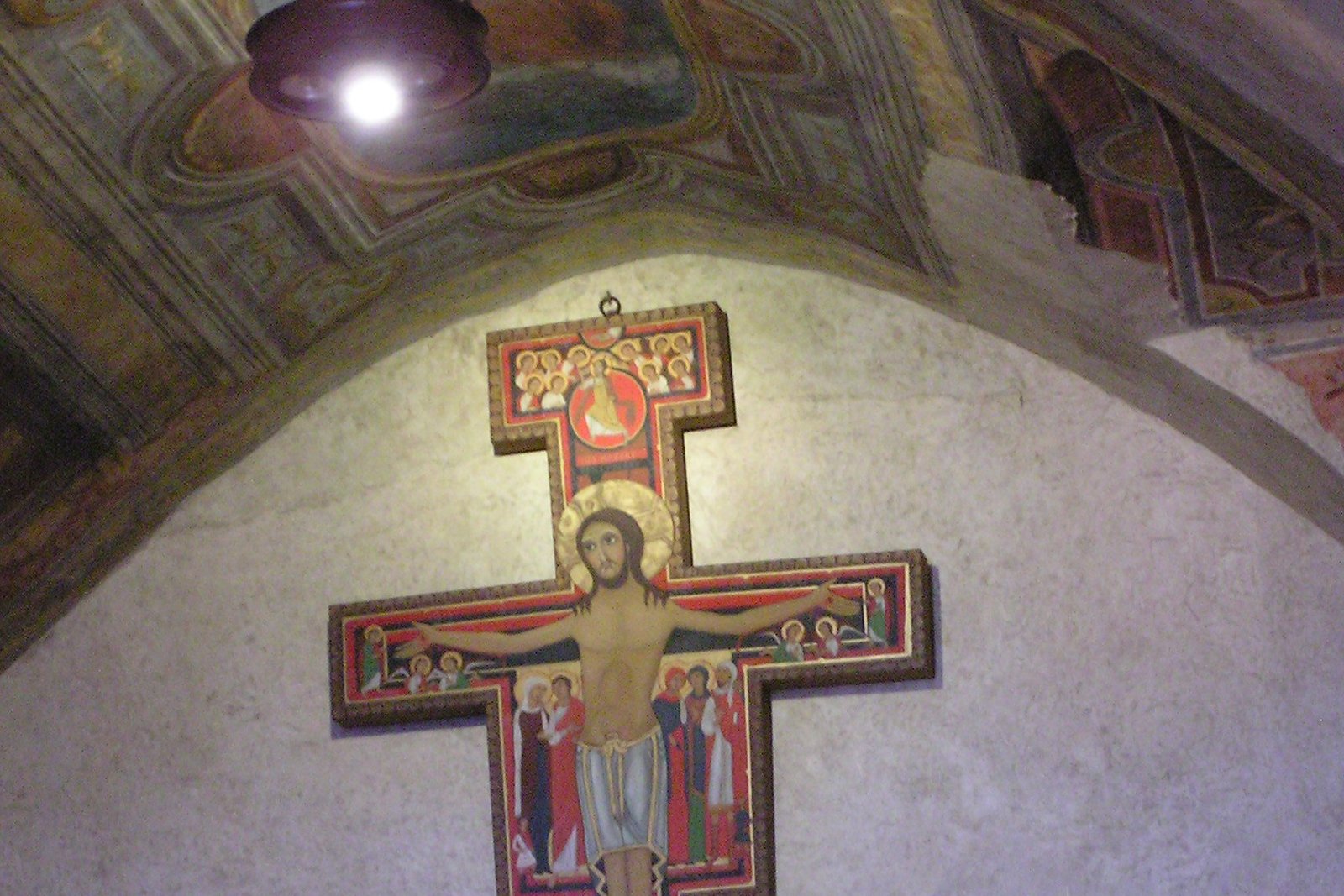
The San Damiano Cross: The Icon That Spoke to Saint Francis
The Romanesque crucifix before which Francis of Assisi prayed in 1205-06, its unique iconography, its journey to Assisi's Basilica of Saint Clare, and its legacy.
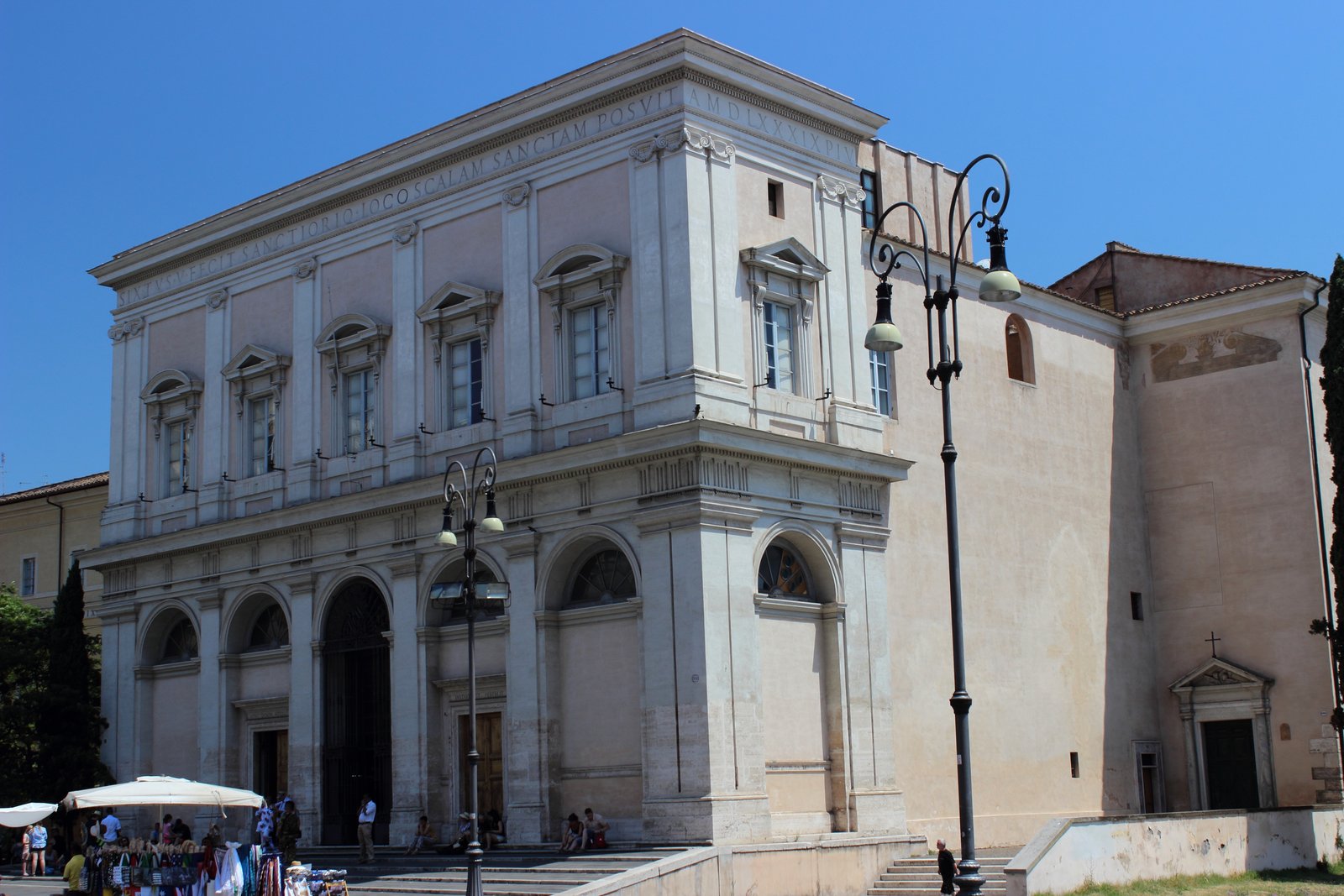
The Scala Sancta: The Holy Stairs Pilgrims Still Climb on Their Knees
Why pilgrims in Rome still ascend 28 marble steps on their knees — the tradition behind the Scala Sancta, the stairway said to come from Pilate's praetorium.
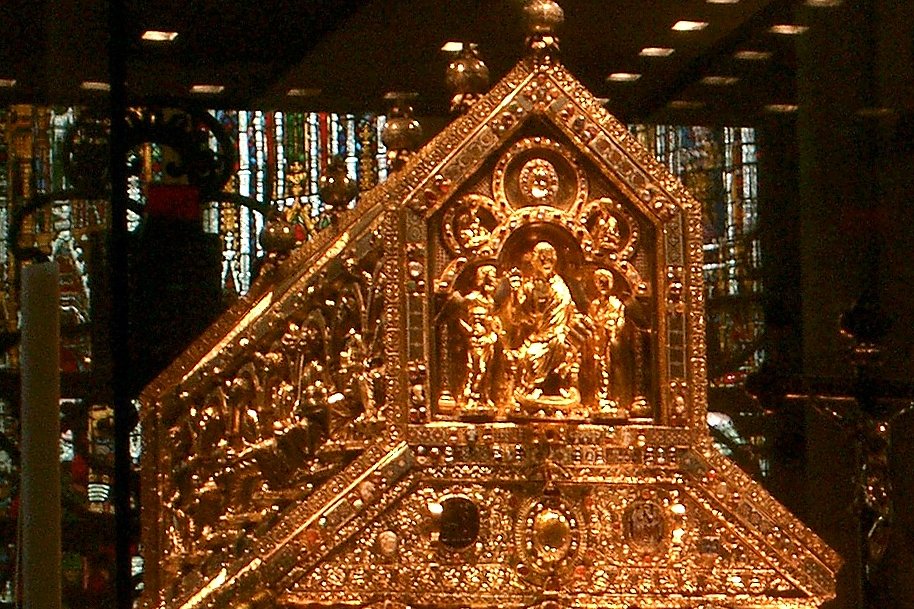
The Shrine of the Three Kings: Cologne's Golden Reliquary of the Magi
Inside Cologne Cathedral's Dreikönigenschrein, the largest reliquary in the Western world, built to house what tradition venerates as the bones of the Magi.
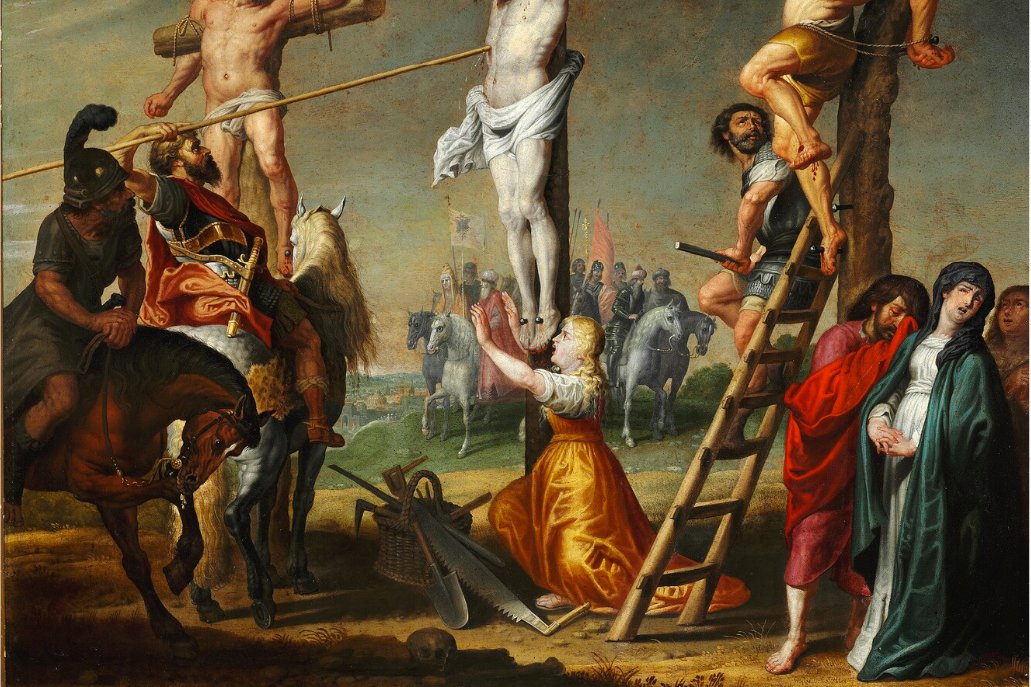
The Spear of Longinus: The Holy Lance That Pierced Christ's Side
Four rival relics claim to be the lance from John 19:34 — Rome's, Vienna's imperial lance, and Armenia's at Etchmiadzin. Here's what history can and can't confirm.
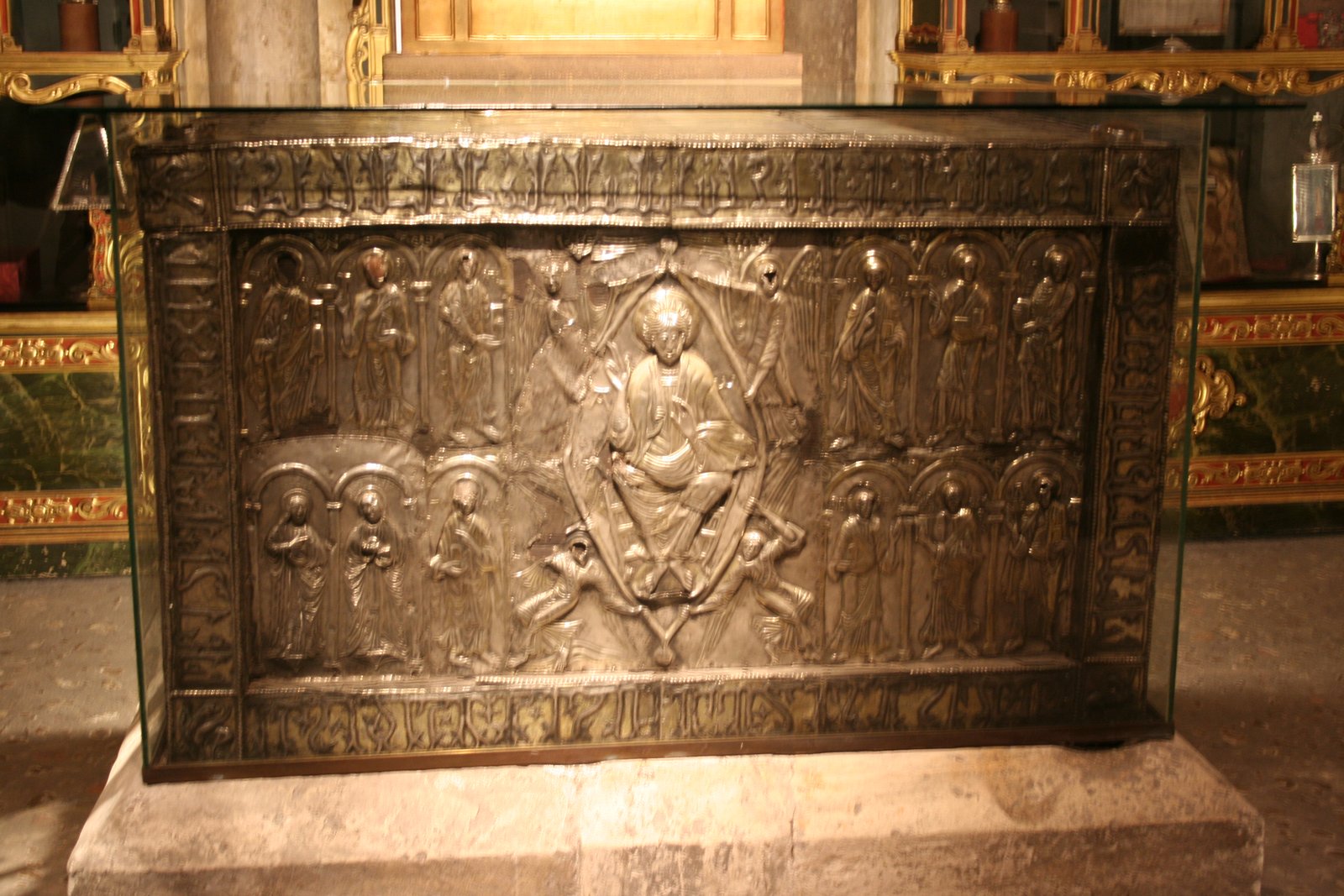
The Sudarium of Oviedo: The Face Cloth of Christ's Burial
The Sudarium of Oviedo is a bloodstained cloth in Spain, traditionally venerated as the face cloth from Christ's burial — and tied by some researchers to the Shroud.
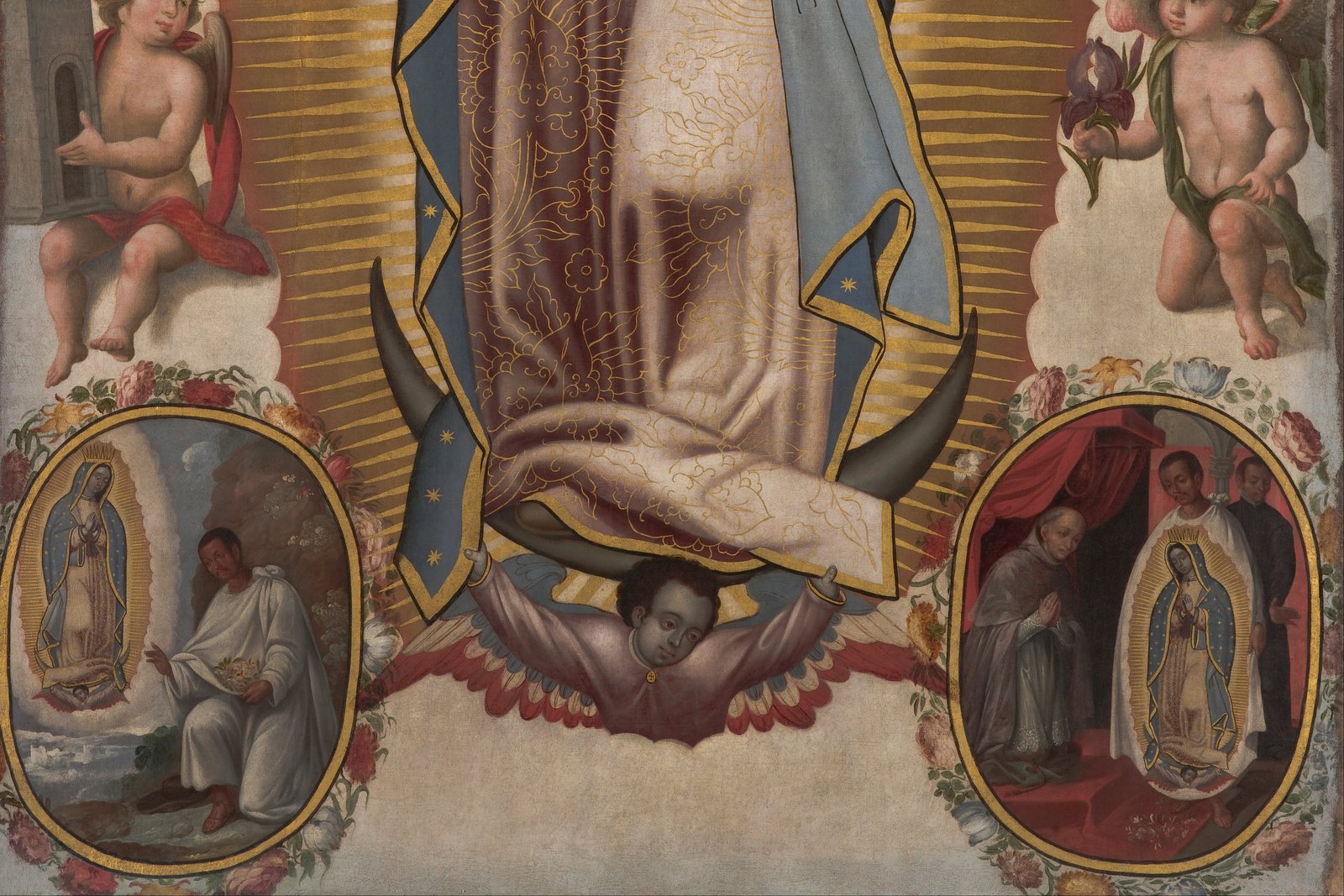
The Tilma of Guadalupe as a Scientific Mystery
Scientists have studied the Tilma of Guadalupe for decades — its cactus-fiber cloth, its pigments, and claims about its image. Here's what research actually shows.
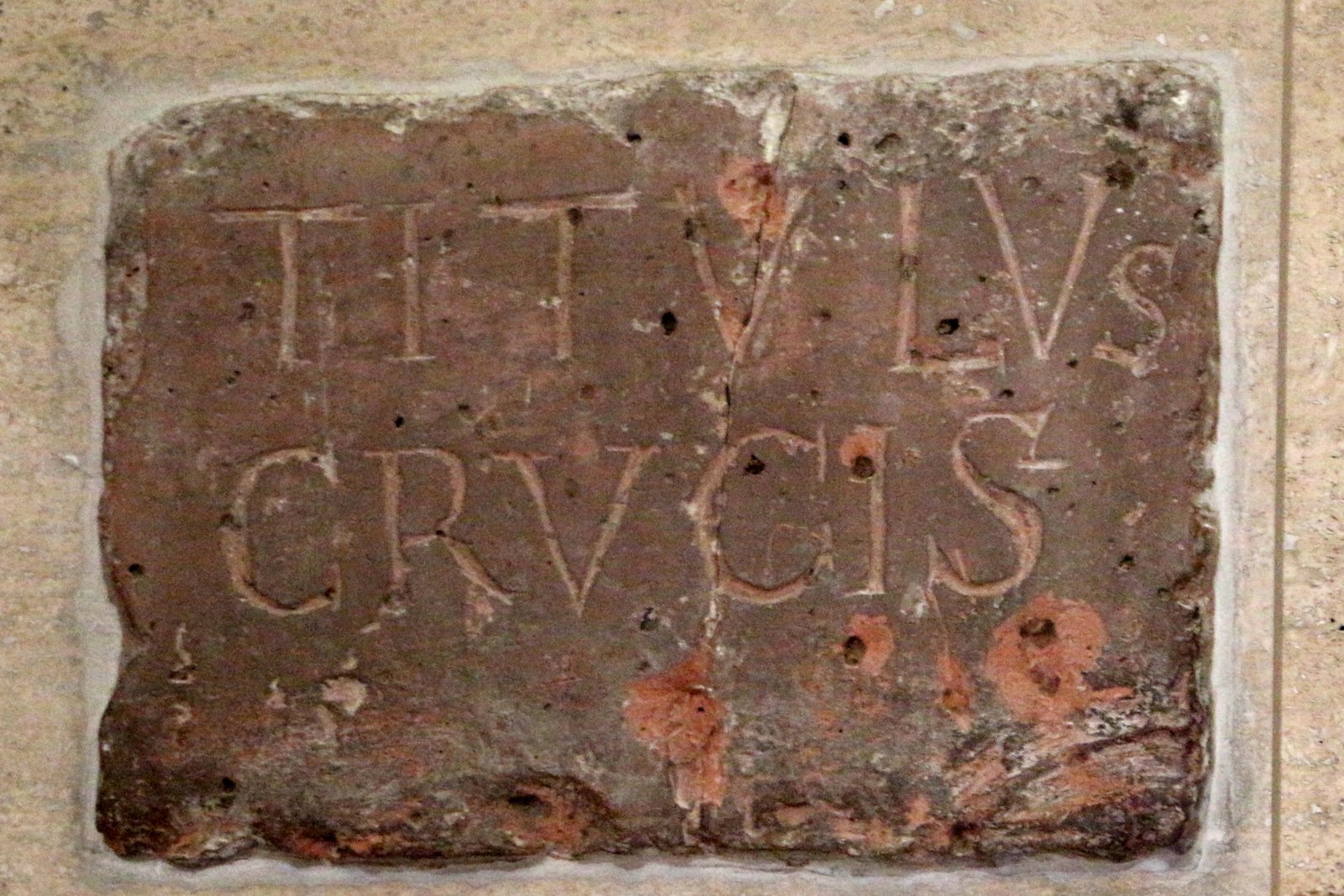
The Titulus Crucis: The Sign Above Christ's Head on the Cross
The inscription Pilate ordered nailed above the crucified Christ, the fragment venerated in Rome since 1492, and the centuries-old debate over how old it really is.
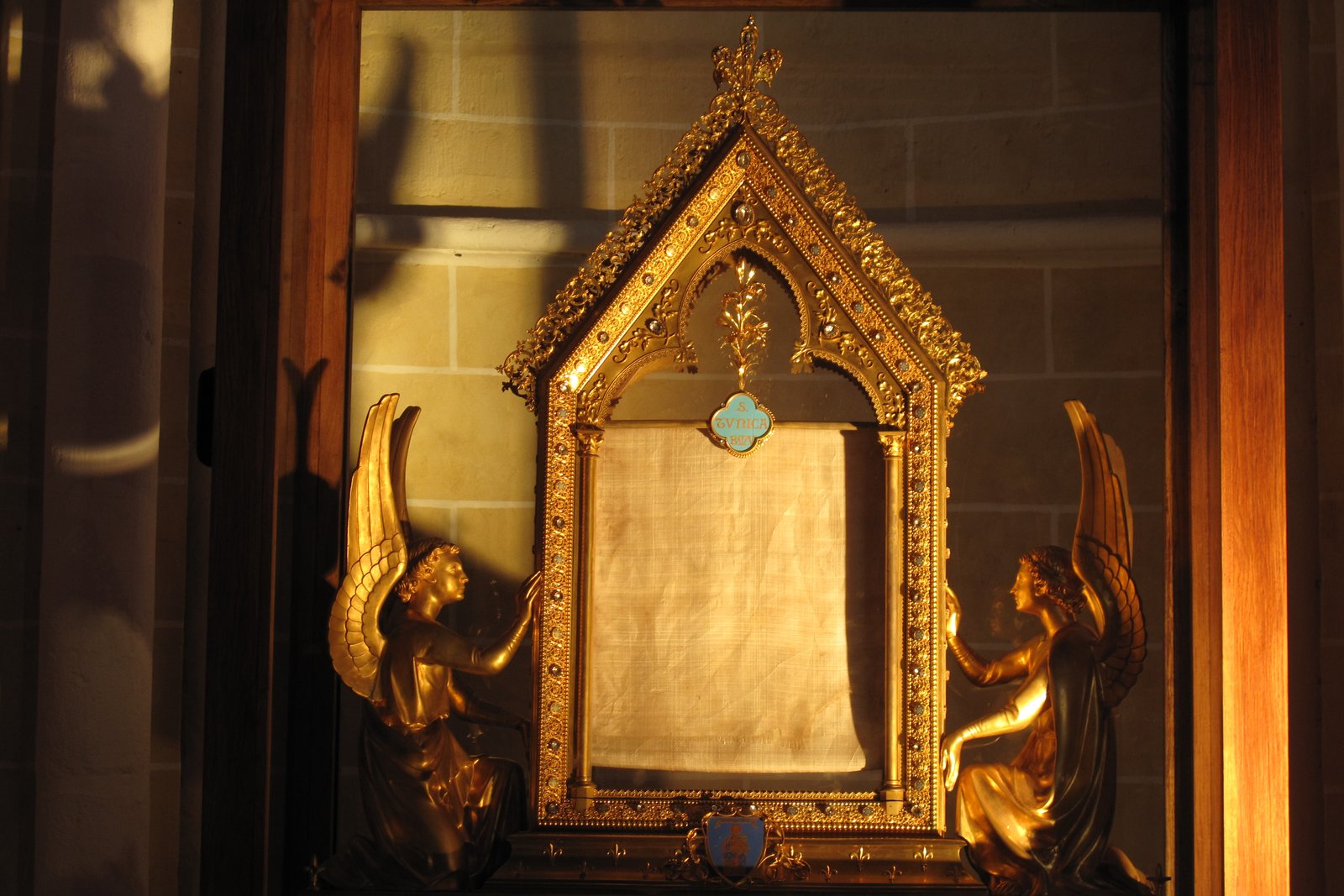
The Veil of the Virgin at Chartres: The Relic That Saved a Cathedral
The Sancta Camisia, a Marian relic venerated at Chartres since the 9th century, survived the 1194 fire that led to the Gothic cathedral standing there today.
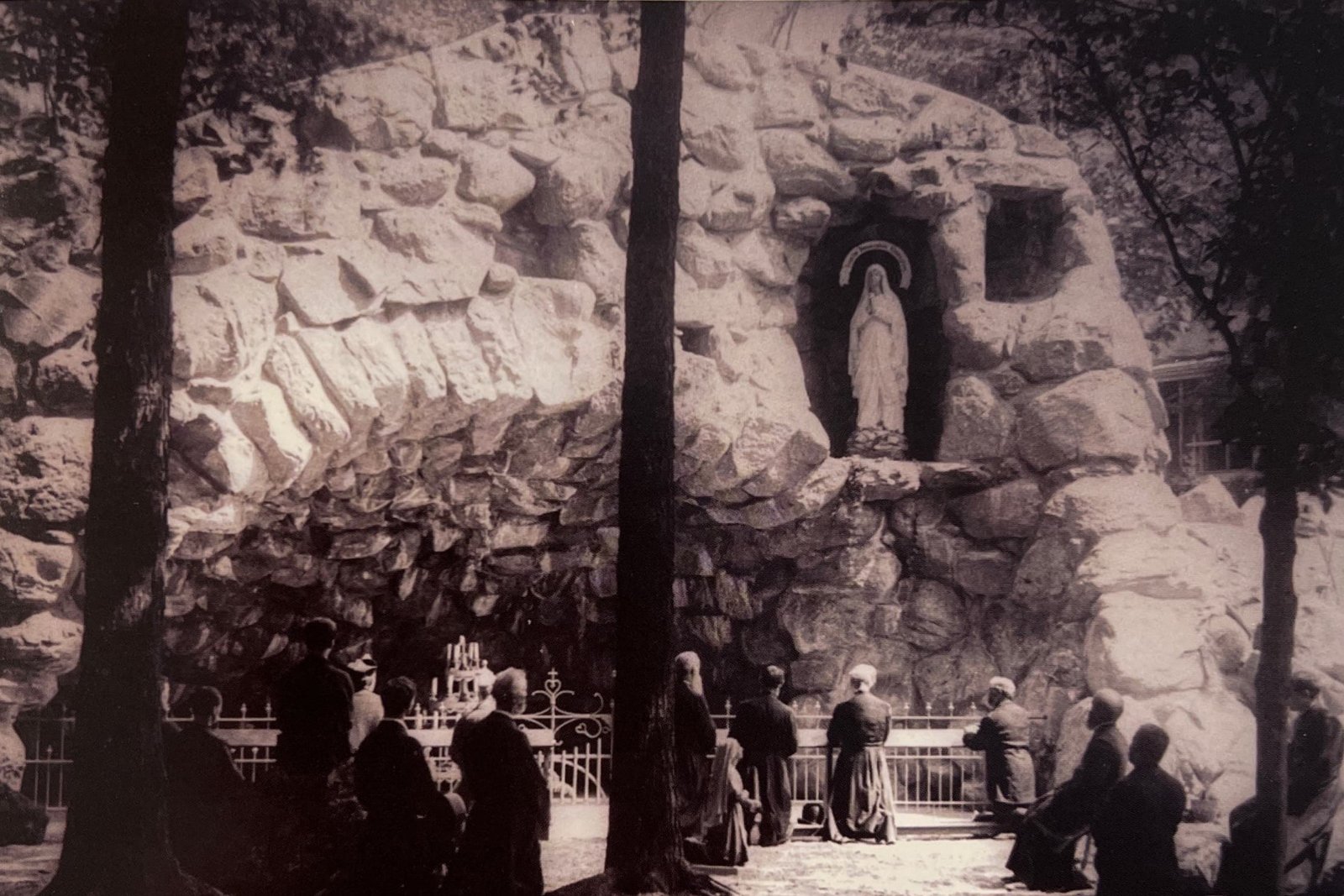
The Water of Lourdes: What the Spring Is and Isn't
The spring Bernadette Soubirous uncovered at Lourdes in 1858, how the Church's Medical Bureau investigates claimed healings, and what the water is for.
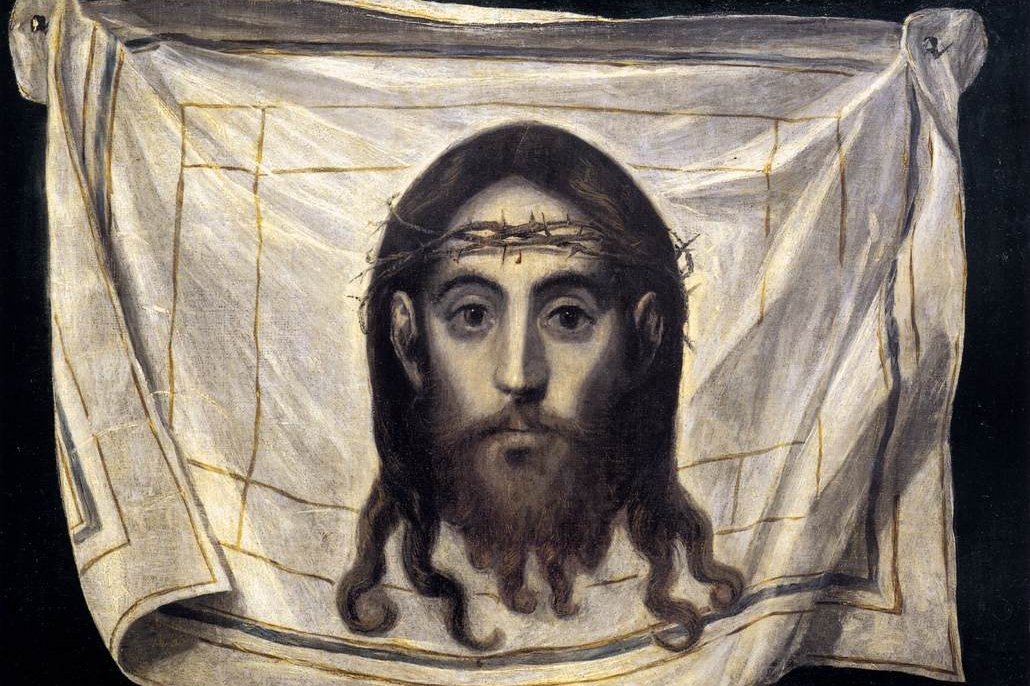
The Veil of Veronica: The Legend, the Relic, and the Face at Manoppello
The Veil of Veronica is a cloth tradition says Christ used to wipe His face en route to Calvary. Its legend, Roman relic, and Church stance explained.
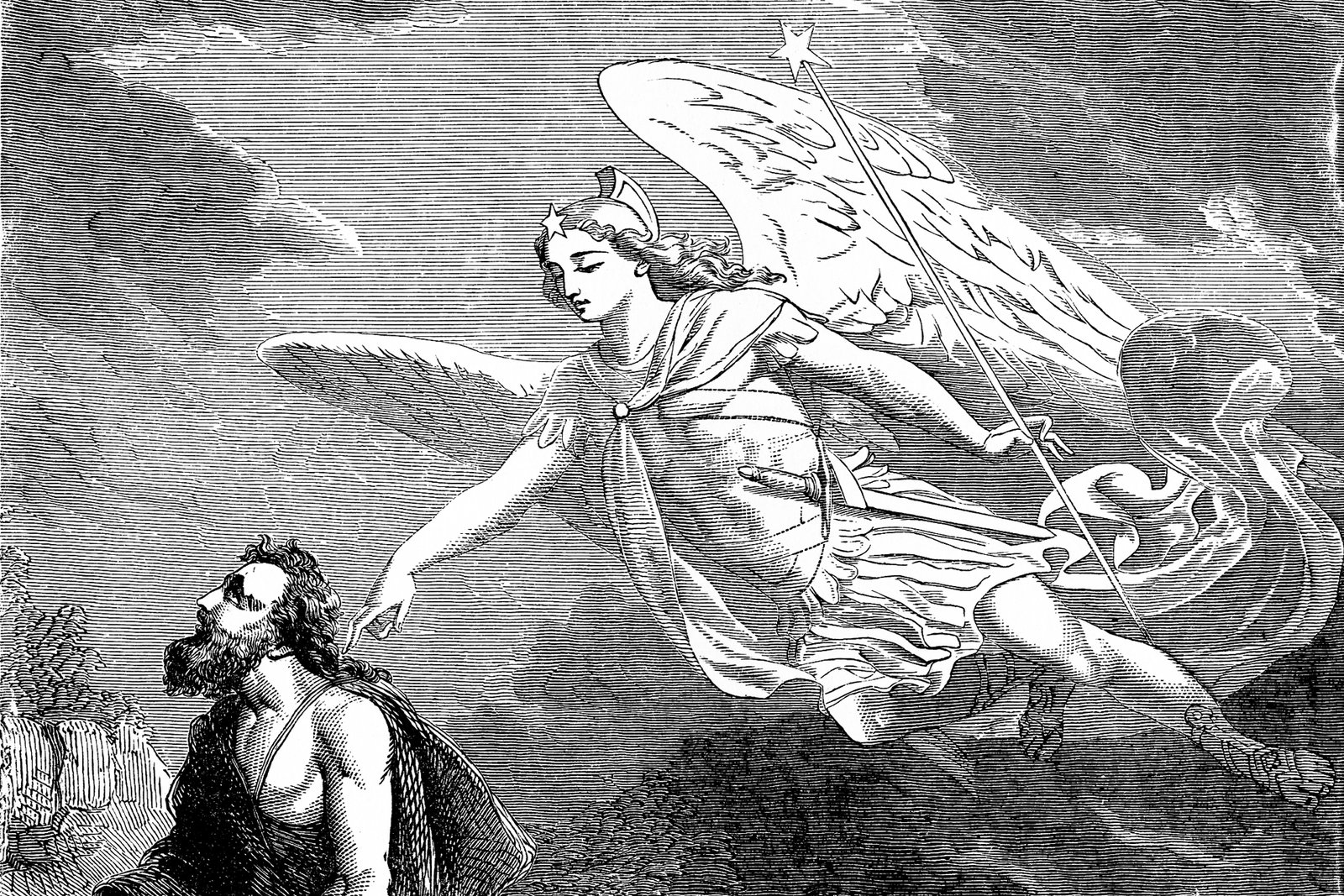
Gabriel Appears to Daniel
Named twice in one book, Gabriel explains a terrifying vision and delivers a 490-year prophecy — the Old Testament's clearest, most personal portrait of an angel.
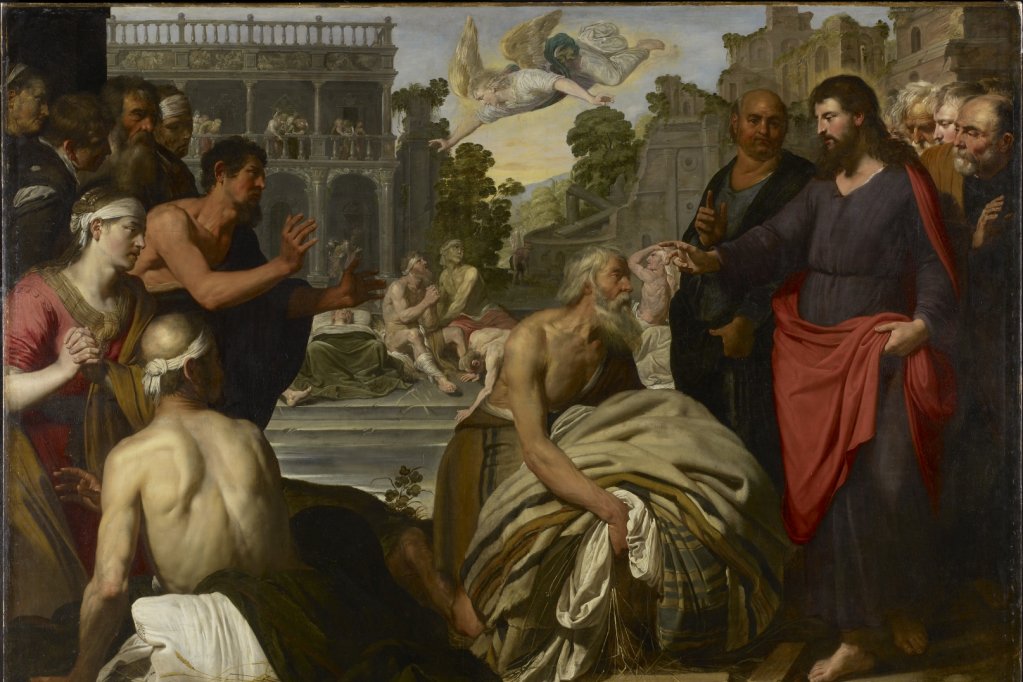
The Angel at the Pool of Bethesda
A man waited 38 years beside a Jerusalem pool for an angel to stir its healing water, but Jesus healed him instantly — and the water never even moved.
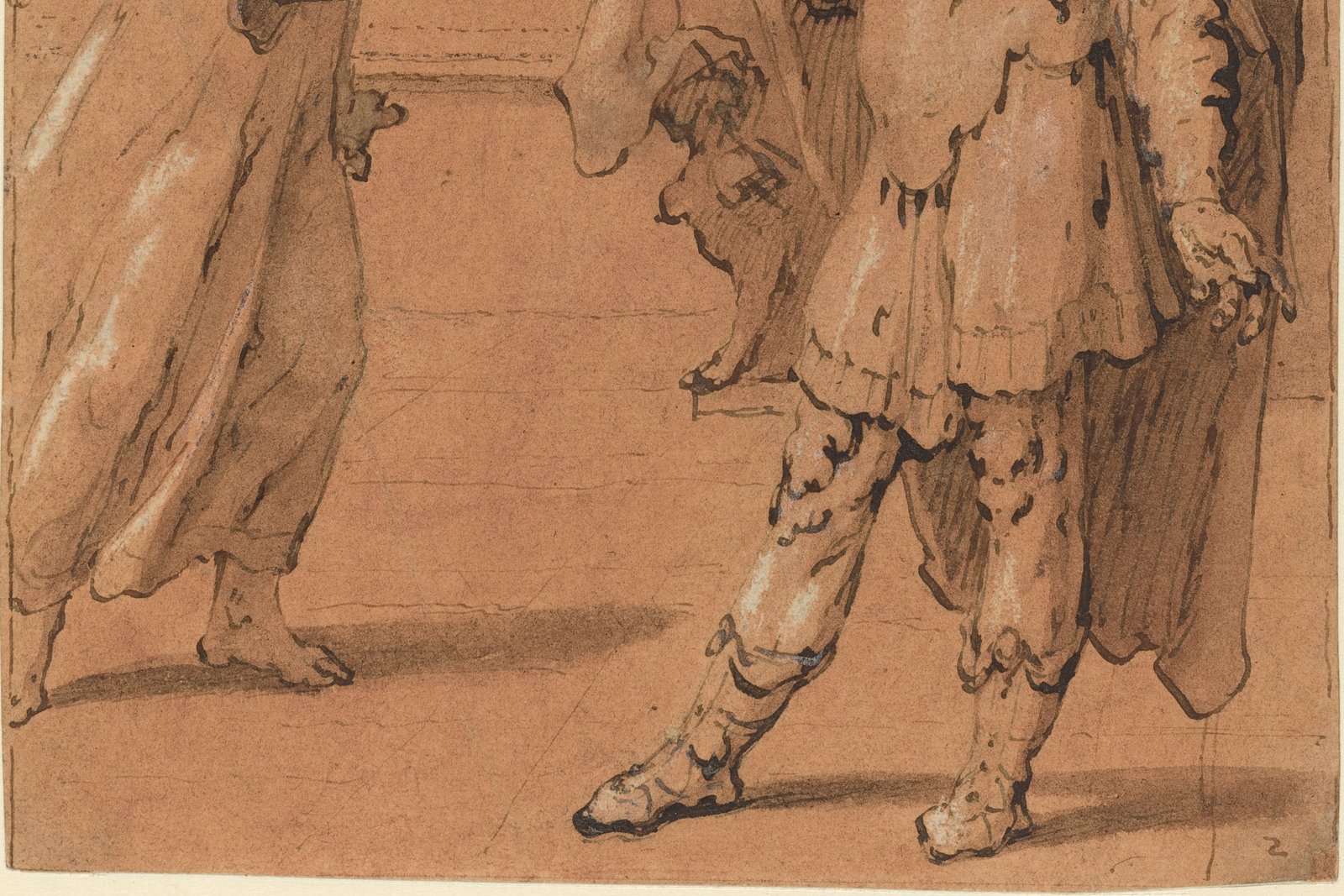
The Angel Who Appeared to Cornelius
A Roman officer's private prayer reached heaven, an angel told him so in person, and the answer he received reshaped who could belong to the early Church.
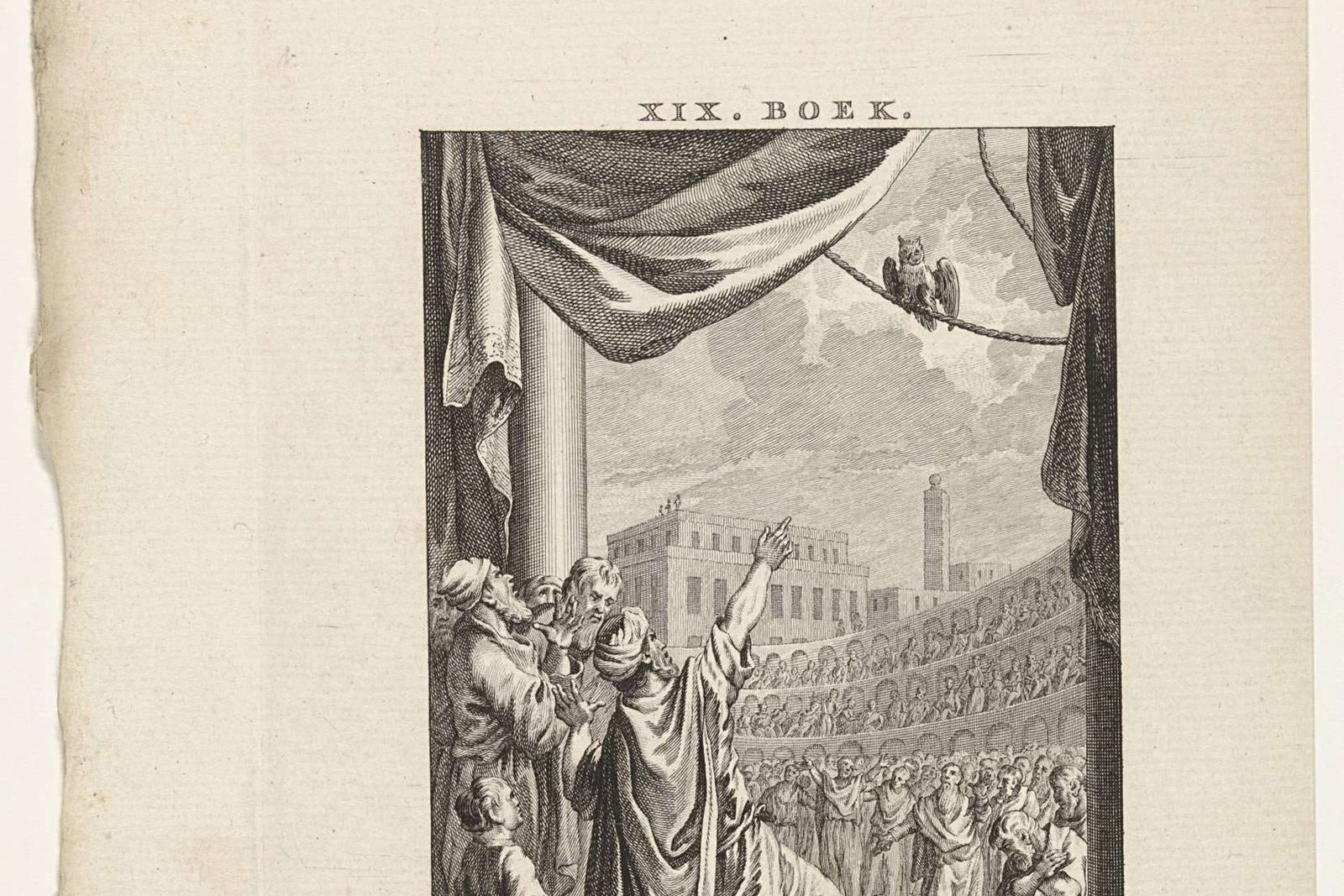
The Angel Who Struck Down Herod Agrippa
A king let a crowd call him a god instead of correcting them — and Luke records that an angel of the Lord struck him down for it, on the spot, before them.
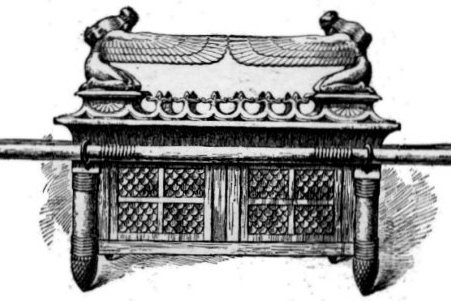
The Cherubim on the Ark of the Covenant
Two hammered-gold angels faced each other above the Ark of the Covenant, their wings spread over the exact spot where God said he would speak to Israel.
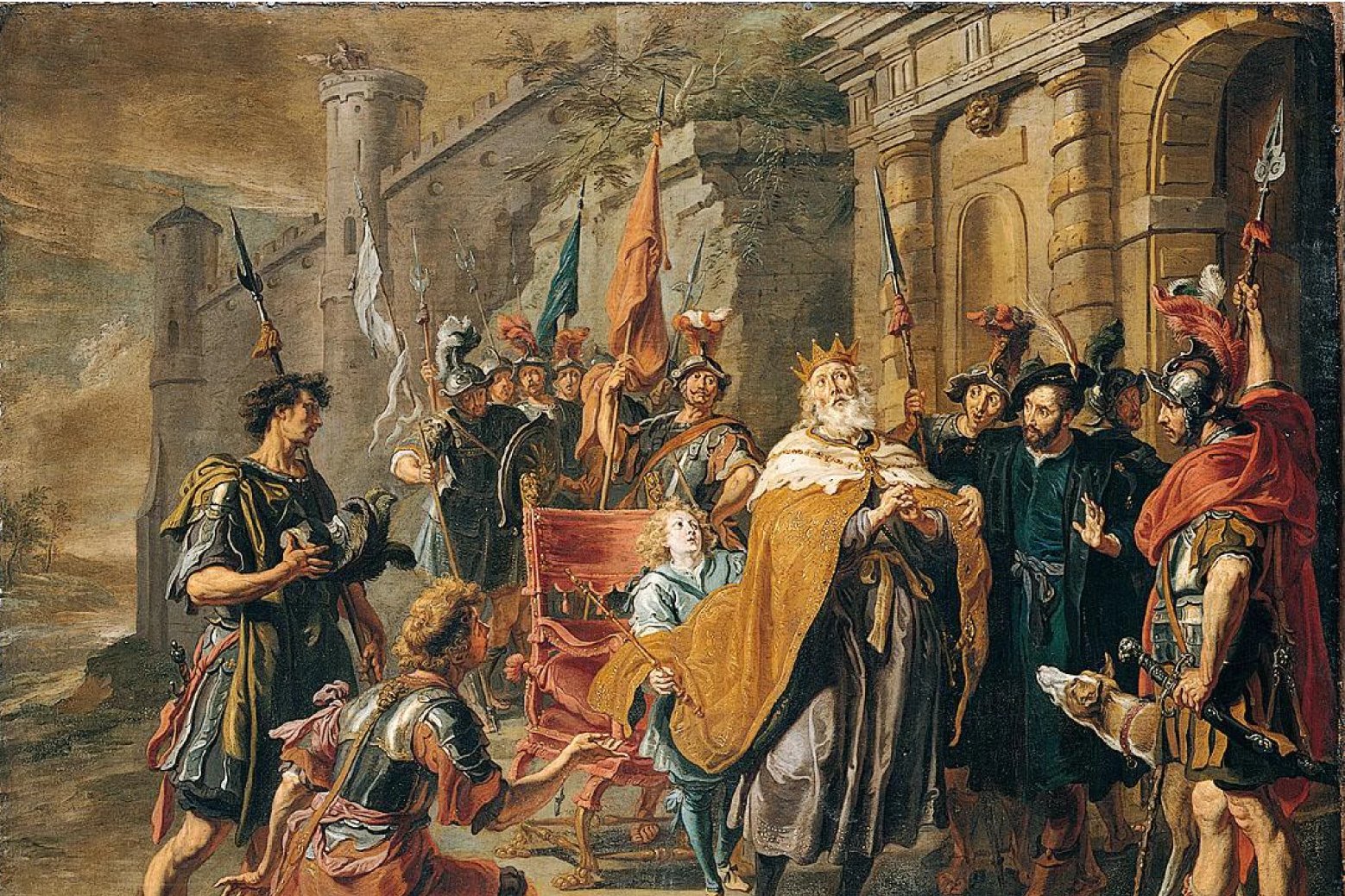
Absalom's Rebellion
A charming prince stood at the city gate for years, quietly winning over Israel's hearts one lawsuit at a time — before turning that loyalty into a coup.
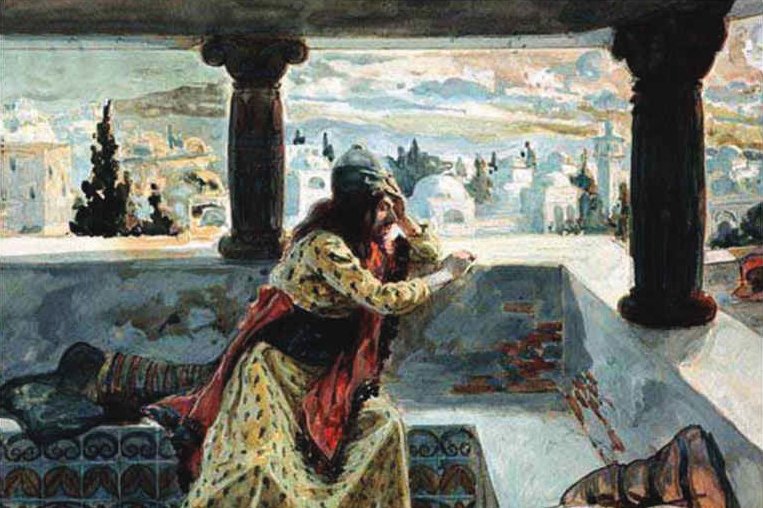
David and Bathsheba
A king stayed home from war, saw a woman bathing from his roof, and set in motion an affair, a murderous cover-up, and a prophet's four-word accusation.
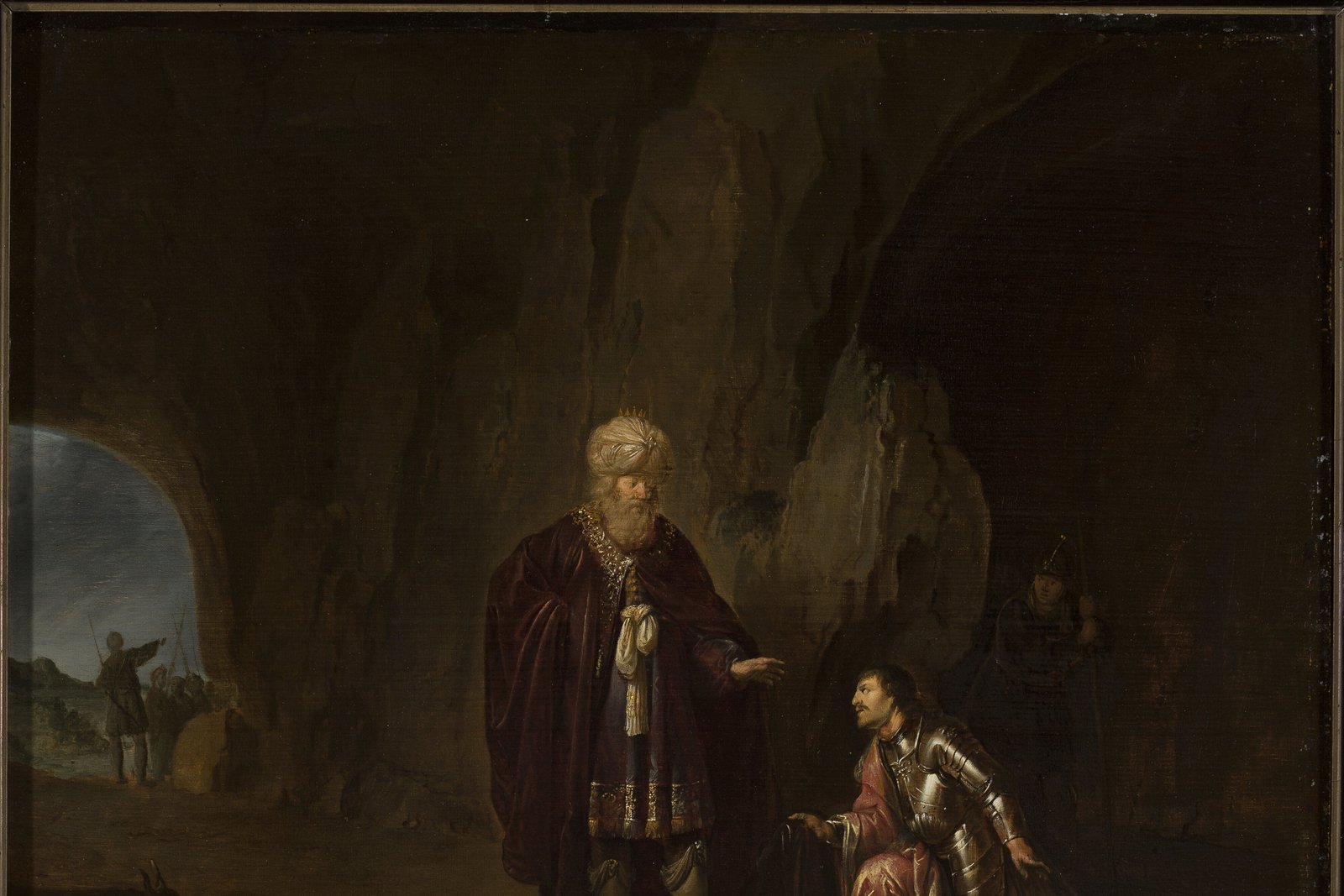
David Spares Saul's Life in the Cave
The king hunting him to kill him walked into David's hiding place alone and unguarded — and David only cut a piece of cloth instead of taking the kill.
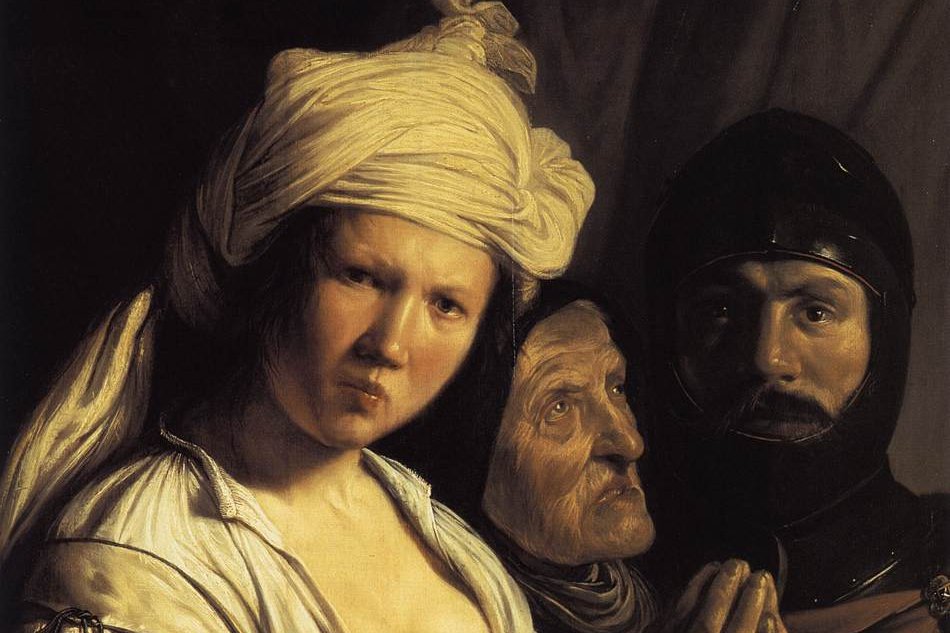
Deborah and Barak
A general refused to go to battle without a prophet beside him — and Deborah warned him the coming victory's glory would belong to a woman instead of him.
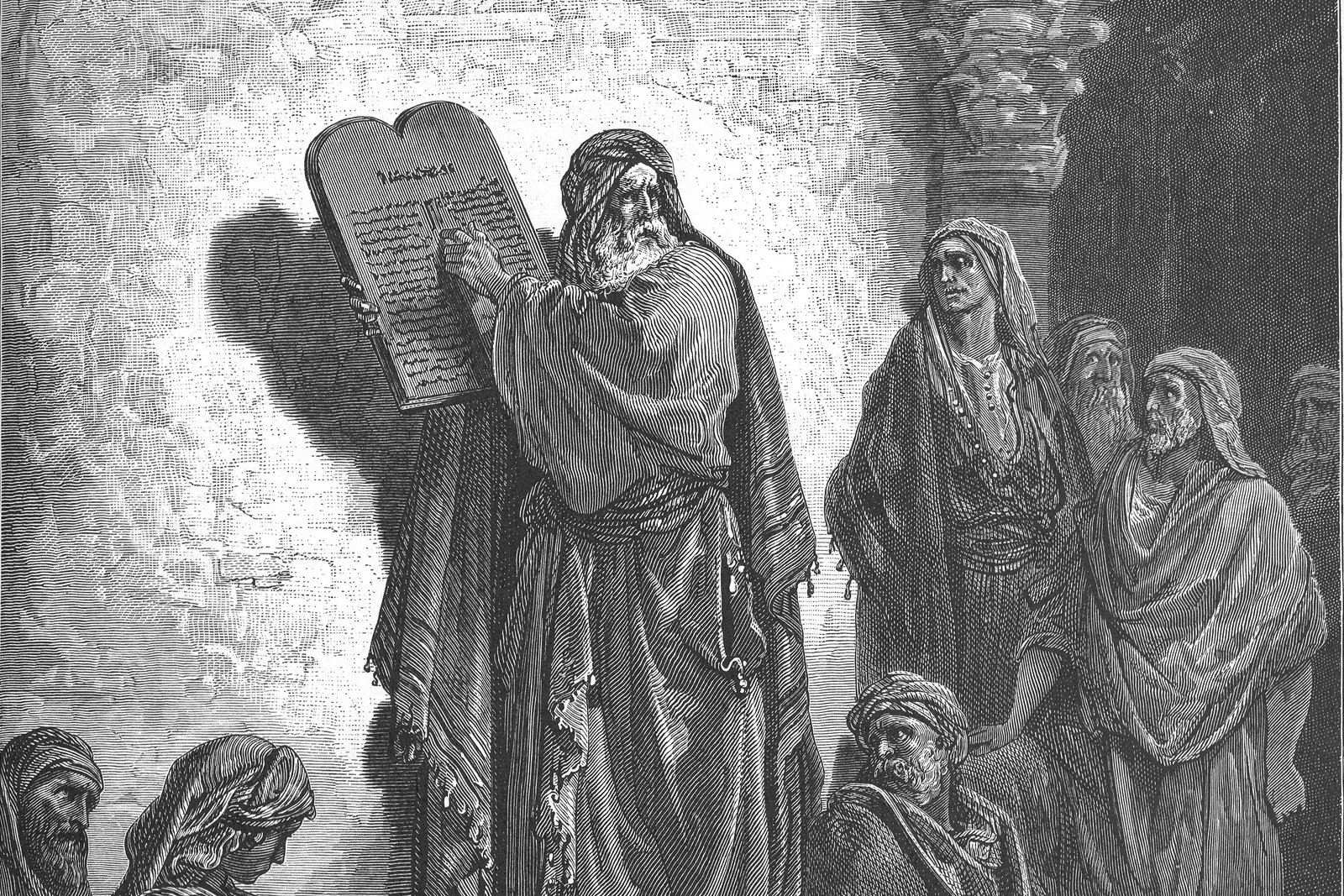
Ezra's Reading of the Law
From daybreak to midday, a returned-exile priest read the Law aloud to a weeping Jerusalem crowd — then told them to stop crying and go celebrate instead.