Vézelay Abbey: Where the Second Crusade Was Preached

A hilltop abbey with an extraordinary claim
Vézelay sits on a steep hill in the rolling countryside of Burgundy, its Romanesque basilica visible for miles across the surrounding farmland — a striking setting for what became, in the eleventh and twelfth centuries, one of medieval Europe's most consequential pilgrimage destinations. The abbey had existed since the ninth century, but its transformation into a major pilgrimage center dates to a specific claim monks there began promoting around the year 1050: that the abbey possessed the actual relics of Saint Mary Magdalene, the disciple who, according to the Gospels, was the first witness to the Resurrection.
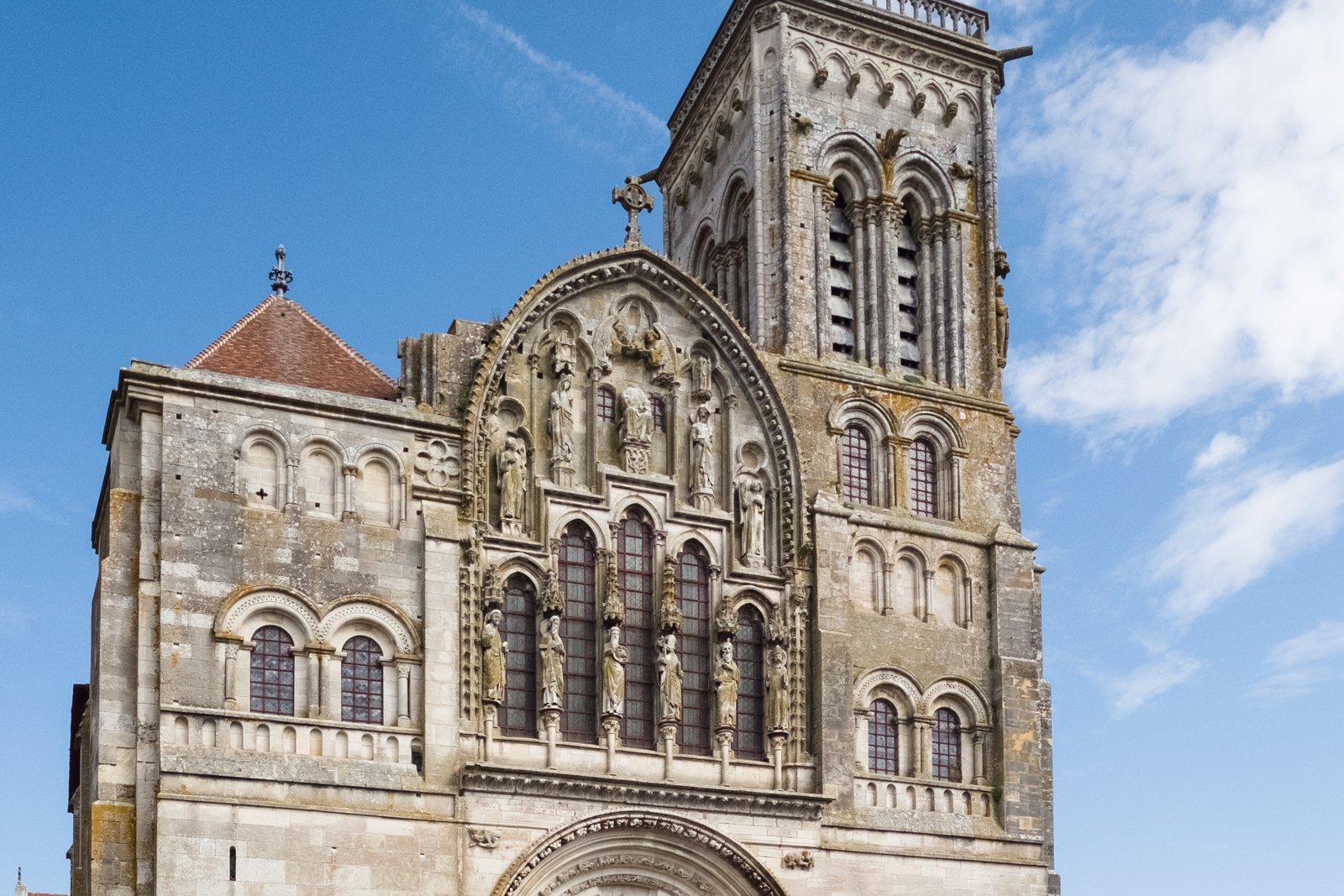
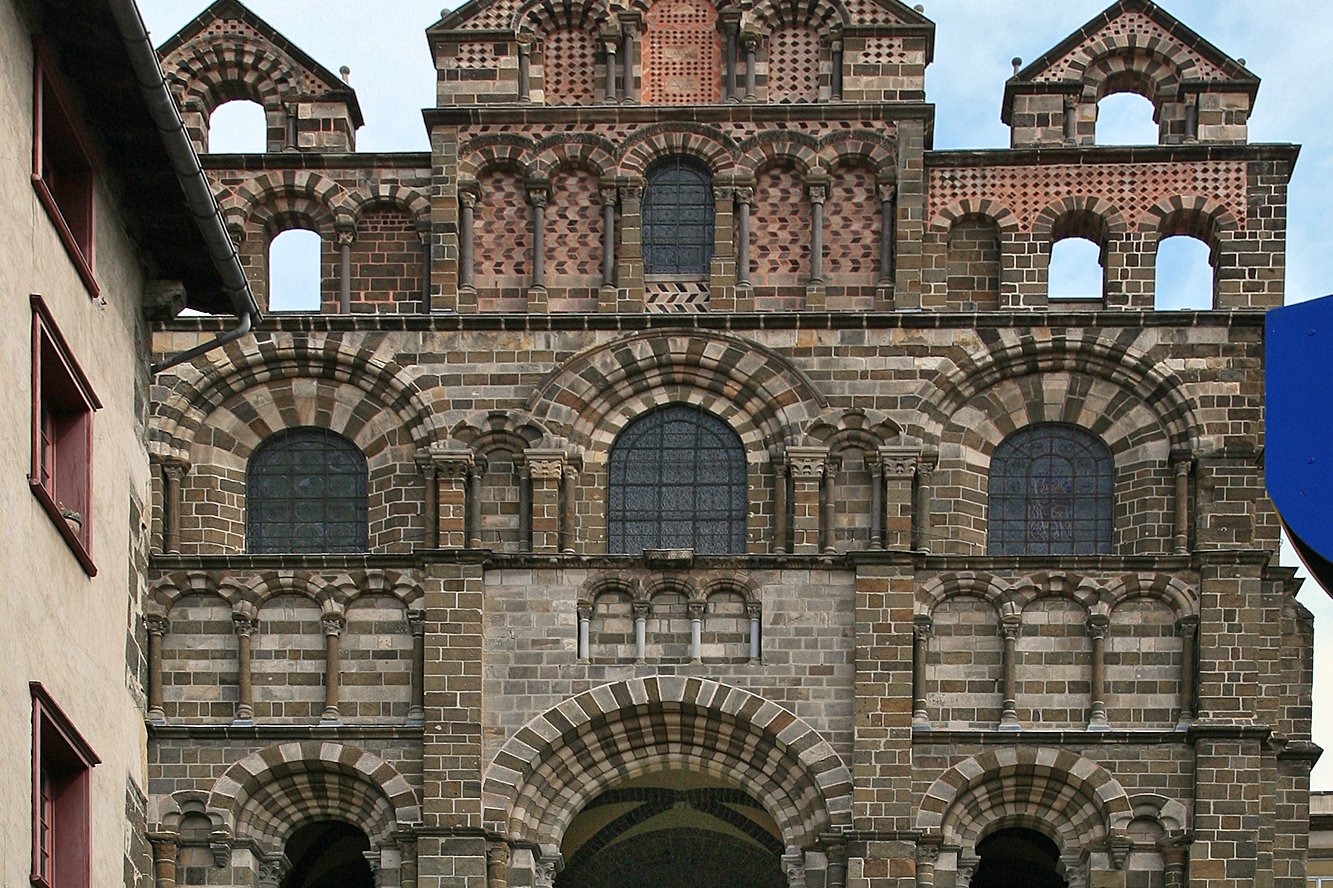
Photograph by DKrieger, Basilica of Sainte-Marie-Madeleine, Vézelay, 2016 — CC BY-SA 3.0, Wikimedia Commons.
The tradition held that a monk from Vézelay had traveled to the south of France, to a tomb associated with Mary Magdalene near what is now Saint-Maximin-la-Sainte-Baume, and secretly brought her relics back to Burgundy to protect them from the Saracen raids then threatening the Mediterranean coast. Pope Leo IX formally endorsed the authenticity of the relics around 1050, a papal validation that gave the claim enormous credibility across Christian Europe and set off a surge of pilgrim traffic to the abbey that would continue for well over a century.
Becoming a gateway on the road to Compostela
Vézelay's growing prestige as a Magdalene shrine coincided with, and helped fuel, its emergence as one of the four traditional starting points in France for pilgrims walking the Camino de Santiago to the shrine of Saint James in northwestern Spain. Pilgrims gathering at Vézelay before setting out on the long road southwest brought steady traffic, revenue, and prestige to the abbey, and the monastery expanded its buildings substantially through the eleventh and twelfth centuries to accommodate the growing numbers.
The basilica's nave, largely completed in the early decades of the twelfth century, is today considered one of the finest and most complete surviving examples of Burgundian Romanesque architecture anywhere in France — a style characterized by rounded arches, heavy masonry, and extensive sculptural decoration. Its central tympanum, the large carved semicircular panel above the main entrance, depicts a dramatic image of Christ commissioning the Apostles to spread the Gospel to all nations, surrounded by an extraordinary range of carved figures representing the diverse peoples of the known world — widely regarded by art historians as one of the great masterworks of French Romanesque sculpture.
The sermon that launched a crusade
Vézelay's most historically consequential moment came in 1146, when Bernard of Clairvaux — the towering Cistercian abbot and reformer whose influence extended across the political and religious life of Europe — arrived to preach in support of what would become the Second Crusade, following the loss of the Crusader county of Edessa to Muslim forces the year before. King Louis VII of France was present, along with a crowd so large that, according to contemporary accounts, the basilica itself could not hold them, and the sermon had to be moved outdoors to an open hillside beside the abbey.
Bernard's preaching that day is credited with mobilizing substantial support for the crusade across French nobility and beyond, cementing Vézelay's place not just in religious history but in the wider political history of medieval Europe. The abbey would see history made there again decades later, in 1190, when King Richard I of England ("the Lionheart") and King Philip II of France met at Vézelay to formally begin their departure for the Third Crusade together.
Decline, restoration, and revival
Vézelay's fortunes shifted dramatically in the thirteenth century, when the discovery — or claimed discovery — of what were said to be Mary Magdalene's genuine relics at Saint-Maximin-la-Sainte-Baume in Provence in 1279 undercut the credibility of Vézelay's own claim, drawing pilgrim traffic away toward the rival shrine. The abbey's decline continued over the following centuries, worsened by the disruptions of the Wars of Religion in the sixteenth century and, later, the French Revolution, during which the basilica was seized, partly damaged, and its monastic community dispersed entirely.
By the early nineteenth century, the building stood in serious disrepair, close enough to ruin that demolition was seriously proposed. Its rescue came through the intervention of the writer Prosper Mérimée and the architect Eugène Viollet-le-Duc, whose extensive and, in places, controversially interpretive restoration between 1840 and 1861 saved the structure and returned much of its Romanesque character, even as some of his choices reflected nineteenth-century ideas about medieval architecture as much as strict historical accuracy.
A pilgrimage site once again
Today Vézelay is recognized as a UNESCO World Heritage Site, both independently and as part of the broader Routes of Santiago de Compostela in France, and it remains an active place of Christian pilgrimage and worship, with a religious community once again resident at the site after a long historical gap. Whatever the ultimate historical truth behind its Magdalene relics, Vézelay's role in medieval European history — as pilgrimage destination, architectural landmark, and the place where a crusade was launched from an overflowing hillside — remains firmly and independently established.
Trivia
Why was Vézelay Abbey significant in medieval Christianity?
What happened at Vézelay in 1146?
How did Vézelay come to claim Mary Magdalene's relics?
What is architecturally significant about the basilica at Vézelay?
Is Vézelay still a functioning religious site today?
Related Reading