Westminster Cathedral

Not the abbey you're thinking of
Ask a London cab driver for "Westminster Cathedral" and there's a real chance you'll end up outside Westminster Abbey instead — the two buildings share a name, a neighborhood, and almost nothing else. Westminster Abbey is the ancient Anglican church where English and British monarchs have been crowned since 1066. Westminster Cathedral is a different institution entirely: the principal Roman Catholic church in England and Wales, built more than eight centuries later, on the site of what had been Tothill Fields Prison.
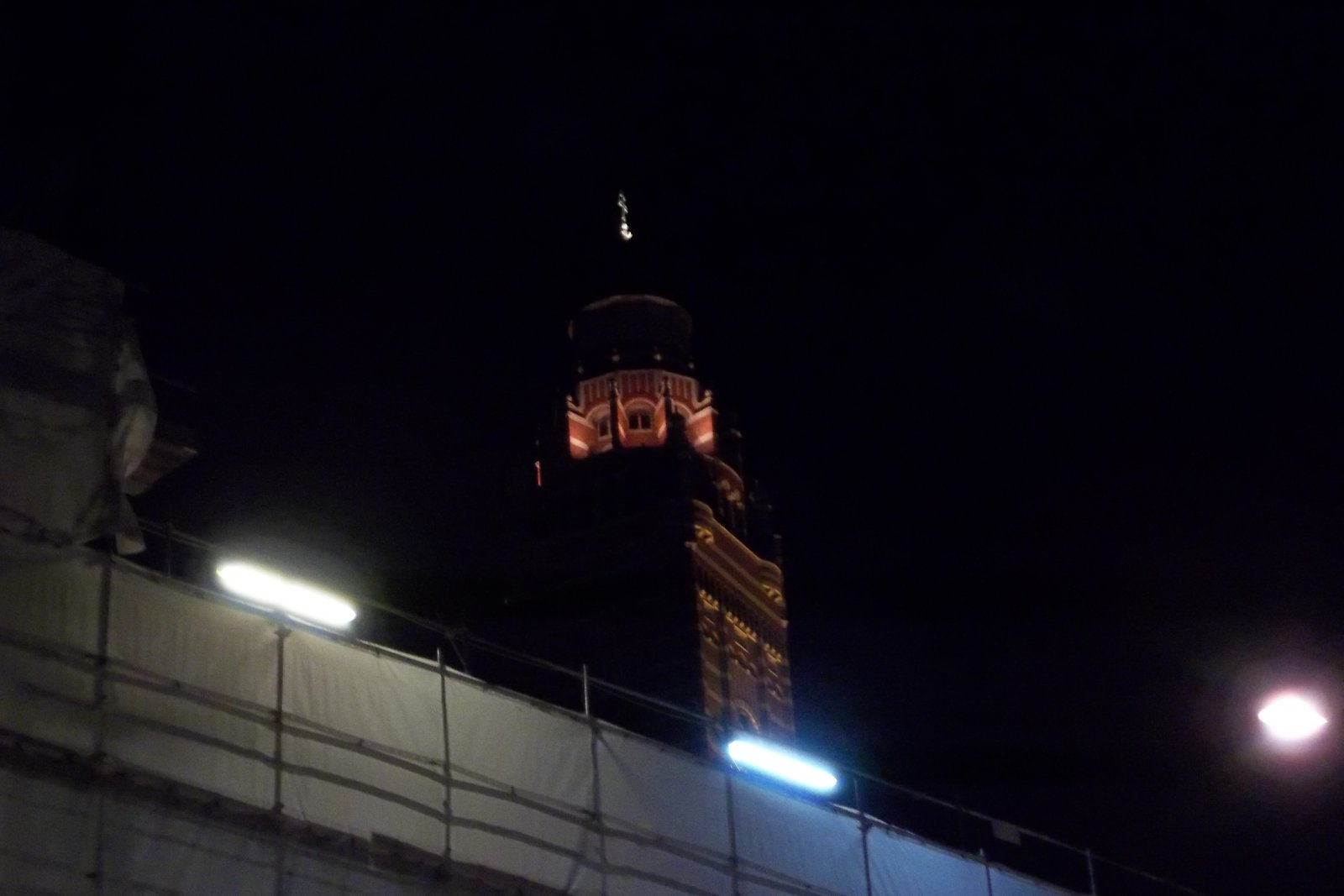
Frank Kovalchek / Wikimedia Commons (CC BY 2.0)
The distinction matters more than trivia. For English and Welsh Catholics, the Cathedral represents something the Abbey cannot: a visible, purpose-built center for a Church that had been legally suppressed in England for centuries after the Reformation. When Cardinal Henry Manning acquired the site in 1884, he was staking a claim in the literal shadow of British political power — the location sits close to the Houses of Parliament, a deliberate statement that Catholicism had returned to the heart of national life.
A Byzantine building in a Gothic city
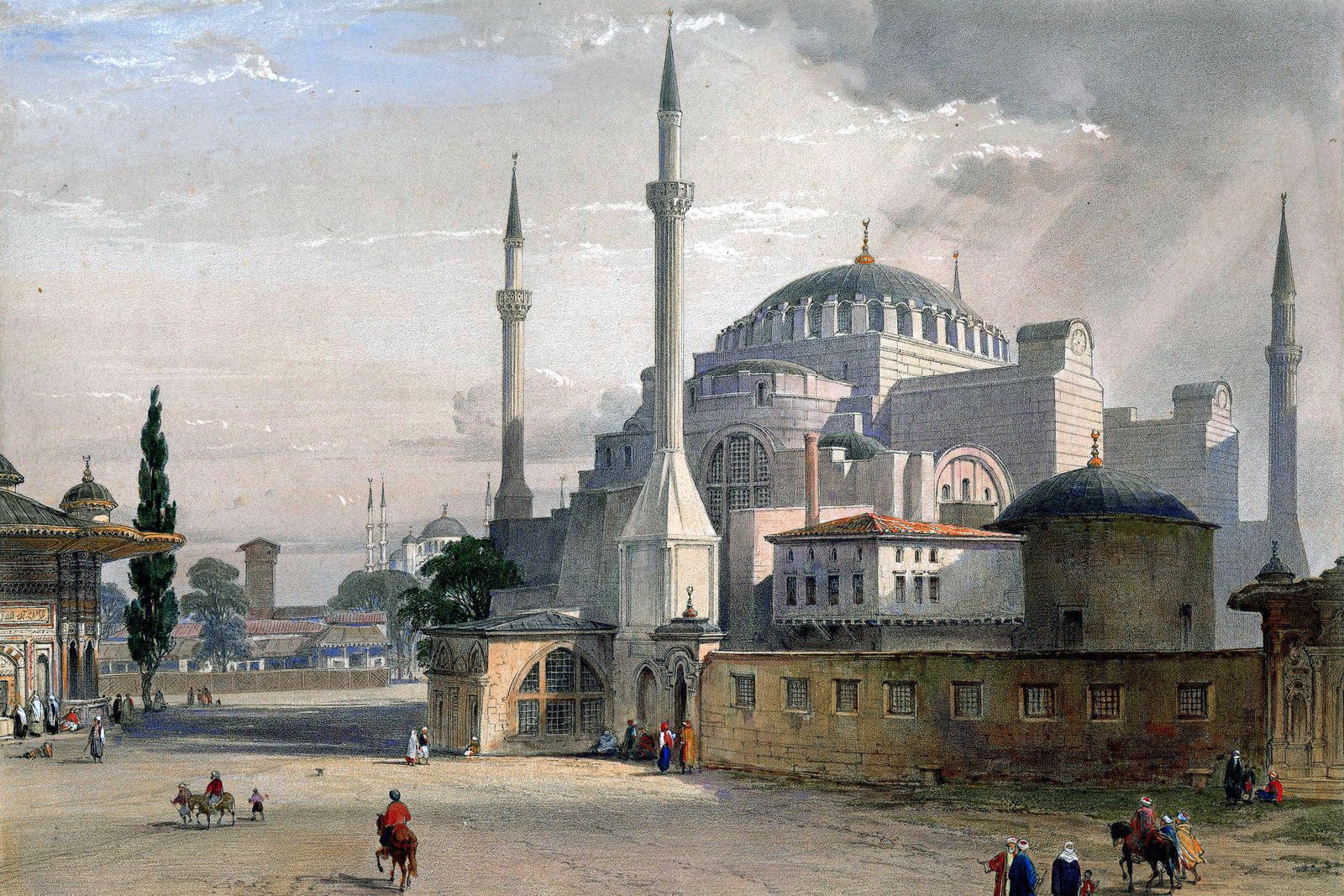
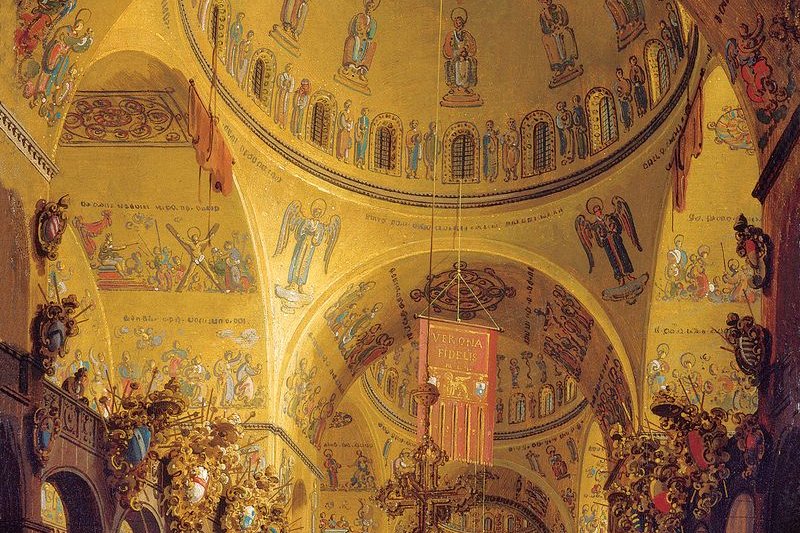
The architectural choice was just as deliberate as the location. John Francis Bentley, the architect Manning's successor commissioned, designed the Cathedral in a neo-Byzantine style, drawing on the early Christian basilicas of the Mediterranean — buildings like Hagia Sophia in Constantinople (modern Istanbul) and St. Mark's Basilica in Venice. This was a conscious departure from Gothic Revival, the style most associated with Church of England buildings of the period, including a great deal of Victorian church architecture across Britain.
The reasoning behind the choice was partly theological and partly historical: by reaching back to the Byzantine and early Christian tradition rather than English Gothic, Bentley and Manning were implicitly arguing that Catholicism's roots in Christian history ran deeper and older than anything the Anglican Gothic revival could claim. The result is instantly recognizable — bands of red brick and pale stone stripe the exterior, and a tall campanile (bell tower), rising 284 feet, dominates the skyline of the surrounding streets.
Construction ran from 1895 to 1903 and consumed an extraordinary quantity of material: some 12.5 million handmade bricks and 120 different varieties of marble, many sourced from the same Mediterranean quarries that had supplied Byzantine builders centuries earlier. The Cathedral opened for worship in 1903, though Bentley's decorative vision for the interior was still far from complete, and it wasn't formally consecrated until 1910, once its construction debts had been paid off.
Marble below, bare brick above
Step inside, and the building tells its own unfinished story. The lower walls and side chapels are covered in a dense layer of colored marble and gold mosaic, following the Byzantine tradition Bentley admired — rich, glinting surfaces that reward slow, close looking. Above a certain height, though, the walls give way to plain, dark brick, waiting for mosaic work that was never completed in Bentley's lifetime and has continued only piecemeal in the decades since. Rather than a flaw, many visitors and clergy have come to see the contrast as fitting: a cathedral literally still being built, generation by generation, much as the Church itself understands its own ongoing work.
Among the completed features, the Stations of the Cross by sculptor Eric Gill, carved directly into the nave's piers in the 1910s, are considered one of the Cathedral's artistic high points, admired for their spare, modern lines set against the surrounding Byzantine ornament.
A martyr's body kept in a side chapel
One detail visitors often don't expect to find inside a building this modern is the preserved body of a 17th-century martyr. Saint John Southworth, a Catholic priest executed at Tyburn in 1654 during the era when practicing as a Catholic priest in England was itself a capital offense, is entombed in a side chapel of the Cathedral, his vestments restored and his body kept on public display in a glass-fronted case. It's a striking, deliberate link between the building's Byzantine grandeur and the much harder, more dangerous centuries English Catholics lived through before a building like this could be raised at all so visibly, so close to Parliament.
A choir tradition built into the plans from the start
Bentley and Manning didn't just design a building for Mass — they built in a full choir school from the outset, intended to maintain the kind of continuous, high-level liturgical music associated with cathedrals on the continent rather than the more limited choral traditions typical of English Catholic parishes at the time. That ambition paid off: the Cathedral choir has become one of the most recorded and internationally respected choirs in Britain, and the building's acoustics, shaped by its high domes and hard marble surfaces, were part of the architectural plan rather than an afterthought. The 284-foot campanile, Saint Edward's Tower, also houses a viewing gallery reachable by lift, giving visitors one of the highest publicly accessible views over central London — a modern, almost incidental use for a tower built purely as a devotional and architectural statement.
A cathedral for a whole Church province
Westminster Cathedral functions as the mother church of the Roman Catholic Archdiocese of Westminster and the seat — the cathedra, from which "cathedral" takes its name — of the Archbishop of Westminster, historically the senior Catholic bishop in England and Wales. It hosts major national liturgies, ordinations, and state occasions involving the Catholic Church, and its choir school maintains one of the country's most respected traditions of sacred music.
For visitors planning a London itinerary that includes both great Christian landmarks of the city, it's worth remembering that Westminster Cathedral and Westminster Abbey, despite the shared name, tell two very different stories about faith and power in England — one Anglican and medieval, the other Catholic and unmistakably, deliberately, Byzantine.
Trivia
Is Westminster Cathedral the same as Westminster Abbey?
Why does Westminster Cathedral look so different from other London churches?
When was Westminster Cathedral built?
What is Westminster Cathedral's role in the Catholic Church in England?
Is the interior of Westminster Cathedral finished?
Related Reading