Saint Barnabas the Apostle

A name earned, not given at birth
The man remembered as Barnabas was born Joseph, a Levite by tribal descent and, unusually for a figure so central to the earliest Jerusalem church, a native of Cyprus rather than Judea. The Book of Acts introduces him at a specific moment: among the believers who were selling property to support the community, "Joseph, also named by the apostles Barnabas (which is translated 'son of encouragement')... sold a piece of property that he owned, then brought the money and put it at the feet of the apostles" (NABRE, Acts 4:36-37). The nickname the apostles gave him wasn't a formality. Everything Barnabas does in the chapters that follow lives up to it.
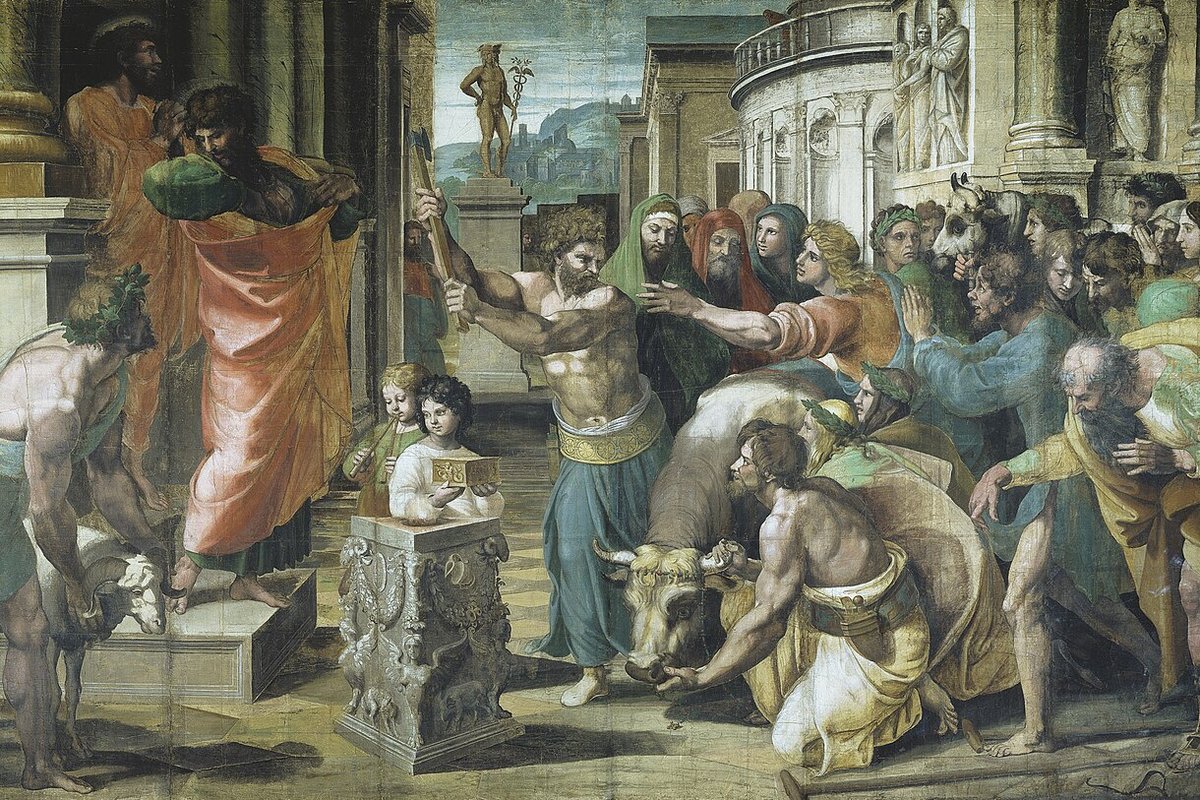
Raphael, "The Sacrifice at Lystra," 1515, Victoria and Albert Museum — public domain.
Vouching for the man everyone else feared
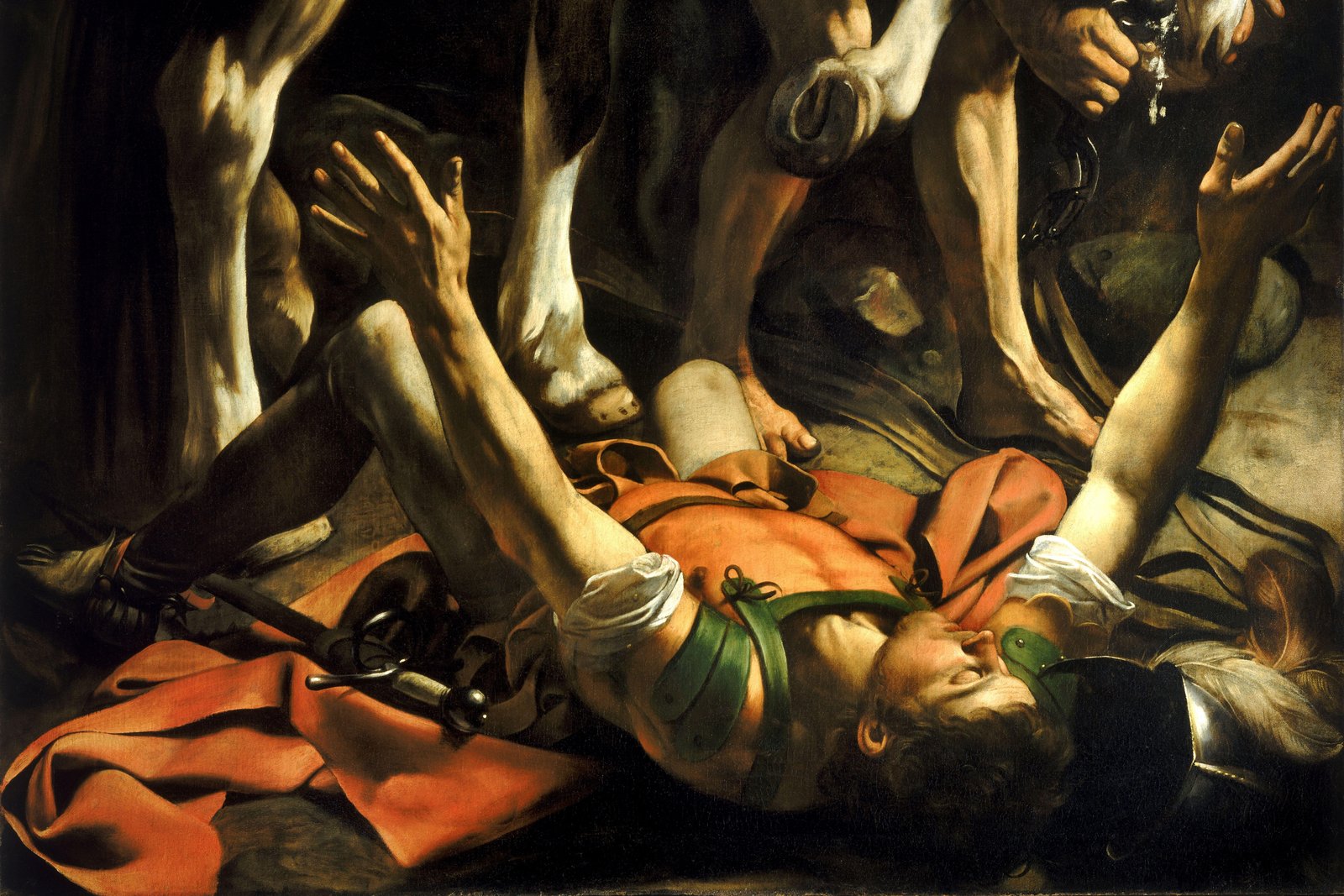
The clearest example comes early. After his dramatic conversion on the road to Damascus, Saul of Tarsus — formerly the Church's most feared persecutor — traveled to Jerusalem and tried to join the disciples there. It did not go well. "He tried to join the disciples, but they were all afraid of him, not believing that he was a disciple" (NABRE, Acts 9:26). Given Saul's history, that fear was entirely reasonable. It's at this exact impasse that Barnabas steps in: "Then Barnabas took charge of him and brought him to the apostles, and he reported to them how on the way he had seen the Lord and that he had spoken to him, and how in Damascus he had spoken out boldly in the name of Jesus" (Acts 9:27). That single act of personal vouching is what allows Saul — soon to be known as Paul, one of the most consequential figures in Christian history — into full fellowship with the Jerusalem church.
Barnabas's instinct for building bridges shows up again a few chapters later. When news reached Jerusalem that Greek-speaking Gentiles in Antioch were coming to believe in Jesus, an unprecedented development that the Jerusalem church wasn't sure how to handle, the leaders sent Barnabas specifically to investigate. He "rejoiced and encouraged them all to remain faithful to the Lord in firmness of heart" (NABRE, Acts 11:23) — and then, in a telling move, went looking for Saul in Tarsus and brought him back to help teach the growing Antioch community for a full year (Acts 11:25-26). It's worth noting plainly: it was Barnabas, not Paul, who first recognized Antioch's importance and who first pulled Paul back into active ministry after a period of relative obscurity following his conversion.
Partners on the road
Around AD 46, the church at Antioch — described in Acts as having "prophets and teachers," with Barnabas listed first among them — set the two men apart for a specific mission under the Holy Spirit's direction: "Set apart for me Barnabas and Saul for the work to which I have called them" (NABRE, Acts 13:2). What followed became known as Paul's first missionary journey, though Barnabas was very much a co-leader in these opening chapters rather than a supporting figure, traveling with Saul through Cyprus and into southern Asia Minor, preaching in synagogue after synagogue.
One episode captures how the local population understood them. After Paul heals a man crippled from birth in the city of Lystra, the crowd, speaking in their own Lycaonian language, concludes that gods have descended among them: "They called Barnabas 'Zeus' and Paul 'Hermes,' because he was the chief speaker" (NABRE, Acts 14:12). A local priest of Zeus arrived with oxen and garlands, ready to offer sacrifice to the two men. Acts describes the response bluntly: "The apostles Barnabas and Paul tore their garments when they heard this and rushed out into the crowd" (Acts 14:14), refusing the worship and redirecting the crowd's astonishment toward God instead. That verse is also one of the clearest places in the New Testament where Barnabas himself is directly called an apostle, using the same Greek term applied to Paul — a title he holds not through membership among the original Twelve, but through this pattern of being sent out, again and again, for the work of spreading the Gospel.
Encouragement as a way of life
Barnabas doesn't appear as often in the New Testament as Paul does, and later chapters of Acts record a sharp disagreement between the two men over whether to bring Paul's younger cousin John Mark on a second journey — a rift real enough that they eventually parted ways, Barnabas taking Mark back to Cyprus while Paul chose a different companion. Even that falling-out, though, fits the pattern of a man consistently willing to give people a second chance that others weren't ready to extend. Christian tradition, though not confirmed in Scripture itself, holds that Barnabas was later martyred at Salamis, Cyprus, stoned to death around AD 61, and he's remembered today as a founding figure of the Cypriot church, honored each June 11 as patron of Cyprus, Antioch, and peacemakers — a fitting legacy for the man whose very name meant encouragement.
Trivia
Was Barnabas one of the original Twelve Apostles?
What was Barnabas's original name, and why was he called 'son of encouragement'?
How did Barnabas help Saint Paul when no one else in the Church would?
What was the first missionary journey Barnabas took with Paul?
What is Saint Barnabas the patron saint of, and when is his feast day?
You May Also Like
Related Reading