Saint Toribio Romo

A seminarian in a country closing its churches
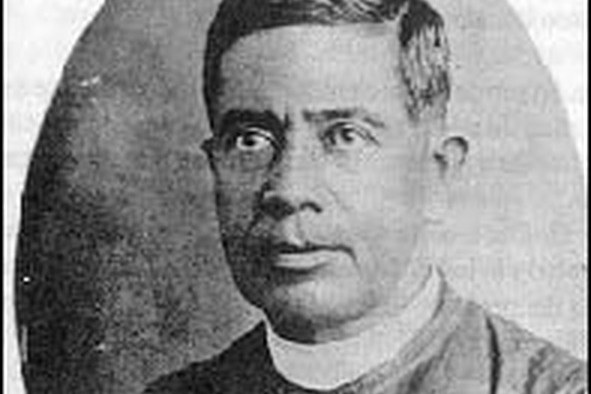
Toribio Romo Gonzalez was born on April 16, 1900, in Santa Ana de Guadalupe, a small rural community in the Mexican state of Jalisco, the ninth of ten children in a farming family. He entered the seminary in San Juan de los Lagos and was ordained a priest in 1922, at a moment when the relationship between the Mexican state and the Catholic Church was rapidly deteriorating. Mexico's 1917 constitution already contained sweeping anti-clerical provisions — restricting religious education, barring clergy from voting, and giving the state authority over church property — but for years these went loosely enforced. That changed under President Plutarco Elias Calles, who from 1926 began enforcing the laws with severity: churches were closed or placed under government control, foreign-born priests were expelled, and the public celebration of Mass was effectively criminalized in large parts of the country.
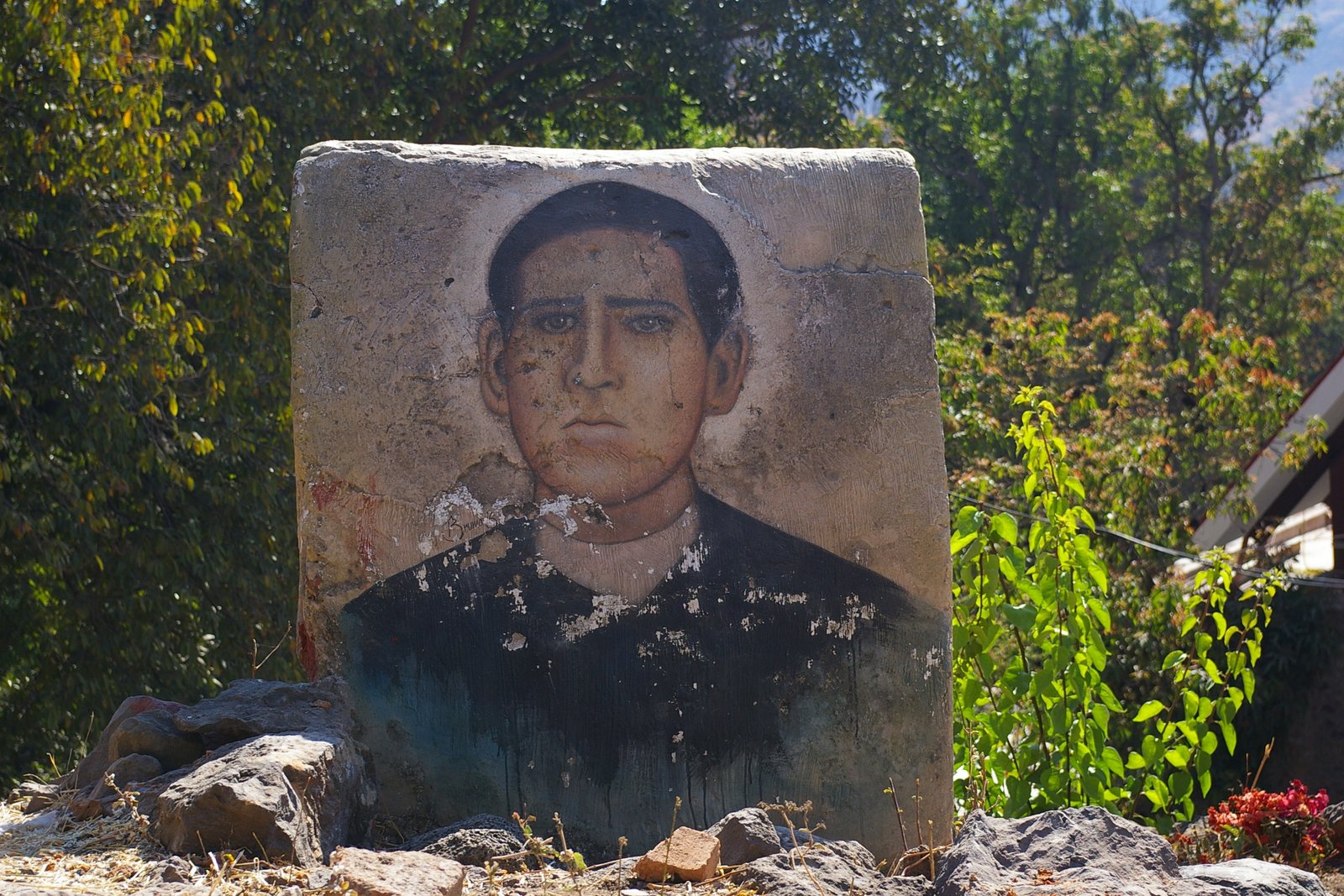
Photographer: Thomassin Mickaël, Padre Toribio — CC BY 2.0, via Wikimedia Commons.
Toribio was assigned to a parish in Tequila, Jalisco, ministering to a rural population that, like much of the Mexican countryside, remained overwhelmingly and often defiantly Catholic despite the new restrictions. He continued to say Mass, hear confessions, and administer the sacraments in secret, moving between rural chapels and private homes to avoid detection — exactly the kind of underground ministry the government was working to stamp out.
The Cristero War and a priest hunted in secret
The government's crackdown provoked armed Catholic resistance beginning in 1926, a conflict that became known as the Cristero War after the rebels' rallying cry, "Viva Cristo Rey" — Long live Christ the King. The war was marked by extreme brutality on both sides, and priests were frequent targets of government forces regardless of whether they took up arms themselves, simply for continuing to minister to Catholic communities in defiance of the law. Toribio Romo never joined the armed Cristero movement as a combatant; his resistance was pastoral, continuing to serve as a priest in hiding rather than abandoning his parishioners or complying with the state's restrictions.
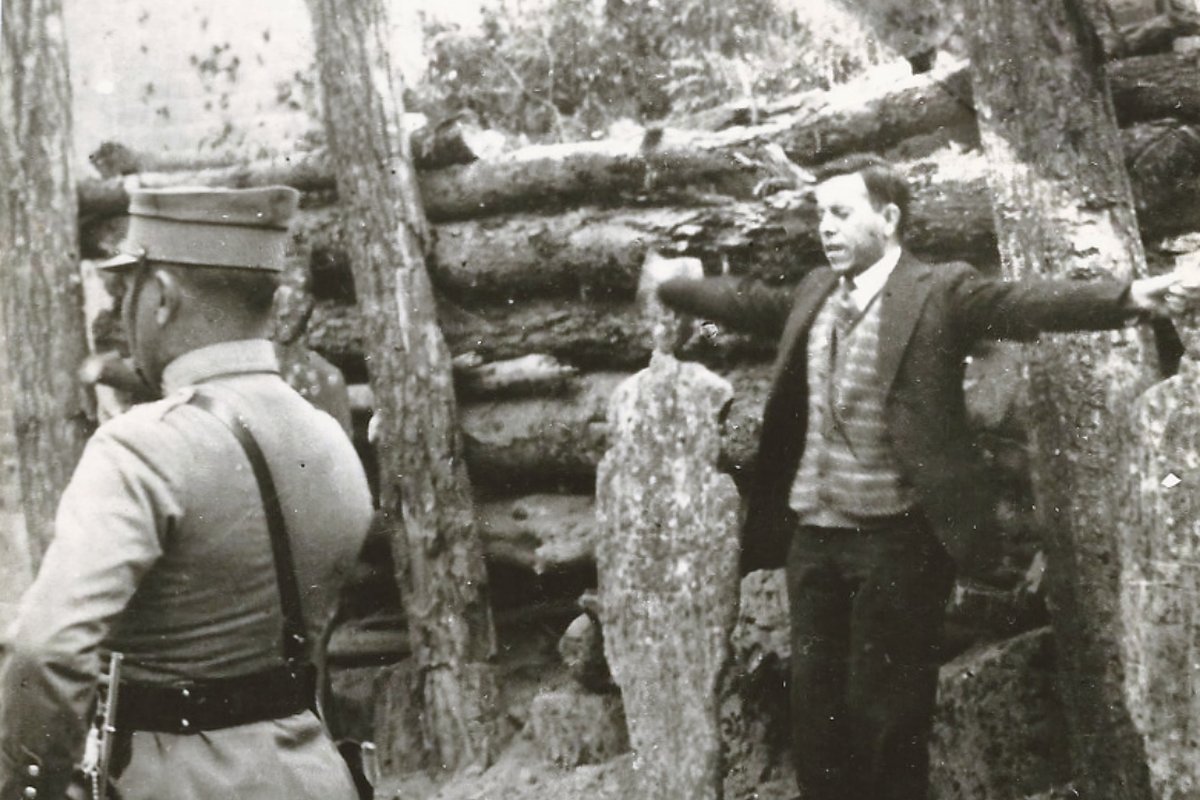
That underground ministry made him a target. In the early morning hours of February 25, 1928, federal soldiers, acting on information about a priest sheltering nearby, raided the ranch house where Toribio was staying near Tequila. He was asleep when they broke in, and they shot him where he lay, reportedly without giving him any opportunity to identify himself or respond. His body was taken to the nearby town of Tequila and displayed publicly, a common practice during the conflict meant to intimidate other clergy and Catholic communities into compliance. He was 27 years old.
Canonization among the Saints of the Cristero War
Toribio Romo's death was one of dozens suffered by Mexican Catholic clergy and laypeople during the Cristero War, and decades later the Catholic Church formally recognized a large group of these martyrs together. Pope John Paul II canonized Toribio Romo along with twenty-four other Mexican martyrs of the period on May 21, 2000, in a single ceremony in Rome — one of the largest group canonizations connected to a single national persecution in the Church's modern history.
A devotion that grew from migrant testimony
What sets Toribio Romo apart from many of the other Cristero martyrs canonized alongside him is a distinctly modern chapter to his story that developed independently of any formal Church process. Beginning in the late 20th century, Mexican migrants attempting the dangerous crossing of the Sonoran Desert into the United States began reporting encounters with a young priest who appeared unexpectedly to offer water, food, directions, or a place to hide from border patrol agents, and who then disappeared without explanation. Some of these migrants later visited his shrine in Santa Ana de Guadalupe, saw photographs and images of Toribio Romo, and identified him as the man who had helped them.
These accounts, though impossible to verify by any objective historical or scientific method and best understood as popular devotional tradition rather than documented fact, spread widely by word of mouth among migrant communities and turned Santa Ana de Guadalupe into a major pilgrimage destination, particularly for those preparing to attempt the crossing themselves or for families of migrants praying for their safety. Devotion to Toribio Romo as an unofficial protector of migrants is not the product of any Vatican declaration — it emerged from the ground up, out of the lived experience of people facing one of the most dangerous journeys many will ever undertake.
Feast day
Toribio Romo is commemorated with the other Saints of the Cristero War on May 21, and locally in his home region on February 25, the anniversary of his death.
Related reading
Readers interested in the wider story of the Cristero War and 20th-century Catholic martyrdom in Latin America may also want to read about Blessed Miguel Pro, a Jesuit priest executed by firing squad during the same period, or Saint Oscar Romero, assassinated decades later in a different Latin American conflict over Church and state.
Trivia
Who was Saint Toribio Romo?
What was the Cristero War?
Why is Saint Toribio Romo associated with migrants?
Is Toribio Romo an officially declared patron saint of migrants?
When is Saint Toribio Romo's feast day?
You May Also Like

Related Reading