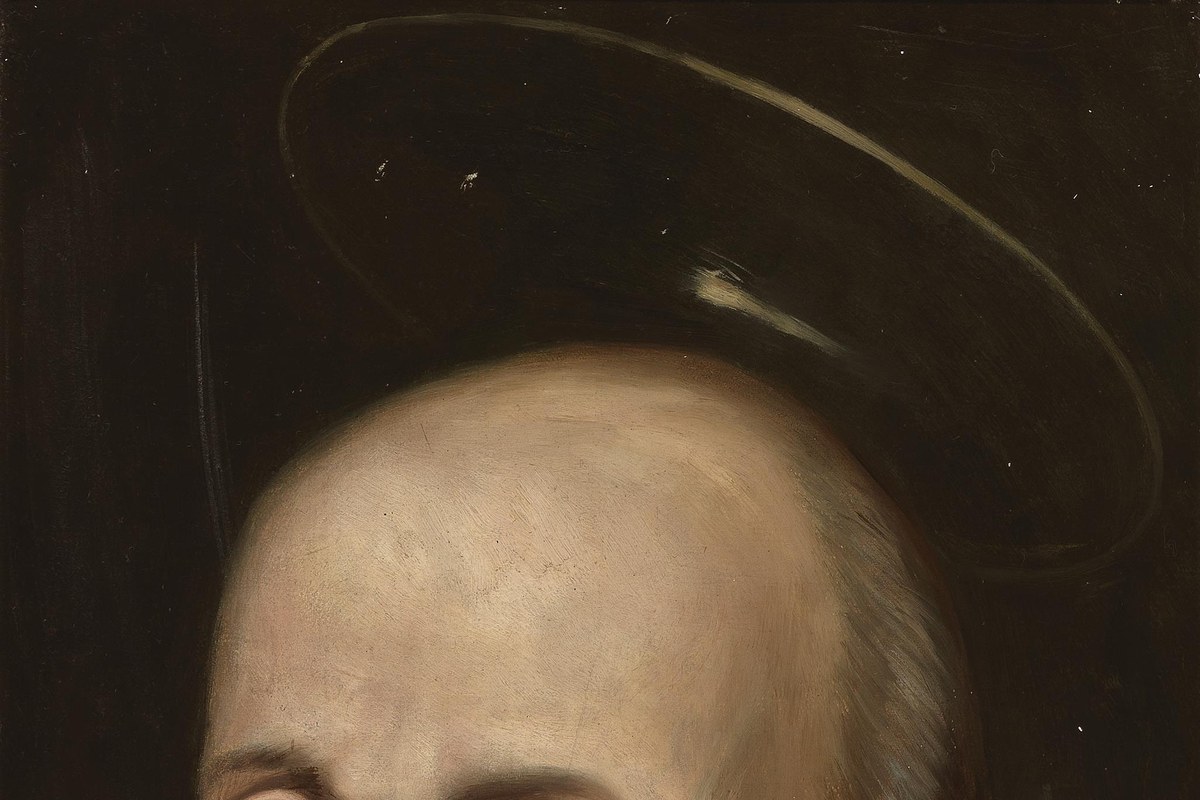
Saint Lawrence Ruiz and Companions, Martyrs

A scribe caught in an accusation
Lawrence Ruiz was born around 1600 in Manila, then the capital of the Spanish colonial Philippines, to a Chinese father and a Filipino mother, both practicing Catholics who had raised him within the faith from childhood. He grew into a respected, literate member of Manila's Chinese-Filipino community, working as a professional calligrapher and scribe, a skilled trade that gave him a stable, comfortable position in colonial Manila society, and he married and had at least two children, by most historical accounts three, establishing an ordinary domestic life that gave no early indication of the extraordinary circumstances that would eventually define his legacy.
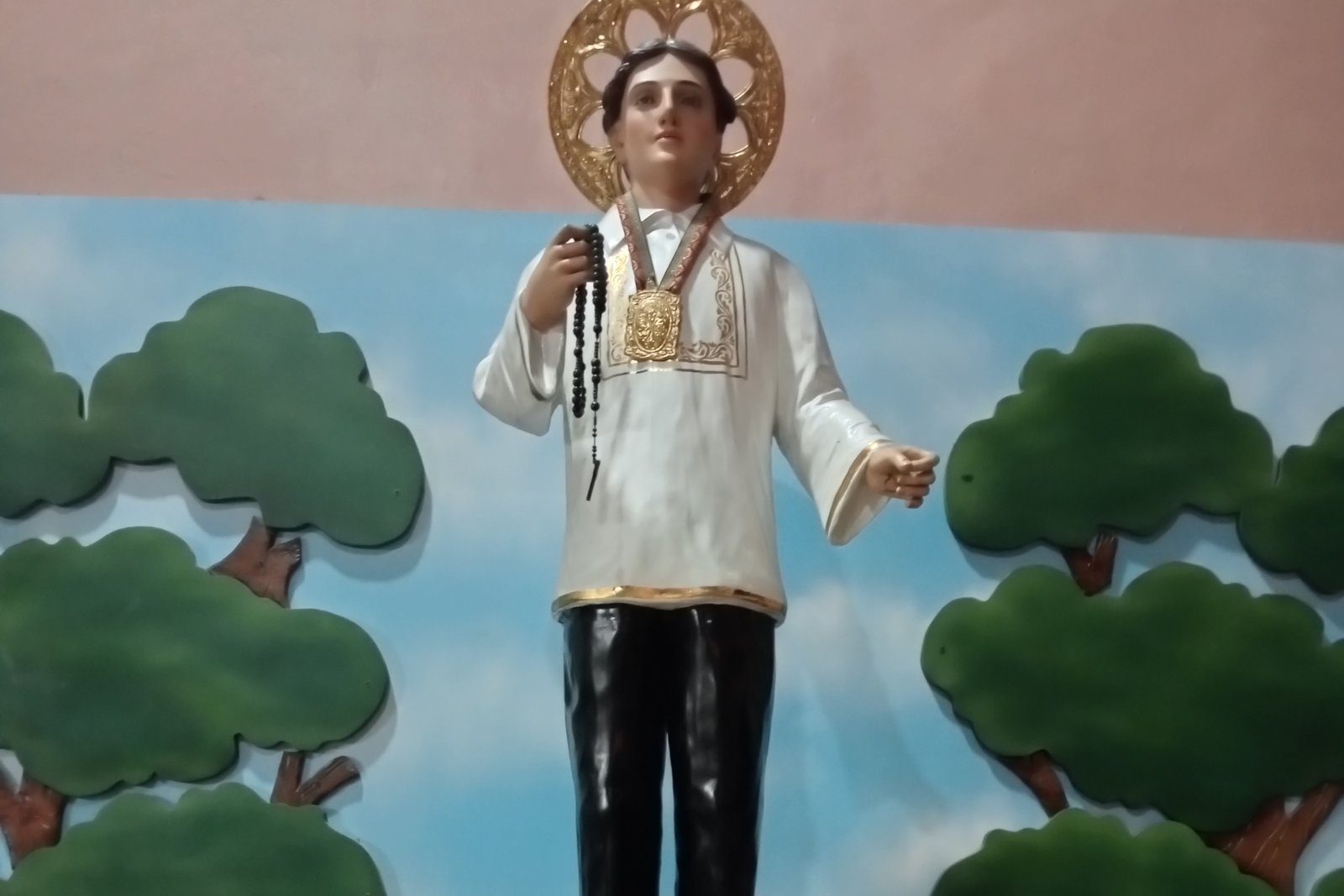
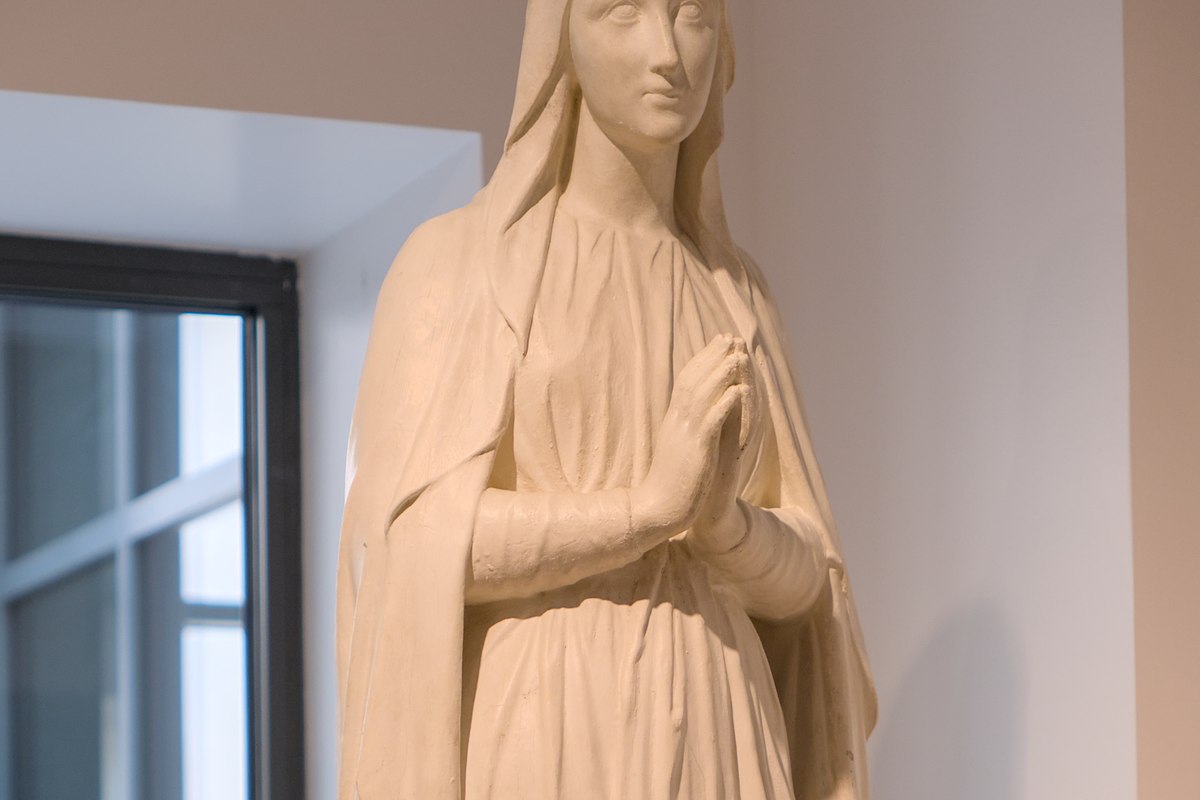
Photo by Ralffralff, "San Lorenzo Ruiz in Binondo Church, Manila," cropped, CC BY-SA 4.0, via Wikimedia Commons.
That ordinary life was disrupted in 1636, when Lawrence was accused, evidently falsely, of killing a Spanish colonist, an accusation serious enough under the harsh colonial legal system of the period that Lawrence sought refuge with a group of Dominican missionaries preparing to depart Manila for missionary work in Japan, joining their ship in what appears to have been, at least initially, an attempt to escape the immediate legal danger at home rather than any deliberate personal calling to missionary martyrdom. Whatever his precise motivations at the moment of departure, the decision placed him directly in the path of one of the deadliest anti-Christian persecutions the Church has ever recorded.
Japan closes its doors to Christianity
Christianity had first arrived in Japan in the mid-sixteenth century through the missionary work of Saint Francis Xavier and subsequent Jesuit and later Dominican and Franciscan missions, and had grown substantially over the following decades, with estimates of several hundred thousand Japanese converts by the early seventeenth century. That growth, however, increasingly alarmed the ruling Tokugawa shogunate, which came to view Christian missionary activity, closely associated in Japanese political thinking with Spanish and Portuguese colonial expansion elsewhere in Asia, as a genuine threat to Japanese sovereignty and internal political stability, compounded by domestic unrest including a major Christian-led rebellion at Shimabara in the 1630s.
The shogunate responded with an escalating series of edicts banning Christianity outright and demanding that practitioners formally renounce their faith through a ritual act called fumi-e, stepping on an image of Christ or Mary to demonstrate apostasy, with severe torture and execution awaiting those who refused. By the time Lawrence Ruiz and his Dominican companions arrived in Japanese waters in 1636, this persecution was already at its most intense and systematic phase, and their missionary group was detected and arrested almost immediately upon reaching Okinawa, then a separate kingdom, before being transferred to mainland Japan for interrogation and trial.
Tsurushi: torture designed to force apostasy
Japanese authorities by this period had developed torture methods specifically engineered not simply to kill Christian prisoners but to break their will and force a formal renunciation of faith, since officials generally regarded a forced recantation as a more effective deterrent than the death of an unrepentant martyr, whose steadfastness might inspire rather than discourage other believers. The method most associated with this final wave of persecution was known as tsurushi, in which prisoners were bound and suspended upside down over a pit, often partially filled with excrement or other waste, with a small incision made near the temple to allow a slow, controlled loss of blood intended to prolong suffering for days rather than hours while keeping the victim conscious and able to recant at any point.
Lawrence Ruiz and his companions were subjected to this method, and Lawrence, according to the surviving accounts of witnesses and later testimony gathered for his cause of canonization, was repeatedly offered release and safety if he would formally renounce Christianity, a straightforward transaction his tormentors offered him at multiple points during his prolonged suffering. He refused consistently, reportedly declaring that he was a Catholic and would die for God, and, had he a thousand lives to give, he would give them all in the same cause. He died from the effects of the torture on September 29, 1637, in Nagasaki.
Fifteen companions, one shared witness
Lawrence Ruiz did not die alone. He was martyred alongside fifteen companions from the same missionary undertaking, a genuinely international group that included Dominican priests and brothers along with laypeople of Japanese, Spanish, French, and Italian origin, among them the Dominican Dominic Ibáñez de Erquicia and the Japanese Dominican priest Lazarus of Kyoto, all facing the same forced choice between apostasy and death during that same brutal wave of persecution. Their shared martyrdom, spread across slightly different dates and circumstances within the broader persecution but united by a single missionary mission and a common witness, has been commemorated together ever since as a single group.
The first Filipino saint
Recognition of Lawrence Ruiz's martyrdom came slowly, in part because reliable documentation of events in a closed, hostile Japan took considerable time to reach Rome and be formally verified through the Church's canonization process. Pope John Paul II beatified Lawrence Ruiz and his fifteen companions in 1981 and canonized them in 1987, a ceremony of particular significance for the Philippines, since it made Lawrence Ruiz the first person from that country ever formally canonized a saint by the Catholic Church, an achievement of considerable national as well as religious significance in a country that remains, to this day, one of the most heavily Catholic nations in Asia.
Their shared feast is celebrated on September 28, and Lawrence Ruiz has since become one of the most venerated and widely invoked saints across the Philippines and the broader Filipino Catholic diaspora, a married layman and ordinary working father whose reluctant journey to Japan, undertaken initially simply to escape a false accusation at home, ended instead in one of the most severe and well-documented martyrdoms of the entire early modern period.
Trivia
Who was Saint Lawrence Ruiz?
Why was Japan persecuting Christians in the 1630s?
How was Lawrence Ruiz martyred?
Who were Lawrence Ruiz's companions who were martyred with him?
When was Lawrence Ruiz canonized, and what is his feast day?
You May Also Like

Related Reading