Saint Margaret of Cortona

A difficult childhood and a scandalous choice
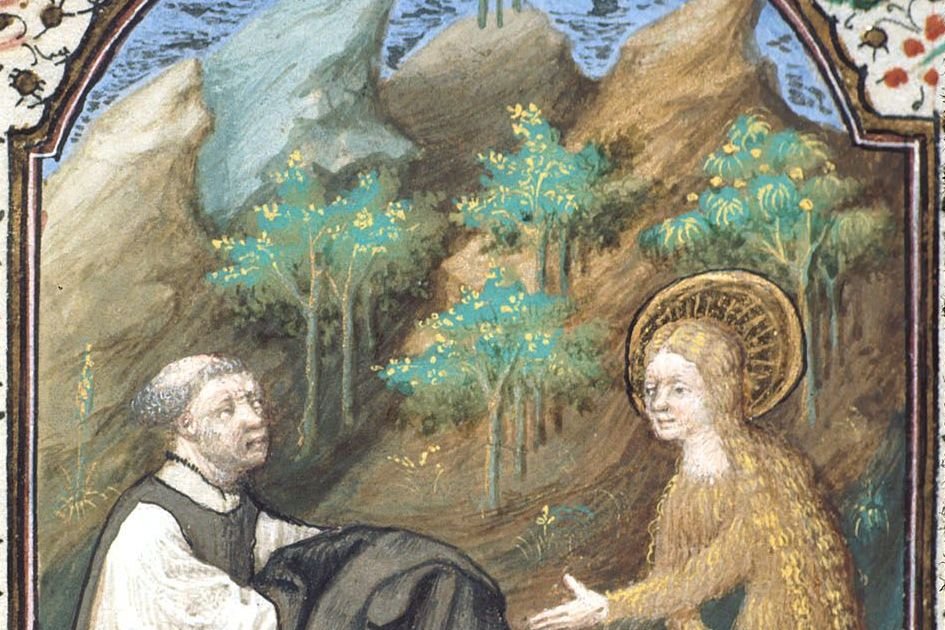
Margaret was born around 1247 in Laviano, a town in the Tuscan countryside near Lake Trasimeno, to a farming family. Her mother died when she was still a child, and her relationship with her father's second wife was, by every surviving account, badly strained — Margaret later described feeling unwanted at home, a wound that likely shaped what came next. As a teenager, she left home and entered into a relationship with a young nobleman from the nearby town of Montepulciano, becoming his companion, without the sanction of marriage, for roughly nine years, during which she bore him a son.
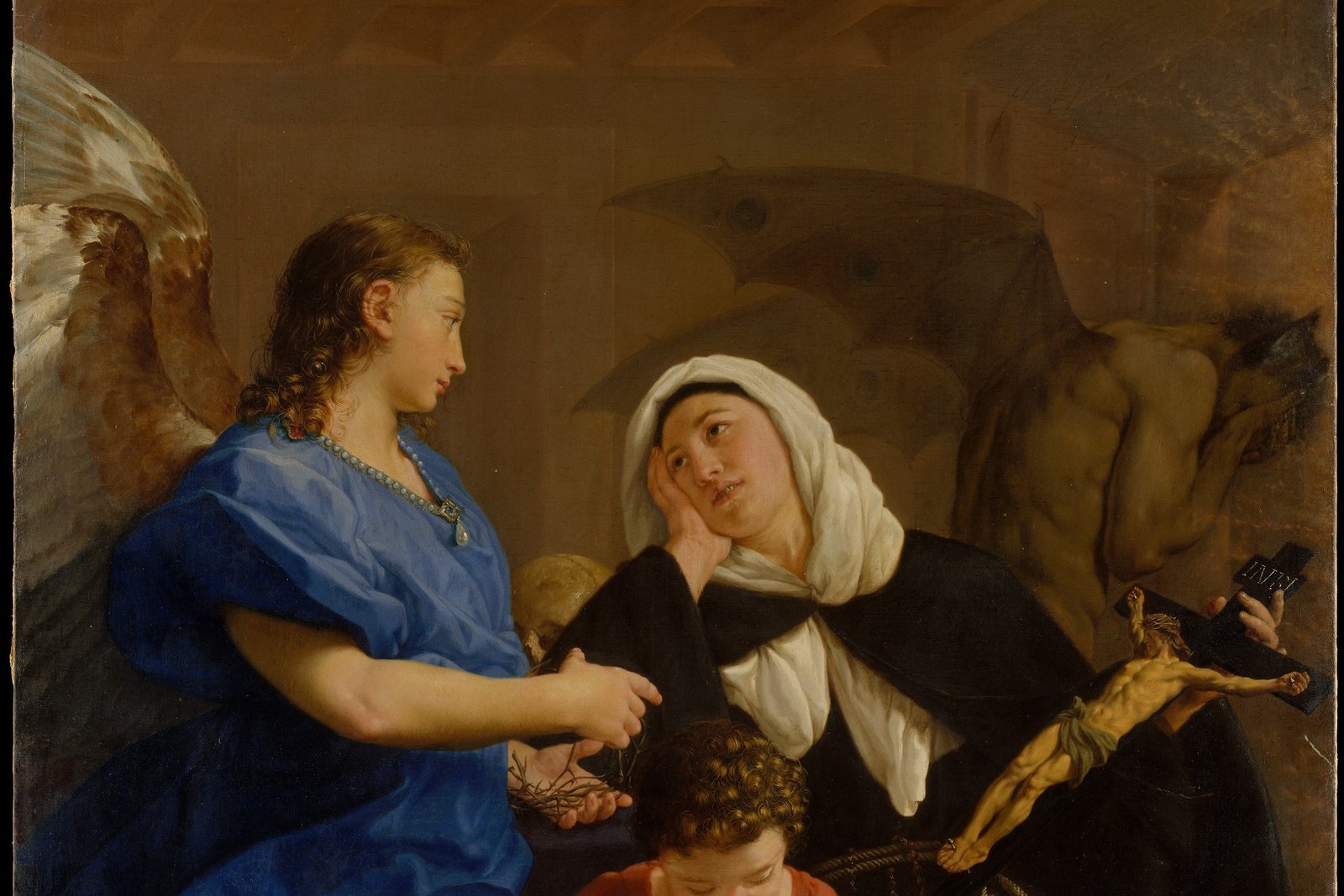
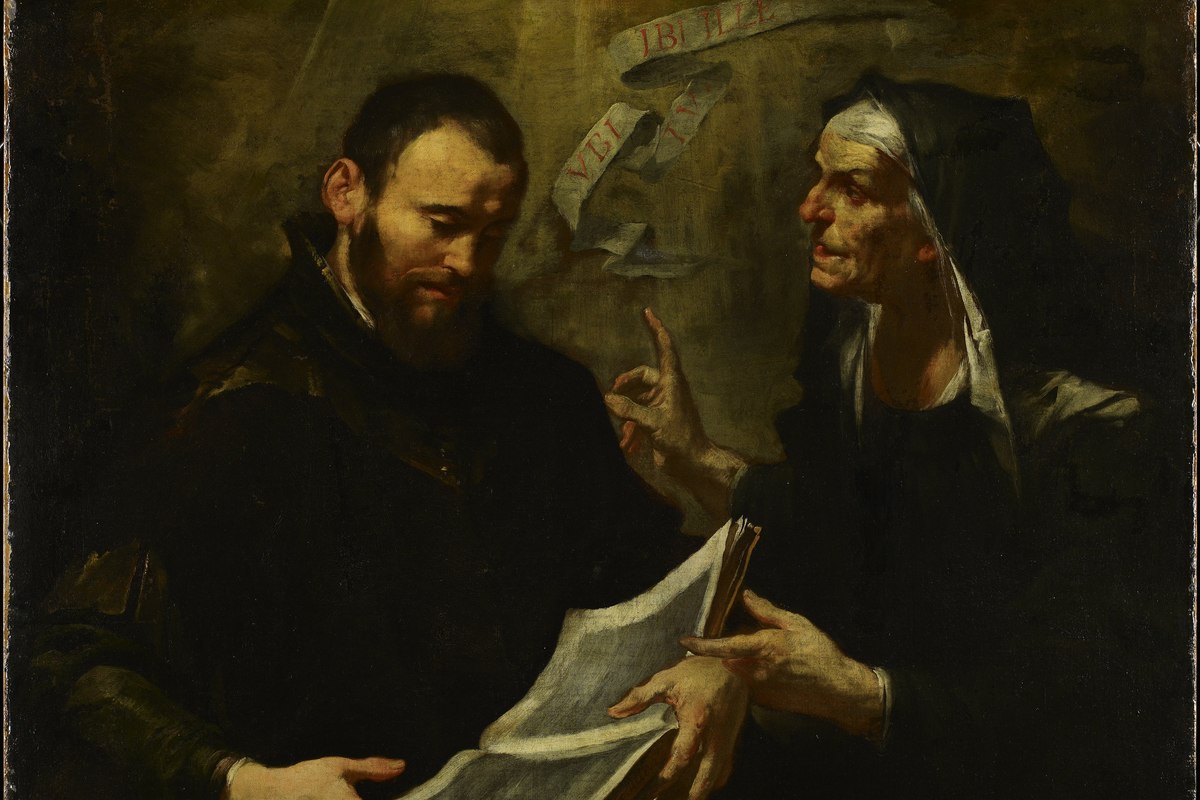
Gaspare Traversi, Saint Margaret of Cortona, c. 1758, The Metropolitan Museum of Art — public domain (CC0).
Whatever affection or security the relationship offered Margaret, it came at a permanent cost to her standing among her own family and community — an unmarried woman living openly as a nobleman's companion was, in thirteenth-century Tuscany, a serious and lasting scandal, one that closed off most respectable paths back into ordinary social life even if the relationship had continued. It did not continue. According to the traditional account passed down through her earliest biographers, Margaret's companion was ambushed and murdered while away on a journey, and it was his hunting dog — behaving strangely and refusing to settle — that eventually led her to the spot in the forest where his body had been hidden.
A public, unflinching penance
The shock of discovering the body is described, across every early account of her life, as the moment that shattered Margaret's old life entirely. She did not simply grieve privately and quietly return home. Instead she gave away what possessions she had, took her young son, and went to the Franciscan friary in the nearby town of Cortona seeking admission to public penance — a formal, visible process of reconciliation with the Church, common enough in medieval practice but rarely undertaken with the intensity Margaret brought to it. The friars, wary of her scandalous reputation and uncertain whether her conversion was genuine or merely a passing crisis, initially refused to accept her.
Margaret persisted, and over the following months and years won over the Franciscan community through the sheer visible seriousness of her penance — fasting, self-denial, and public humility carried to lengths that drew comment even among clergy accustomed to ascetic practice as a normal part of medieval religious life. She was eventually admitted as a Franciscan tertiary, a member of the Third Order — laypeople who commit to a rule of life inspired by Francis of Assisi without taking the full vows of a friar or nun, living out Franciscan spirituality while remaining active in ordinary secular life. It is worth noting plainly, following the Church's own careful distinction between confirmed history and pious tradition, that some details of Margaret's early life — particularly the exact circumstances of the dog leading her to the body — come down through hagiographical retelling rather than independent contemporary documentation, even though the broad outline of her scandalous early life and dramatic later conversion is well attested.
From private penance to public charity
What distinguishes Margaret from a penitent who simply withdrew into private asceticism is how directly her interior conversion translated into sustained public service. She founded a hospital in Cortona dedicated to caring for the poor and sick, and organized a confraternity of laywomen — known as the Poverelle, or "little poor women" — committed to ongoing charitable work among the town's destitute. This was not a brief burst of penitential energy that faded with time; Margaret sustained both the hospital and the confraternity for decades, channeling the same intensity that marked her early penance into practical, lasting institutions that outlived her.
Alongside this active charitable life, Margaret's later biographers describe an increasingly rich interior and mystical prayer life, including reported visions and an especially close devotion to the Crucified Christ, whom she described experiencing in vivid, sorrowful meditation on his Passion — a devotional style shared with other medieval penitents of the period who understood physical penance and mystical prayer as two expressions of the same underlying conversion, rather than separate or competing practices.
Canonization centuries later
Margaret died in Cortona on February 22, 1297, and veneration of her began locally almost immediately, encouraged by the town's Franciscan community and by ordinary residents who had watched her transformation and her charitable work firsthand over more than two decades. Formal canonization, however, took considerably longer to arrive — Pope Benedict XIII canonized her in 1728, well over four centuries after her death, a gap not unusual for medieval penitents whose causes lacked the institutional backing that better-connected candidates for sainthood often received more quickly.
Her feast is kept on February 22, and she remains a particularly resonant figure for anyone who associates sanctity only with people who never had a complicated or scandalous past — Margaret's story insists, instead, that the most serious sin is not disqualifying, and that even a dramatic fall can become the starting point for an equally dramatic and lasting conversion.
Trivia
Who was Saint Margaret of Cortona?
What happened to end Margaret's relationship with the nobleman?
Why was Margaret's conversion considered so dramatic even by medieval standards?
What charitable work is Margaret of Cortona known for?
When was Margaret of Cortona canonized?
You May Also Like
Related Reading