The Surrender Novena: “Jesus, You Take Care of It”

A priest who wrote about surrender because he needed it himself
Dolindo Ruotolo was born in Naples in 1882 and ordained a priest known for deep, sometimes difficult personal piety. His life included real hardship: for a period, Church authorities restricted his public ministry over concerns about some of his writings, a trial he reportedly bore without renouncing his priesthood or his obedience to the Church. He's remembered less for any single dramatic event than for the sheer volume of his spiritual writing, much of it centered on one recurring theme — that most human suffering is compounded, not caused, by the compulsion to control outcomes rather than trust them to God. He died in 1970, and the Church has since named him a Servant of God, the first formal step toward possible future canonization, though his cause has not progressed to beatification.
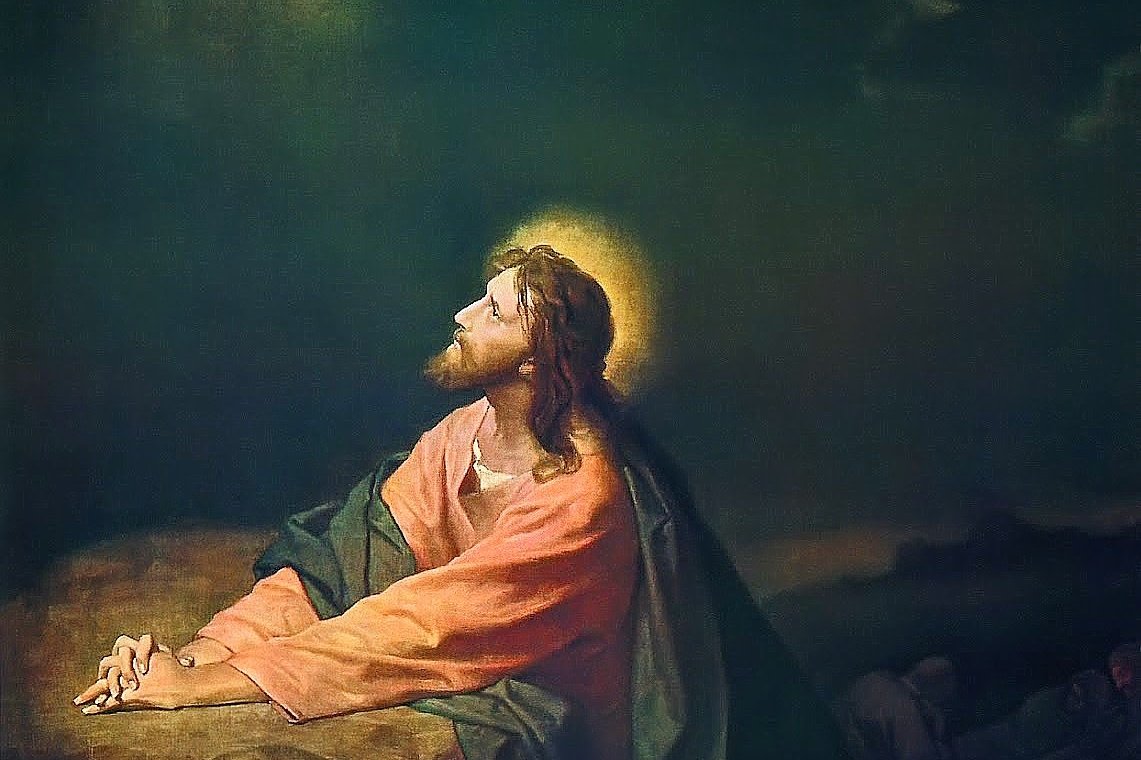
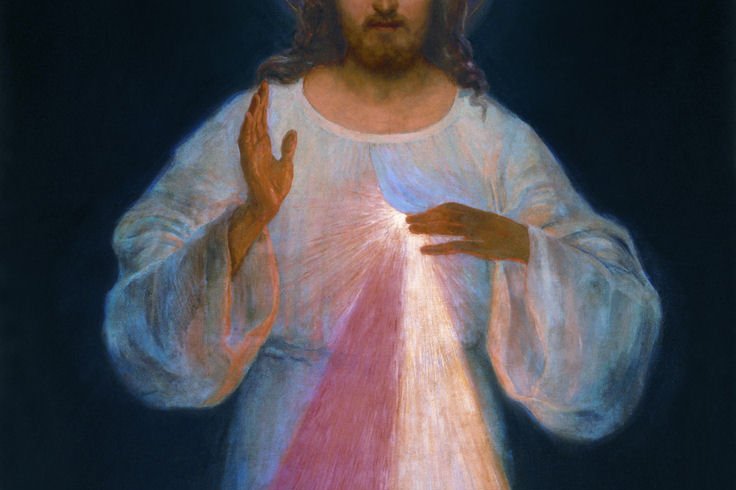
Heinrich Hofmann, Christ in Gethsemane, 1886 — public domain.
The Surrender Novena is drawn from meditations Ruotolo attributed to private inspiration — passages written as though Jesus were speaking directly to the reader about the specific problem of worry. This places the novena in the same category as other Catholic devotions built on reported private revelation, distinct from Scripture and Tradition, which the Church holds closed since the apostolic age (CCC 67). Nothing in Catholic teaching requires belief in the literal origin of these words; what has made the novena widely used is simply how directly its central image speaks to an almost universal experience — the exhausting attempt to manage a problem that refuses to be managed.
The one line repeated throughout
Each of the nine days follows the same basic shape: a short meditation, several paragraphs long, followed by the same repeated prayer said ten times: "O Jesus, I surrender myself to you, take care of everything!" In Italian, the phrase most closely tied to Ruotolo's memory is shorter still — Gesù, pensaci Tu, "Jesus, you take care of it" — a plain, almost conversational request rather than an elaborate formula. Each day closes with a short prayer to Mary: "Mother, I am yours now and forever. Through you and with you I always want to belong completely to Jesus."
What the meditations actually say
The nine days build an argument, not just a mood. The first day opens bluntly: "Why do you confuse yourselves by worrying? Leave the care of your affairs to me and everything will be peaceful... every act of true, blind, complete surrender to me produces the effect that you desire and resolves all difficult situations." The second day sharpens the distinction between surrender and mere passivity, comparing anxious self-management to a child interrupting their own mother's care: "It is like the confusion that children feel when they ask their mother to see to their needs, and then try to take care of those needs for themselves... Surrender means to placidly close the eyes of the soul... so that only I act."
Later days connect this directly to the Our Father, reading its familiar petitions as a template for surrender rather than a request for a specific outcome: "'Thy will be done on earth as it is in heaven,' that is, in our need, decide as You see fit for our temporal and eternal life. If you truly say to Me, 'Thy will be done,' which is the same as saying, 'You take care of it,' I will intervene with all My omnipotence." Another day addresses worsening circumstances directly — illness, growing trouble — answering worry not with a promise that nothing bad will happen, but with a repeated instruction to close one's eyes and hand the outcome over again: "I say to you that I will take care of it, and that there is no medicine more powerful than My loving intervention."
How to pray it
Praying the novena means reading one day's short meditation, then repeating the surrender prayer ten times, once a day for nine consecutive days — a pattern similar in structure to the Sacred Heart Novena, though built around a single sentence rather than three petitions. There's no fixed calendar date attached to it, unlike novenas tied to a feast day; it's most often prayed whenever a specific worry or crisis makes the themes feel urgent, and many who pray it repeat the full nine days more than once over the course of a difficult season rather than praying it only once.
Trust that doesn't erase responsibility
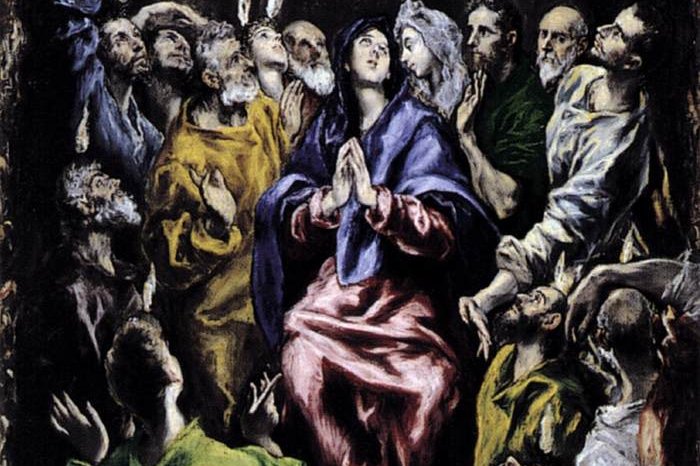
It would be easy to misread "surrender" here as an excuse to disengage — to stop making decisions, stop seeking help, stop doing the ordinary work a hard situation requires. The meditations themselves push back against that reading directly, distinguishing surrender from a "worried prayer" that still tries to script God's response. What they ask for instead is a kind of trust that keeps acting responsibly in the world while releasing the exhausting, often futile effort to control what was never within one's power to control in the first place — the same posture, in miniature, that the apostles are described holding during the nine days before Pentecost: waiting, without knowing exactly how or when help would come, and trusting that it would.
Trivia
Who was Father Dolindo Ruotolo?
What is the central prayer of the Surrender Novena?
Is the Surrender Novena an officially approved Church devotion?
How is 'surrender' in this novena different from giving up or doing nothing?
Can the Surrender Novena be prayed for any need, or is it meant for a specific kind of situation?
Related Reading