The World's Most-Visited Catholic Pilgrimage Sites

A short list of very crowded holy places
Most pilgrimage sites draw a steady trickle of visitors year-round. A handful draw floods. What follows is a look at six of the most-visited Catholic destinations on earth — not a ranking so much as a set of very different reasons crowds keep showing up, from a centuries-old image on a cloak to an apparition witnessed by three shepherd children in living memory.
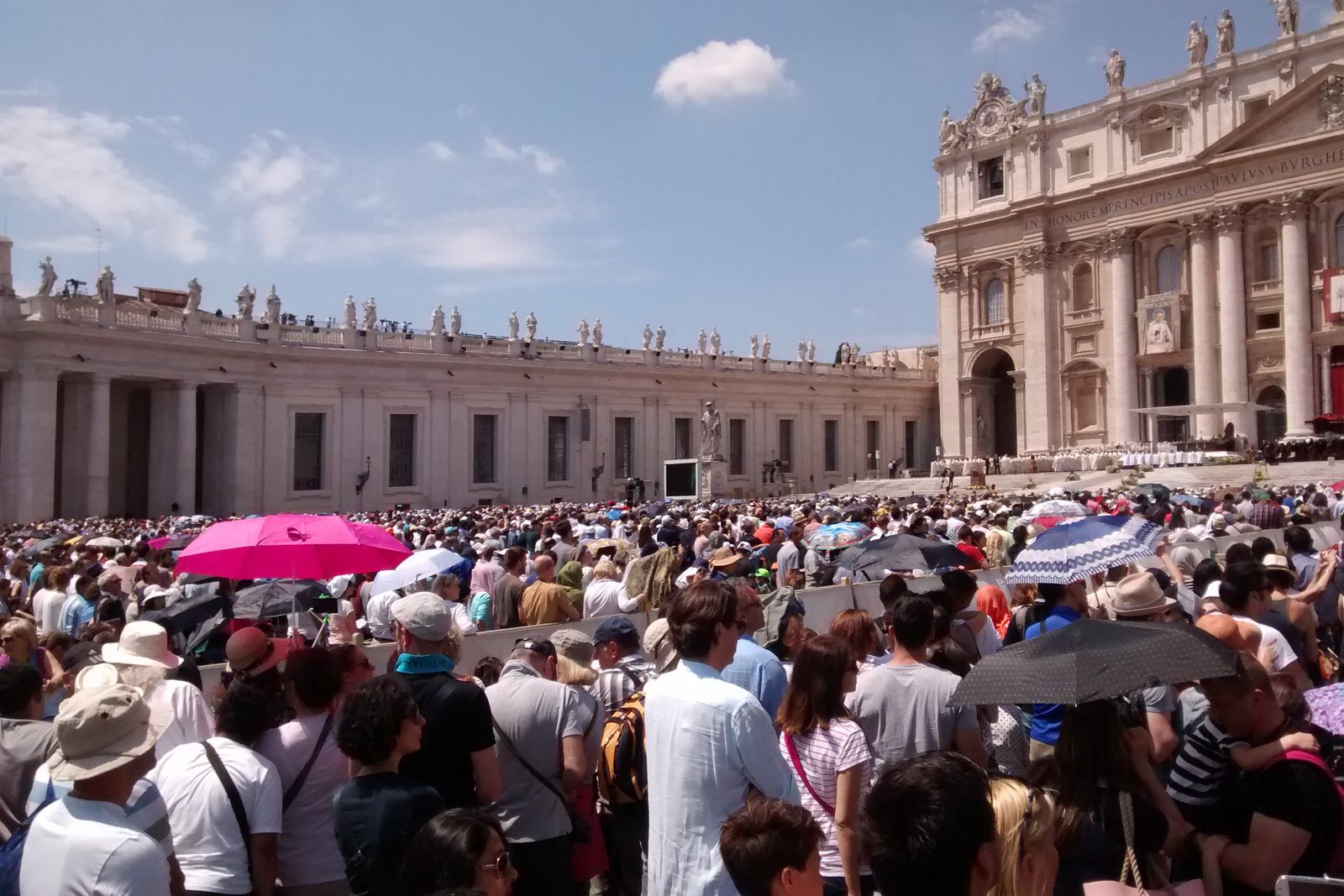
Photo by Mx. Granger, 2016 — CC0, Wikimedia Commons.
Basilica of Our Lady of Guadalupe, Mexico City
No Catholic site on the planet pulls in visitor numbers quite like the Basilica of Our Lady of Guadalupe. Built around the tilma tradition holds was imprinted with an image of Mary during Juan Diego's 1531 apparitions, it functions less like a single church and more like a permanent national pilgrimage in progress — pilgrims arrive on foot, by bicycle, on their knees across the plaza, and by the busload, every single day of the year. The numbers spike hardest around December 12, the feast of Our Lady of Guadalupe, when the surrounding streets fill with what are routinely among the largest religious gatherings anywhere in the world. Guadalupe's pull isn't only devotional; it's tied to Mexican and broader Latin American identity in a way few shrines anywhere can match.
Grotto of Massabielle, Lourdes
The Grotto of Massabielle at Lourdes draws several million visitors a year to a small town in the French Pyrenees for one specific reason: in 1858, a fourteen-year-old named Bernadette Soubirous reported eighteen apparitions of a lady who identified herself as the Immaculate Conception, and a spring emerged from the grotto floor during one of them. The Church has since documented dozens of healings associated with the water as scientifically inexplicable, and while formal miracle recognition is rare and cautious, the pilgrimage traffic has never depended on that process — sick and healthy alike come to bathe in the baths, join the torchlight Marian processions, and pray at the grotto itself, keeping Lourdes one of the most continuously active pilgrimage sites in the Catholic world.
St. Peter's Basilica and the Vatican
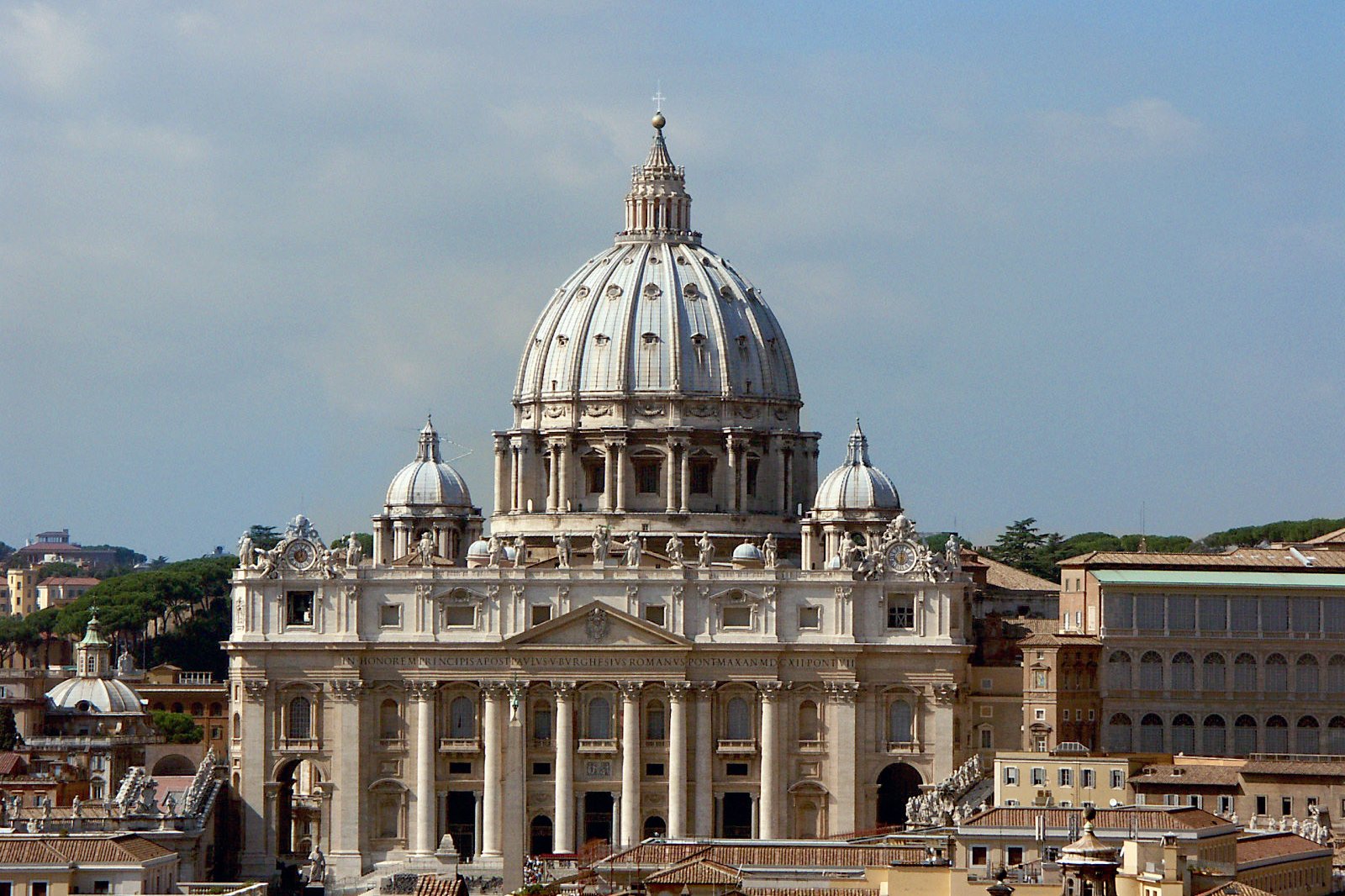
St. Peter's Basilica occupies an unusual category: it's simultaneously one of the world's great tourist attractions and a working pilgrimage destination, and the Church treats that overlap as entirely normal rather than a tension to resolve. Built over the traditional burial site of the apostle Peter — a claim archaeology beneath the basilica, in what's now called the Vatican Necropolis, has done a great deal to support — it draws crowds for papal audiences, for the Sistine Chapel next door, and, during jubilee years, for pilgrims specifically seeking the indulgence tied to passing through the basilica's Holy Door. Along with the other Four Papal Basilicas of Rome, it anchors what remains, alongside Jerusalem, the oldest continuously visited pilgrimage destination in Christian history.
Sanctuary of Our Lady of Fátima, Portugal
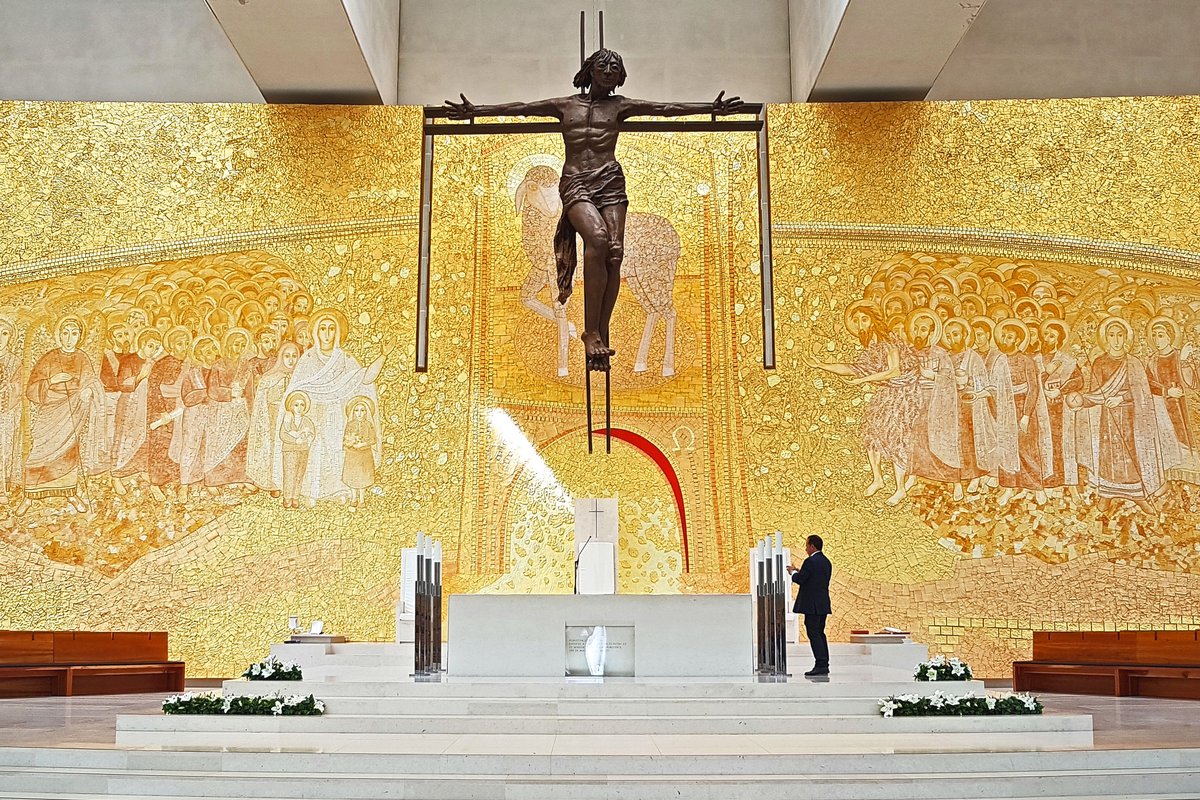
The Sanctuary of Our Lady of Fátima marks the site of the 1917 Marian apparitions to three shepherd children — Lúcia, Francisco, and Jacinta — and draws several million pilgrims a year to a stretch of Portuguese countryside that was, before 1917, largely unremarkable. The crowds peak hardest on the anniversary dates of the apparitions, especially May 13 and October 13, when hundreds of thousands can gather for a single vigil. Fátima's pull is strengthened by how thoroughly the Church has investigated and embraced it: two of the three visionaries have since been canonized, and the site's message of prayer, penance, and the rosary remains one of the most widely promoted Marian devotions in the modern Church.
Santiago de Compostela Cathedral, Spain
Unlike the sites above, Santiago de Compostela Cathedral draws its crowds through the journey as much as the destination. It sits at the terminus of the Camino de Santiago, a network of medieval routes converging on the traditional tomb of the apostle St. James, and while the numbers arriving on foot each year number in the hundreds of thousands rather than the millions seen at Guadalupe or Lourdes, the Camino's cultural reach is enormous — a genuinely ecumenical and even secular audience walks it now alongside traditional pilgrims, drawn by the physical challenge as much as the religious history, though the cathedral itself still functions as a working shrine with its famous swinging censer, the botafumeiro, at major pilgrim Masses.
Jasna Góra Monastery, Częstochowa
In Poland, the Jasna Góra Monastery in Częstochowa plays a role that goes beyond ordinary pilgrimage traffic — it's arguably the spiritual center of an entire nation's Catholic identity. The monastery houses the Black Madonna icon, credited in Polish tradition with the monastery's survival during a 1655 Swedish siege, and draws millions of visitors annually, including massive youth pilgrimages that walk there on foot from cities across Poland, some journeys lasting over a week. Its closest parallel among the sites above may be Guadalupe: both function as much as a symbol of national Catholic identity as a shrine in the ordinary sense.
What the numbers actually mean
Visitor totals at these sites are notoriously hard to verify with precision — open plazas and basilicas don't have turnstiles, and estimates vary widely between sources. But the rough scale is consistent across every serious count: tens of millions of people a year, across just these six sites, still choose to travel toward a specific holy place rather than pray at home. That persistence, more than any single number, is what actually tells the story.
Trivia
What is the most-visited Catholic pilgrimage site in the world?
Why do so many people visit Lourdes every year?
Is the Vatican considered a pilgrimage site or just a tourist destination?
How many people visit Fátima each year?
What makes Częstochowa's Jasna Góra monastery such a major pilgrimage site?
Related Reading