Why Do Catholics Go on Pilgrimage?

A journey that isn't really about the destination
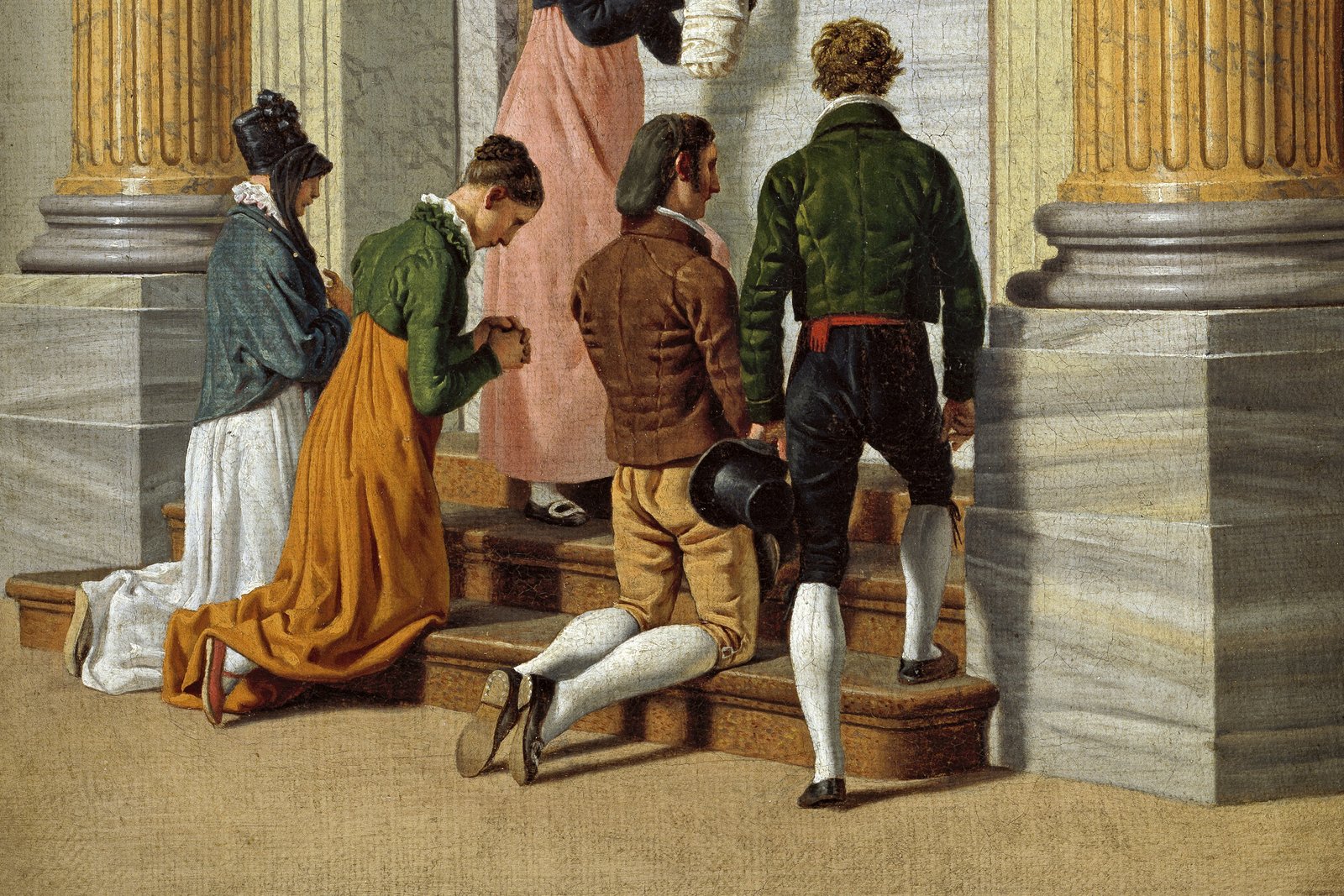
Ask a pilgrim why they went, and the honest answer is rarely a straight line. People walk the Camino for a grandmother's intention, or because a marriage is falling apart, or because nothing dramatic is wrong at all and they just want to remember what conviction feels like. The destination matters — a grotto, a tomb, a basilica — but the Church has always taught that the value of pilgrimage lies as much in the going as the arriving. The road itself becomes part of the prayer: the blisters, the waiting, the strangers who become companions for a few miles, all of it folded into an act of worship that a Sunday drive to church doesn't require.
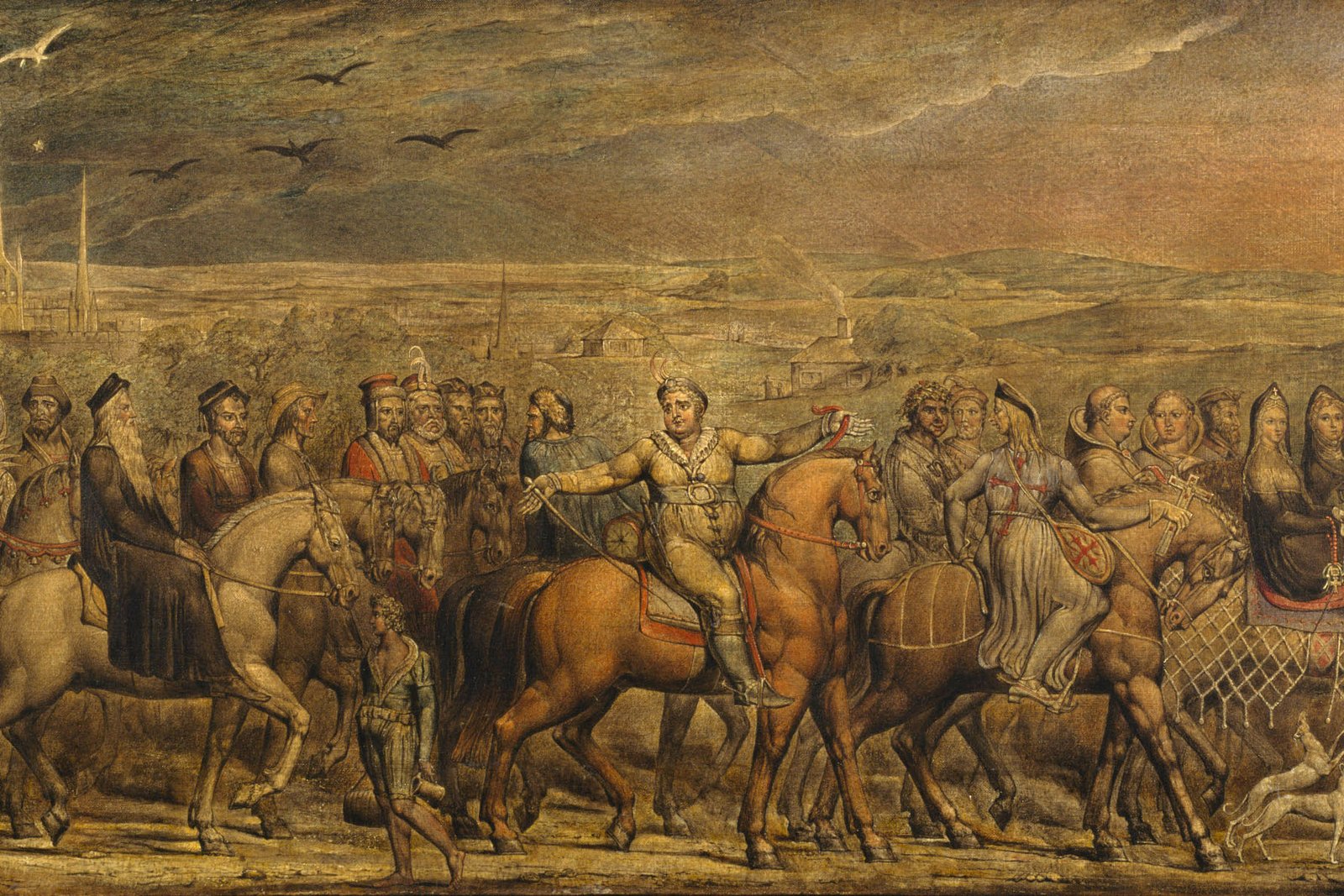
William Blake, The Canterbury Pilgrims, 1808 — public domain.
That's not sentimentality tacked onto an otherwise ordinary trip. It reflects something the Church has held since its earliest centuries: that physical places and physical effort can carry spiritual weight, that faith is incarnational rather than purely mental, and that walking toward something sacred can form a soul the way sitting still rarely does.
The pattern is older than Christianity
Long before the word "pilgrimage" existed, the practice did. The Law given to Israel required every man to appear before the Lord in Jerusalem three times a year — "at the feast of Unleavened Bread, at the feast of Weeks, and at the feast of Booths," and never to arrive empty-handed (Deuteronomy 16:16). This wasn't incidental; it was structural to how the covenant people related to God. Presence in a specific place, at a specific time, mattered.
The Gospels show that pattern still very much alive in Jesus's own family. Luke records that "each year his parents went to Jerusalem for the feast of Passover" (Luke 2:41) — the trip during which the twelve-year-old Jesus was found teaching in the Temple. Jesus was raised inside a pilgrimage culture, not apart from one. When the early Church later began journeying to the places of his life, death, and resurrection, it wasn't inventing a new religious behavior so much as redirecting an old one toward its fulfillment.
Rome, the Holy Land, and the roads between them
Once Christianity could be practiced openly after the fourth century, pilgrim traffic to the sites of Christ's life exploded. Travelers went to the Church of the Holy Sepulchre in Jerusalem, believed to enclose both Golgotha and the tomb of the resurrection, and to the Basilica of the Nativity in Bethlehem, built over the cave tradition identifies as Christ's birthplace. Egeria, a fourth-century pilgrim whose travel diary survives, describes walking these same roads and attending the same liturgies that still happen there today — an unbroken thread running back over sixteen centuries.
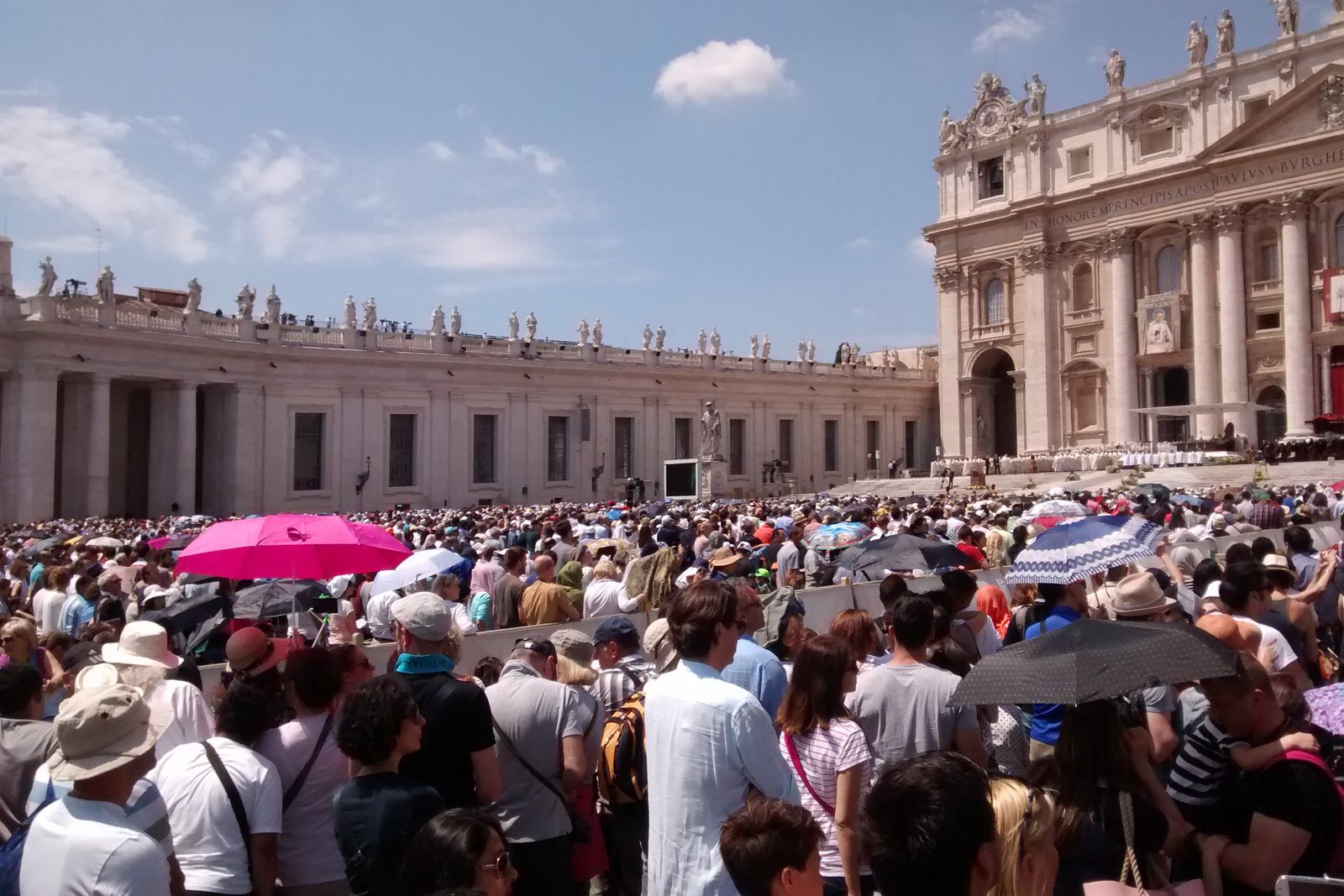
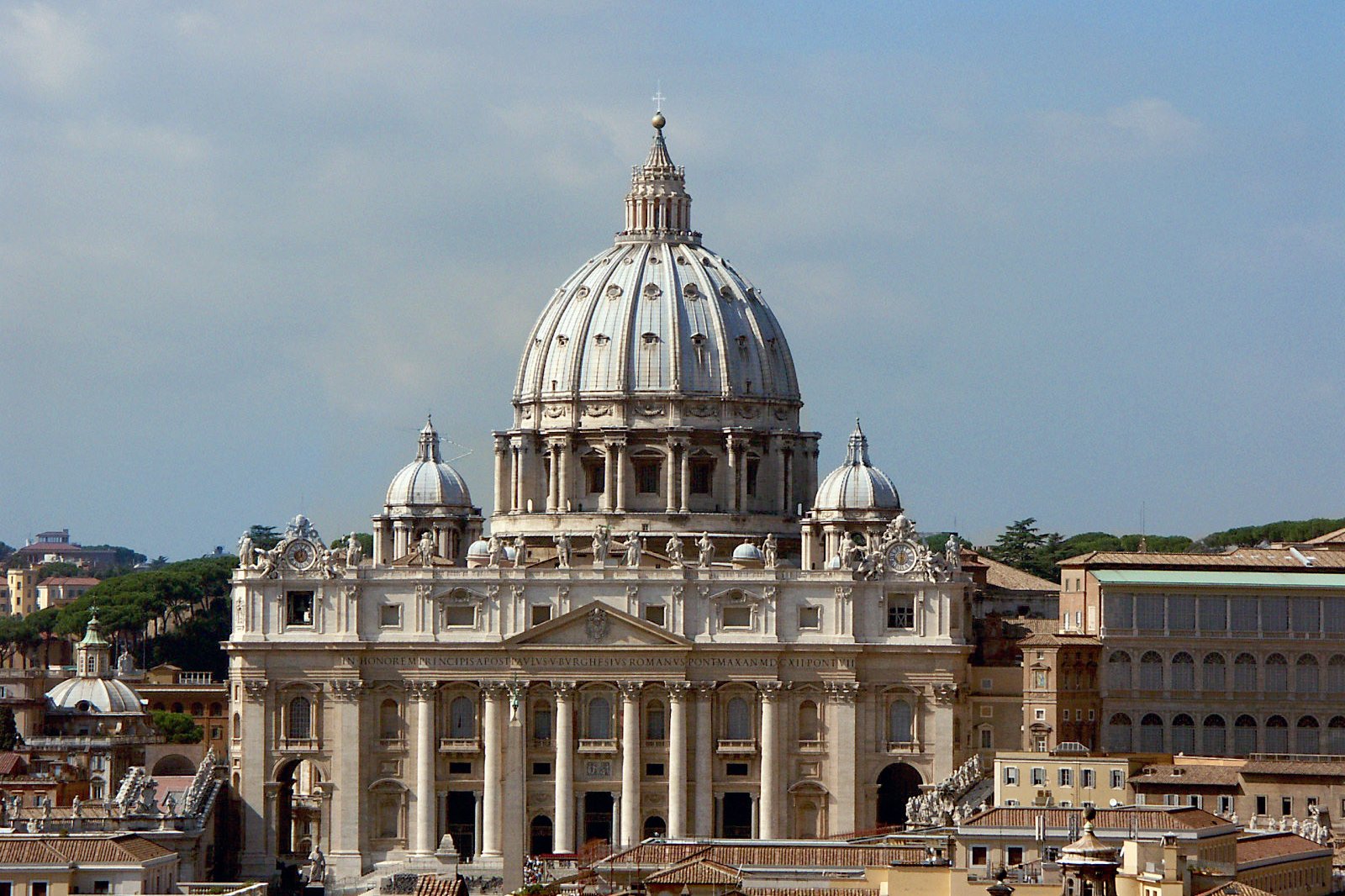
Rome developed its own gravitational pull for a different reason: it held the bones of the apostles. Pilgrims descended into the Catacombs of Rome to pray among the tombs of the earliest martyrs, and later visited the great basilicas built over apostolic graves — St. Peter's Basilica chief among them, along with St. John Lateran, St. Paul Outside the Walls, and St. Mary Major — a set of churches still known collectively today as the Four Papal Basilicas of Rome. A tour beneath the current basilica even reaches the excavated ground level archaeologists identify with St. Peter's own grave, in what's now called the Vatican Necropolis.
The medieval road network
By the Middle Ages, pilgrimage had become one of Europe's great organizing institutions — a reason roads got built, inns got founded, and towns grew rich on travelers passing through. The most famous of these routes, the Camino de Santiago, carried medieval Christians across the width of Spain toward the relics of St. James at Santiago de Compostela Cathedral, a walk of weeks or months that remains, remarkably, just as active today — hundreds of thousands of people still complete it every year, many for reasons no different from a ninth-century pilgrim's.
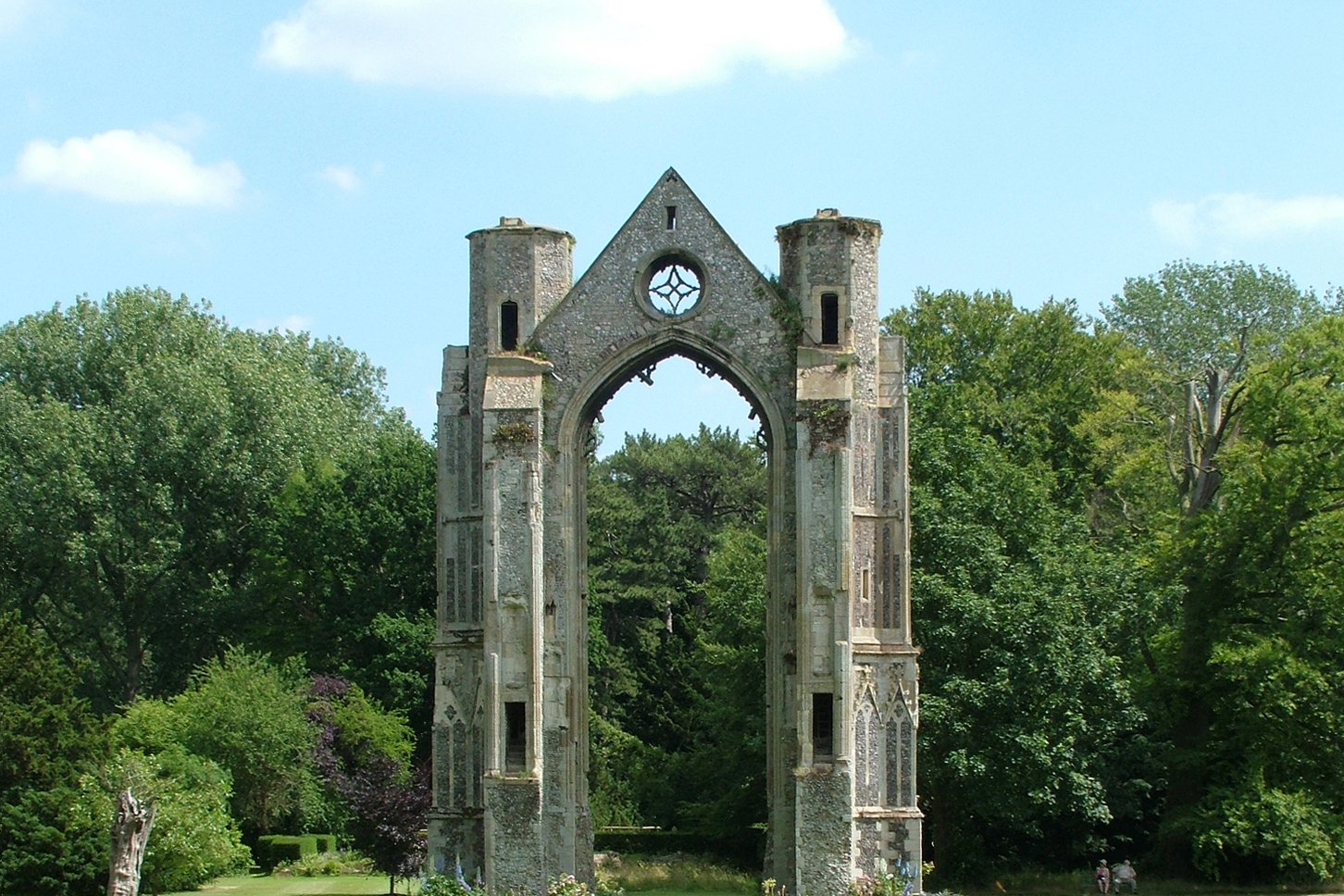
Other routes carried travelers toward Italy's own holy sites: the Basilica of Saint Francis of Assisi and the humble Porziuncola chapel nearby, or south to Monte Cassino Abbey, the mother house of Western monasticism. England had its own network centered on Canterbury Cathedral, the setting Chaucer immortalized in The Canterbury Tales, and later, after its destruction and quiet revival, the Shrine of Our Lady of Walsingham.
What pilgrimage looks like now
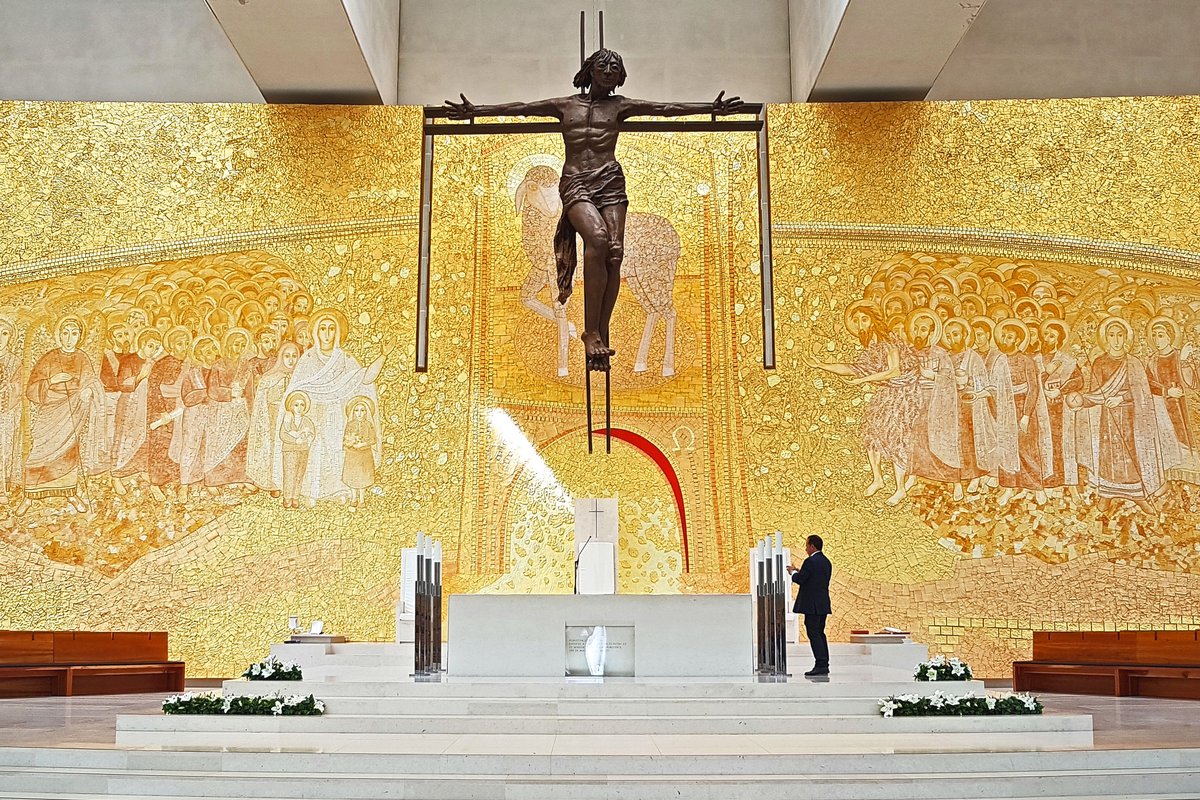
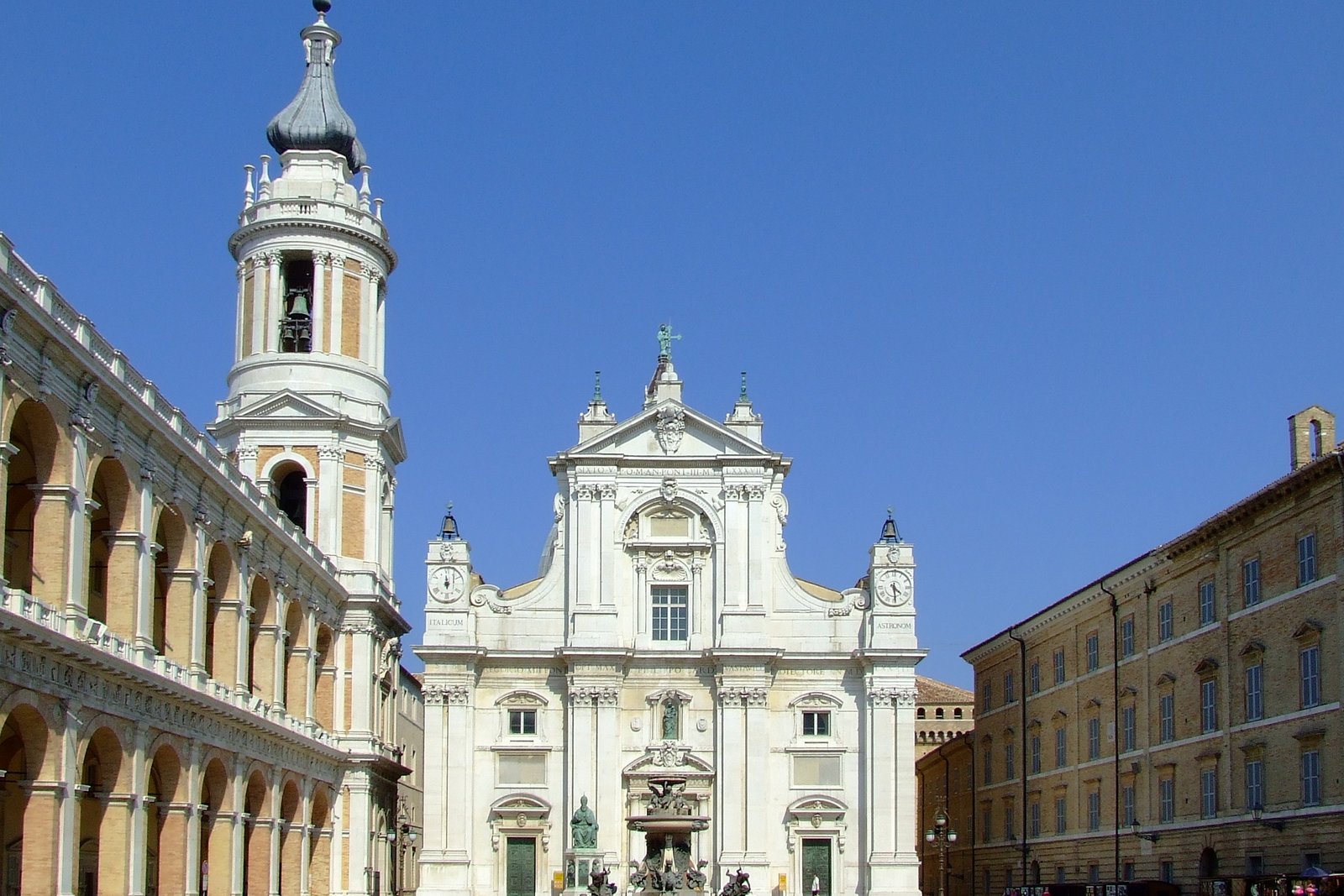
Modern pilgrimage rarely means walking for a month with a staff and a scallop shell, though some still choose exactly that. More often it means a chartered bus to Lourdes or the Sanctuary of Our Lady of Fátima, a flight to Mexico City to stand before the tilma at the Basilica of Our Lady of Guadalupe, or a parish trip that combines several stops across Italy or the Holy Land into a single itinerary. Jubilee years still draw enormous crowds to Rome specifically to pass through the Holy Doors of the papal basilicas, a practice tracing back to the medieval indulgence tradition.
What hasn't changed is the underlying logic. The Letter to the Hebrews describes Christian life itself as a race run "surrounded by so great a cloud of witnesses" (Hebrews 12:1) — an image of communal effort stretching back through history. A pilgrimage makes that image literal for a few days or weeks: a physical journey undertaken alongside strangers, toward a place where, Catholics believe, heaven has touched earth in some particular and memorable way. The trip ends. What it's meant to start rarely does.
Trivia
Why do Catholics go on pilgrimage instead of just praying at their local parish?
Is pilgrimage required for Catholics?
What is the biblical basis for Catholic pilgrimage?
What's the difference between a pilgrimage and a vacation to a religious site?
What are the most famous Catholic pilgrimage routes today?
Related Reading