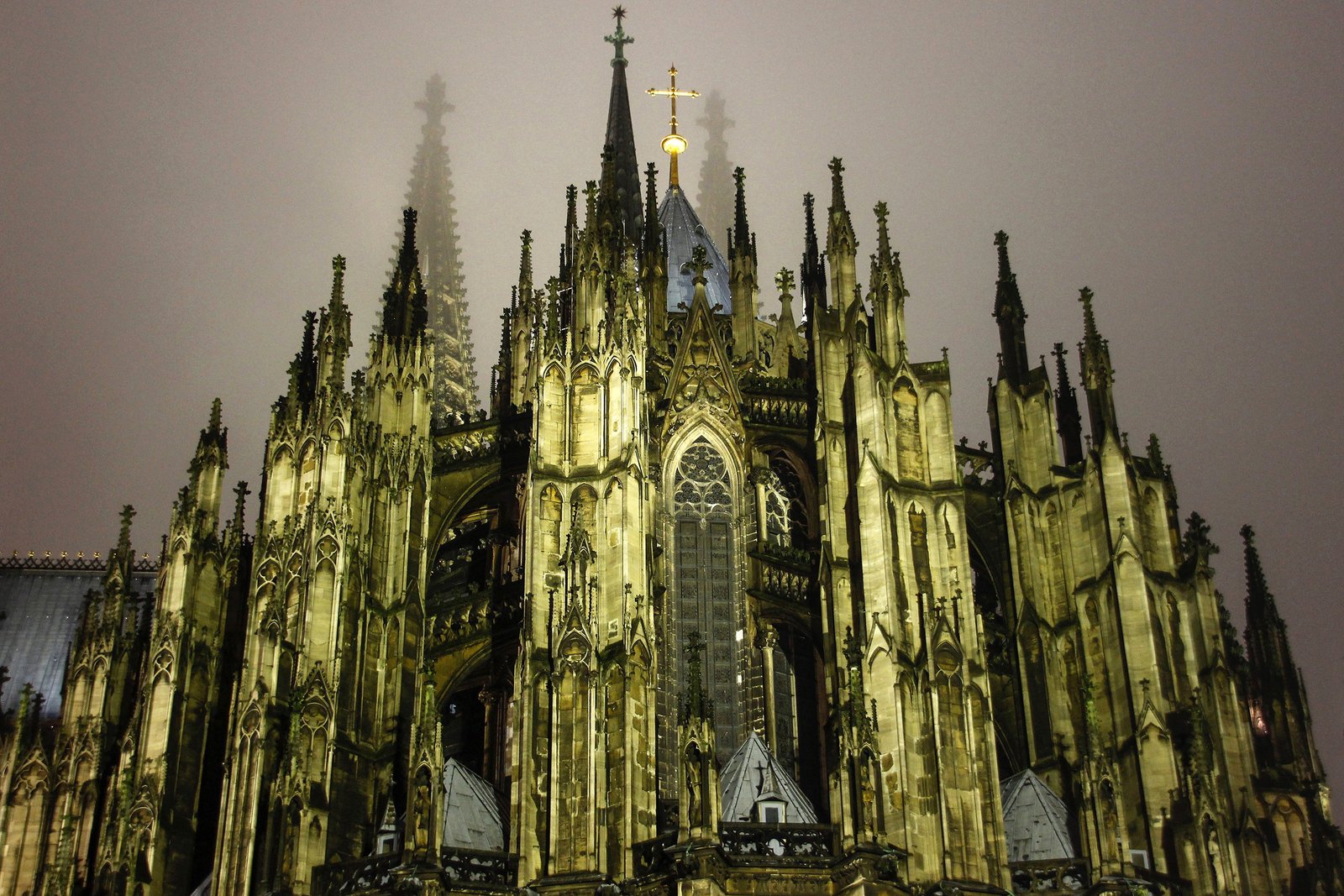
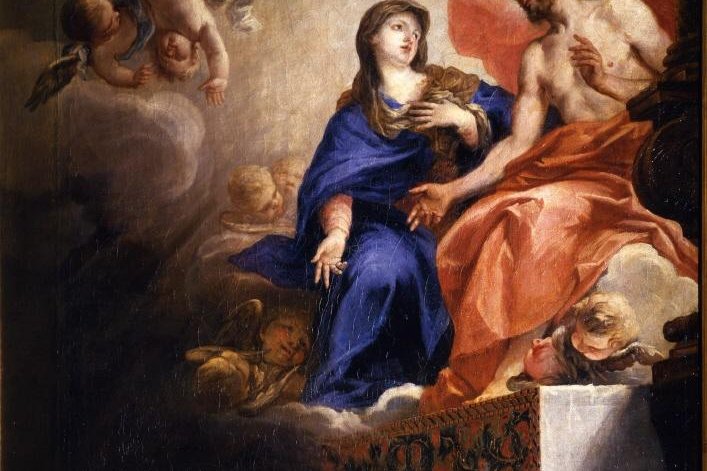
Assisi's Basilica of Santa Chiara

A Noblewoman Who Chose Poverty
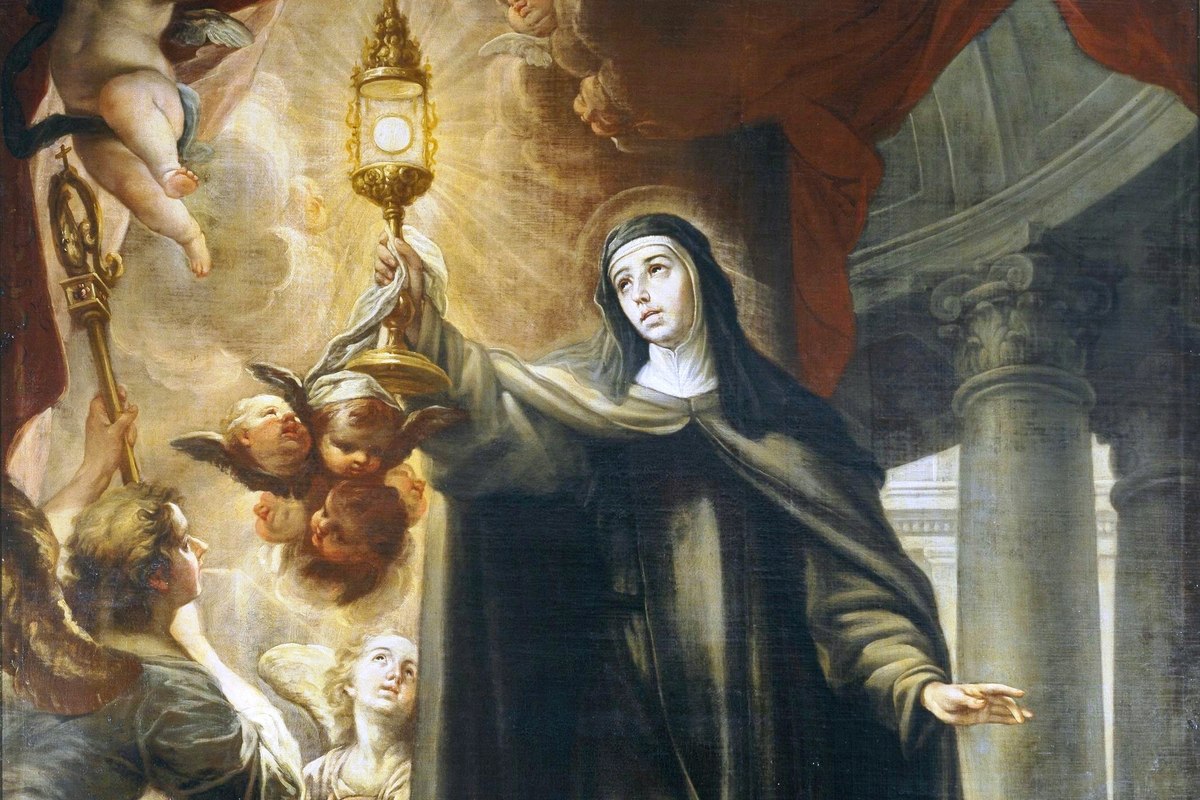
Clare was born around 1194 into a noble Assisi family, and by every convention of her time she was destined for an advantageous marriage. Instead, at eighteen, drawn by the radical preaching of Francis of Assisi — himself the son of a wealthy cloth merchant who had abandoned material comfort to live and preach poverty — Clare secretly left her family's home on Palm Sunday in 1212 to join Francis's fledgling movement. Francis cut her hair himself and clothed her in a plain habit, a decisive break with the life her family had planned for her, and one that reportedly provoked her relatives to attempt, unsuccessfully, to drag her back home by force.
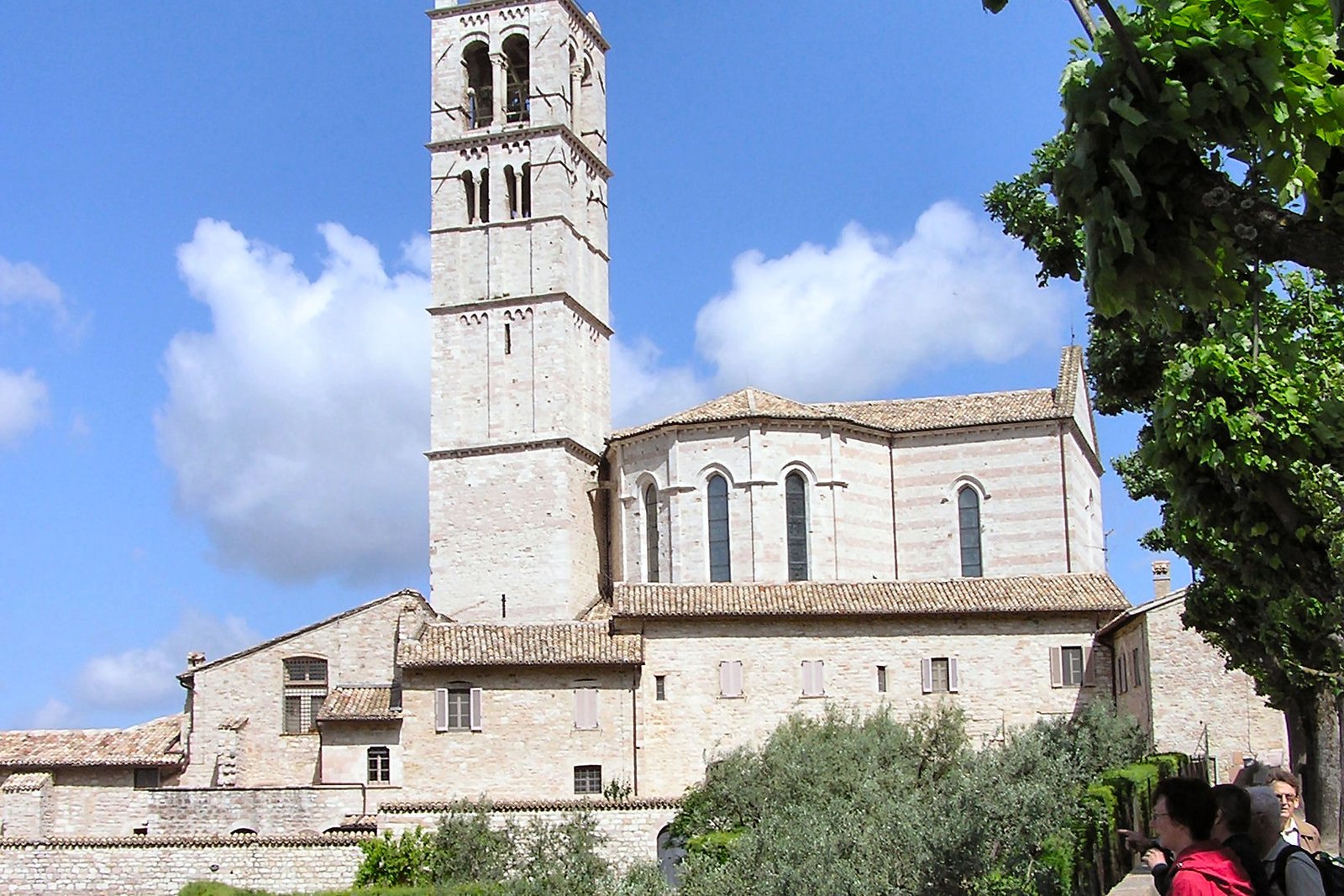
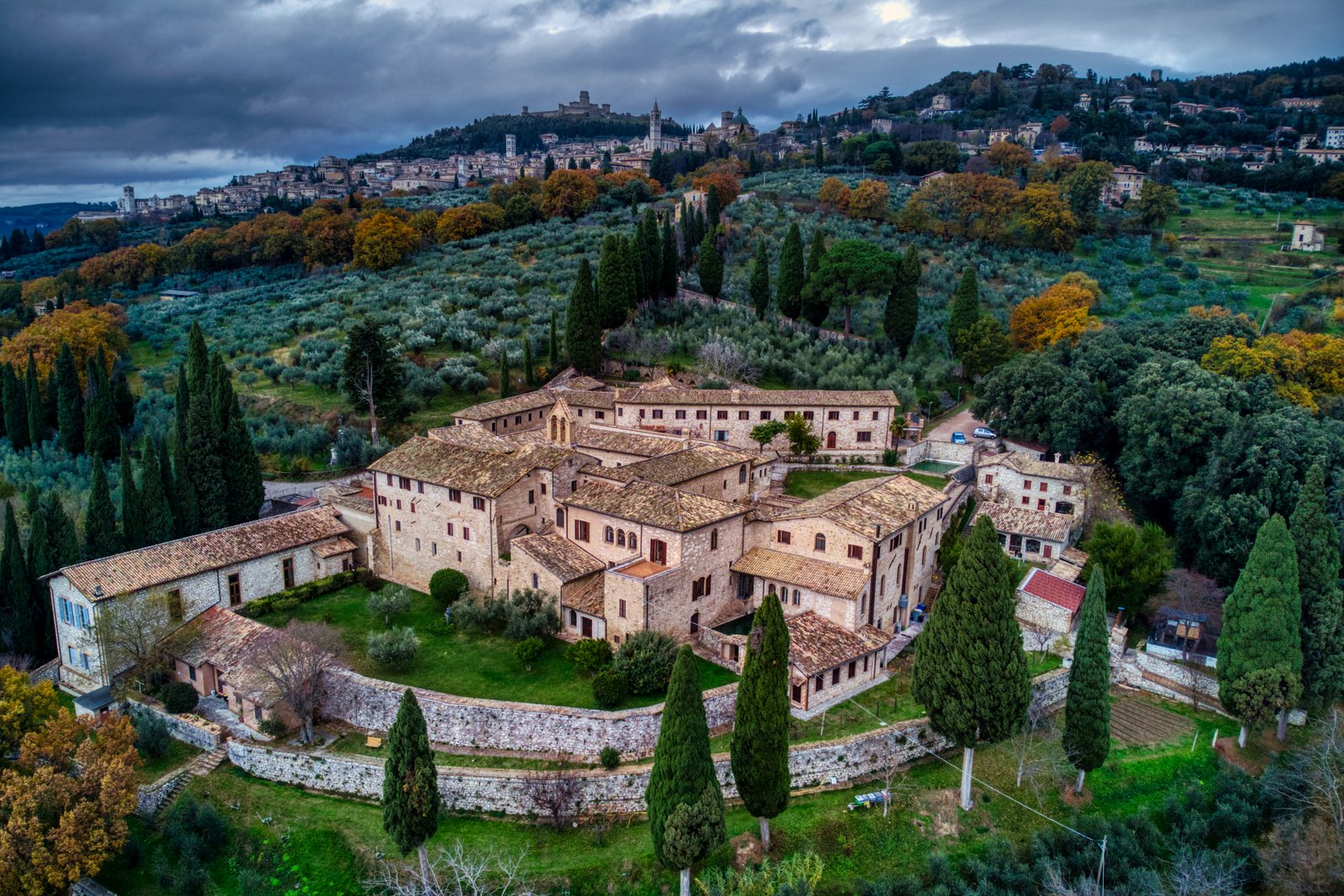
Gunnar Bach Pedersen, Santa Chiara, Assisi, 2006 — public domain.
Clare eventually settled with a small community of women at the church of San Damiano, just outside Assisi's walls, where she would remain for over forty years as leader of what became known as the Order of Poor Ladies, later renamed the Poor Clares in her honor. Under her leadership, the community adopted an unusually strict rule of poverty — Clare fought for decades, against resistance even from within Church hierarchy, to secure papal approval for a rule that renounced not just personal possessions but any communal property at all, a "privilege of poverty" she finally received formal confirmation of only two days before her death in August 1253.
A Basilica Built Almost Immediately
The speed of what followed was remarkable even by the standards of medieval sainthood. Clare died on August 11, 1253, and Pope Alexander IV canonized her just two years later, in 1255 — one of the fastest canonizations of the medieval period, reflecting how quickly and widely her reputation for holiness had spread even during her lifetime. Construction of a basilica to house her tomb began almost immediately after her canonization, built between 1257 and 1265 on the site of the old church of San Giorgio, where Francis of Assisi had himself first been buried before his own remains were transferred to the newly completed Basilica of San Francesco.
The new basilica was built in the Italian Gothic style using the same pink-and-white stone from nearby Mount Subasio that gives the Basilica of San Francesco its distinctive coloring, creating a visual echo between the two churches that still defines Assisi's skyline today. The building's structural stability required reinforcement not long after completion — three massive flying buttresses were added along its south side in the 14th century, giving the exterior its somewhat unusual, heavily fortified appearance.
The Crucifix That Spoke
The basilica's most theologically significant treasure is not Clare's own tomb but an object connected to Francis: the painted wooden crucifix originally housed in the small, dilapidated church of San Damiano. Franciscan tradition holds that around 1205, while praying before this cross in the ruined chapel, the young Francis heard Christ speak to him from it, saying, "Francis, go and repair my house, which, as you see, is falling completely to ruin." Francis initially understood this literally, physically repairing the crumbling San Damiano building with his own hands, before coming to understand the command in a broader sense as a call to renew the wider Church.
The cross remained at San Damiano throughout Clare's decades there — she and her sisters would have prayed before it daily — and was moved to the newly built basilica bearing her name in 1257, where it is now displayed in a dedicated side chapel, the Chapel of the Crucifix, one of the most visited devotional spots in the church.
Clare's Body, On Display Since 1850
For nearly six centuries, Clare's remains rested in a tomb beneath the high altar, largely inaccessible to pilgrims. That changed in 1850, when the tomb was opened as part of renovation work and her remains were found in a condition the Church recorded, at the time, as remarkably well preserved — one of a number of such cases across Catholic history that the Church has never required the faithful to interpret in any single, mandatory theological way. Her remains, now conserved and more visibly skeletal after further scientific examination in the 20th century, are displayed today in a specially built crypt beneath the basilica, completed in 1850 specifically to allow public veneration.
Clare was declared patron saint of television by Pope Pius XII in 1958, based on an account, recorded by her earliest biographers, that toward the end of her life, too ill to leave her bed, she reported seeing and hearing a Christmas Mass she could not physically attend, as though it were being projected before her — a detail later generations naturally connected to the invention of broadcast imagery centuries later.
For the fuller life of the saint the basilica was built to honor, see Saint Clare of Assisi; for the neighboring basilica built in the same distinctive stone for the founder of her order, see Basilica of Saint Francis of Assisi and Porziuncola, Assisi.
Trivia
Who was Saint Clare of Assisi?
What is kept inside the Basilica of Santa Chiara?
Why is Saint Clare's body described as incorrupt?
What architectural style is the Basilica of Santa Chiara?
Is Saint Clare the patron saint of television?
Related Reading