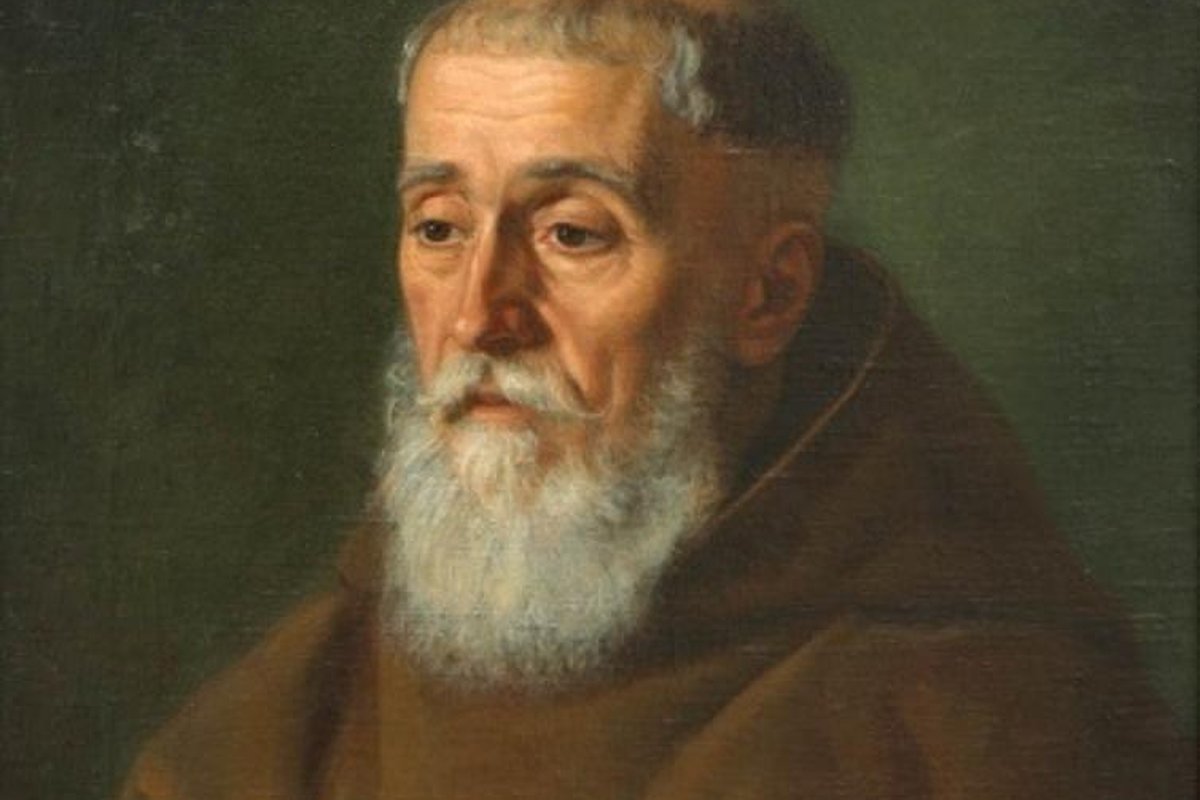
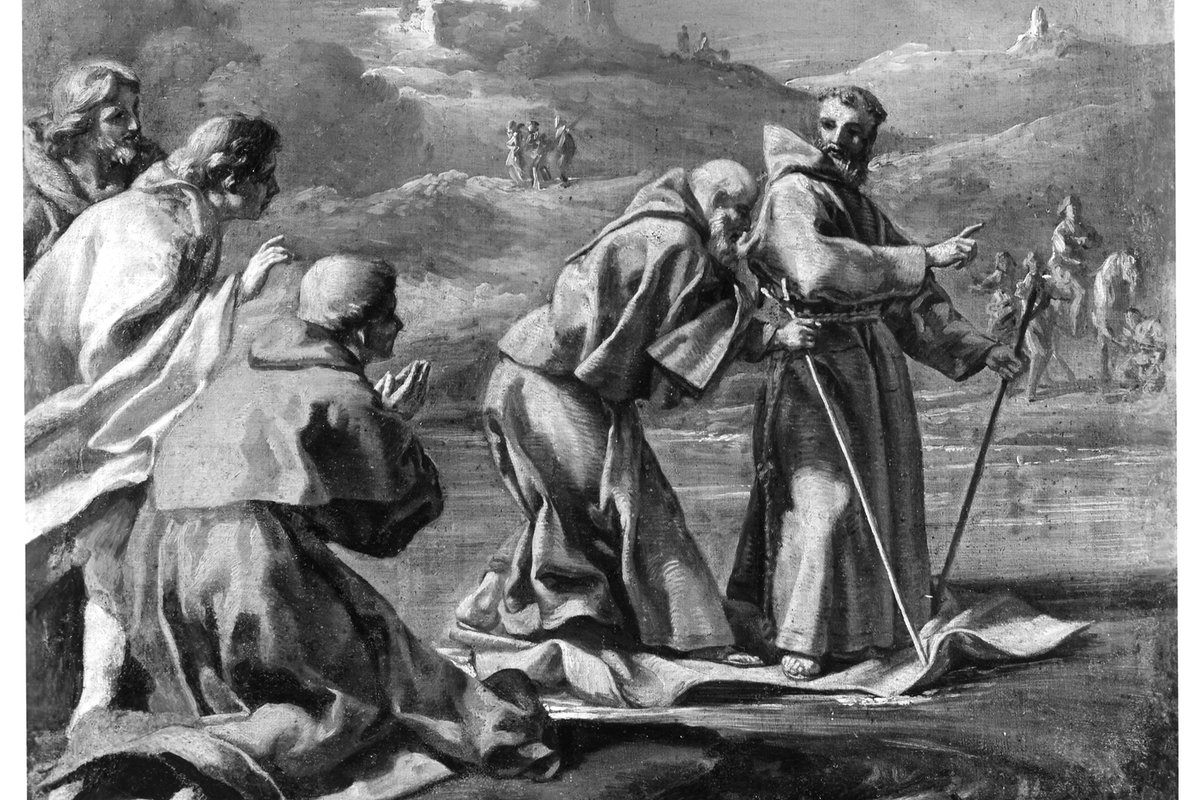
Saint Marianne Cope

From German immigrant child to Franciscan sister
Barbara Koob was born on January 23, 1838, in Heppenheim, in the Grand Duchy of Hesse, Germany, and emigrated with her family to Utica, New York, while still an infant. She worked in a factory as a young woman to help support her family after her father became disabled, delaying her own entry into religious life for years until her family's circumstances allowed it. In 1862, at 24, she finally entered the Sisters of the Third Order of St. Francis in Syracuse, New York, taking the religious name Marianne.
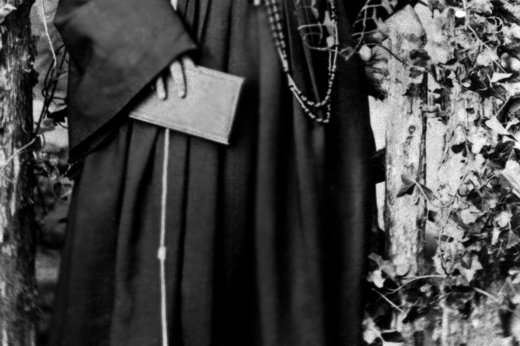
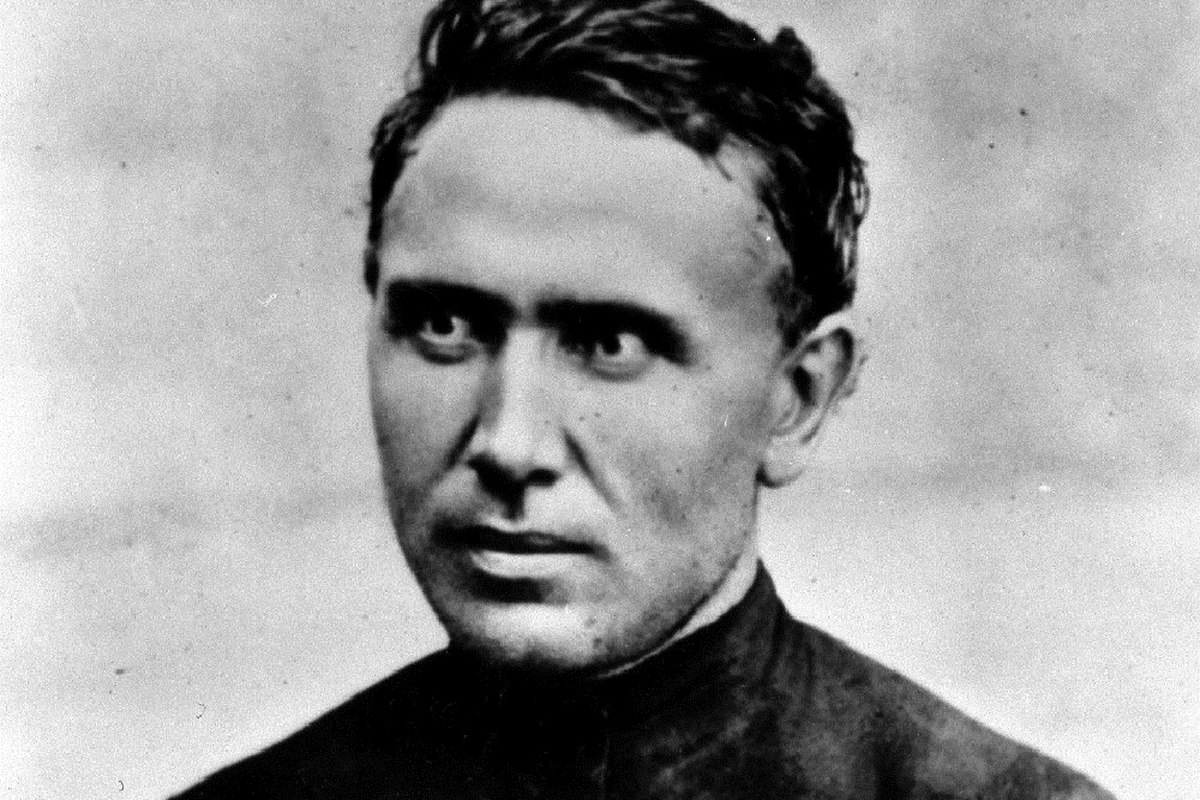
Photographer unknown, 1883 — public domain.
Sister Marianne rose quickly within her community, holding leadership roles in Franciscan-run hospitals in central New York and eventually becoming provincial superior — head of the entire Syracuse Franciscan community — a position that put her in charge of administering hospitals and schools across the region. She had a particular reputation, notable for the period, for insisting that her hospitals treat all patients regardless of the nature of their illness or their ability to pay, at a time when many hospitals turned away contagious or "undesirable" cases.
An assignment fifty other communities refused
In 1883, the Kingdom of Hawaii's Board of Health sent out an appeal to Catholic religious institutes in the United States and Canada, seeking sisters willing to travel to Hawaii and staff hospitals caring for patients with leprosy — a disease then poorly understood, widely feared, and managed in Hawaii through a strict government policy of forced quarantine and exile, most notoriously to the remote and difficult-to-reach Kalaupapa peninsula on the island of Molokai. According to accounts from the period, roughly fifty different religious communities that received the appeal declined to respond or turned it down outright, unwilling to expose their members to a disease with no known cure and considerable social stigma attached.
Mother Marianne Cope, by then the leader of her Syracuse Franciscan community, accepted without the hesitation shown elsewhere. In November 1883, she traveled to Hawaii with six other sisters from her community, initially taking charge of a hospital on Oahu and, soon after, a home for the daughters of leprosy patients, work that gave her direct daily experience with the disease and the social exclusion that came with it well before she ever set foot on Molokai itself.
Working alongside Father Damien
By the time Mother Marianne arrived in Hawaii, the Belgian priest Father Damien de Veuster had already been serving the leprosy settlement at Kalaupapa on Molokai for close to a decade, largely without adequate support. As Damien's own health failed after he contracted leprosy himself, Mother Marianne and her sisters assisted in caring for him during his final illness, and after his death in 1889, she formally took charge of the operations at Kalaupapa, running the Bishop Home for women and girls with the disease and significantly improving the overall standard of care and daily life at the settlement, which had a reputation for neglect and disorder before her involvement.
Mother Marianne moved to Molokai herself in 1888 and remained there for the rest of her life — three decades of direct daily work in one of the most isolated and stigmatized medical settings in the United States at the time. She improved sanitation, insisted on dignified living conditions for patients regardless of the severity of their illness, and worked to give the women and girls under her care meaningful daily structure and, where possible, education and occupation, rather than simply warehousing them to await death, which had often been the practical reality at Kalaupapa before her arrival.
An unexplained immunity
One detail that struck contemporaries and has continued to draw attention since is that despite 35 years of direct, close daily contact with leprosy patients, Mother Marianne never contracted the disease herself — an outcome that, given how little was understood at the time about the actual mechanisms of transmission, was widely remarked upon during her lifetime as remarkable, even as modern medical understanding of Hansen's disease (leprosy's clinical name) explains that it is, in fact, not highly contagious through ordinary contact, contrary to much of the era's popular fear.
Death, canonization, and feast day
Mother Marianne Cope died at Kalaupapa on August 9, 1918, having spent more than half her life in Hawaii. She was beatified by Pope Benedict XVI in 2005 and canonized by the same pope on October 21, 2012. Her feast is celebrated on January 23, her birthday.
Related reading
Marianne Cope's ministry is inseparable from the story of the priest she assisted and eventually succeeded at Kalaupapa — see Saint Damien of Molokai — and sits alongside other modern saints known for direct, physically demanding care of the sick and marginalized, such as Saint Dulce Pontes, who built a comparable healthcare mission for the poor of Brazil.
Trivia
Who was Saint Marianne Cope?
Did Saint Marianne Cope work with Father Damien?
Why did fifty religious orders refuse the Hawaiian government's request before Marianne Cope accepted?
Did Marianne Cope ever contract leprosy herself?
When is Saint Marianne Cope's feast day?
You May Also Like
Related Reading