The Padre Pio Novena: Nine Days Before His September 23 Feast

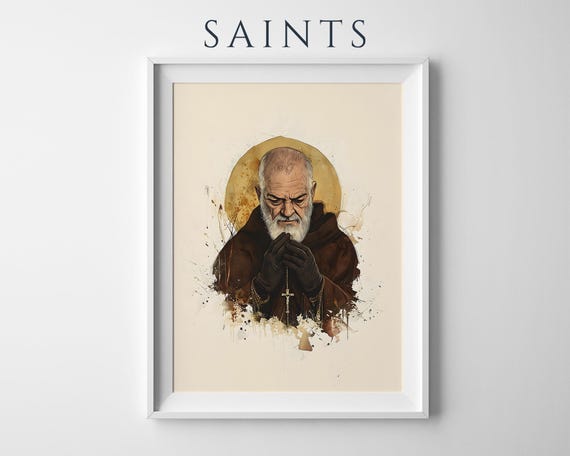
Nine days to a well-documented modern saint
Most novenas to older saints work with fragmentary, sometimes legendary biographical detail. Padre Pio is unusual among the saints for how recently and thoroughly his life was recorded: born Francesco Forgione in 1887, he entered the Capuchin Franciscans as a young man, and on September 20, 1918, following a vision during his thanksgiving after Mass, he reported that the wounds of Christ's crucifixion — the stigmata — appeared on his own hands, feet, and side, and remained visible for the rest of his life. He spent most of his priesthood at the friary of San Giovanni Rotondo in southern Italy, examined at points by physicians and visited by enormous numbers of pilgrims, until his death on September 23, 1968. His full story, including how his case differs from most historical reports of stigmata, is told in Saint Padre Pio.
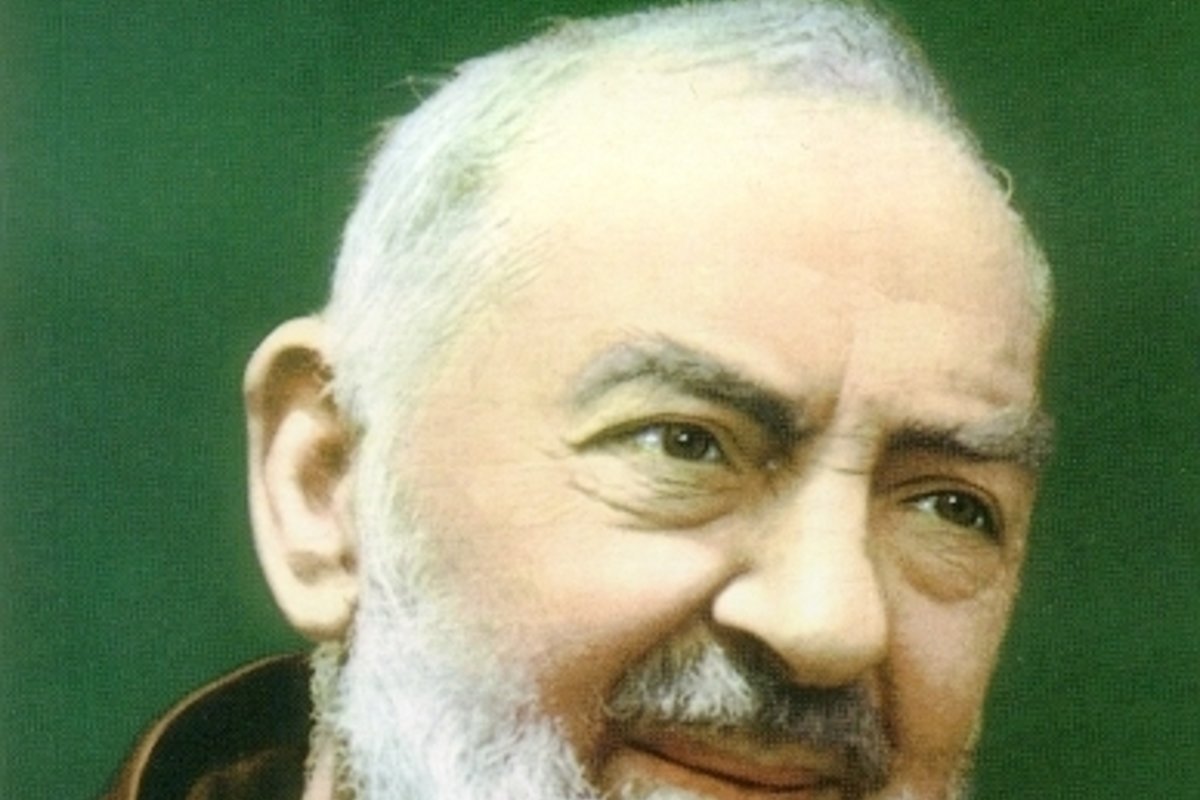
Photograph of Padre Pio, derivative work based on an original Italian Wikipedia upload, taken circa late 1950s to early 1960s — public domain.
The novena named for him runs each year in the nine days leading directly to that September 23 anniversary, starting September 15 — a straightforward example of the standard nine-day pattern traced back to the apostles' own wait for Pentecost, described in What Is a Novena?.
The nine petitions, day by day
Unlike novenas built around a single repeated prayer, the Padre Pio Novena moves through nine distinct petitions, each addressing a different aspect of his life or a different category of need:
- Bearing one's own crosses — asking Padre Pio's intercession to accept life's sufferings, "great and small," as he did.
- Resisting temptation — recalling the reported spiritual attacks Padre Pio endured, and asking strength to persevere in faith.
- Mary's intercession — invoking Padre Pio's own devotion to the Virgin, asking that requests be carried to her as at the wedding at Cana.
- The guardian angels — reflecting Padre Pio's well-documented devotion to his own guardian angel, asking help to grow closer to one's own.
- The souls in Purgatory — asking that prayer and sacrifice, in the spirit of Padre Pio's own offerings, ease "the time of banishment and great distress" of the dead; see Novena for the Souls in Purgatory for a novena devoted entirely to this intention.
- Healing for the sick — recalling Padre Pio's reputation for miracles of healing, asking both physical and spiritual benefit for those who are ill.
- Conversion of unbelievers — a petition for "unbelievers" and those of "little faith," alongside perseverance for the faithful.
- Being counted among his spiritual children — asking that even those who never knew Padre Pio personally be received under his protection, especially "at the moment of our death."
- Vocations to the priesthood — a request for "holy priests with strength and divine inspiration," alongside a broader prayer for conversion.
Each day's petition is followed by the same short refrain, "Padre Pio, pray for us!", and an Our Father, Hail Mary, and Glory Be.
Why Purgatory gets its own day
The fifth day's focus on the souls in Purgatory reflects something specific and well-attested about Padre Pio's own spiritual life: he was known, during his fifty years at San Giovanni Rotondo, for a particular and consistent devotion to praying for the dead, understood within Catholic teaching to be souls still undergoing purification before entering the fullness of heaven (CCC 1030-1032). Devotional accounts describe him offering much of his own considerable suffering specifically for this intention — a detail the novena preserves by giving Purgatory its own dedicated day rather than folding it into a more general petition.
How to actually pray it
There's no single mandated format prescribed by the Church for a private novena like this one — most Catholics pray it individually, at home, on their own schedule within the nine-day span, though some parishes with a particular devotion to Padre Pio hold it communally, often after a weekday Mass or as part of a First Friday devotion. A typical day's practice is simple: read that day's specific petition slowly, add the Our Father, Hail Mary, and Glory Be that traditionally follow it, and close with the short refrain "Padre Pio, pray for us!" Many who pray it also incorporate a Padre Pio relic or holy card, or say the novena before a Padre Pio image, though none of this is required — the petitions themselves carry the devotion.
Why September 23, specifically
The feast date itself is not arbitrary. Padre Pio died on September 23, 1968, at San Giovanni Rotondo, and the Church's general norm for a saint's feast day — with some well-known exceptions, such as feasts tied to a birth or a specific historical event — is to mark the date of death, understood in Christian tradition as the saint's true "birthday" into eternal life rather than a day of loss. Pope John Paul II canonized Padre Pio on June 16, 2002, one of the largest canonization ceremonies in modern Church history, and the September 23 feast was fixed to the anniversary already kept informally by pilgrims and devotees for decades before his official canonization made it universal.
A saint invoked for almost anything
What stands out about the Padre Pio Novena, read straight through, is how little it narrows its scope. Where a novena like the one to Saint Jude is prayed specifically for desperate or hopeless situations, the nine days here move deliberately across nearly the full range of ordinary human need — physical suffering, spiritual struggle, grief, illness, doubt, vocation, and death itself. That breadth mirrors the saint it's built around: a friar whose reputation during his own lifetime already extended well past any single category of intercession, drawing pilgrims with every kind of request to a small mountain town in southern Italy, where — even now — the novena is prayed each September in the days leading up to the anniversary of his death.
Trivia
When is the Padre Pio Novena traditionally prayed?
What does each of the nine days focus on?
Why does the novena mention the souls in Purgatory specifically?
Did Padre Pio pray a novena of his own every day?
Is the September 15-23 dating the only way to pray this novena?
Related Reading