Why Does God Allow Suffering? What Three Saints Who Suffered Greatly Believed

A friar who bled for fifty years, and never explained it away
Some questions get asked in seminar rooms and some get asked at hospital bedsides, and "why does God allow suffering" belongs mostly to the second category. It's worth starting there rather than with abstract philosophy, because the Catholic tradition itself starts there — not with a formula, but with people who suffered enormously and kept believing anyway, without pretending the suffering made obvious sense.
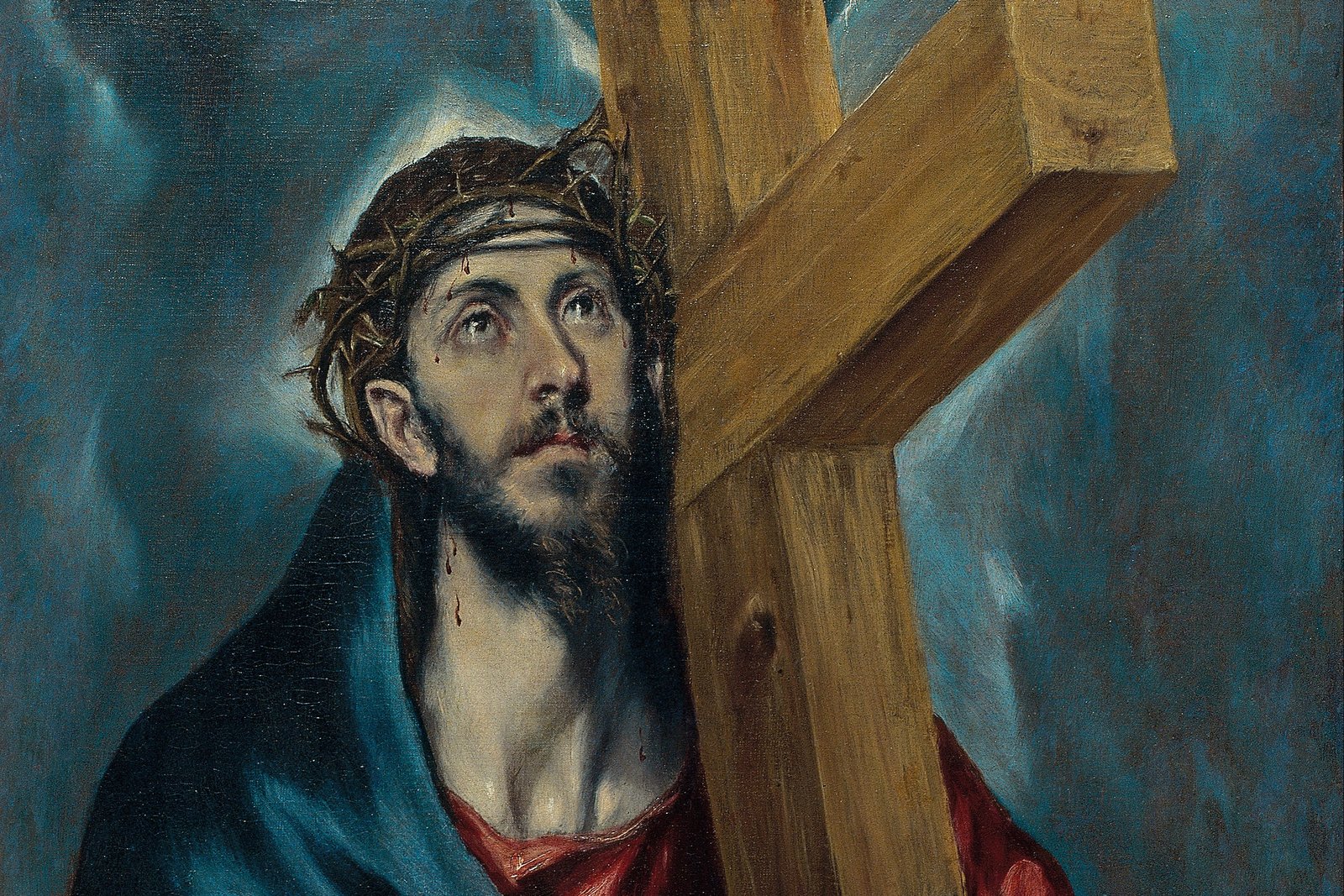
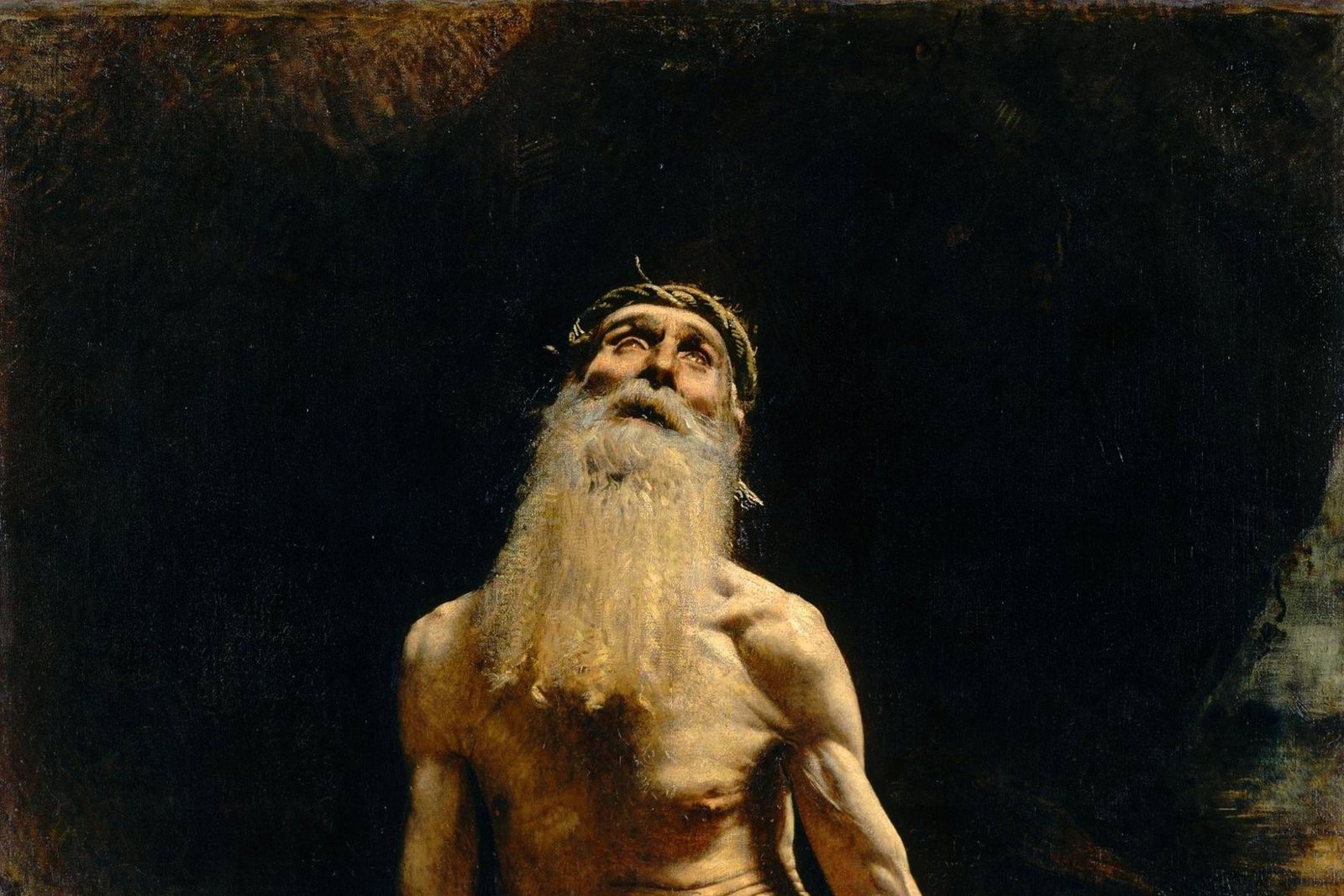
El Greco, Christ Carrying the Cross, 1590-1595, public domain (Wikimedia Commons).
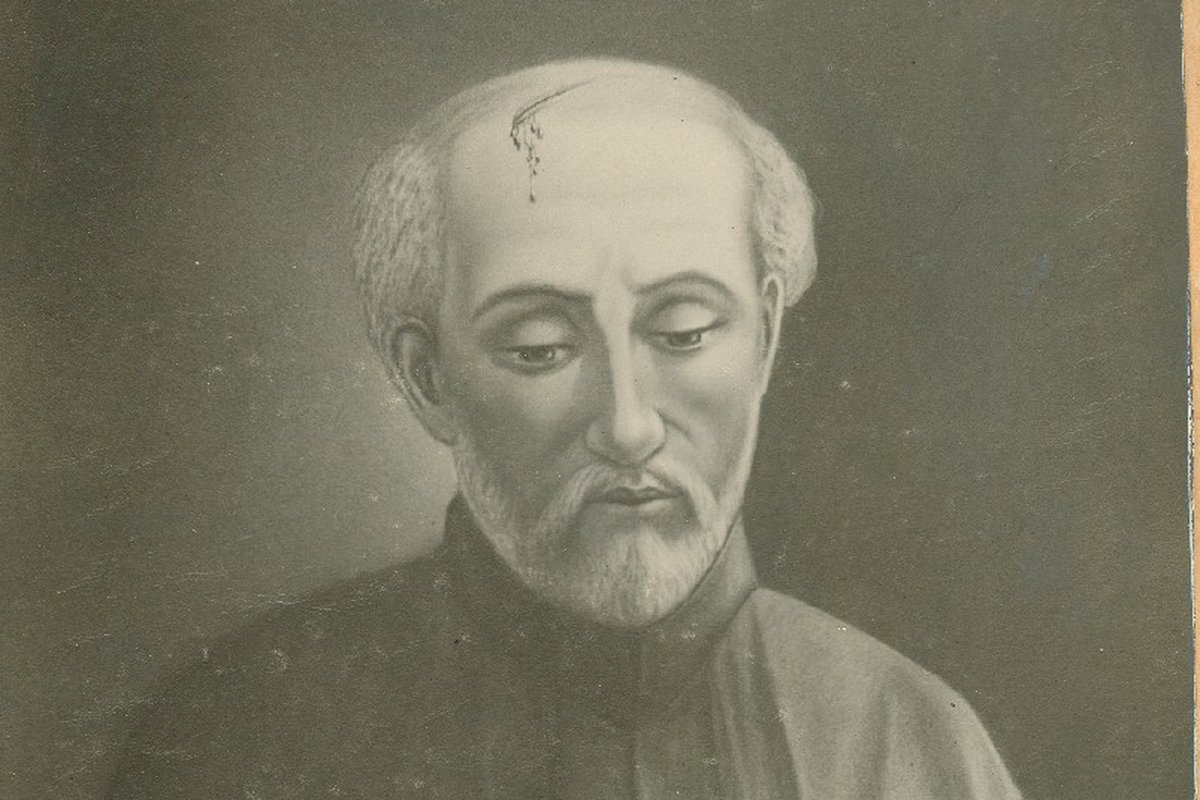
Saint Pius of Pietrelcina, known to most Catholics as Padre Pio, received wounds corresponding to Christ's crucifixion in 1918 that persisted, bleeding periodically, for roughly the next fifty years — examined repeatedly by skeptical and sympathetic doctors alike, investigated at intervals by Vatican authorities who at various points restricted his public ministry over genuine institutional caution. Whatever one makes of the stigmata itself, the plainer fact is simpler and more instructive: a man in significant, sustained physical pain spent up to fifteen hours a day for decades hearing other people's confessions, and helped found a major hospital, the Casa Sollievo della Sofferenza — "Home for the Relief of Suffering" — treating his own pain not as a private tragedy to escape but as something to build something good alongside.
Martyrs who chose to go back
The suffering of the North American Martyrs raises the question even more sharply, because unlike Padre Pio's wounds, theirs was inflicted by other human beings, deliberately, and they had real chances to avoid it. Saint Isaac Jogues was captured by Mohawk warriors in 1642 and held for nearly a year; several of his fingers, including both thumbs, were cut or chewed off, an injury that under the Church's canon law at the time technically barred him from properly holding the Host at Mass. Dutch colonists helped him escape back to Europe, where Pope Urban VIII personally granted him permission to say Mass despite his mutilated hands, reportedly on the reasoning that it would be wrong to bar a martyr of Christ from the very sacrifice he had suffered for. Jogues could have stayed in France, celebrated as a survivor. Instead he asked to go back, returned to North America, and in 1646 was killed with a tomahawk at the same settlement where he had once been enslaved.
Saint John de Brébeuf, a fellow Jesuit who spent nearly a quarter-century learning the Huron language and living according to Huron customs, was captured during an Iroquois raid in 1649 and subjected to prolonged ritual torture, which witnesses said he endured with striking composure, continuing to console fellow captives even as his own suffering intensified. Neither man wrote that their torture was deserved, or that God had sent Mohawk or Iroquois warriors to punish them. What their own writings and the Jesuit records around them show instead is a decision, made with open eyes, to accept real danger as part of a mission of love they'd freely chosen — and to unite whatever came of that choice to Christ's own suffering rather than treating it as senseless.
What the Church actually teaches, and doesn't
It matters to be precise here, because overclaiming on this topic causes real damage. The Catechism does not teach that God wills suffering, or that suffering is a punishment matched to a person's sins, or that more suffering means more holiness. It teaches, carefully, that God "in no way, directly or indirectly, is the cause of moral evil," while permitting it because he respects the reality of human freedom and the integrity of a created world with its own genuine processes (CCC 311, synthesized from the surrounding catechetical treatment of providence and evil). On why an all-good, all-powerful God permits evil and suffering at all, the Catechism is unusually candid about the limits of any answer: "There is not a single aspect of the Christian message that is not in part an answer to the question of evil," but "no quick answer will suffice" — only the whole of Christian faith, culminating in Christ's own suffering, death, and resurrection, gives a framework for facing the question without despair (CCC 309).
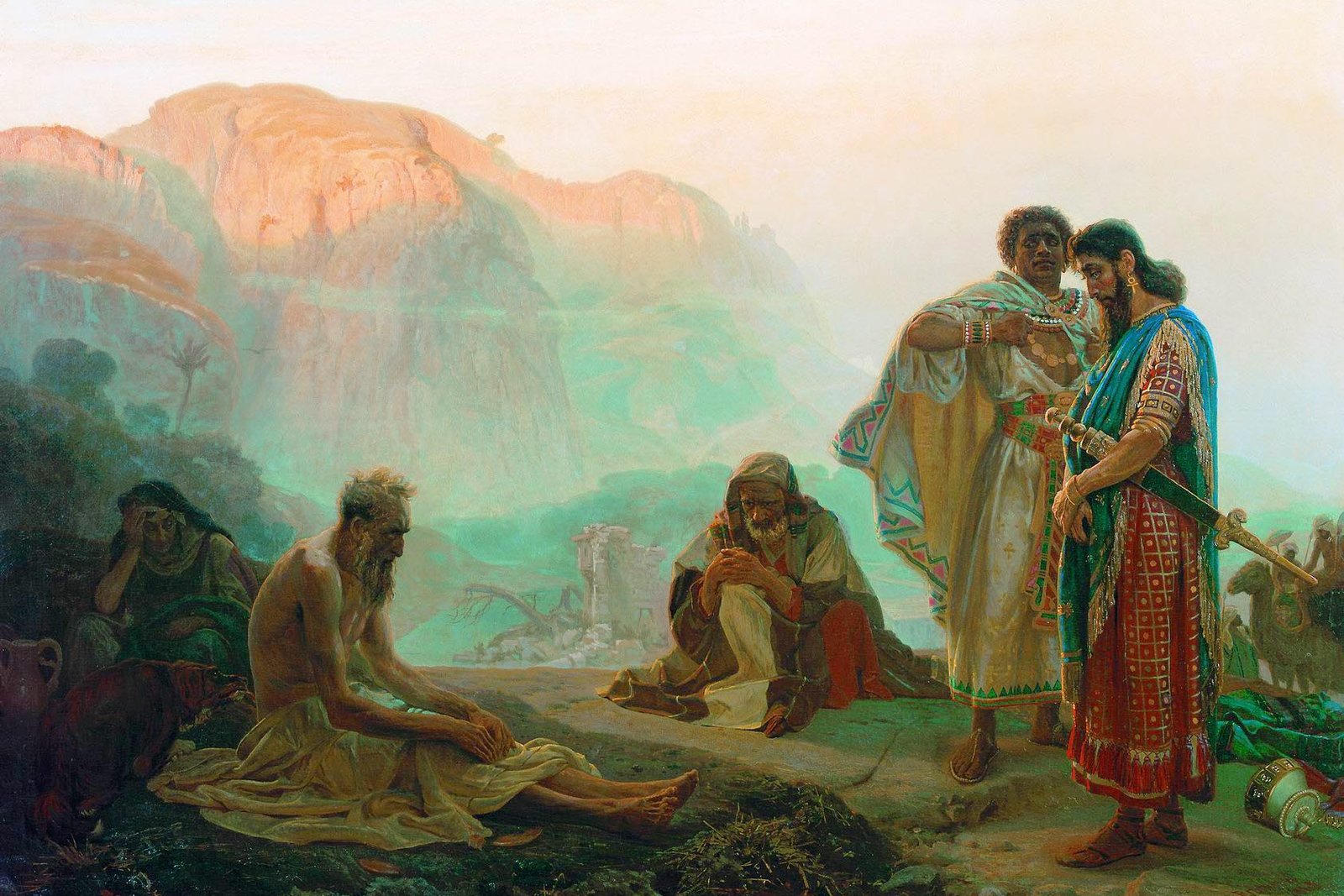
What the Church does teach positively is the idea of redemptive suffering: that suffering, when united in faith to Christ's own passion, is not wasted or meaningless. Saint Paul writes of "filling up what is lacking in the afflictions of Christ" for the sake of the Church (Colossians 1:24), and the Catechism draws on this tradition in teaching that the sick and suffering can unite themselves to Christ's own redemptive suffering (CCC 1521, in the context of the Anointing of the Sick). This is a genuinely different claim from saying suffering is good, or that God causes it to teach a lesson. It says that even suffering neither willed nor deserved can be taken up into something larger than itself, rather than simply endured as pure loss.
Living with an answer that isn't complete
None of this closes the question the way a solved equation closes a problem. The Church's own honesty about that is part of what makes its answer credible rather than glib — it does not promise a full explanation for why a particular person's suffering happens, only a way of carrying it that doesn't require pretending it makes sense on its own terms. Padre Pio didn't explain his fifty years of bleeding wounds; he spent them serving people. Isaac Jogues and John de Brébeuf didn't claim to understand why their mission cost them what it did; they chose to keep going anyway, freely, understanding the risk. Their example doesn't answer the philosophical question so much as demonstrate what the Church means when it says suffering, however mysterious in origin, doesn't have to be the last word.
Trivia
Does the Catholic Church teach that God directly causes or wills suffering?
What does the Catholic Church mean by 'redemptive suffering'?
Is it true that Padre Pio's stigmata proves suffering is a sign of holiness?
Why does the Church say we can't fully answer why God allows suffering?
Did the North American Martyrs believe their suffering was deserved or willed by God as punishment?
Related Reading