Anglo-Saxon Saints of England

A church built kingdom by kingdom
Augustine's landing in Kent in 597 gets the credit as the start of English Christianity, but it's really only the opening chapter. Anglo-Saxon England wasn't one kingdom in this period — it was a patchwork of rival realms, Kent, Northumbria, Mercia, East Anglia, Wessex, Sussex, and more, each converted more or less separately, sometimes by Roman missionaries sent from Canterbury and sometimes by Irish monks working down from Iona and Lindisfarne in the north. Those two missionary streams, Roman and Irish, didn't always agree on practice — the dispute over how to calculate the date of Easter was serious enough to require a formal council, the Synod of Whitby, in 664.
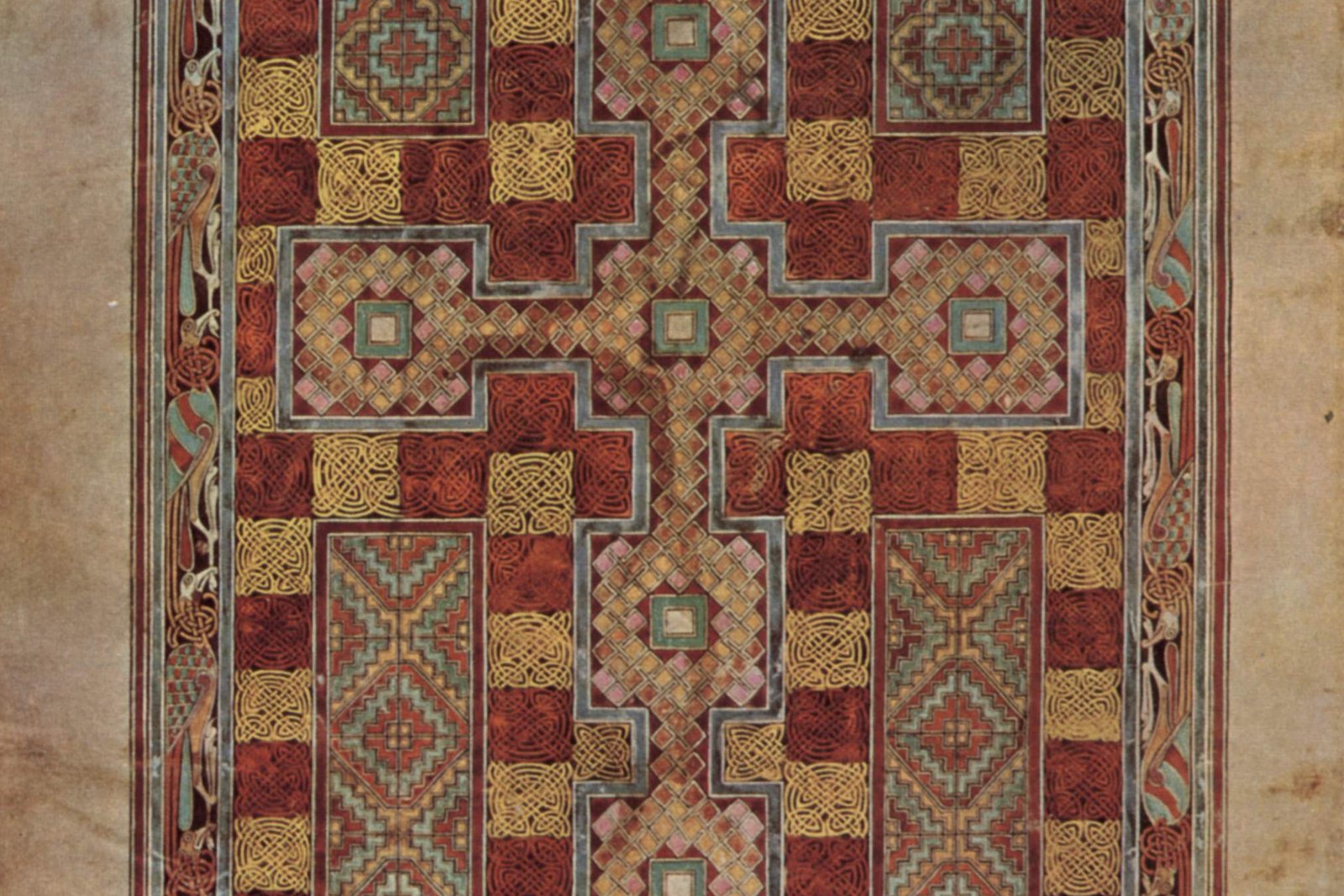
Cross carpet page, from the Lindisfarne Gospels, late 7th century, British Library, London — public domain.
What came out of that century of overlapping missions was a genuinely rich religious culture: royal families who handed daughters and sons into monastic life as a matter of course, bishops who crossed kingdoms to found new sees, and a wave of local cults that, in more than a few cases, are still the reason a particular English cathedral exists where it does. Then, starting in the late 8th century, Viking raiders began targeting exactly the undefended coastal monasteries this generation had built, and the church spent much of the 9th century simply trying to survive. The saints below mostly belong to the flowering that came before that disruption — and a couple of them lived through it.
Bishops of the early English church
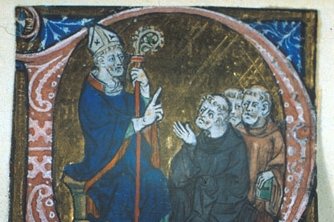
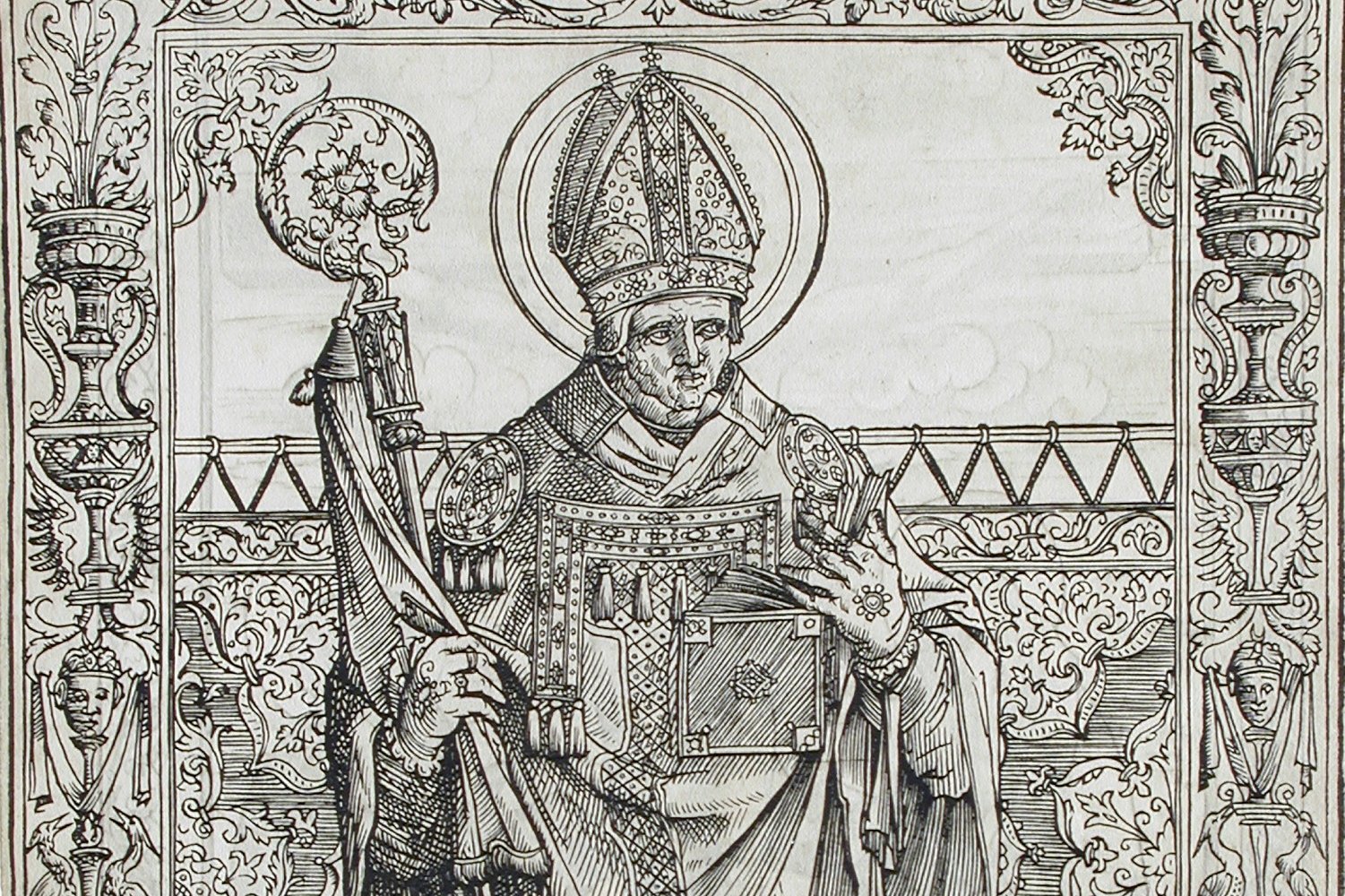
- Saint Erkenwald — the 7th-century bishop of London credited with founding Barking and Chertsey abbeys, whose shrine at Old St Paul's Cathedral made him one of medieval London's most venerated saints.
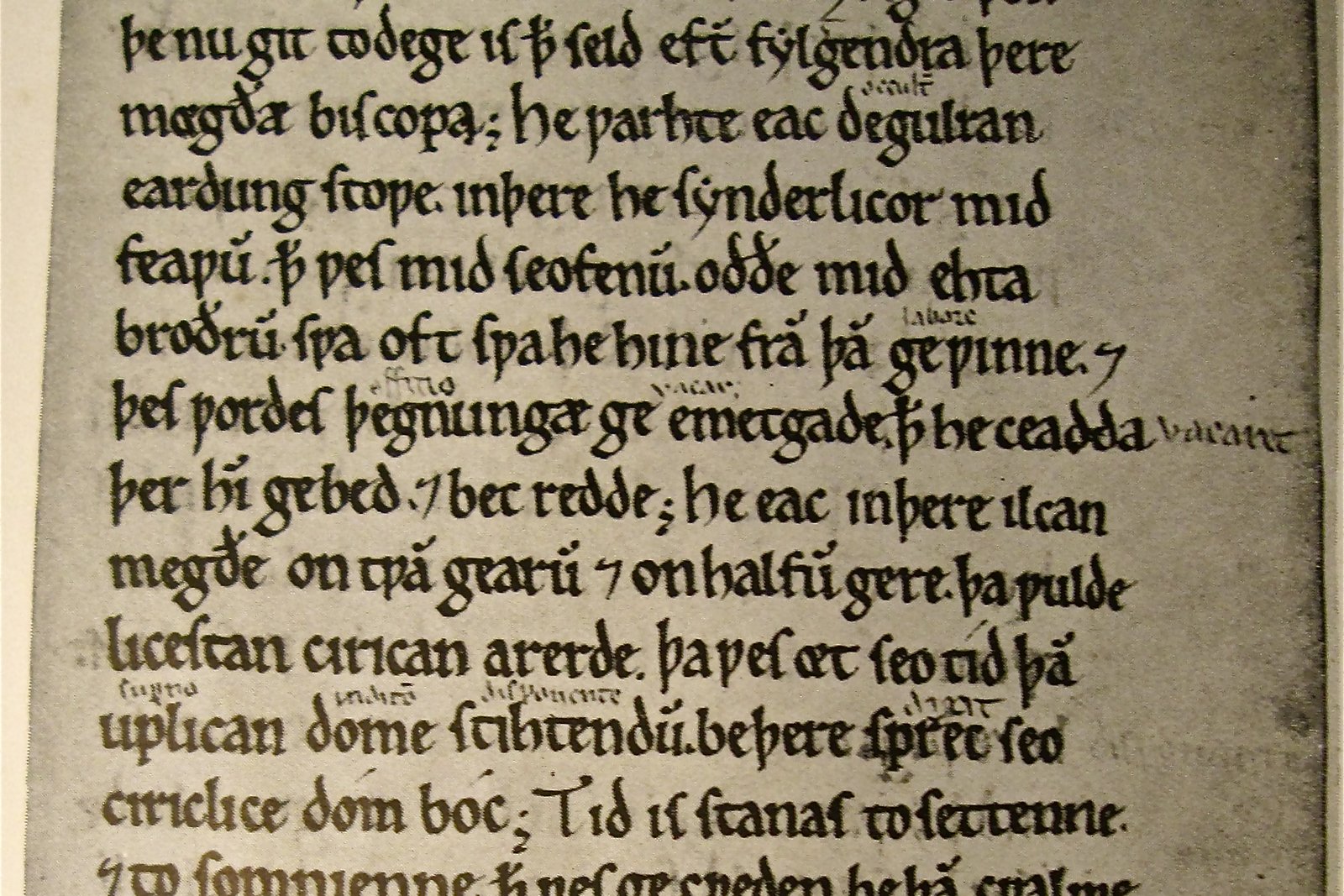
- Saint Swithun of Winchester — a 9th-century bishop of Winchester whose modest request to be buried outside, "where passers-by might tread on his grave," became the seed of a popular legend and a still-remembered English weather superstition tied to his July feast day.
- Saint Wilfrid of York — a forceful, frequently exiled bishop of York who championed Roman practice at the Synod of Whitby and personally completed the conversion of Sussex, the last Anglo-Saxon kingdom to accept Christianity.
Royal and abbess saints
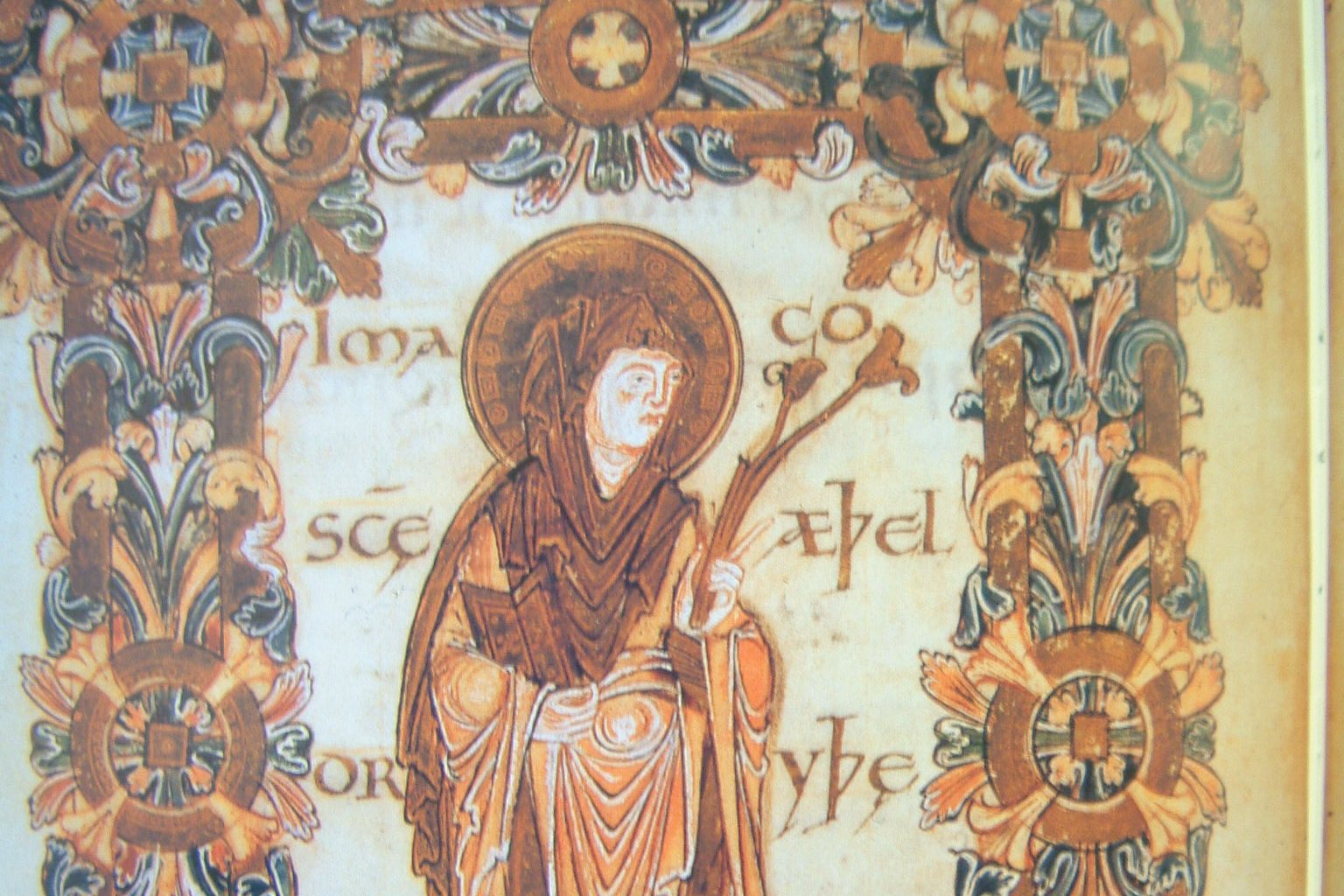
- Saint Etheldreda of Ely — an East Anglian princess who left two royal marriages to found the abbey at Ely, which grew into one of medieval England's great monastic centers around her shrine.
- Saint Werburgh of Chester — a Mercian princess who governed several convents as abbess and became, after her relics were moved there for safekeeping during Viking raids, the patron saint of the city of Chester.
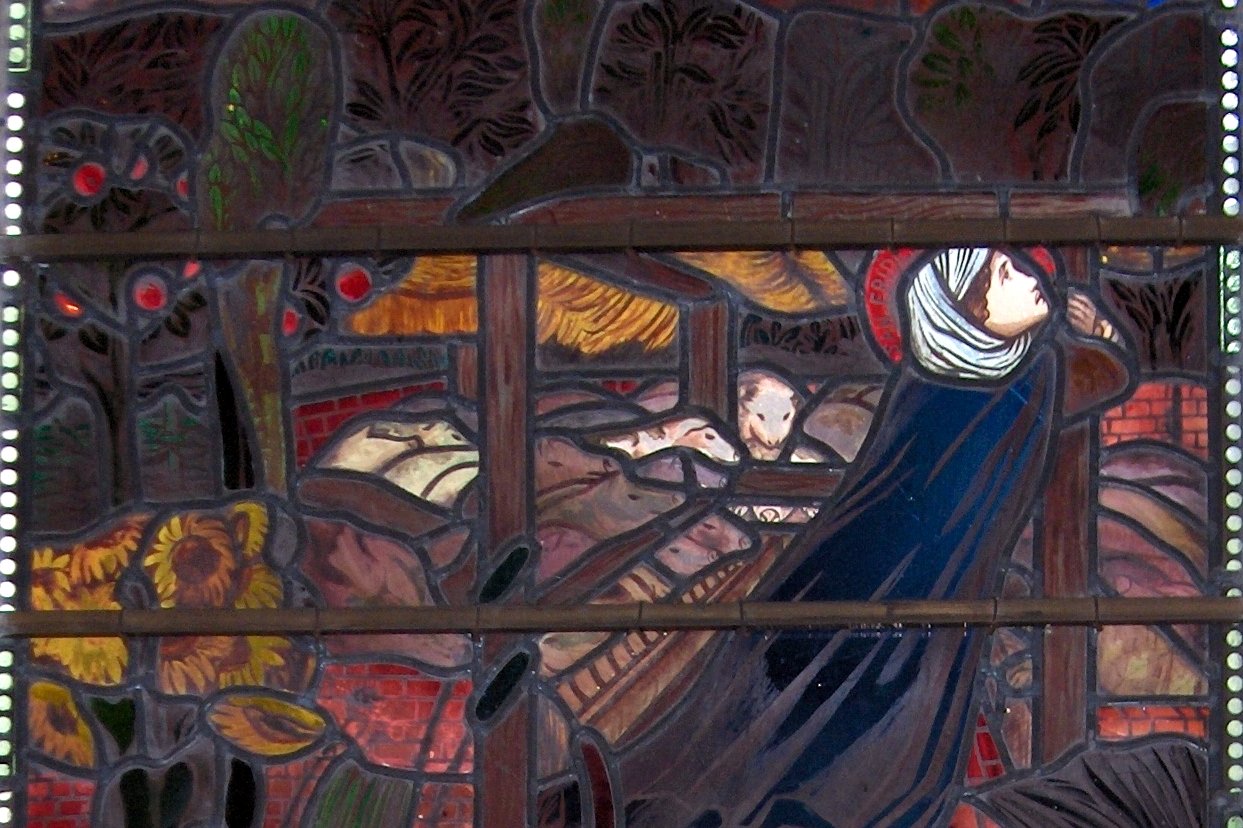
- Saint Frideswide — an Anglo-Saxon princess traditionally credited with founding the priory on the site now occupied by Christ Church Cathedral, and still honored today as patron saint of the city of Oxford and of Oxford University.
Legends and local cults
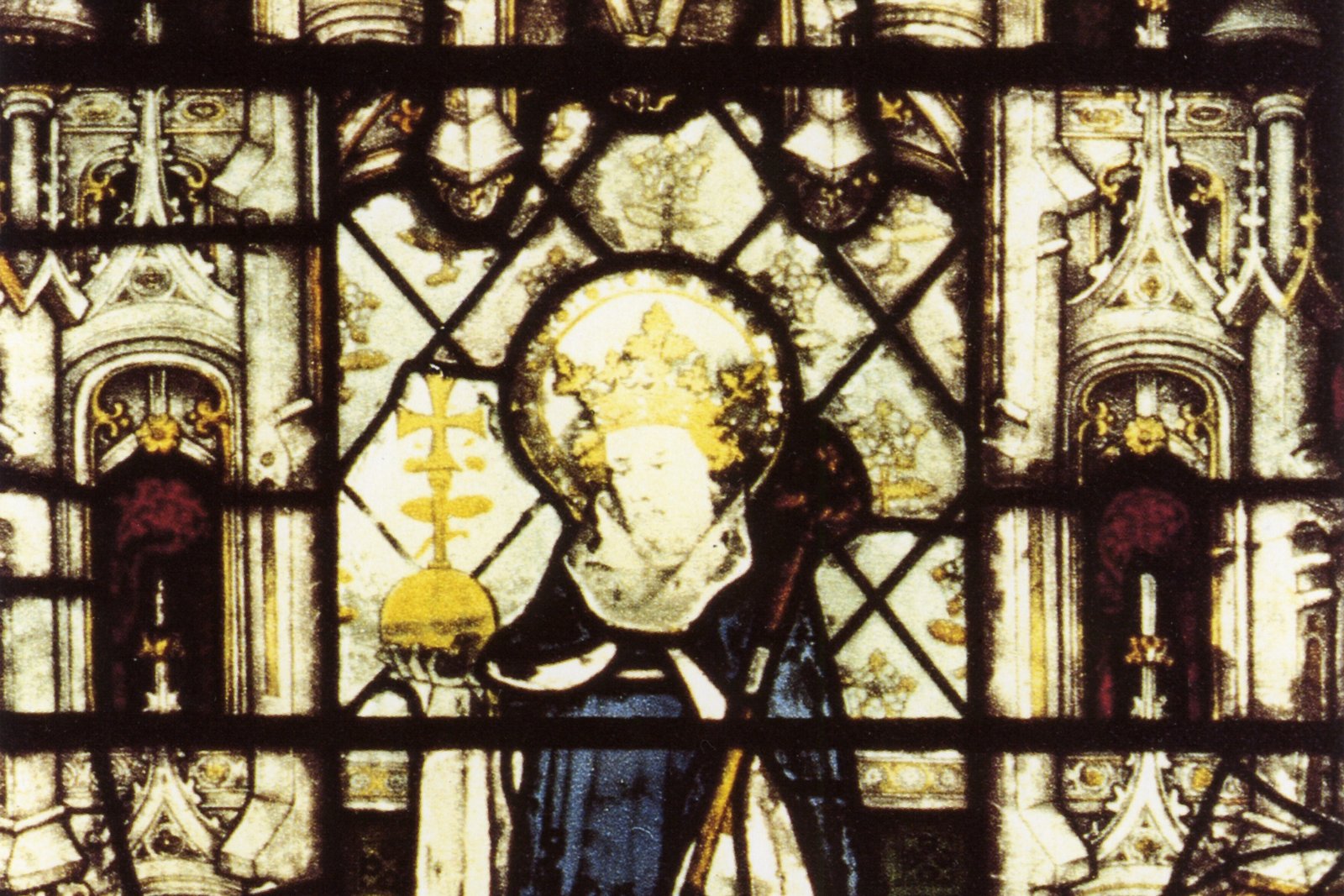
- Saint Oswald of Northumbria — the warrior-king of Northumbria who raised a wooden cross before a decisive battle and later invited Irish monks from Iona to evangelize his kingdom, dying in battle in 642 and quickly venerated as a royal martyr.
Two missions, one Easter argument
It's worth pausing on why the Synod of Whitby mattered so much to nearly every name on this list. Roman missionaries working out of Canterbury and Irish monks working down from Iona and Lindisfarne had each built real, lasting church networks in England — but they calculated the date of Easter differently, which meant that in a mixed royal household like Northumbria's, the king might be feasting for Easter while the queen, raised in the other tradition, was still fasting for Lent. King Oswiu convened bishops from both camps at Whitby in 664 specifically to settle it, and the decision went to Rome's calendar. Wilfrid of York argued the winning Roman side there and spent the rest of his long, combative career enforcing it; the losing Irish-trained bishops largely withdrew back to Iona rather than conform. That single meeting is a good reminder that "Anglo-Saxon Christianity" wasn't ever one uniform tradition quietly spreading from a single source — it was two overlapping missionary cultures working out, sometimes tensely, how they'd coexist.
Viking disruption and what survived it
The wave of Viking raids that began hitting England's coast in the late 8th century — Lindisfarne itself was sacked in 793 — fell hardest on exactly the kind of undefended coastal and riverside monasteries this generation of saints had founded. Libraries burned, communities scattered, and in some cases relics had to be moved inland for safekeeping, which is part of how Werburgh's remains ended up giving Chester its patron saint rather than her original Mercian foundation. It took the rebuilding efforts of Alfred the Great and his successors through the later 9th and 10th centuries to restore anything like the monastic life that had existed before the raids started. That two-stage story — a remarkable first flowering, then a genuine crisis, then a slower recovery — is part of what makes these particular saints worth knowing individually rather than as a single undifferentiated "early English church" footnote.
An era worth exploring further
Taken together, these saints trace the shape of a church that grew up faster than most people realize — a kingdom of warring pagan Anglo-Saxon dynasties turning, in barely a hundred years, into a network of cathedrals, abbeys, and shrines that still anchor English cities today. Their stories also show how thoroughly royal and religious power overlapped in this period: nearly every name above is tied to a king, queen, or princess who chose, or was given, a monastic vocation instead of a purely secular one. Explore the Saints category for more from this and other eras of the Church's history.
Trivia
When did Anglo-Saxon England become Christian?
Why are so many Anglo-Saxon saints connected to a specific English city or cathedral?
Were many Anglo-Saxon saints royalty?
Did the Viking invasions end the Anglo-Saxon church's growth?
Are Anglo-Saxon saints' feast days still observed in England today?
You May Also Like
Related Reading