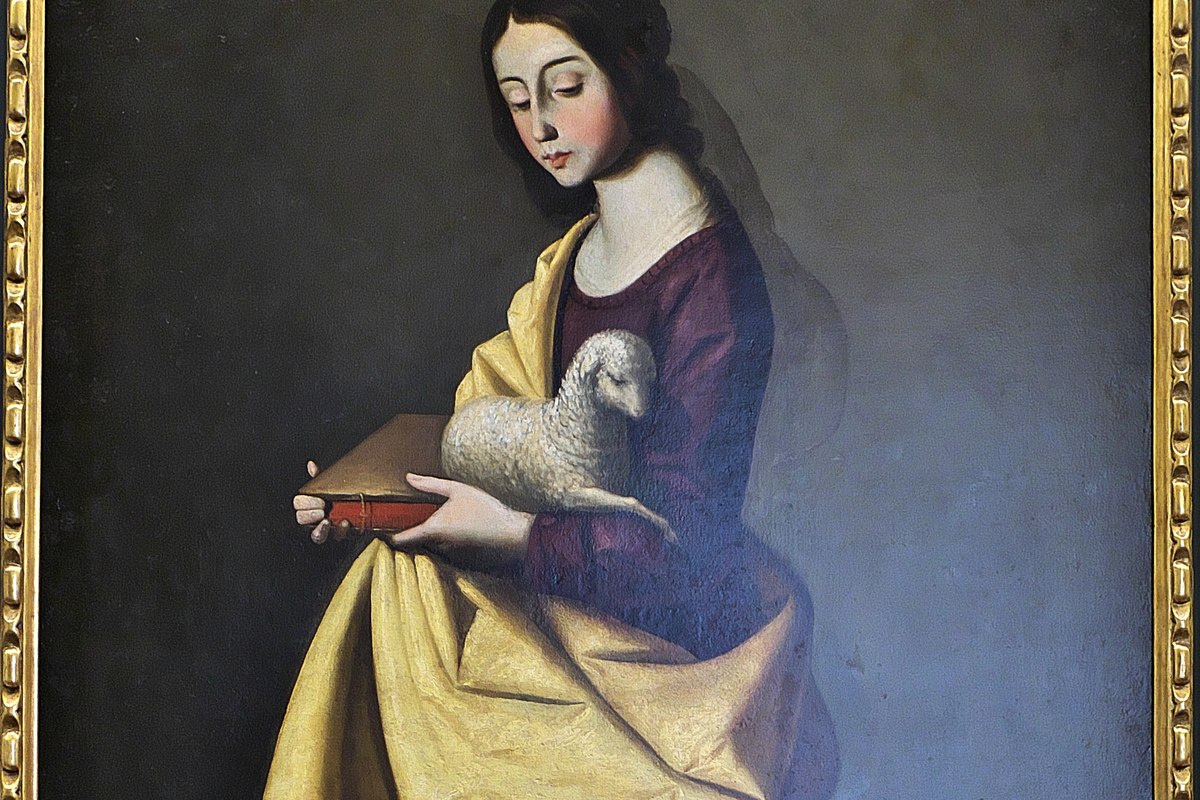
Patron Saints of Healing and Illness


Illness has always drawn people toward prayer, and Catholic tradition has, over two thousand years, accumulated a whole roster of saints specifically remembered for their connection to healing — some through their own suffering, some through their care for the sick, some through shrines where healings have been reported for generations. None of these patronages replace medicine or claim to guarantee a cure; they're a form of spiritual accompaniment through sickness, not a substitute for treatment. Here's a guide to some of the most significant ones.
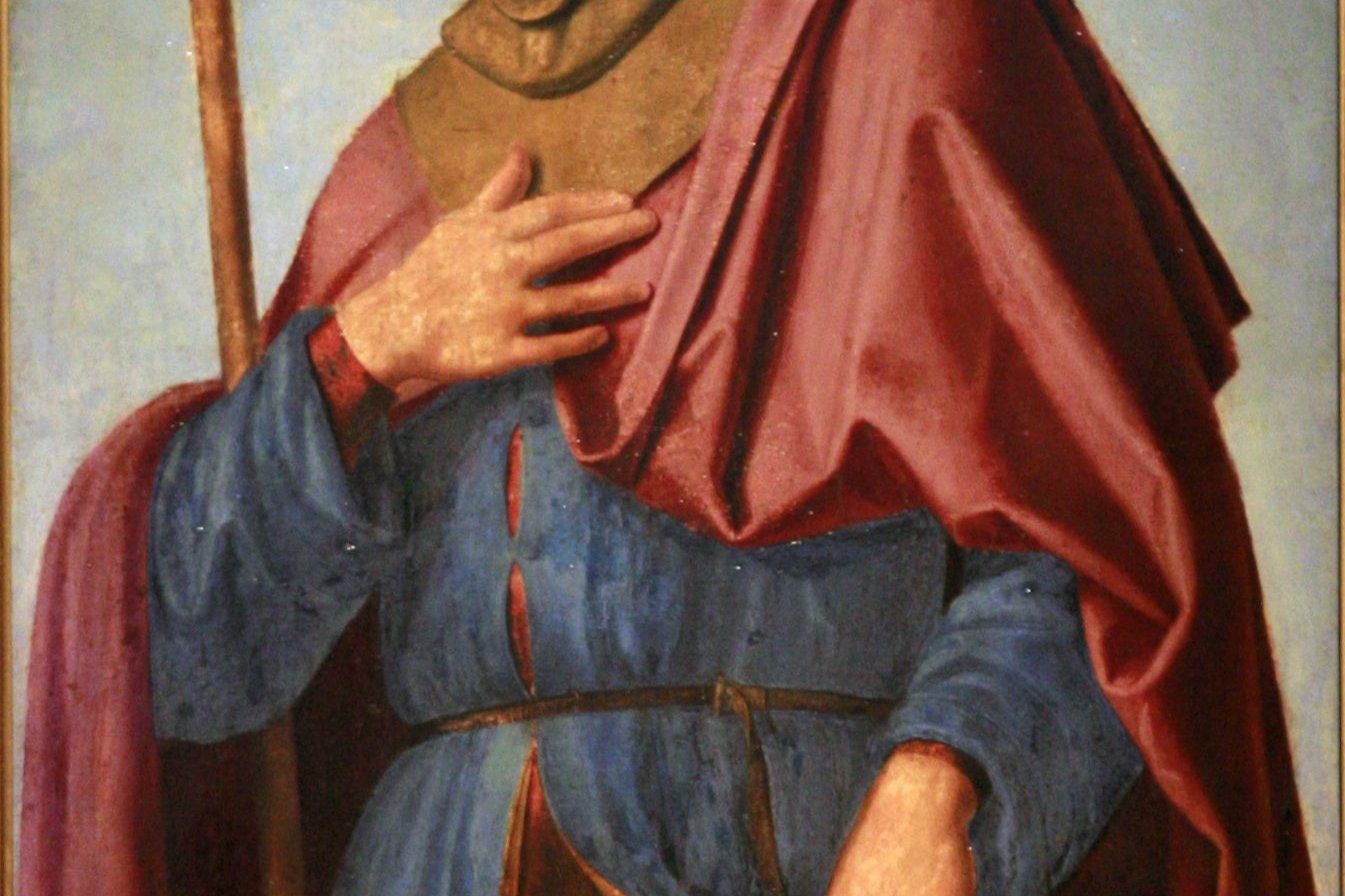
Giovanni Battista Cima da Conegliano, "Saint Roch," c. 1502. Public domain (Wikimedia Commons).
Saint Roch — patron against plague and contagious disease
Saint Roch is probably the most universally recognized plague saint in the Catholic tradition. Born around 1295 to a noble family in Montpellier, he gave away his inheritance and walked toward Rome as a pilgrim, and according to tradition, spent years nursing plague victims in towns other travelers avoided entirely. When he eventually contracted the disease himself, he withdrew into a forest to die rather than risk infecting anyone else — and tradition holds that a nobleman's dog found him there, brought him bread daily, and licked his wounds until he recovered. Nearly every image of Roch shows him as a pilgrim with a dog at his side and a wound on his thigh, the visual signature of a saint who suffered the very illness he devoted his life to treating in others. His feast day falls on August 16.
Saint Raphael the Archangel — patron of physicians and travelers
Unlike the human saints on this list, Saint Raphael the Archangel draws his healing patronage from scripture itself, in the Book of Tobit. Raphael — whose name in Hebrew means "God heals" — accompanies the young Tobiah on a long journey, protects him along the way, and instructs him in the use of a fish's gall to cure his father Tobit's blindness. That combination of protective guidance and direct medical intervention is why Raphael is invoked today as patron of physicians, nurses, pharmacists, and travelers alike — one of the very few healing patronages rooted directly in a canonical biblical narrative rather than later Christian legend.
Saint Dymphna — patron of mental and emotional illness
Saint Dymphna holds a uniquely important place among healing saints as the patron most closely associated with mental illness, emotional disorders, and epilepsy. According to tradition, she was a seventh-century Irish princess who fled her own father, a pagan king who had become obsessively and disturbingly fixated on her after her mother's death; she was eventually killed by him near Geel, in present-day Belgium, when he caught up with her. Centuries later, Geel became — and remains today — a notable center for the care of people with mental illness, a community tradition that grew directly out of devotion to Dymphna and pilgrims seeking her intercession. Her feast day is May 15.
Our Lady of Lourdes — a shrine built around reported healings
Our Lady of Lourdes refers not to a canonized individual but to the series of Marian apparitions reported by a young French girl, Bernadette Soubirous, at a grotto near Lourdes in 1858. A spring uncovered during the apparitions has since become the center of one of the largest healing pilgrimage sites in the Catholic world, drawing millions of visitors annually. The Church applies deliberately rigorous, independent medical review to any healing claimed at Lourdes before recognizing it as inexplicable by natural means — a small number of cases, out of the many thousands reported over more than a century and a half, have met that standard. Her feast, and World Day of the Sick, is observed on February 11.
Saints Cosmas and Damian — the physicians who treated for free
Among the earliest healing patronages in Christian history are twin brothers, Saints Cosmas and Damian, physicians from the early centuries of the Church who tradition says treated patients without charging any fee — a practice that earned them the nickname "the moneyless ones" (anargyroi in Greek). Venerated as martyrs, they remain patrons of physicians, surgeons, and pharmacists, and their veneration in both Eastern and Western Christianity predates most of the other saints on this list by several hundred years. Their feast day is September 26.
Saint Blaise — patron against throat ailments
Saint Blaise is remembered specifically for a legend in which he healed a young boy choking on a fishbone, which is why Catholics to this day receive the Blessing of Throats on his feast day, February 3, using two crossed candles held to the throat. A bishop and physician in Armenia before his martyrdom in the early fourth century, Blaise's patronage against throat illness remains one of the most concrete, specific healing devotions still actively practiced in parish life today.
Turning to these saints in illness
None of these devotions ask Catholics to set aside medical care in favor of prayer alone — the Church has consistently taught that seeking legitimate medical treatment and asking for a saint's intercession aren't in tension with each other. What these saints offer, across such different centuries and circumstances, is a shared thread: real people who suffered, who cared for the suffering, or whose stories became a place where the sick and frightened have gone looking for comfort for hundreds, sometimes thousands, of years.
Trivia
Who is the most widely invoked patron saint against plague and epidemic illness?
Which archangel is associated with healing in Catholic tradition?
What saint is associated with epilepsy and nervous or mental illness?
What is Our Lady of Lourdes, and why is she associated with healing?
Are Saints Cosmas and Damian associated with medicine?
Related Reading