
Blog
Stories of saints, biblical events, angels, and sacred places.
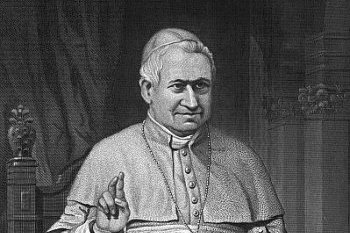
Papal Infallibility Explained: What It Does and Doesn't Mean
Papal infallibility applies only under narrow, specific conditions — it doesn't mean the Pope is sinless or always right. Here's what the doctrine actually claims.
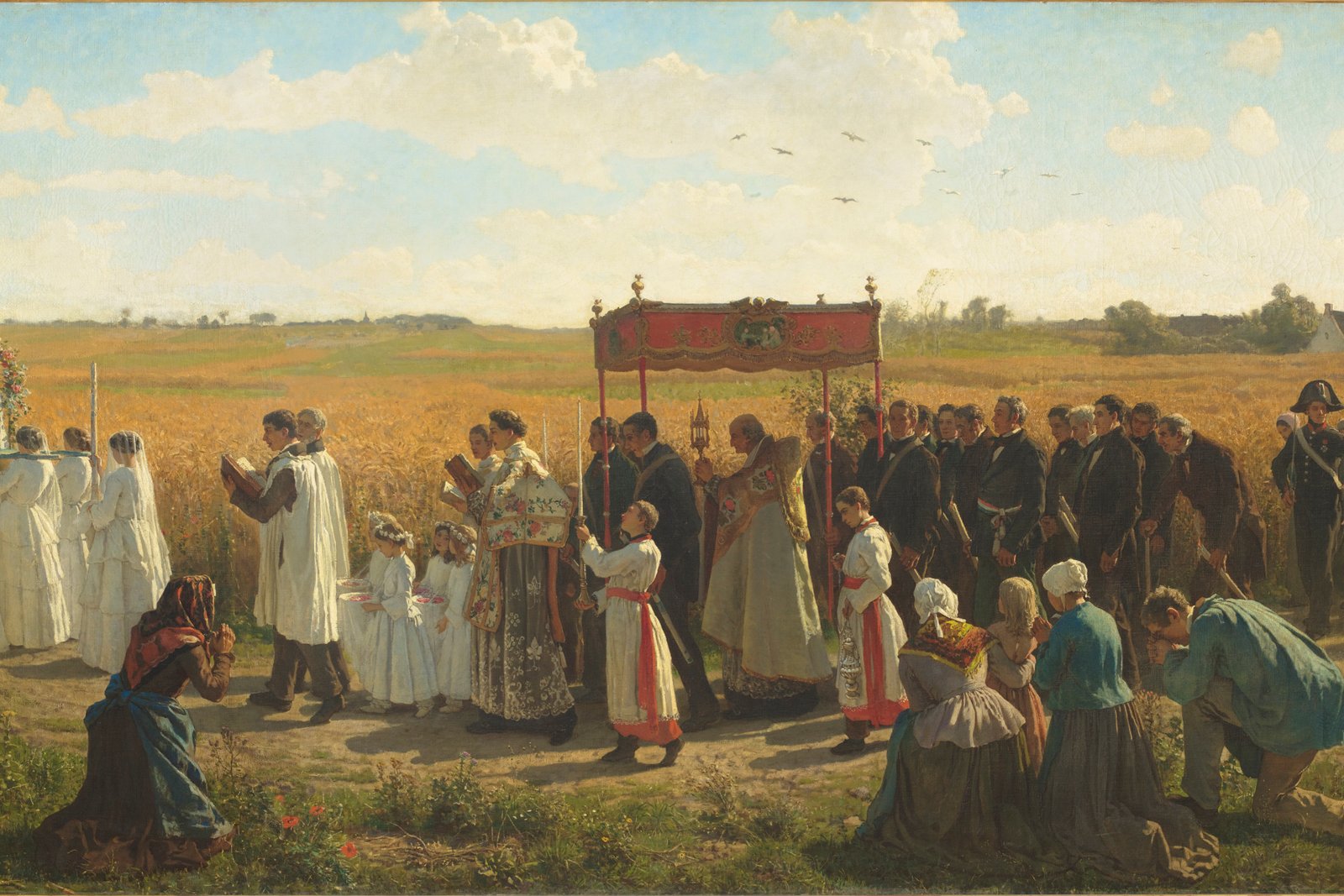
Sacramentals Explained — Holy Water, Medals, and Scapulars
What a sacramental is, how holy water, blessed medals, and scapulars differ from the seven sacraments, and why the Church uses ordinary objects this way.
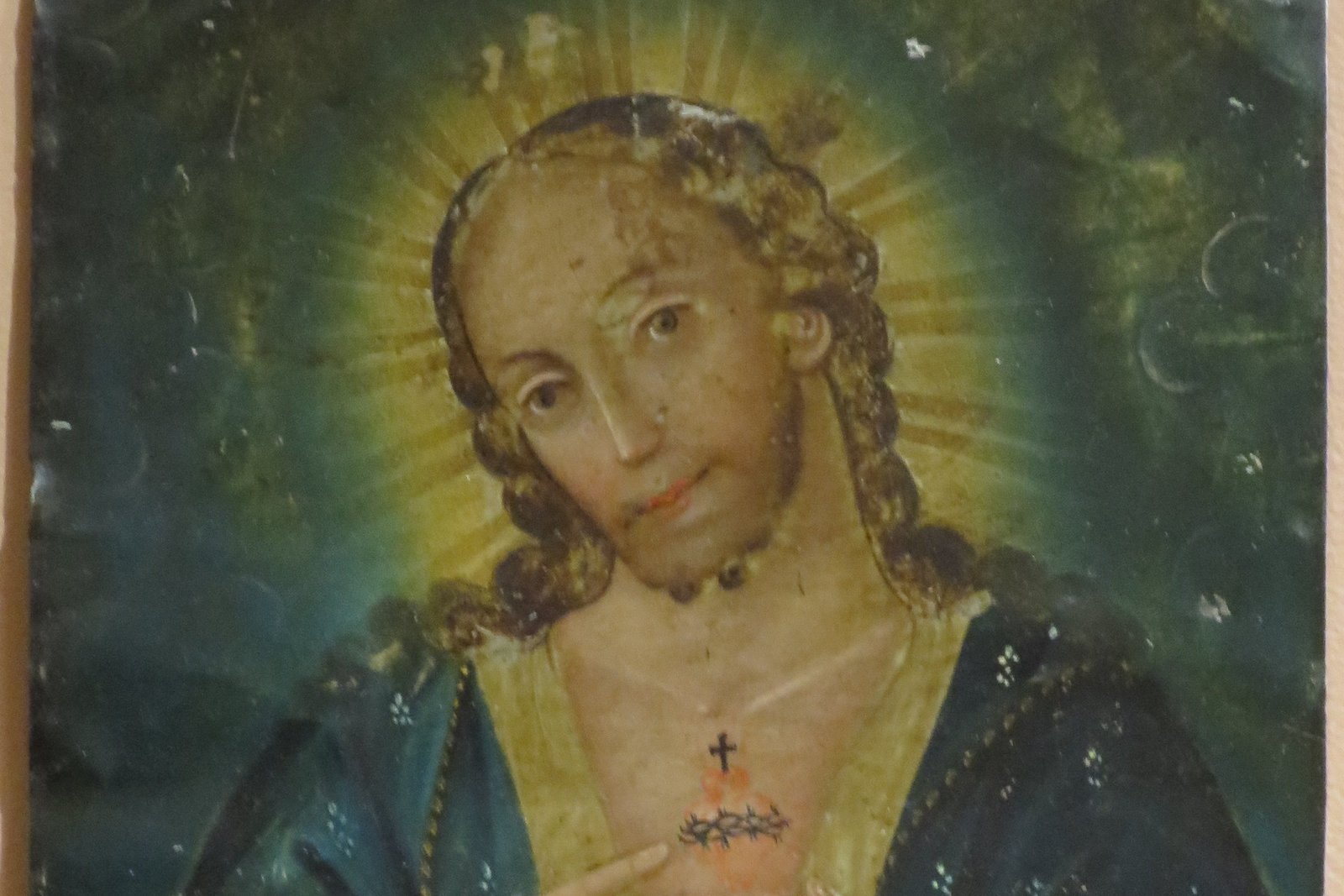
The Sacred Heart Novena: The Prayer Padre Pio Prayed Daily
The Efficacious Novena to the Sacred Heart of Jesus, attributed to Saint Margaret Mary Alacoque and prayed daily by Padre Pio, with its full traditional text.
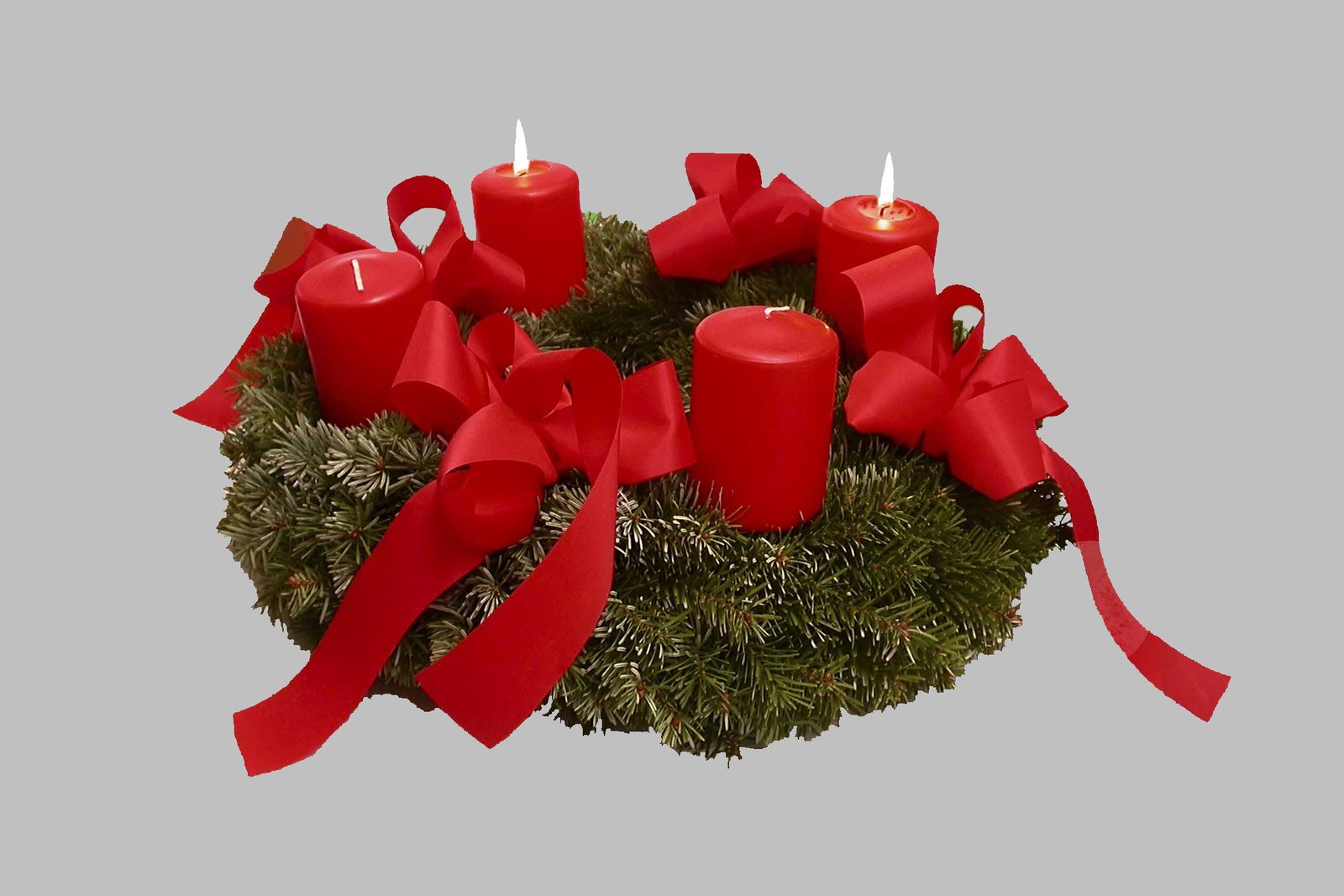
The Advent Wreath Explained: Candles, Colors, Meaning
Where the Advent wreath tradition began, what its four candles and evergreen circle symbolize, and how Catholic families use it to mark the weeks before Christmas.
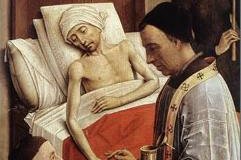
The Anointing of the Sick Explained
What the Sacrament of the Anointing of the Sick actually is, how it differs from the old 'Last Rites,' who can receive it, and what happens during the rite.
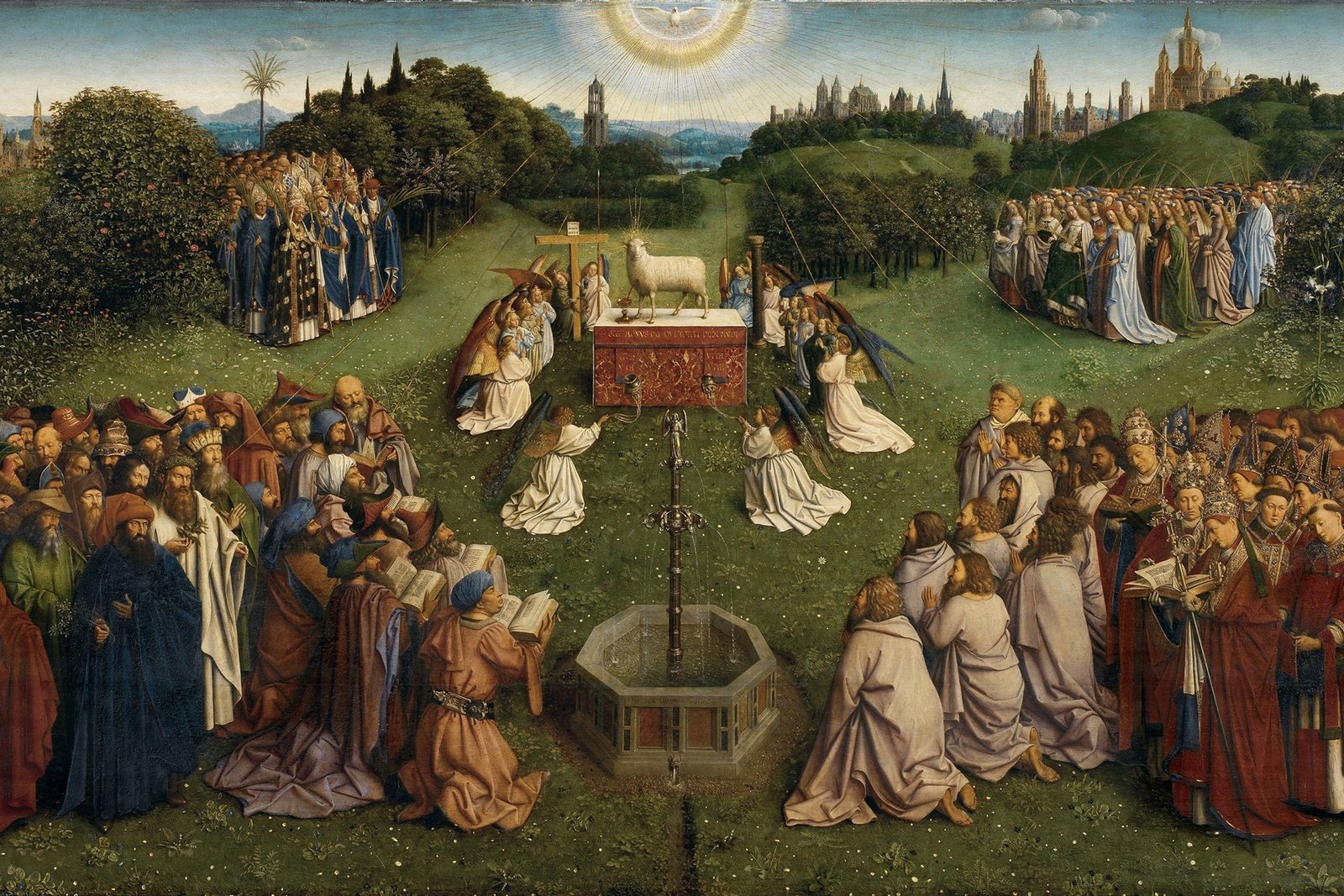
The Communion of Saints Explained
What Catholics mean when they profess belief in the communion of saints in the Creed — a bond linking believers on earth, in purgatory, and in heaven.
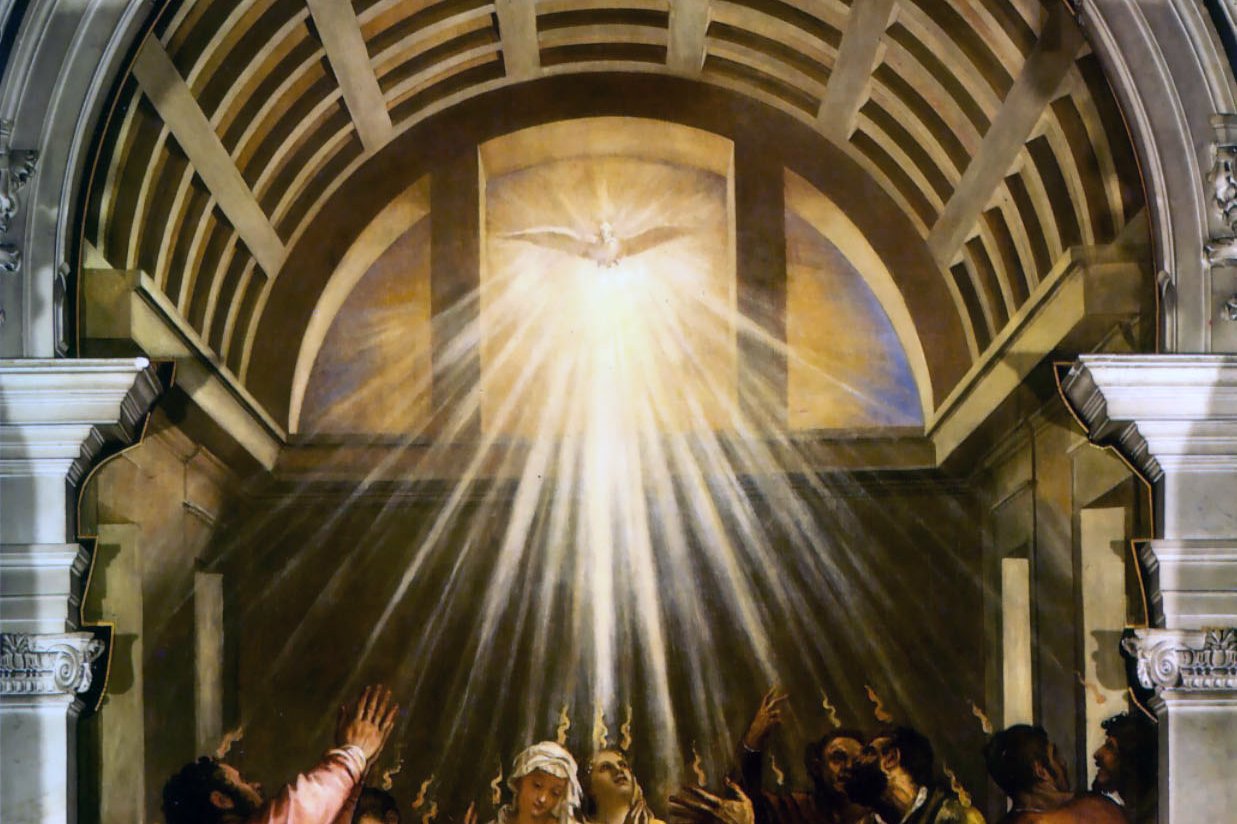
The Four Marks of the Church — One, Holy, Catholic, Apostolic
What Catholics mean by one, holy, catholic, and apostolic in the Nicene Creed, and why the Church treats these four marks as inseparably linked together.
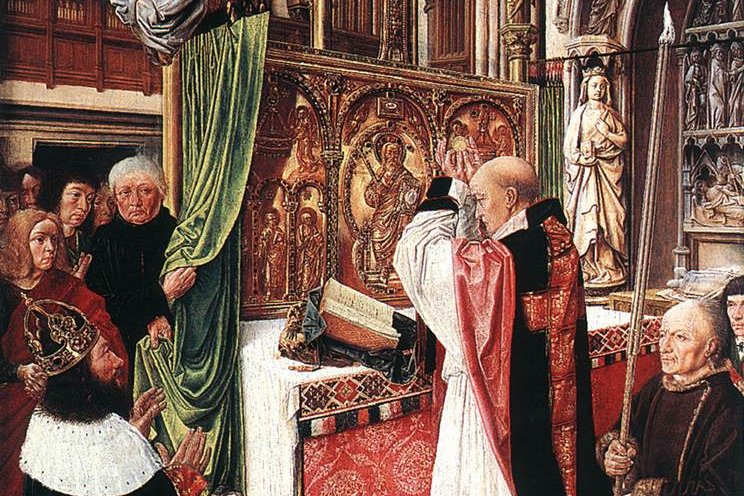
The Liturgical Colors Explained — What Each One Means
What white, red, green, violet, rose, and black mean on the altar, why priests change vestments through the year, and how the colors track the Church calendar.
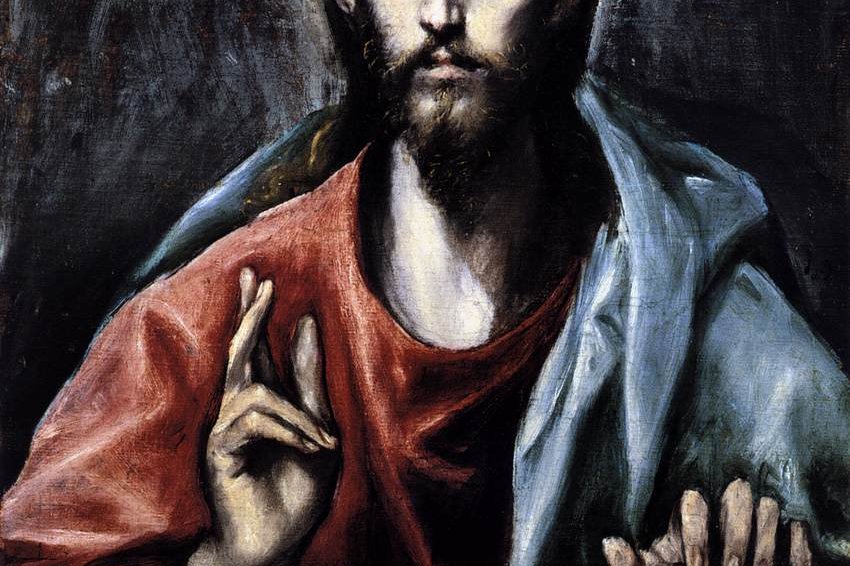
The Sign of the Cross Explained — History and Meaning
Why Catholics trace the cross from forehead to chest and shoulder to shoulder, where the gesture came from historically, and what it means every time it's made.
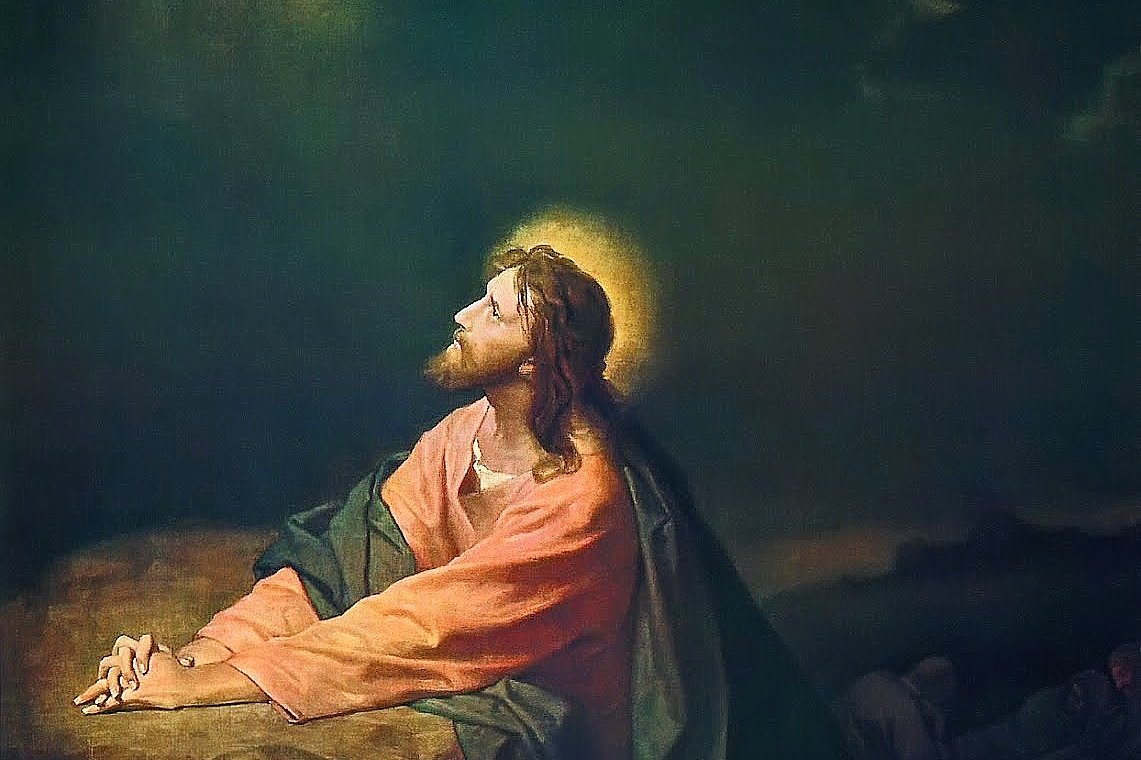
The Surrender Novena: “Jesus, You Take Care of It”
Father Dolindo Ruotolo's Surrender Novena, built on the repeated prayer “Jesus, I trust in you, you take care of it,” with its origin and daily structure.
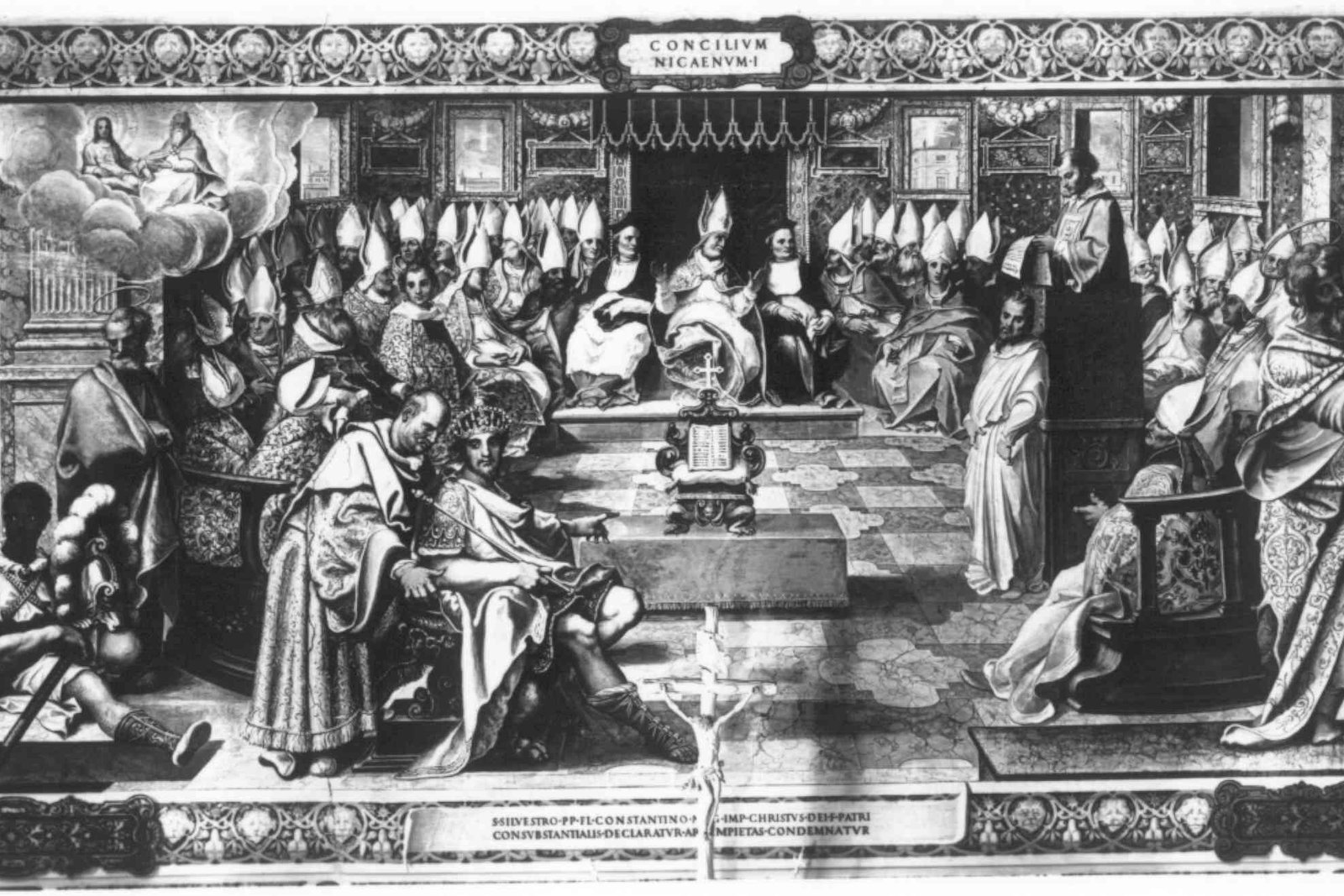
Tradition vs. Dogma: What Catholics Must Believe vs. May Believe
Not every Catholic legend is binding doctrine. Here's how to tell defined dogma, official Church teaching, and pious tradition apart — and why it matters.
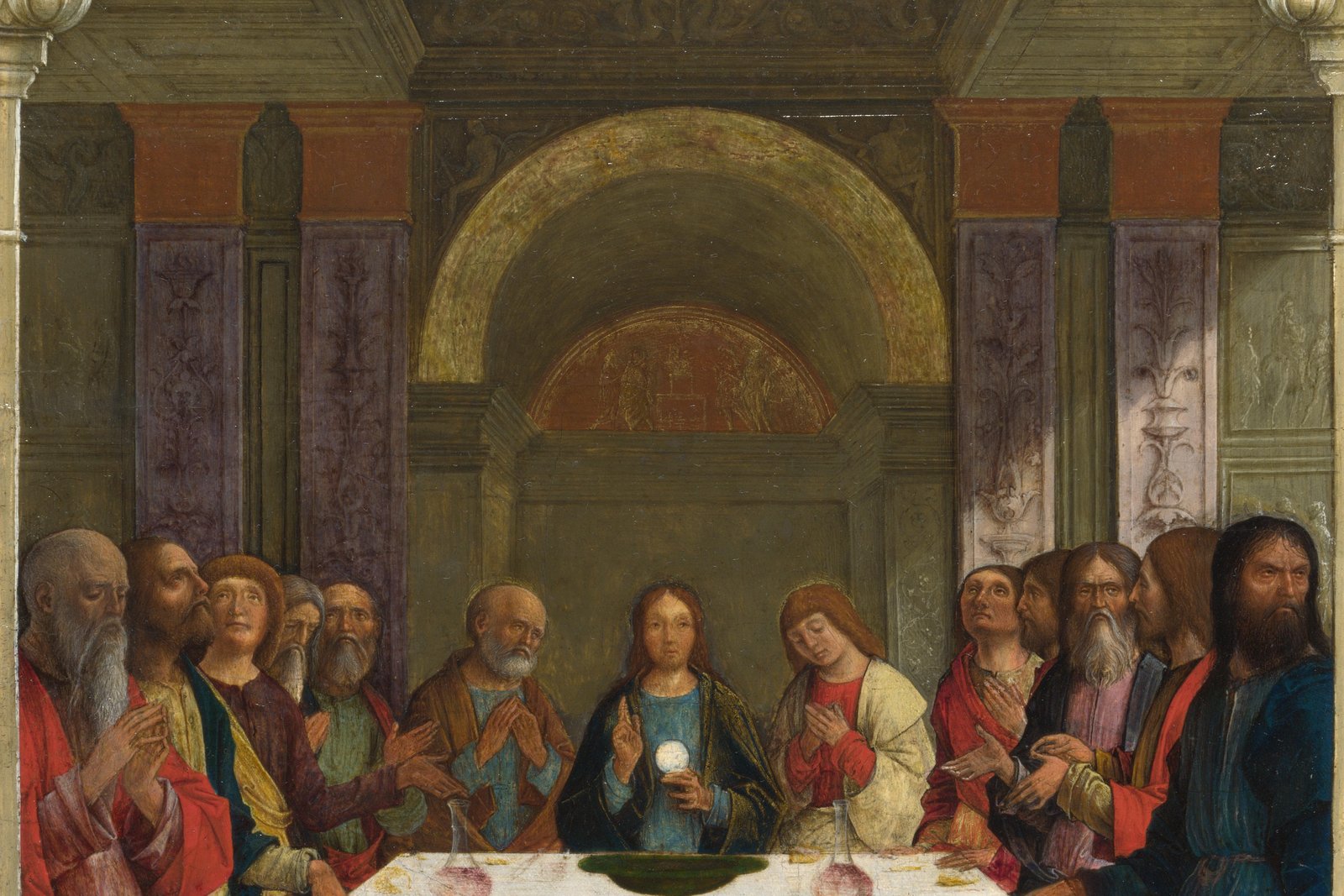
Transubstantiation Explained: What Catholics Believe About the Eucharist
Transubstantiation is the Catholic teaching that bread and wine become Christ's Body and Blood at Mass, while still looking, tasting, and acting like bread and wine.
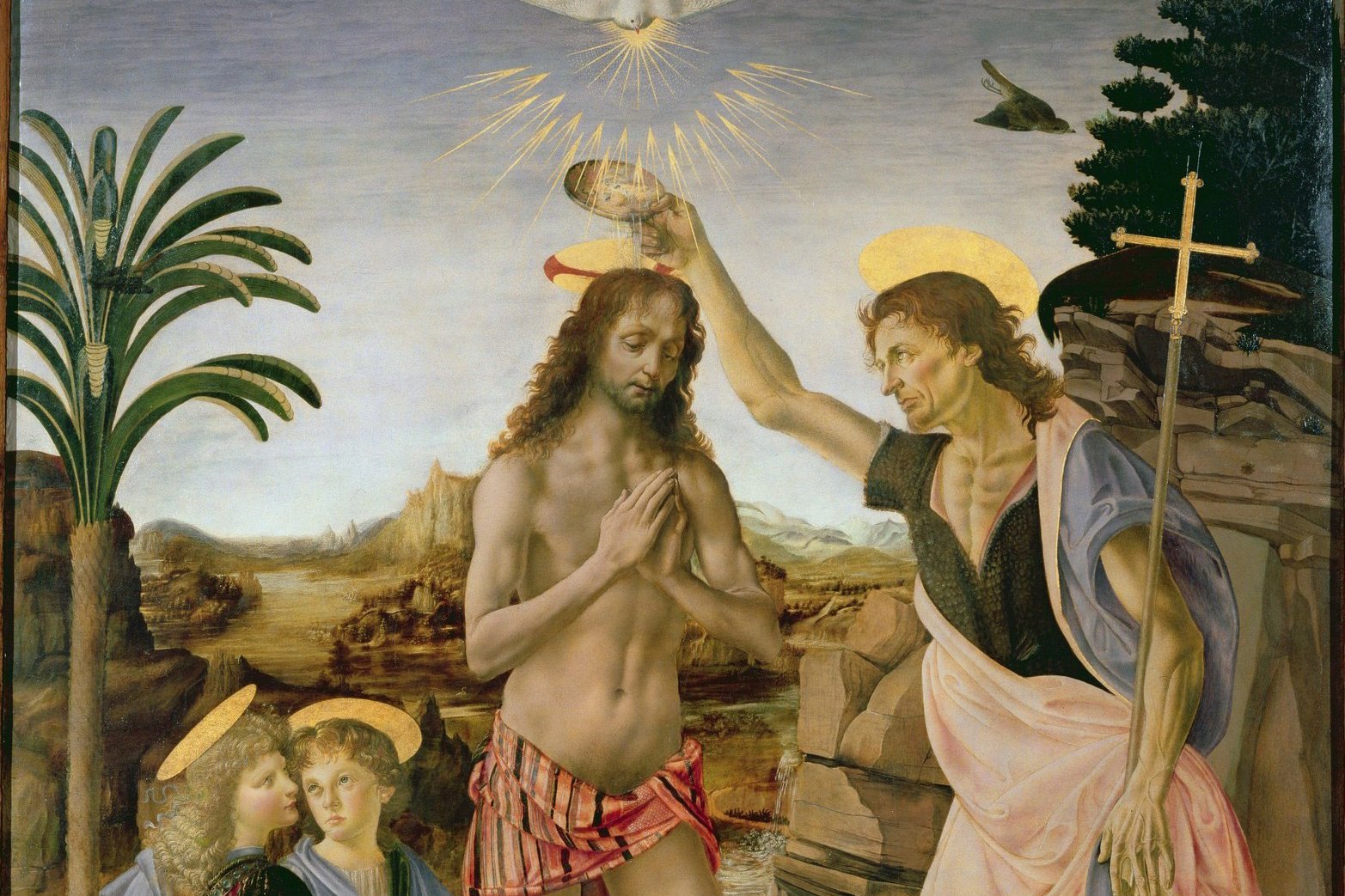
What Happens at a Catholic Baptism? The Rite Explained
From the sign of the cross at the door to water poured three times in the Trinity's name, here is a full, step-by-step walkthrough of a Catholic baptism.
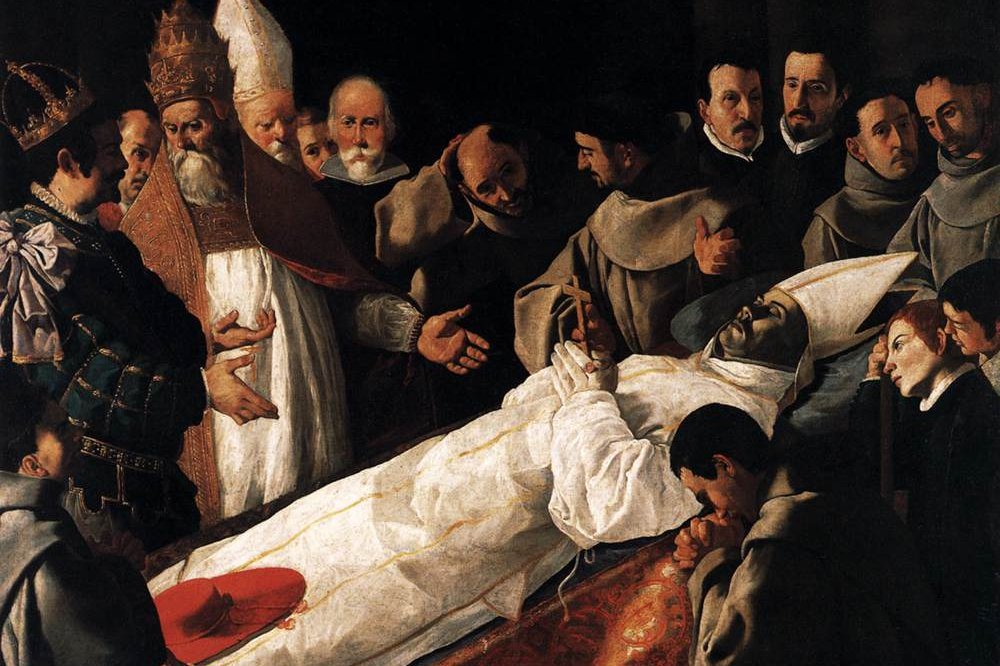
What Happens at a Catholic Funeral — A Walk Through the Rites
A plain walkthrough of the three stages of a Catholic funeral — vigil, funeral Mass, and rite of committal — and what each stage means for the faithful.
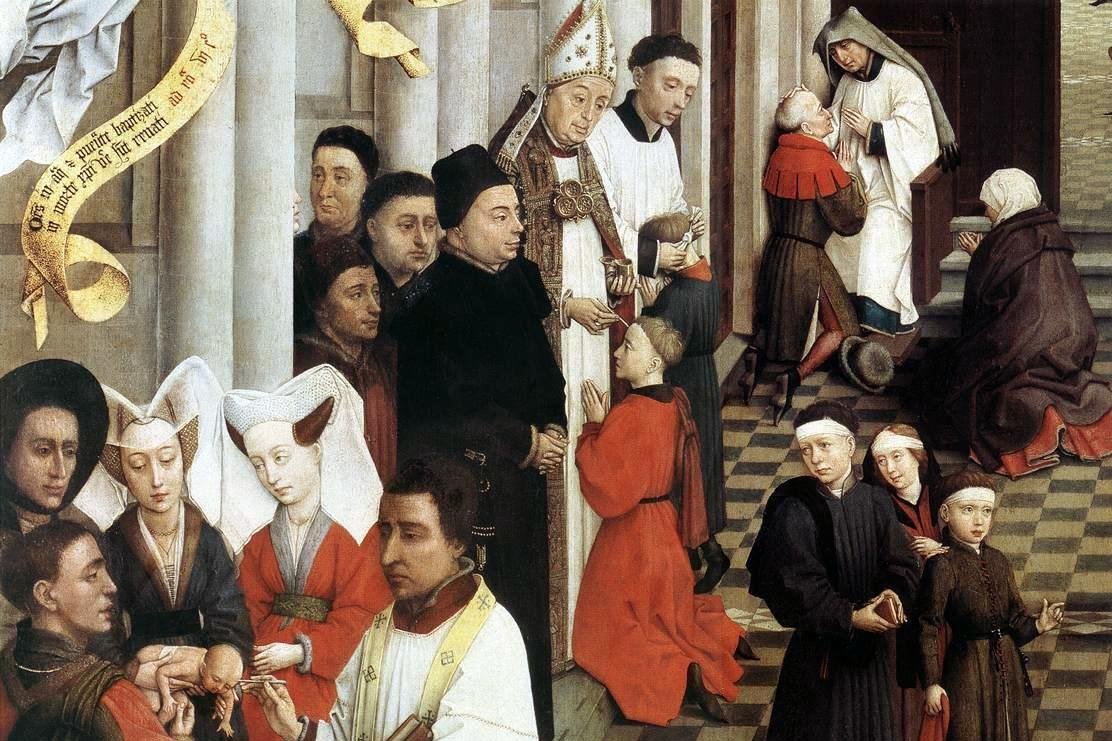
What Happens at Confirmation? The Rite Explained
A step-by-step look at the Catholic rite of Confirmation — the anointing with chrism, the bishop's role, the words spoken, and what the sacrament actually confers.
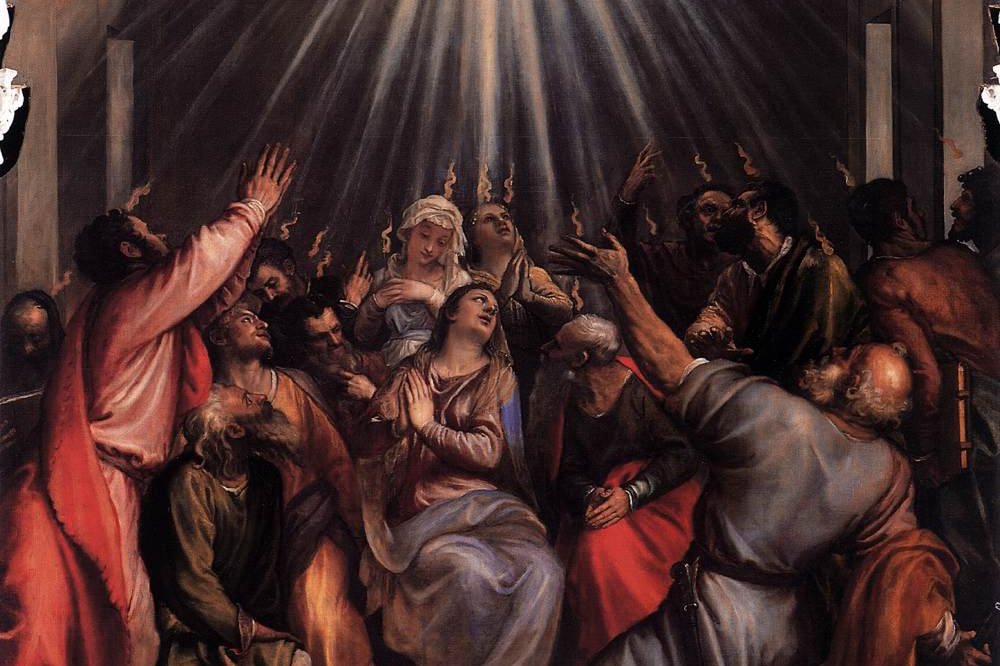
What Is a Novena? The Nine-Day Prayer, Explained
A novena is nine days of sustained prayer, rooted in the apostles' wait for Pentecost in Acts 1. Its origin, purpose, and how Catholics pray one today.
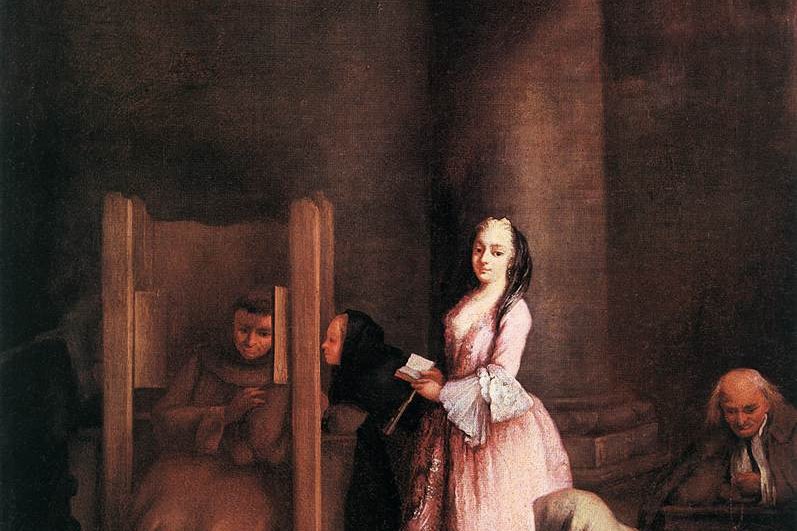
What Is an Indulgence? Plenary and Partial, Explained
What a Catholic indulgence actually is and isn't, the difference between plenary and partial, and why it isn't a purchase of forgiveness or salvation.
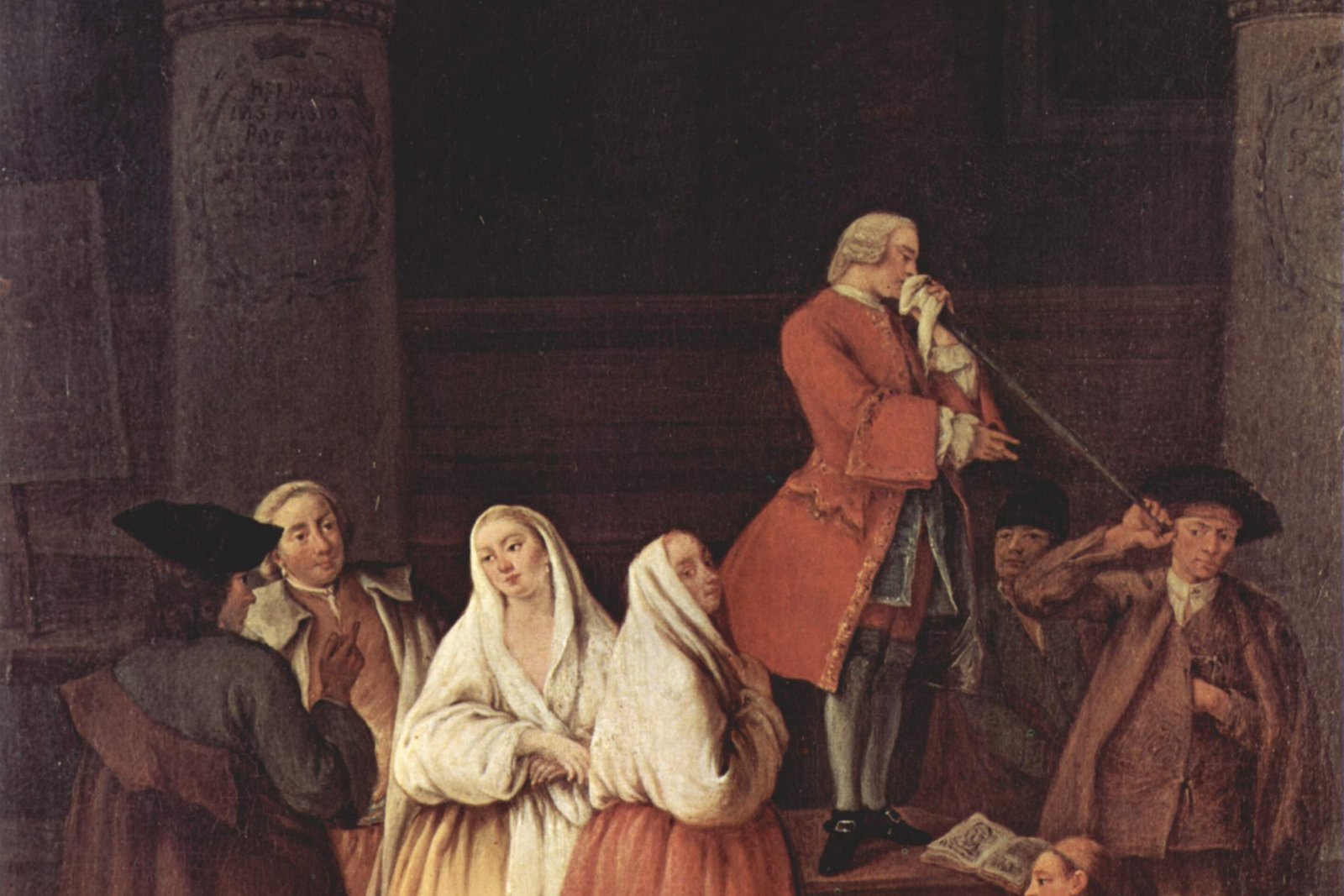
Why Do Catholics Confess Their Sins to a Priest?
Catholics confess to a priest because Christ gave the apostles authority to forgive sins in his name — a sacramental act, not a human substitute for God.
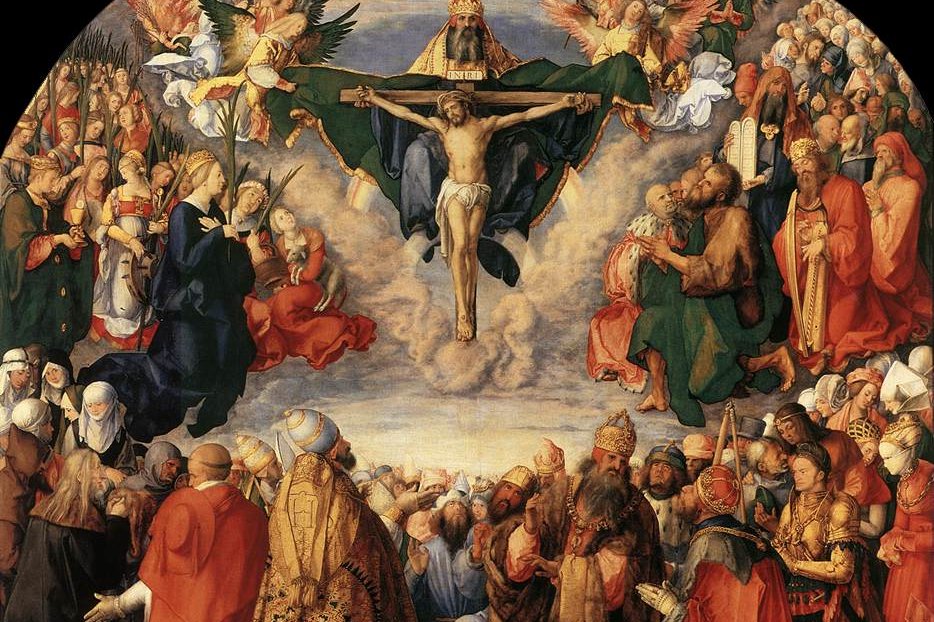
Why Do Catholics Pray to Saints? Intercession Explained
Catholics ask saints to pray for them, the way you'd ask a friend — it's intercession, not worship. Here's the Catechism's own explanation of the practice.
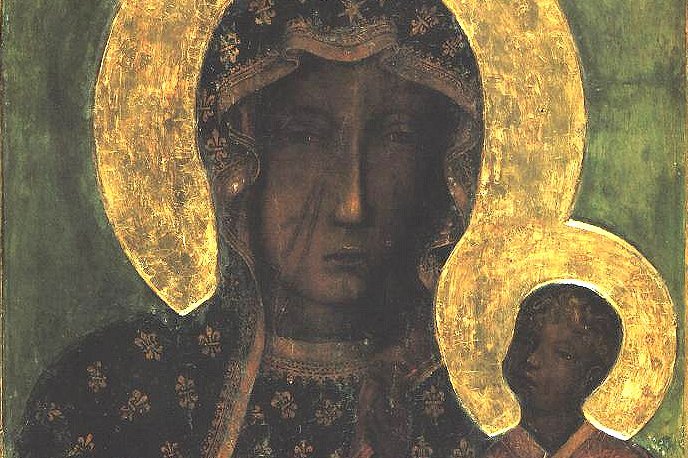
Why Do Catholics Venerate Statues? Isn't That Idolatry?
Catholics honor statues and icons the way you'd honor a photo of a loved one — the honor passes to the person depicted, not the object. Here's the distinction.